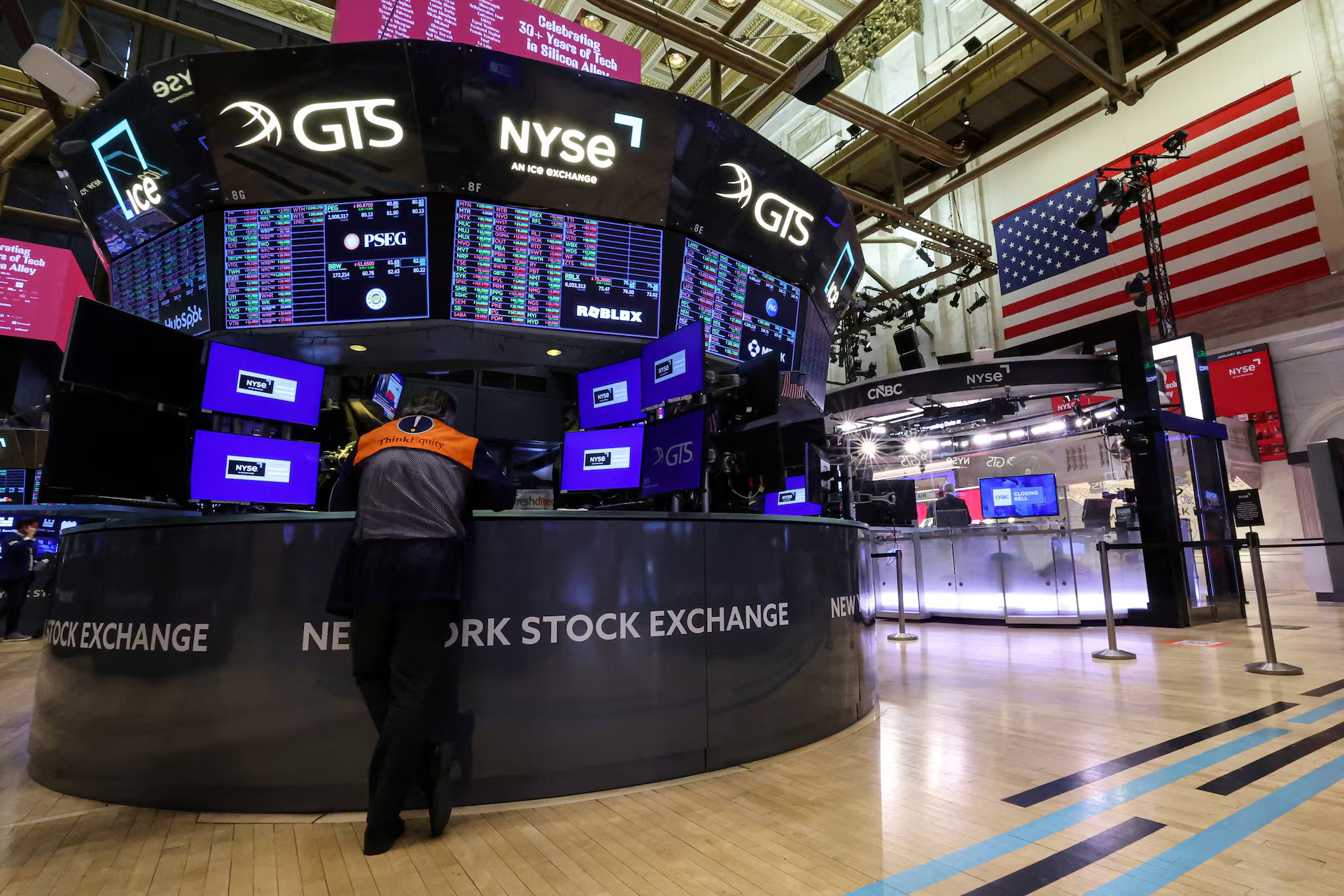
Wall Street volatility surges as Powell signals policy risks from Trump’s economic agenda is now one of the most closely watched developments in U.S. financial markets, as investors rapidly reassess risk in response to new warnings from the Federal Reserve. The shift is not just about interest rates anymore—it’s about how political decisions could directly reshape inflation, growth, and market stability in 2026.
Across the United States, traders and institutional investors are adjusting their strategies as fresh signals from Jerome Powell highlight growing concerns over potential policy changes tied to former President Donald Trump’s economic agenda. These include tariffs, fiscal expansion, and regulatory adjustments—factors that could reintroduce inflation pressures and disrupt the Federal Reserve’s long-term plan.
Powell’s Warning Triggers Immediate Market Repricing
The latest remarks from the Federal Reserve have acted as a catalyst for volatility across major U.S. indices. Powell indicated that policy-driven inflation risks could force the central bank to maintain a cautious stance, even as markets were expecting rate cuts.
This warning has caused investors to quickly reprice expectations:
- Equity markets have experienced sharp intraday swings
- Treasury yields have moved higher, reflecting inflation concerns
- Market sentiment has shifted from optimism to caution

For months, Wall Street had been betting on a smooth transition toward lower interest rates. However, Powell’s message suggests that the road ahead may be far more uncertain, especially if policy changes increase cost pressures across the economy.
This is particularly important because financial markets rely heavily on forward guidance. Any signal that delays rate cuts can significantly alter valuations, especially in growth sectors like technology.
Trump’s Economic Agenda and Its Market Impact

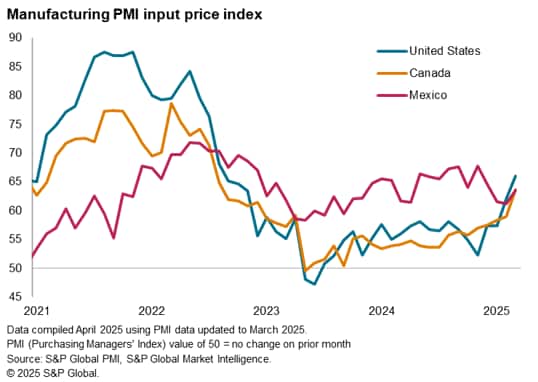

A key driver behind current market anxiety is the potential return of aggressive economic policies associated with Donald Trump’s previous administration. These policies include higher tariffs, tax changes, and increased domestic spending.
Tariffs, in particular, are a major concern. When import duties rise:
- Businesses face higher input costs
- Supply chains become less efficient
- Consumers ultimately pay more
This creates a direct pathway to inflation, which is exactly what the Federal Reserve is trying to control.
In addition, expansionary fiscal policies—such as tax cuts or increased government spending—can stimulate economic growth but also risk overheating the economy. This combination of rising demand and constrained supply is often a recipe for sustained inflation.
Investors are now trying to balance these opposing forces: growth opportunities versus inflation risks.
Stock Market Reaction: Volatility Becomes the New Normal
Wall Street’s response has been both swift and widespread. Major indices, including the S&P 500 and Nasdaq, have shown increased volatility as investors digest the implications of Powell’s statements.
Key trends emerging in the market:
- Technology stocks are under pressure due to sensitivity to interest rates
- Energy and commodities are gaining traction as inflation hedges
- Defensive sectors like healthcare and utilities are seeing renewed interest
Institutional investors are rotating portfolios toward safer assets while maintaining selective exposure to growth opportunities. This reflects a broader shift toward risk management in an uncertain environment.
Retail investors, on the other hand, are showing mixed behavior—some are pulling back due to uncertainty, while others are attempting to capitalize on short-term price swings.
Inflation and Interest Rates: A Delicate Balance


Inflation remains at the center of this evolving market story. Although price pressures have moderated compared to previous peaks, they remain above the Federal Reserve’s long-term target.
Powell’s warning suggests that:
- Inflation could remain persistent if policy risks materialize
- Rate cuts may be delayed or reduced in number
- The Federal Reserve may prioritize stability over rapid easing
This creates a challenging environment for both policymakers and investors. On one hand, keeping rates high helps control inflation. On the other hand, it increases borrowing costs, which can slow economic growth and impact corporate earnings.
Current market expectations are shifting toward a scenario where:
- Interest rates stay elevated longer than anticipated
- Inflation declines more gradually
- Market volatility remains elevated
Banking Sector and Financial Stability Outlook
The banking sector is another area being closely monitored. Higher interest rates can improve bank profitability through increased lending margins, but they also raise risks related to credit quality and loan defaults.
Potential challenges for the banking system include:
- Tighter lending standards
- Increased regulatory scrutiny
- Pressure on smaller regional banks
At the same time, financial institutions are preparing for a prolonged period of economic uncertainty. This includes strengthening balance sheets, managing liquidity, and adjusting lending strategies.
The interplay between regulation, interest rates, and economic growth will be critical in determining the overall stability of the financial system in the coming months.
Market Outlook: What Investors Should Watch Next
Looking ahead, several key factors will shape the direction of U.S. markets:
Economic Data
- Inflation reports (CPI and PCE)
- Employment figures
- Consumer spending trends
Federal Reserve Communication
- Future statements from Jerome Powell
- Policy decisions and interest rate guidance
Political Developments
- Clarity on trade and tariff policies
- Fiscal policy announcements
Global Influences
- Economic conditions in Europe
- Geopolitical risks affecting supply chains
Investors should be prepared for continued volatility as markets adjust to these evolving dynamics. Diversification, disciplined risk management, and a focus on long-term fundamentals will be essential strategies in navigating this environment.
A Market Driven by Policy and Uncertainty
The current surge in Wall Street volatility highlights a broader shift in how financial markets operate. Policy decisions—once considered secondary factors—are now central to market movements.
The Federal Reserve’s warning underscores the reality that inflation risks are still present and could intensify under certain policy scenarios. For investors, this means adapting to a more complex and unpredictable landscape.
Understanding the interaction between economic policy, inflation, and market behavior will be crucial in making informed decisions. As the situation continues to evolve, staying informed and agile will be key to navigating the challenges and opportunities ahead.
Subscribe to trusted news sites like USnewsSphere.com for continuous updates.