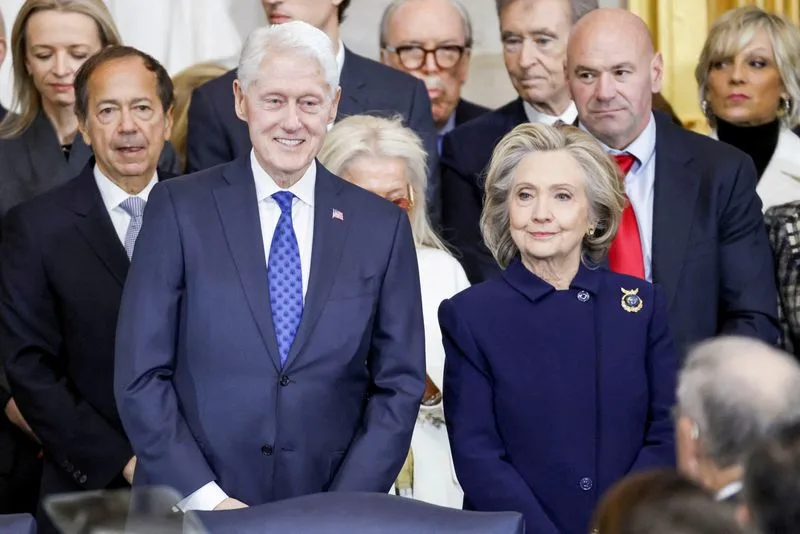
Former U.S. President Bill Clinton and former Secretary of State Hillary Clinton have agreed to testify in the U.S. House of Representatives’ investigation into billionaire sex offender Jeffrey Epstein — a development that could stave off an imminent criminal contempt of Congress vote against them. This matters now because it represents a rare moment in American history where political leaders facing the threat of legal action are acquiescing to congressional demands in a highly charged, partisan setting.
The agreement comes after months of the Clintons resisting subpoenas, amid fierce debate over congressional authority and political motive — and as the Oversight Committee prepares for potentially one of its most consequential actions yet.
Why This Matters Now: A Test of Congressional Power and Accountability
The Capitol Hill investigation is centered on what Bill and Hillary Clinton knew about Jeffrey Epstein’s activities and whether they have information relevant to the committee’s oversight of the Justice Department and retired officials tied to the Epstein case.
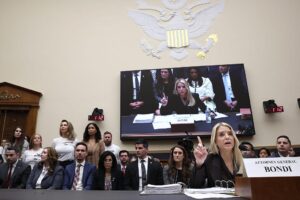
For weeks, Republican lawmakers in the House Oversight Committee threatened to hold the Clintons in contempt of Congress for refusing to comply with subpoenas issued in August 2025 — an assertion Republicans argue is necessary to uphold legislative authority and ensure transparency.
Now, with the Clintons agreeing to appear for testimony — including sworn depositions on dates mutually agreed upon — the political calculus has shifted, potentially averting a historic contempt vote that could have led to fines or even criminal charges.
Context: Epstein Investigation Reignites Political Scrutiny
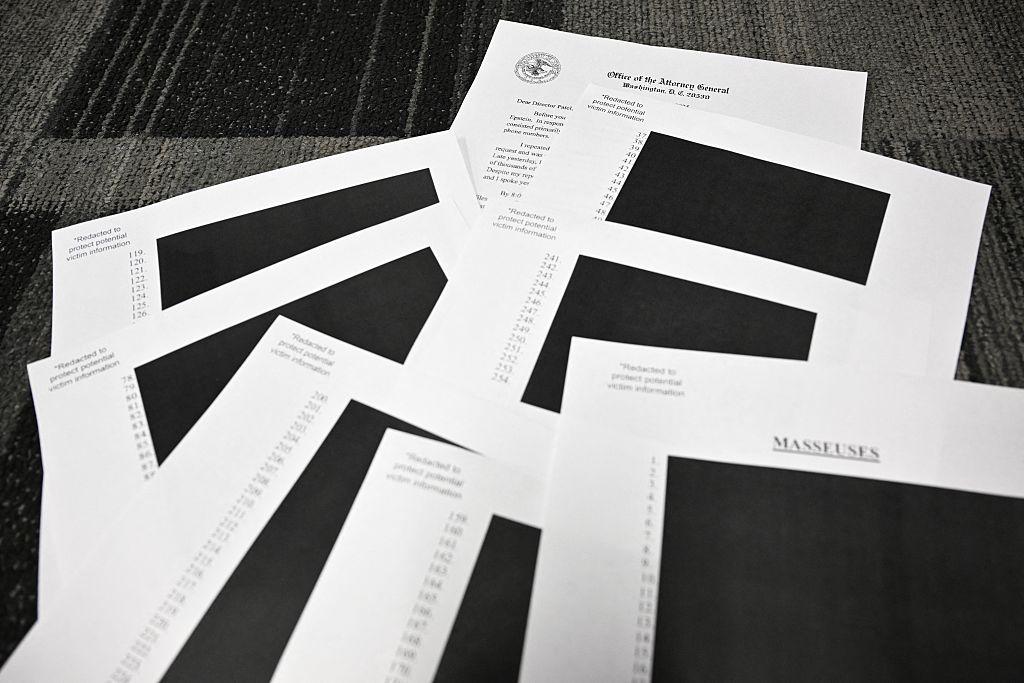
The House Oversight Committee launched its inquiry after the Justice Department released millions of pages of internal documents connected to Epstein’s network of wealthy and influential contacts. Those files have exposed ties — direct or indirect — between Epstein and a wide array of political, academic, and business leaders, fueling public debate and congressional scrutiny.
Bill Clinton’s historical connection to Epstein — including multiple documented flights on Epstein’s private jet in the early 2000s — has been a focal point. Although Clinton has acknowledged some association, he has consistently denied any knowledge of Epstein’s criminal conduct.
Meanwhile, Hillary Clinton has maintained she never flew on Epstein’s plane, never visited his properties, and had no substantive involvement with his circles — statements that have factored into Republicans’ push for sworn testimony.
Contention and Negotiations: Depositions, Deputations, and What Comes Next
Before reaching this agreement, the Clintons and the Oversight Committee were at an impasse. The Clintons had offered an alternative approach — a transcribed interview for Bill Clinton and a sworn declaration from Hillary — but Committee Chair Rep. James Comer rejected those terms as insufficient.
Comer insisted that any testimony must involve live, sworn depositions before the panel, rather than limited written statements or interviews under pre-set conditions. His stance was backed by a rare bipartisan tally in the committee advancing contempt resolutions.
In response, the Clintons’ legal team in late January offered to meet the demands on mutually agreeable dates and sought assurances that the contempt proceedings would be halted — signaling a strategic pivot after months of resistance.
At press time, the exact schedule for depositions has not been publicly revealed, and Rep. Comer indicated the panel will review the offer before deciding on next steps.
Political Fallout: Bipartisan Pressure and Public Reaction
This development has ignited reactions across the political spectrum. Some Democrats have criticized the Oversight Committee’s probe as politically motivated — an attack on the Clintons aimed at discrediting prominent figures from the opposing party rather than advancing genuine legislative oversight.
Republicans, however, argue that no one is above the law and that the committee’s actions seek to hold powerful individuals accountable, irrespective of party affiliation. Polling indicates the situation continues to drive intense national interest, reflecting ongoing public skepticism about elite influence, judicial transparency, and political accountability.
The Broader Implications: Congressional Oversight and Institutional Precedent
If Bill and Hillary Clinton follow through with their agreed testimony under oath, it could set a powerful precedent for congressional authority over high-profile public figures — especially former presidents and cabinet secretaries — in the enforcement of subpoenas and oversight investigations.
This episode also underscores a larger debate in American governance: To what extent should legislative bodies be able to compel testimony from former office holders, and how should partisan divides be navigated when probing sensitive, high-stakes issues?
Legal analysts suggest this outcome will be studied and debated for years — both as a moment of congressional assertiveness and as a political maneuver with ramifications for future oversight efforts.
Subscribe to trusted news sites like USnewsSphere.com for continuous updates.