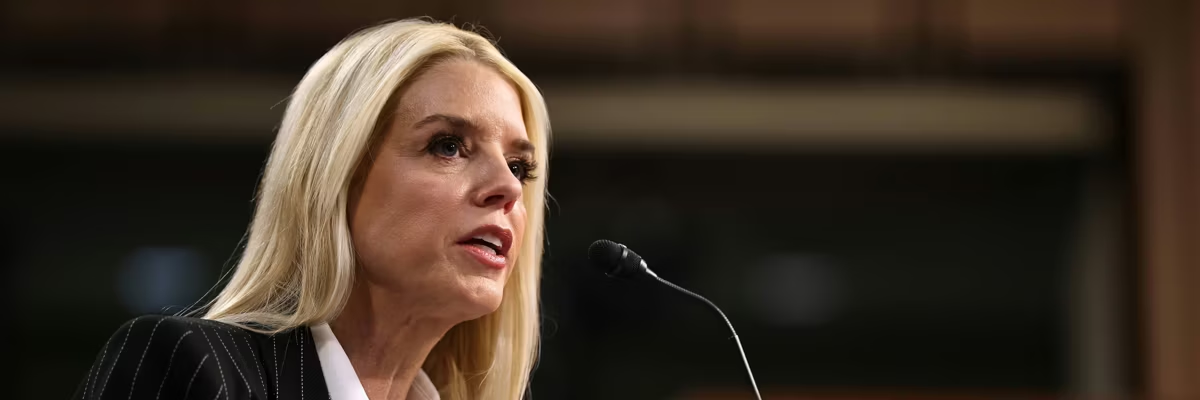
DOJ’s Epstein File Fiasco Sparks Impeachment Calls for Pam Bondi After Unredacted Nude Photos of Alleged Victims Leak
The U.S. Department of Justice’s controversial release of newly disclosed Jeffrey Epstein files, which mistakenly included unredacted nude photos and identifying details of alleged victims, has ignited a fierce political firestorm — including public calls from a sitting U.S. congresswoman to impeach Attorney General Pam Bondi for the mishandling of the files and the perceived disregard for survivor privacy and public trust.
Within days of the Justice Department’s release of millions of pages of documents under the Epstein Files Transparency Act — a federal law mandating the public disclosure of DOJ materials tied to Epstein’s crimes — critics say that serious redaction failures have exposed personal information about victims, including nude photos and names, causing distress, threats, and renewed trauma. The political backlash has quickly escalated discussions about transparency, accountability, and potential legal consequences for the attorney general overseeing the release.
What the Epstein Files Transparency Act Required and What Was Released
In November 2025, Congress passed the Epstein Files Transparency Act with overwhelming support, requiring the Department of Justice to release all unclassified Epstein-related documents in its possession. Signed into law, the act aimed to bring long-sought transparency to a case that has haunted American politics and public consciousness for years.
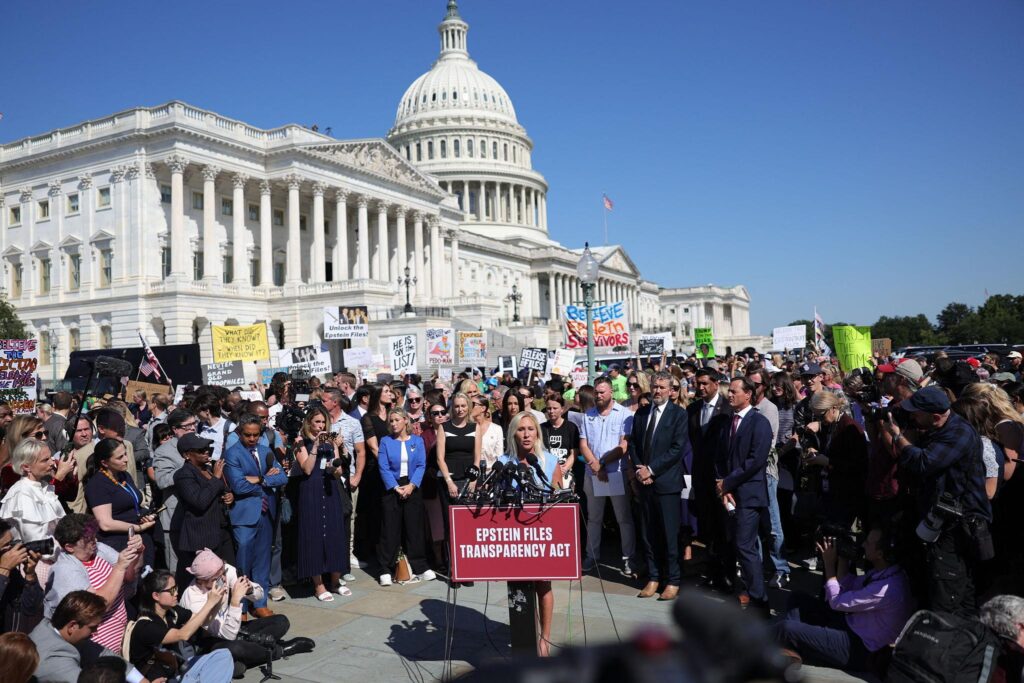
In response, the DOJ began disclosing massive volumes of material from its files on Jeffrey Epstein and his longtime associate Ghislaine Maxwell, including emails, court exhibits, photos, and investigative records. Initial DOJ claims indicated that over 3.5 million pages of documents were released as part of compliance. Deputy Attorney General Todd Blanche has defended the process, saying redactions were necessary to protect victims and sensitive law enforcement information.
However, the highly anticipated public release was immediately marred by controversy when it became clear that redactions were inconsistent and incomplete, exposing sensitive personal information that should have been legally protected. Victims’ lawyers and rights groups reported that some files included unfiltered nude photos, names, email addresses, home addresses, and other identifiers that placed survivors at risk.
Calls for Impeachment: Why Lawmakers Are Targeting Pam Bondi
On social media and in public statements, Congresswoman Yassamin Ansari (D-Ariz.) openly called for the impeachment of U.S. Attorney General Pam Bondi, asserting that the DOJ’s actions represented “an indefensible and horrifying disregard for victims” who were already traumatised by Epstein’s crimes. Ansari cited evidence of unredacted nude photos and private records that should never have been made public — arguing that Bondi, as the nation’s chief law enforcement official, must be held accountable.
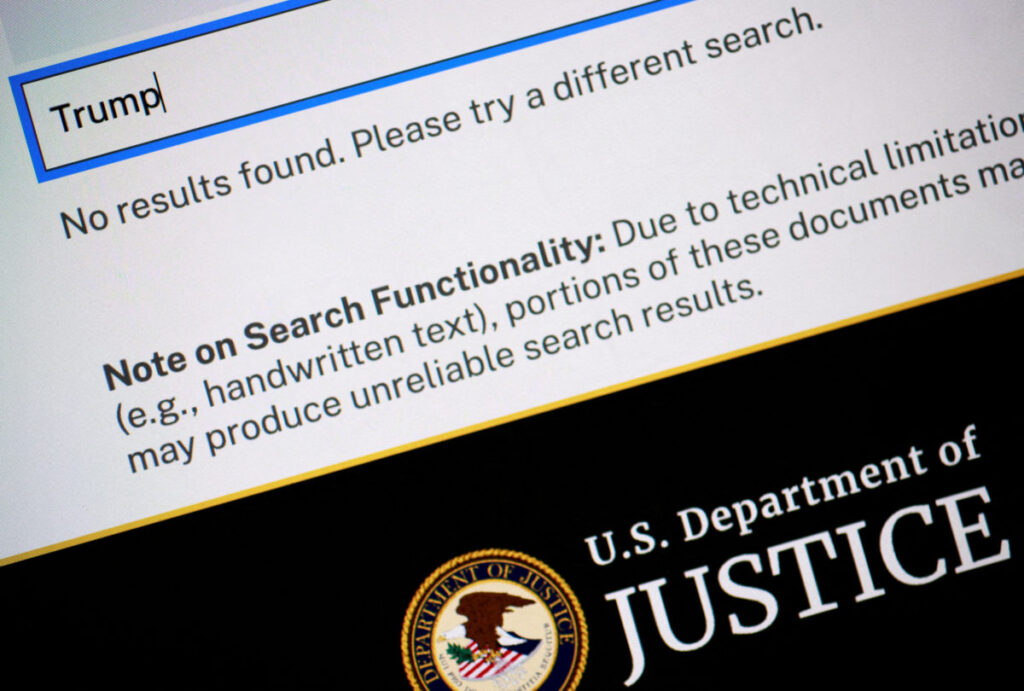
Democratic lawmakers have been joined by legal advocates and critics from across the political spectrum who argue that the mishandling of the Epstein files not only violated the letter and spirit of the law but inflicted additional harm on survivors. Some members of Congress have expressed belief that redaction failures and withheld documents — including potentially sensitive intelligence or prosecutorial materials — point to deeper problems within the DOJ’s transparency effort.
Bondi, appointed as attorney general in early 2025, has faced criticism in media and political commentary for her broader record and approach to justice department oversight, but these impeachment calls are unprecedented in scale and intensity. Supporters of Bondi argue that the DOJ has been working under challenging legal restraints to balance transparency with privacy protections.
Victims and Watchdogs Sound Alarm on Redaction Failures and Public Harm
Survivor advocates and legal watchdogs have gone beyond political rhetoric to raise serious concerns about the real-world impact of the document release. According to ongoing reporting, numerous victims featured in the files have faced death threats, online harassment, and financial harm after personal details were inadvertently exposed in the public release. Lawyers for these victims have sought immediate court intervention to correct redactions and remove harmful files from public view.
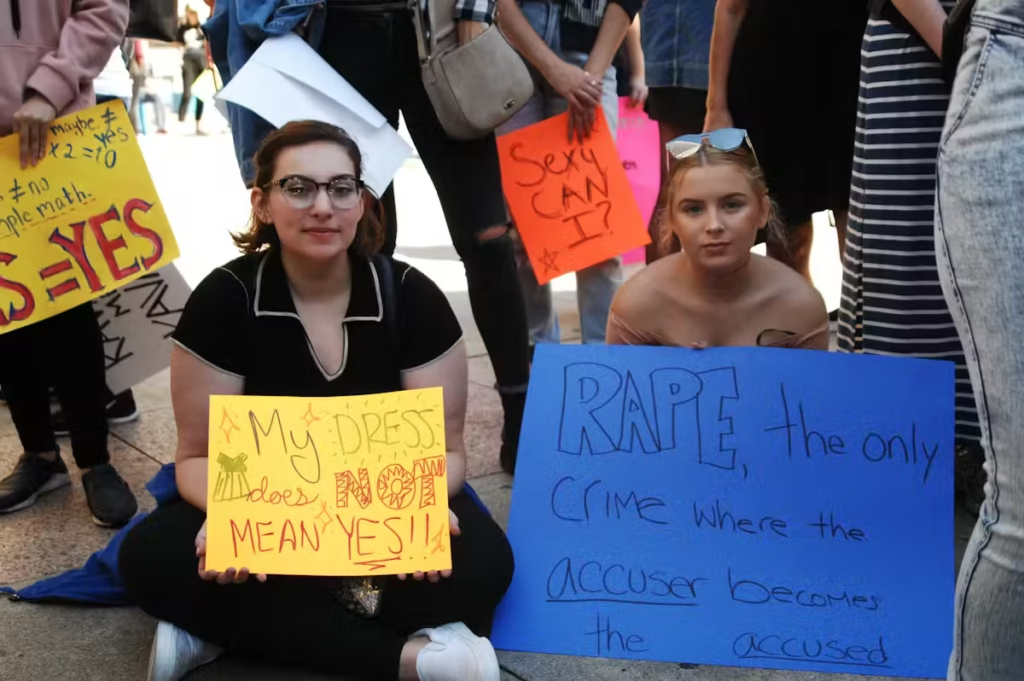
Major news investigations have also highlighted that, in addition to nude photos, at least 43 victims’ names were left unredacted in the material, potentially exposing them to further harm and igniting public backlash. These revelations have prompted questions about the adequacy of the DOJ’s review process and compliance with federal privacy protections.
Why This Matters Now: Public Trust, Justice, and Political Consequences
The controversy over the Epstein file release is about more than redactions — it strikes at the heart of public trust in government institutions. Many Americans, spanning political affiliations, feel betrayed that a process meant to deliver transparency has instead caused additional harm and that important details may still be withheld. Calls for accountability, including impeachment, reflect broader concerns about how justice is pursued at the highest levels of government.
For survivors, families, and advocates, the fallout serves as a painful reminder that the consequences of Epstein’s exploitation continue long after his death. For lawmakers, the issue has become a litmus test for transparency, governance, and institutional responsibility to the public. Whether the impeachment calls gain traction, or whether reforms are enacted to prevent similar failures in future disclosures, the story is far from over — and it remains one of the most closely watched political controversies of 2026.
Subscribe to trusted news sites like USnewsSphere.com for continuous updates.