The Clintons Push for a Public Epstein Hearing as They Prepare to Testify
Hillary and Bill Clinton have agreed to testify in the House Oversight Committee’s investigation into Jeffrey Epstein — but are now demanding the proceedings be publicly broadcast rather than held behind closed doors. This development comes amid mounting political pressure, newly released Epstein files, and sharp partisan debate over accountability and transparency — shaping a major story in American politics and legal controversy.
In the coming weeks, Hillary Clinton is scheduled for a deposition on Feb. 26, with Bill Clinton following on Feb. 27. While both have agreed to answer lawmakers’ questions under oath, Hillary Clinton insists this testimony should be open to the public, challenging House Oversight Chair Rep. James Comer (R-Ky.) to hold a cameras-on hearing instead of the planned closed-door session.
What the Clintons Are Saying — and Why It Matters Now
Hillary Clinton has publicly accused Republicans of “moving the goalposts” after negotiating terms for depositions relating to Epstein. She argues that if the investigation is truly about transparency, then all Americans should be able to hear testimony live, not just lawmakers behind closed doors.
Republicans, however, insist the deposition format was clearly outlined in the subpoenas and that every witness so far — including former officials like Bill Barr and Alex Acosta — has been treated consistently. They’ve made clear they want the testimony taped and transcribed, though not necessarily in a full public hearing.

Why this matters now: This clash highlights broader partisan tensions over congressional oversight, transparency in high-profile investigations, and how far lawmakers can compel testimony from former presidents and first ladies.
The Schedule and Stakes: Depositions Set for Late February
After months of negotiation and delays, both Clintons will appear for questioning before the House Oversight Committee as part of its ongoing probe into Epstein’s network and connections with powerful political figures. Hillary Clinton is set for Feb. 26, and Bill Clinton for Feb. 27.
These appearances mark a rare moment in U.S. history, as former presidents and secretaries of state are typically not called to testify under oath before Congress. The committee has stressed that no criminal charges have been made against the Clintons, but Republicans say answering questions directly is critical for public confidence.
The scheduling follows threats of contempt of Congress votes after initial refusals to comply with earlier subpoenas — underscoring how political friction has shaped this process.
Broader Context: Epstein’s Files and Wider Fallout
The push to hear from the Clintons is part of a larger effort by Congress to gain transparency into the inner workings and associations of convicted sex offender Jeffrey Epstein and his networks. In late January, the Department of Justice released a massive batch of Epstein-related documents, including millions of pages of files, photos, and videos, as mandated by the Epstein Files Transparency Act.
These disclosures have exposed correspondence and interactions involving several high-profile figures, fueling political debate over whether enough has been released and whether powerful elites are being shielded from accountability.
The release has also sparked international interest and reactions abroad, with Epstein’s global links coming under scrutiny in other nations — from politics to culture — illustrating the far-reaching implications of the case.
How Both Parties Are Framing the Debate
Republicans claim the Clintons’ demand for a public hearing is a political tactic aimed at shaping public perception rather than advancing accountability. They continue to emphasize that depositions will be filmed and that transcripts could become public, viewing this approach as sufficient under committee rules.
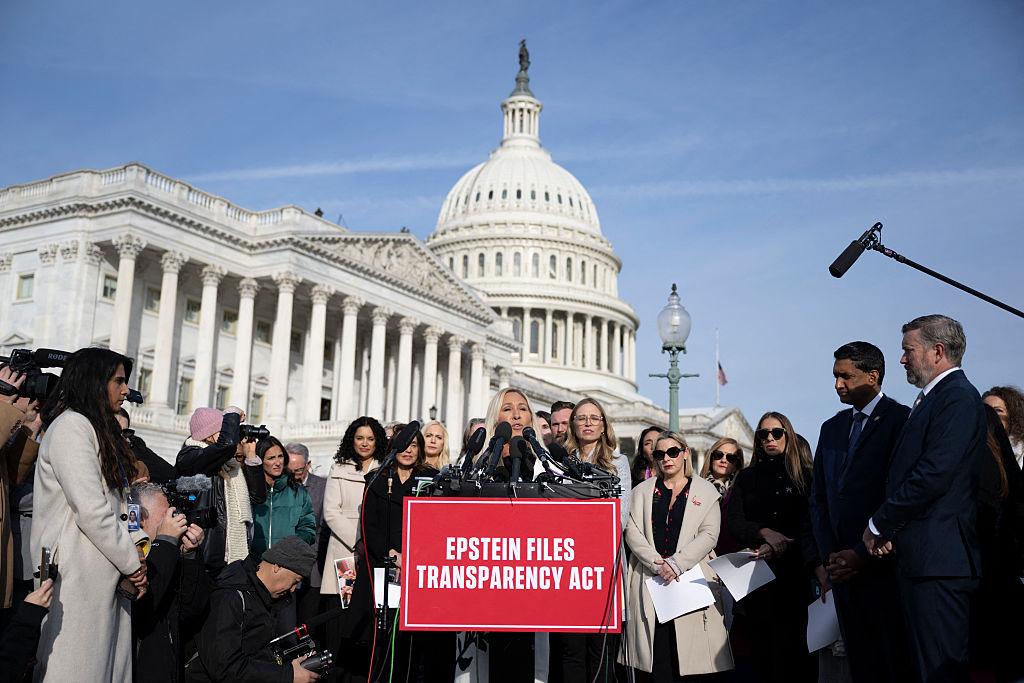
Democrats, while generally supportive of transparency measures, have been split in their response. Some worry that the fight over procedure distracts from the substance of the investigation and potential findings in the newly released files. Others echo Hillary Clinton’s call, saying the public deserves firsthand insight into testimony involving prominent leaders.
The Impact on Public Trust and Future Investigations
If the depositions yield substantive new information about Epstein’s connections with political, cultural, or financial elites, this could reshape public trust in institutions and fuel further investigation into other figures flagged in the Epstein files. The way this process unfolds — whether in closed-door sessions or open hearings — will likely influence how American audiences and global observers perceive Washington’s commitment to transparency and justice.
Why this matters now: With national trust in institutions already strained, the handling and public framing of high-level testimonies play a substantial role in shaping confidence in government accountability mechanisms. As the Clintons press for wider access, the stakes extend beyond partisan politics to questions about oversight, transparency, and fairness in American governance.
Subscribe to trusted news sites like USnewsSphere.com for continuous updates.