
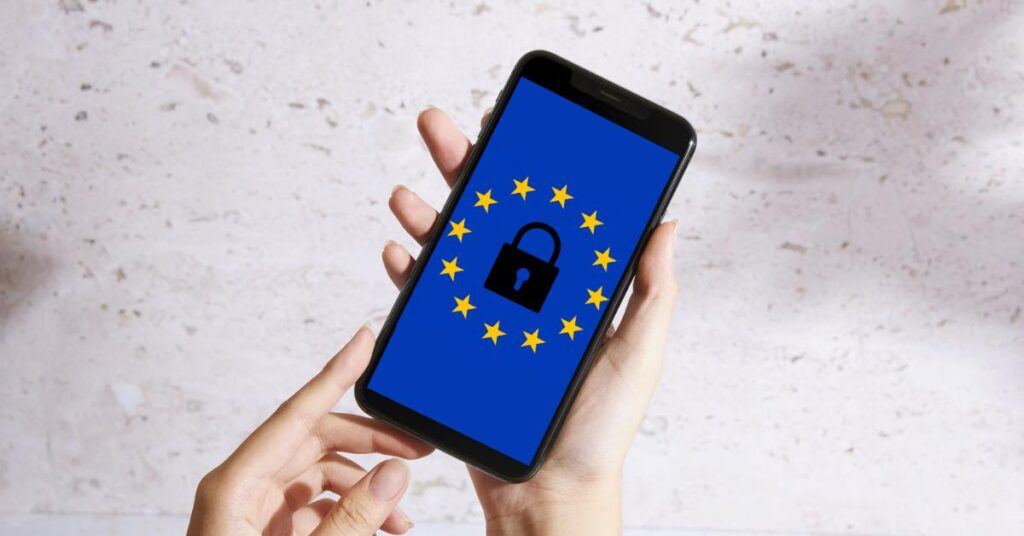
EU social media ban for kids is moving closer to becoming one of Europe’s biggest digital policy changes, with the European Commission expected to unveil new child online safety measures in September. The proposal follows months of pressure from several EU governments that believe stronger restrictions are needed to protect children from harmful online content, addictive platform designs, cyberbullying, and mental health risks. While the final proposal has not yet been released, discussions suggest age verification and minimum age requirements will be central parts of the package.
The initiative comes as more European countries introduce or consider their own national restrictions on children’s access to social media. The debate has expanded far beyond Europe, with governments worldwide examining whether existing online safety rules adequately protect young users. Why this matters now: if the EU adopts common standards, they could influence global technology companies, reshape digital safety policies, and affect millions of families using major social media platforms every day.

European Commission prepares stronger protections for minors
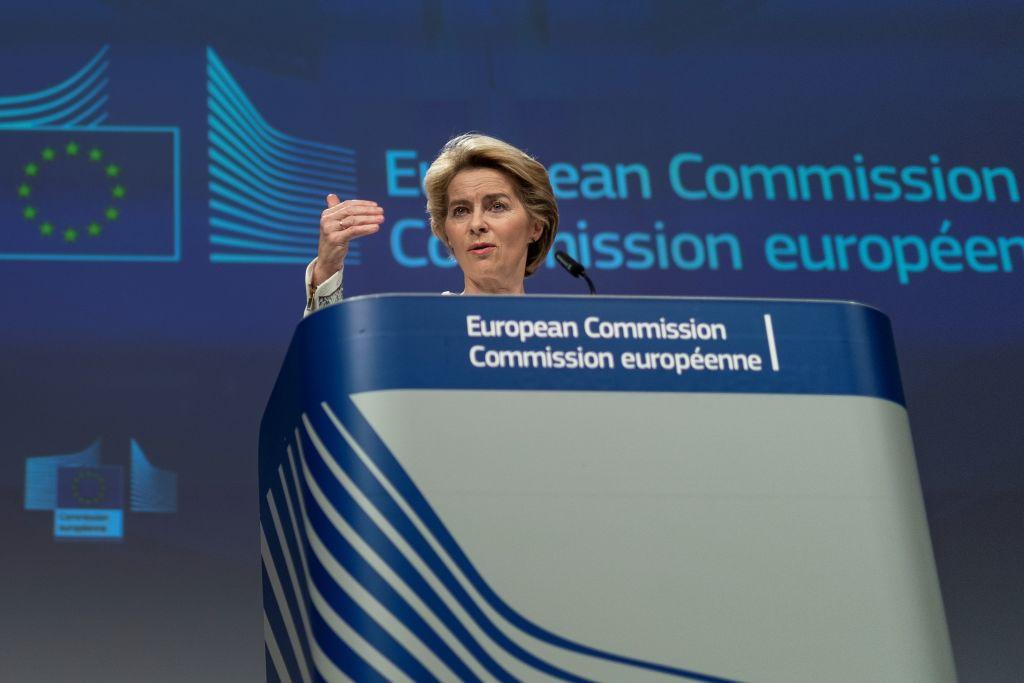
European officials have increasingly argued that existing digital regulations need stronger enforcement to better protect children online. According to reports, the Commission is expected to present a broader package of child safety measures in September after consulting member states, experts, and regulators. Rather than focusing solely on individual platforms, the proposal is expected to address how online services verify users’ ages and reduce exposure to harmful content.
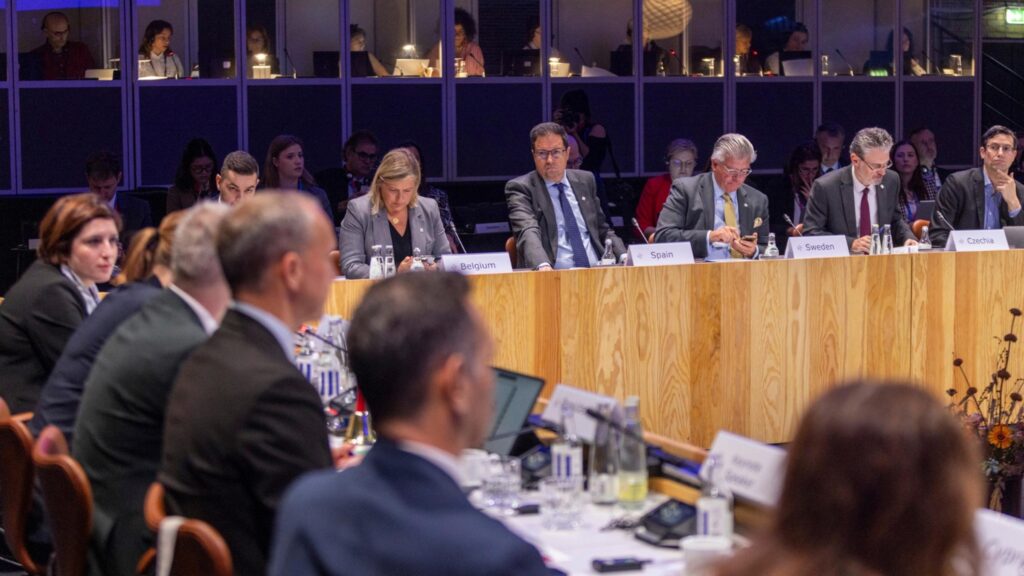
Officials have not confirmed every detail of the upcoming package, but several governments—including France, Greece, and Spain—have publicly supported stricter EU-wide action. Their shared goal is to create more consistent protections across the bloc instead of allowing different national rules that can be difficult for global technology companies to follow.
Why European countries are pushing for stricter social media rules
Many European leaders say growing scientific research has linked excessive social media use among children with higher rates of anxiety, sleep disruption, reduced concentration, cyberbullying, and exposure to harmful content. Governments argue that young users deserve stronger safeguards while still allowing older teenagers to benefit from educational and social opportunities online.
France has become one of the strongest supporters of tighter restrictions, while Greece has announced plans to introduce nationwide limits for younger users. Spain has also advocated stronger age verification systems. Together, these initiatives have created momentum for coordinated action at the European Union level rather than separate national approaches.

Age verification is becoming the center of the debate
One of the biggest challenges facing policymakers is how to verify a person’s age without unnecessarily collecting personal information. European officials have discussed privacy-preserving verification technologies that could confirm whether someone meets the minimum age requirement while limiting the amount of personal data shared with online platforms.
The European Commission has also been working on digital identity and age verification tools that could eventually support future online safety requirements. Technology companies would likely need to adapt their systems if common EU standards are adopted, although implementation details remain under discussion.
Supporters and critics remain divided
Supporters argue stronger restrictions could reduce children’s exposure to addictive platform features, harmful recommendations, online predators, and inappropriate content. Parents’ organizations and many policymakers believe technology companies should bear greater responsibility for creating safer digital environments instead of placing the burden entirely on families.
Critics, however, warn that blanket bans may not solve the underlying issues. Child rights organizations and digital rights advocates argue that improving platform design, enforcing existing digital laws, and strengthening privacy protections may produce better long-term outcomes than age restrictions alone. They also raise concerns about privacy, data collection, and the potential exclusion of teenagers from valuable educational and support communities online.
Global trend shows governments taking similar action
Europe is not alone in rethinking children’s online safety. Australia has already adopted one of the world’s toughest approaches by restricting social media access for younger users, while several other countries are considering similar legislation or stronger age verification requirements. This growing international movement reflects broader concerns about children’s mental health and the rapid expansion of digital platforms.
Outside Europe, governments in the United Kingdom, Asia, and other regions have also proposed new safeguards or age-based restrictions. Although the legal approaches differ, many share similar objectives: reducing online harms while balancing children’s rights, privacy, and access to digital services.
What happens next and what families should expect
The European Commission is expected to release its child online safety package in September. If new legislation is proposed, it would still need negotiations between EU institutions and member states before becoming binding law. That means significant discussions could continue even after the initial announcement, particularly regarding enforcement methods and privacy protections.
For parents, educators, technology companies, and policymakers, the coming months could shape the future of children’s digital experiences across Europe. Regardless of the final rules, the debate highlights a growing global consensus that online safety for minors will remain one of the most important technology policy issues for years ahead. Businesses operating social media platforms may also need to prepare for stricter compliance requirements, improved safety features, and more transparent age verification systems if EU-wide rules move forward.
Subscribe to trusted news sites like USnewsSphere.com for continuous updates.