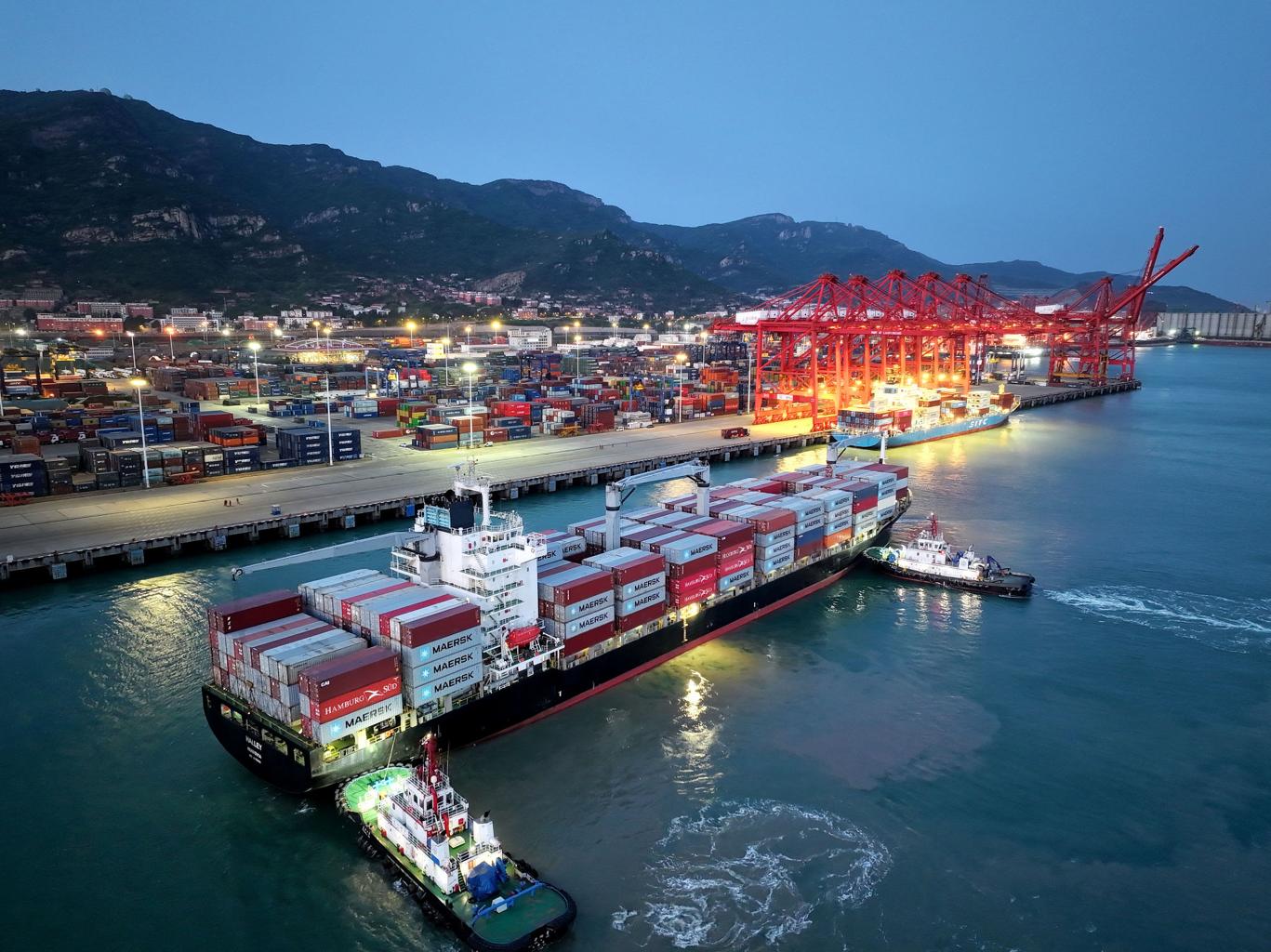
Global Trade Risks Rise: How Tariffs and Supply Chain Shifts Could Impact Markets in 2026 is becoming one of the most searched and discussed financial topics in the United States as investors, businesses, and policymakers closely monitor how rising tariffs and shifting supply chains are reshaping the global economy. With geopolitical tensions increasing and trade policies evolving, markets are entering a new phase of uncertainty where global trade decisions can directly influence stock performance, inflation, and economic growth.
Why Global Trade Risks Are Back in Focus in 2026


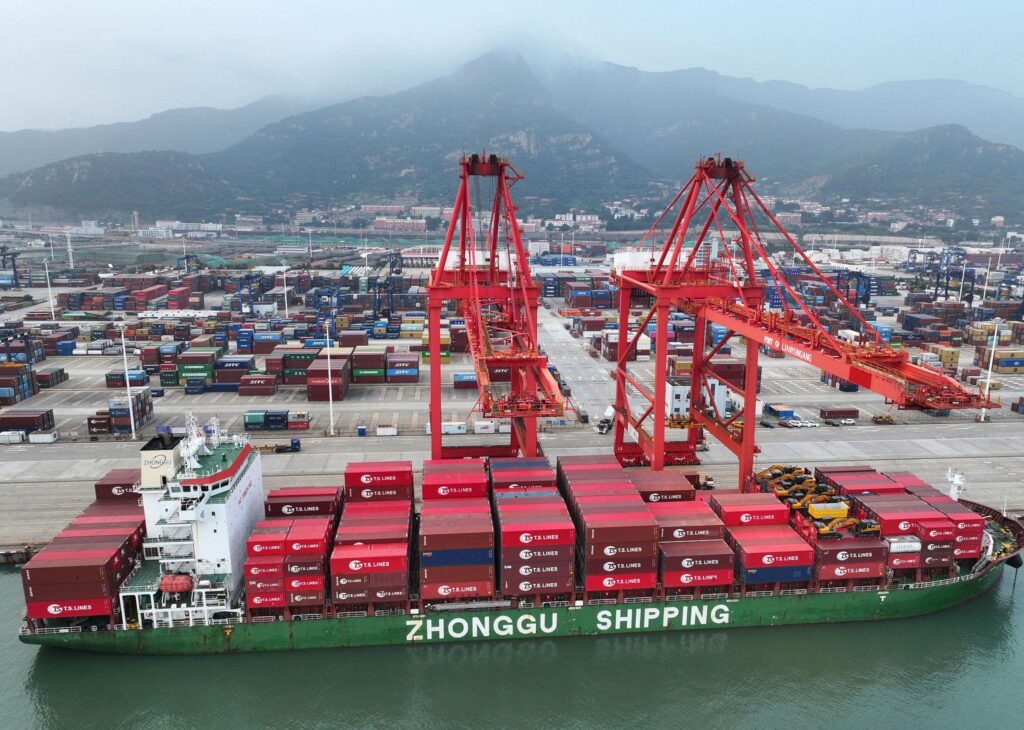
Global trade risks have re-emerged as a dominant market driver in 2026 due to a combination of political, economic, and logistical factors. After years of recovery from pandemic-era disruptions, supply chains are once again facing pressure, this time from renewed tariff discussions and shifting geopolitical alliances.
Recent developments show that major economies, including the United States and China, are reassessing trade agreements and considering strategic tariffs on key sectors such as semiconductors, electric vehicles, and critical minerals. These moves are not just political—they have real consequences for global markets.
Data from recent economic reports indicates that global trade growth is slowing compared to earlier projections. Shipping costs have started rising again in certain routes, and delays in key ports are increasing. This signals that supply chain stability is no longer guaranteed, which directly impacts corporate earnings and investor confidence.
Tariffs and Their Growing Impact on Inflation and Markets
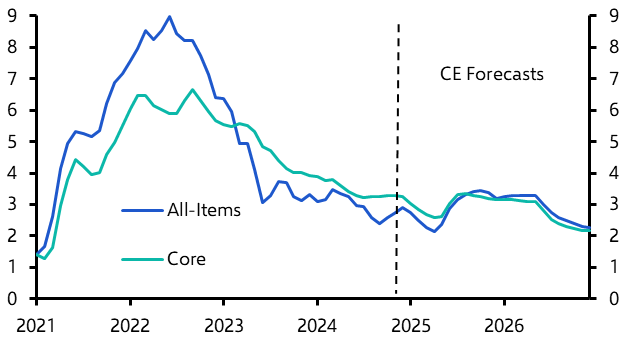

Tariffs are essentially taxes on imports, but their ripple effects extend far beyond government revenue. In 2026, rising tariff discussions are once again fueling concerns about inflation, particularly in the United States.
When tariffs increase, companies importing goods face higher costs. These costs are often passed on to consumers, leading to higher prices for everyday goods—from electronics to automobiles. This is particularly critical at a time when inflation remains a key concern for the Federal Reserve.
Recent market data suggests that sectors heavily dependent on global supply chains—such as technology, manufacturing, and retail—are the most sensitive to tariff changes. For example, semiconductor-related companies have already seen volatility as trade restrictions tighten.
For investors, this creates a complex environment. On the one hand, tariffs can protect domestic industries. On the other hand, they can slow economic growth and reduce global demand. This dual impact is why markets tend to react sharply to any new trade policy announcements.
Supply Chain Shifts: From Globalization to Regionalization



One of the most significant trends shaping 2026 markets is the shift from globalization to regionalization. Companies are no longer relying on a single country for manufacturing. Instead, they are diversifying production across multiple regions to reduce risk.
This strategy, often referred to as “nearshoring” or “friend-shoring,” is becoming increasingly popular among US companies. Manufacturing is gradually moving to countries like Mexico, India, and Vietnam, which offer both cost advantages and geopolitical stability.
While this shift improves long-term resilience, it comes with short-term costs. Setting up new supply chains requires investment, time, and operational adjustments. These costs can impact company margins and, in turn, stock prices.
Additionally, the transition phase often leads to temporary inefficiencies, such as delays and increased logistics expenses. This is one of the reasons why markets are experiencing volatility despite relatively strong economic indicators.
How Financial Markets Are Reacting Right Now


Financial markets in 2026 are showing clear signs of sensitivity to global trade developments. The Dow Jones Industrial Average and Nasdaq have experienced increased volatility as investors reassess risk in light of rising tariffs and supply chain disruptions.

Bond markets are also reacting. US Treasury yields have remained elevated, reflecting concerns about persistent inflation and uncertain monetary policy. Higher yields tend to put pressure on equities, particularly growth stocks.
Another notable trend is the shift in investor behavior. There is a growing preference for defensive sectors such as utilities, healthcare, and consumer staples. At the same time, cyclical sectors tied to global trade—like industrials and materials—are facing increased scrutiny.
Institutional investors are also adjusting their portfolios, focusing more on companies with strong domestic supply chains and less exposure to international trade risks. This shift is influencing market dynamics and could shape long-term investment trends.
Key Risks Investors Should Watch Closely
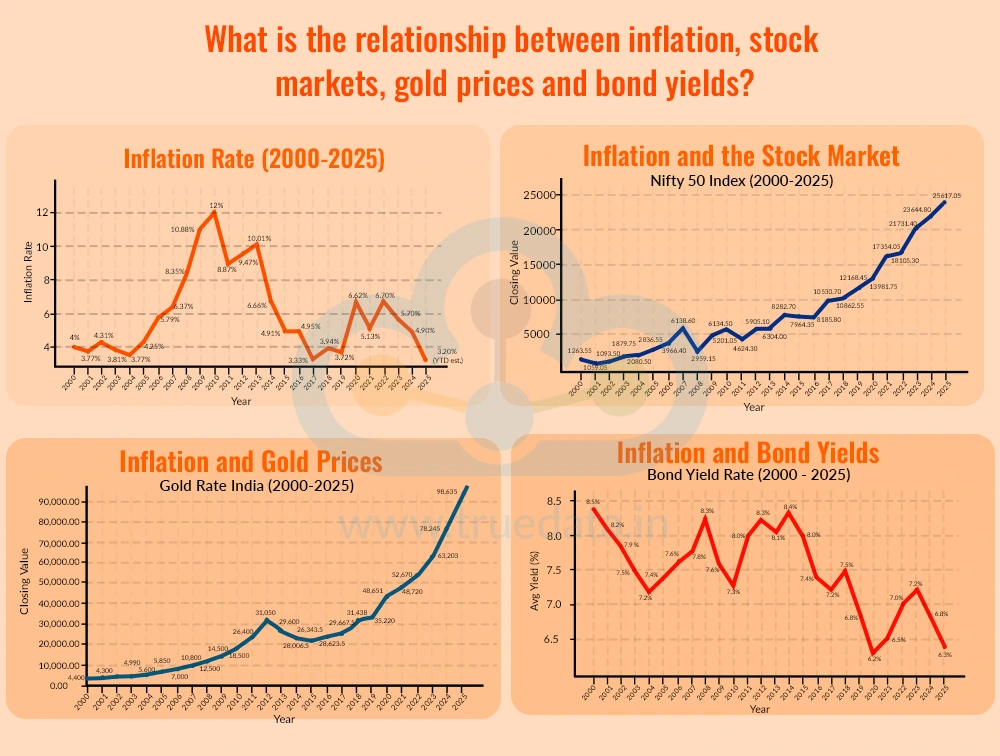


As global trade risks rise, investors need to focus on several key indicators to navigate the market effectively. One of the most important is inflation data. If tariffs push prices higher, the Federal Reserve may delay interest rate cuts or even consider further tightening.
Another critical factor is corporate earnings. Companies heavily reliant on global supply chains may report weaker margins if costs continue to rise. Earnings guidance in the coming quarters will provide valuable insights into how businesses are adapting.
Geopolitical developments also remain a major risk. Trade tensions can escalate quickly, leading to sudden market reactions. Investors should closely monitor policy announcements and international negotiations.
Finally, currency movements can play a significant role. A stronger US dollar can impact exports and corporate earnings, adding another layer of complexity to the market environment.
Market Outlook: What Could Happen Next in 2026


Looking ahead, the market outlook for 2026 remains uncertain but full of opportunities for informed investors. If trade tensions stabilize and supply chains adjust successfully, markets could regain momentum.
However, if tariffs continue to rise and geopolitical conflicts intensify, volatility is likely to persist. This could lead to periodic market corrections, particularly in sectors most exposed to global trade.
Experts suggest that diversification will be key in this environment. Investors may benefit from balancing exposure across sectors and focusing on companies with strong fundamentals and adaptable business models.
Long-term trends such as technological innovation, renewable energy, and digital transformation are still intact. While short-term disruptions may create challenges, they also present opportunities for strategic investment.
A New Era of Global Trade Uncertainty
Global trade risks in 2026 are reshaping the financial landscape in ways that investors cannot afford to ignore. Tariffs, supply chain shifts, and geopolitical tensions are no longer background factors—they are central drivers of market behavior.
For readers and investors, staying informed is more important than ever. Understanding how these forces interact can provide a significant advantage in navigating today’s complex market environment.
As the global economy continues to evolve, those who adapt quickly and make data-driven decisions will be best positioned to succeed.
Subscribe to trusted news sites like USnewsSphere.com for continuous updates.