Supreme Court Strikes Down Trump Tariffs in Historic Ruling — What It Means for U.S. Trade Policy
The U.S. Supreme Court ruled that former President Donald Trump did not have legal authority to impose sweeping global tariffs under emergency powers, forcing a major shift in American trade policy and triggering political and economic impacts at home and abroad.
Why This Matters Now
The decision comes at a crucial moment in U.S.–global economic relations. It directly affects over $175 billion in tariff revenue subject to potential refunds, reshapes how future tariffs can be imposed, influences global markets, and raises questions about executive vs. congressional authority in trade matters.
Supreme Court Says President Exceeded Authority
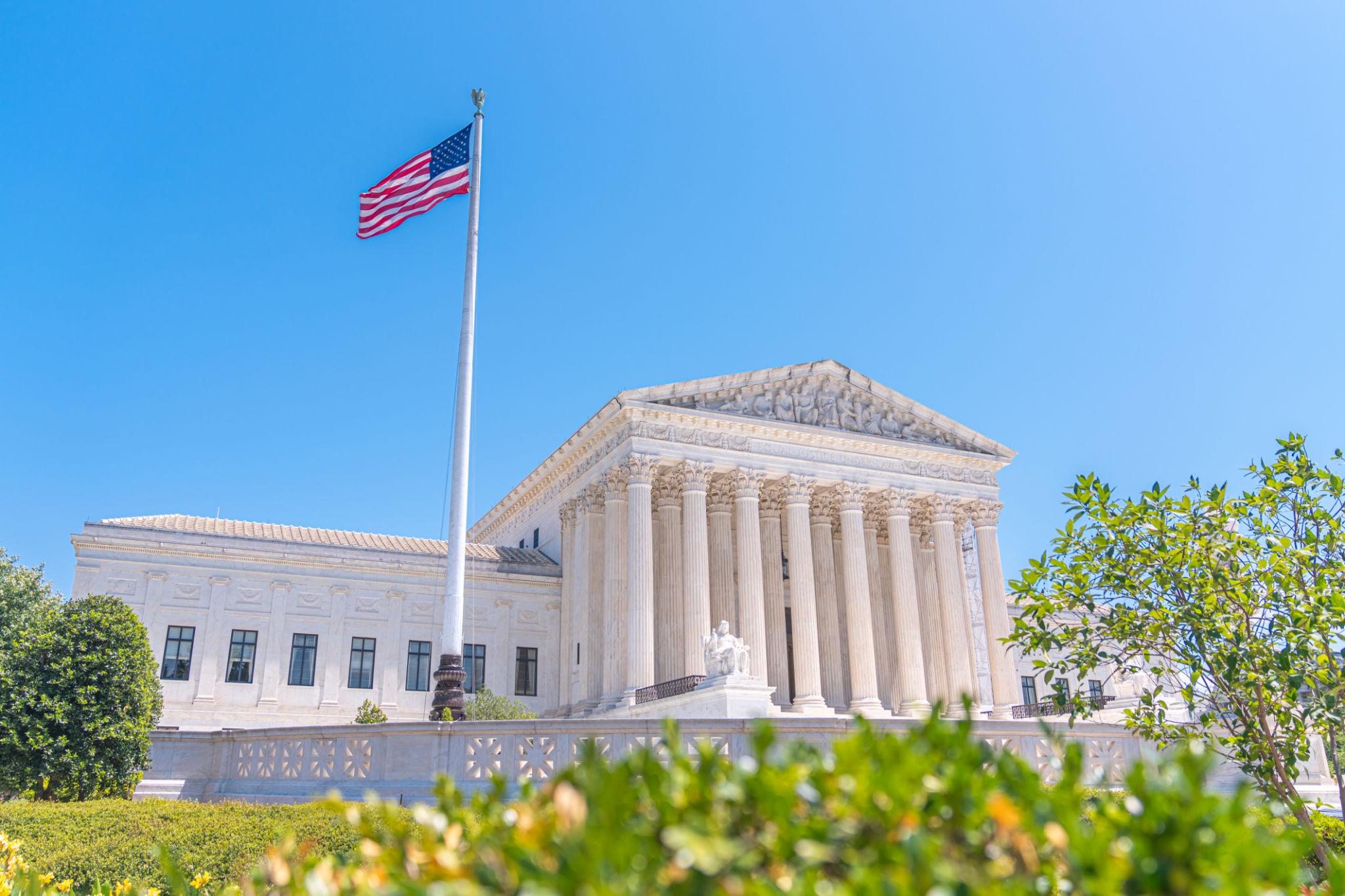
In a 6-3 decision on February 20, 2026, the Supreme Court ruled that the International Emergency Economic Powers Act (IEEPA) does not give the president the legal power to impose broad tariffs on imports. Chief Justice John Roberts wrote that although IEEPA lets presidents regulate trade during emergencies, it does not authorize tariffs or duties, which are powers traditionally held by Congress.
The Court emphasized that trade decisions of great economic and political importance require clear congressional approval, referencing the “major questions doctrine,” which stops presidents from making vast policy choices without explicit legislative authorization.
While the Trump administration argued that national emergency law justified its actions, the justices determined that tariff powers and taxes remain constitutionally reserved for Congress, not the executive branch.
Immediate Fallout: Refunds, Markets, and Politics
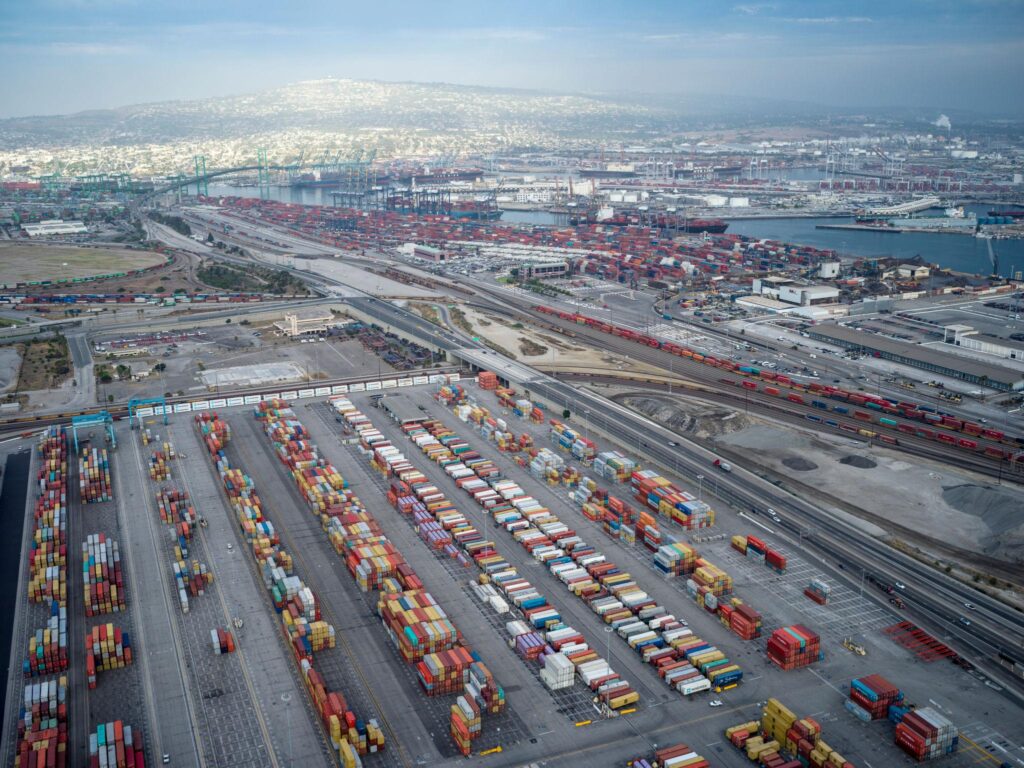
Economists estimate that more than $175 billion collected through Trump’s tariffs could now be subject to competing legal battles and refunds to importers, a process experts say could take years.
Financial markets reacted swiftly, with Canadian stock indexes rising after the decision, as investors anticipated changes in economic flows tied to U.S. trade.
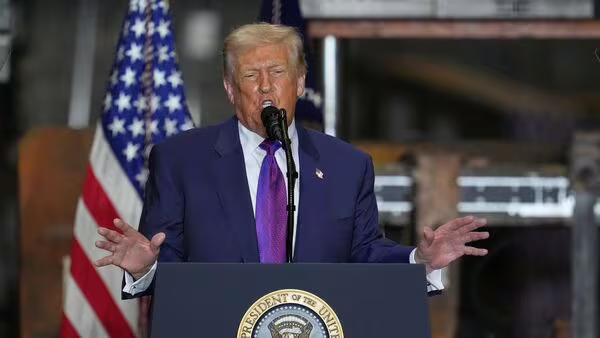
Politically, the ruling has triggered sharp criticism from Trump and added fuel to debates over executive power limits. Trump labeled the decision “extraordinarily anti-American” and has since vowed new tariff measures under different statutes, frustrating critics and complicating trade predictability.

Trump’s Response and New Tariff Plans
Despite the loss, Trump announced plans to impose new tariffs. On social media and in press comments, he pledged to raise global tariffs from 10% to 15% on imports, invoking Section 122 of the Trade Act of 1974, which allows temporary tariffs for 150 days without congressional approval.
This move highlights a broader strategy by the administration to continue trade protection efforts, even after legal setbacks. However, the use of Section 122 — a rarely used statute — may face further constitutional questions or challenges in future courts.
Business and Industry Reactions
Industry leaders welcomed the Supreme Court’s ruling, expressing hope that the decision restores predictability and legal clarity for companies hurt by tariff uncertainty. Retail and manufacturing associations noted that while tariffs can be debated as policy tools, the rule of law and stable policy are crucial for planning and investment decisions.
Some groups emphasized that even though the legal basis for the tariffs was thrown out, the administration’s new approaches could keep tariff levels similar, just under different legal tools — a nuance businesses must navigate carefully.
Ripple Effects on Global Trade Partners
The Supreme Court decision carries global implications. Several nations, including prominent trading partners like India, Canada, South Korea, and EU members, are closely monitoring outcomes and assessing economic impacts. Governments are studying how U.S. trade policy shifts could affect existing trade deals, import duties, and supply chains.
For exporters in India, the ruling was broadly welcomed by industry groups, with significant export sectors likely relieved that tariffs imposed under questionable authority may not stand long-term. However, national security-based tariffs still remain a potential area of dispute.
Constitutional and Legal Landscape
Legal analysts say this ruling reasserts congressional authority over trade policy and implies that future presidents must seek clear legislative backing to enforce broad tariff measures. This has wider implications beyond this specific case: executive power claims in economic policy may face increased judicial scrutiny.
The decision also marks one of the Supreme Court’s more significant limits placed on executive power in recent years, contrasting with earlier rulings that often favored broad presidential authority.
What Happens Next?
Even with the Supreme Court ruling, tariffs remain a focal point of U.S. economic strategy, and legal and political battles over authority and trade tools are likely to continue. For the global economy, clarity on tariff laws and mechanisms will remain central to stability in international trade and investment.
Subscribe to trusted news sites like USnewsSphere.com for continuous updates.