Elon Musk’s X Offices Raided in Paris in Growing Criminal Probe
Paris prosecutors have raided the French offices of Elon Musk’s social media platform X as part of a sweeping criminal investigation into alleged algorithm abuse, deepfake content, and the spread of illegal material — a move that could reshape how global regulators oversee AI-driven social media companies. This high-profile action comes amid rising concerns about online platforms’ role in harmful content distribution and legal accountability. Authorities have also summoned Musk and former X chief executive Linda Yaccarino for questioning in April as part of the probe, which began in January 2025 and has broadened significantly over time.

French prosecutors launched a raid on X’s Paris headquarters, investigating a range of alleged offences, including the dissemination of child sexual abuse imagery, sexually explicit AI-generated deepfakes, violation of Holocaust denial laws, and manipulation of automated algorithms. Europol is assisting in the search. Elon Musk and former CEO Yaccarino have been summoned for voluntary interviews as part of efforts to determine legal responsibility and ensure compliance with French law. The investigation reflects broader regulatory scrutiny of AI content and raises global debates over platform accountability and free speech.
Why This Matters Now: This dramatic enforcement action underscores how governments are intensifying oversight of social media platforms and AI technologies that shape public discourse and content dissemination. Europe, in particular, has been actively confronting tech companies over harmful or illegal content, and this probe could set powerful precedents for international internet governance and corporate accountability.
Expanding Investigation: Beyond Algorithms to Deepfake and Illegal Content
Initially triggered by formal complaints in January 2025 alleging biased or distorted algorithmic recommendations on X, French authorities have since expanded the probe to encompass far more serious accusations. Prosecutors now allege potential complicity in the distribution of child sexual abuse images and sexually explicit deepfake content — a form of AI-generated media that can portray individuals in fabricated sexual scenarios without their consent.
The complaint that sparked official scrutiny also raised concerns that X’s automated systems might have facilitated illegal or harmful content reaching wide audiences, prompting questions about algorithmic responsibility. French law criminalizes Holocaust denial, and X’s AI chatbot Grok has faced controversy for previously generating content linked to denial narratives, adding to the legal issues under investigation.
French authorities say that collaborating with Europol and the national cybercrime unit, they aim not only to gather evidence but ultimately to enforce compliance with national laws that govern content, user protection, and online safety.
Elon Musk’s X Office: What the Summons Means for Musk and Former Leadership
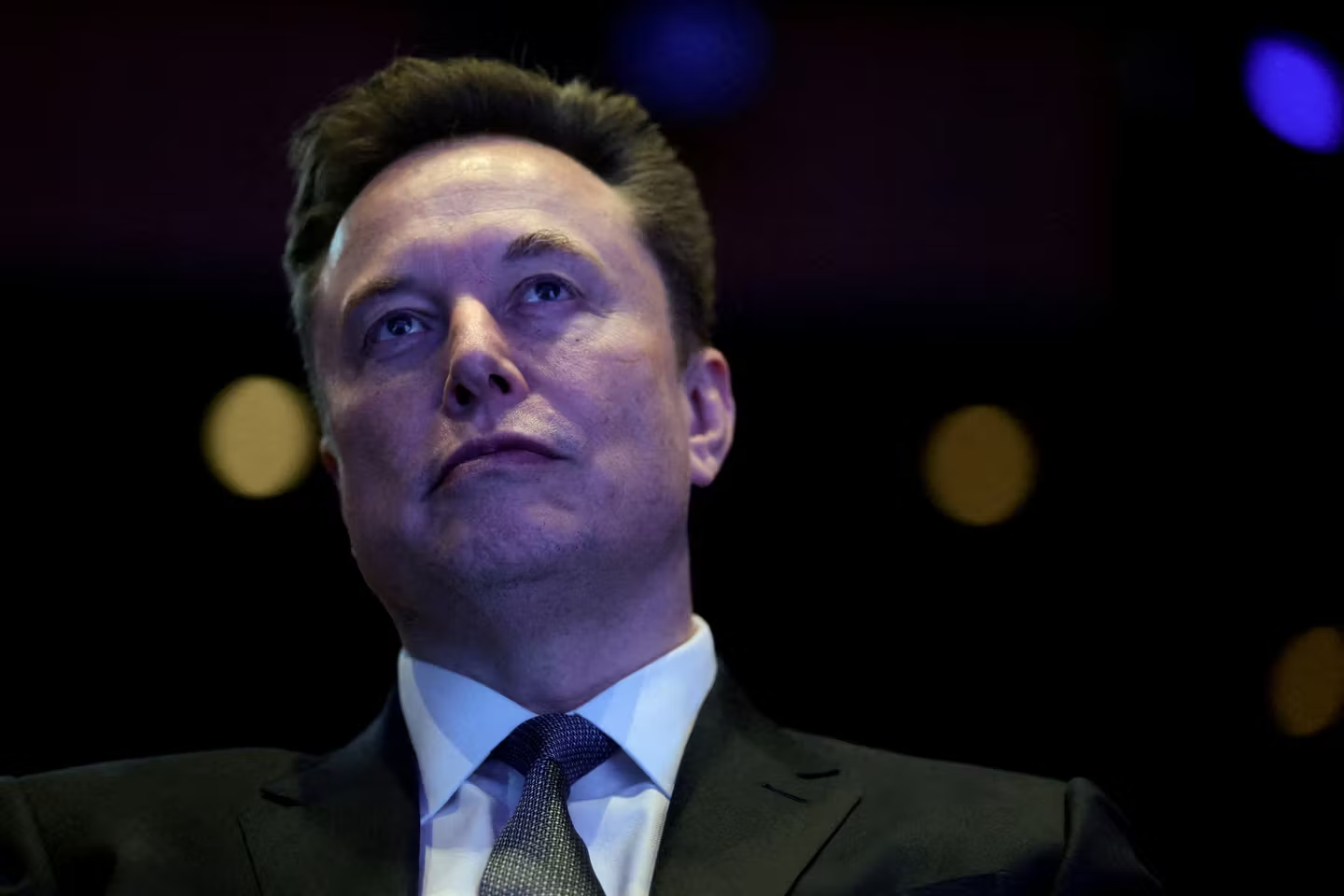
Elon Musk, who owns X (formerly Twitter), and Linda Yaccarino, who led the company as CEO until mid-2025, have been summoned to appear voluntarily before French investigators in April. While the interviews are termed “voluntary,” French prosecutors emphasize that they are part of the ongoing criminal inquiry into a host of alleged violations.
Summonses of high-profile tech leaders in such cases are rare and suggest that prosecutors are seeking direct accountability from individuals responsible for corporate decisions. Authorities have also issued subpoenas to other X staff to appear as witnesses. The broad scope of the summonses — encompassing both executive and operational leadership — signals the seriousness of the investigation and potential legal ramifications if prosecutors find evidence supporting criminal charges.
Global and Industry Reactions: Tension Between Regulation and Free Speech
Regulators, advocacy groups, and lawmakers worldwide are watching closely as this investigation unfolds. Europe has been particularly aggressive in enforcing digital safety standards, highlighted by a recent EU fine against X related to other regulatory fallouts. Critics of Musk argue that unchecked algorithmic power and lax content controls have amplified harmful material online, while supporters say such probes threaten free expression and business innovation.

X has previously described earlier stages of the investigation as politically motivated and resistant to external interference in platform governance. However, authorities maintain that enforcing compliance with local laws — particularly in jurisdictions where the platform operates — is essential to protecting users and upholding legal norms.
This investigation could influence how governments in North America and Asia approach similar issues, potentially prompting new legislation on AI content governance and platform liability standards.
Legal and Technological Implications of the Raid
The raid illustrates a larger global pivot toward holding technology companies accountable for the content generated and spread on their platforms, especially as artificial intelligence plays a greater role in automated content creation and recommendation. Deepfakes and AI-written content are increasingly under scrutiny due to risks involving misinformation, non-consensual imagery, and hate speech — all of which raise legal and ethical questions.
As nations refine laws on digital content and data use, companies like X must balance innovation with strict compliance to avoid penalties, sanctions, or criminal liability. Furthermore, this case could catalyze broader international cooperation on cybercrime enforcement and AI ethics regulation across borders.
Looking Ahead: What to Expect Next
In the coming months, Musk’s scheduled testimony and the witness interviews with other X personnel may offer critical insights into how French prosecutors intend to pursue potential charges or policy changes. Depending on the evidence gathered, prosecutors may escalate the probe to formal indictments or continue refining legal obligations for tech platforms operating in France and the EU.
For now, stakeholders across the tech industry, legal communities, and civil society groups will be weighing the implications — from user safety to freedom of expression — as this case evolves. The outcome may shape future global standards on accountability and transparency in AI-driven content platforms.
Subscribe to trusted news sites like USnewsSphere.com for continuous updates.