
China programmer death overwork has ignited a global outcry after a 32-year-old software engineer in Guangzhou collapsed and died while working, continued receiving work messages even in the hospital, and even got added to a work group chat after he had passed away. The shocking circumstances have raised urgent questions around workplace culture, employee wellbeing, and how modern communication tools may push pressure far beyond reasonable hours.
Unbearable Demands: The Life and Death of a China Programmer
Gao Guanghui, a 32-year-old programmer from Guangdong province, China, collapsed at his home on a Saturday after working intensely on tasks that were due after the weekend, his family said. Emergency responders rushed him to the hospital, where doctors fought to save his life, but he was pronounced dead early that afternoon.
What has stunned people around the world is not only his death but what happened next: while he was in critical condition and being treated in the ICU, he was added to a new work group chat on WeChat, the popular messaging platform used by many Chinese companies to coordinate tasks. According to family accounts shared publicly, colleagues continued to send work-related instructions even as his medical crisis unfolded, and messages reportedly addressed urgent tasks hours after life support efforts had ended.
A Career Pushed Past Limits
Gao reportedly worked as a middle-level manager and software developer for a major tech company, handling not just coding tasks but client support, management duties, and sales coordination — often shouldering the responsibilities of several people due to manpower shortages in his department. Friends and family describe him as dedicated, frequently rolling into work early and returning home late into the night.
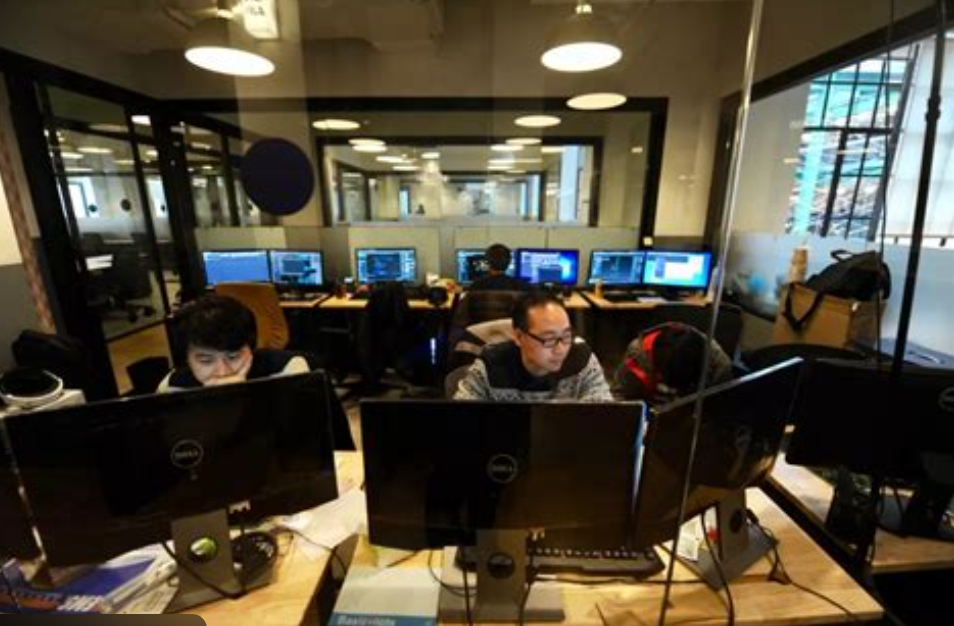
His wife noted he often left for work by 7 a.m., came home around 11 p.m., and slept just six to seven hours a night. Even if this sounds long by Western standards, many observers point out that in parts of China’s tech sector, a “996 style” culture — working 9 a.m. to 9 p.m., six days a week — has been widely criticized for pushing employees toward burnout and serious health risks.
Blame, Workplace Culture, and Public Reaction
The case has triggered massive discussion on Chinese social media and beyond, with commentators pointing to an “always-on” workplace culture enabling overwork and blurred lines between personal life and professional duties. Gao’s family has applied for work-related injury recognition with local labour authorities, hoping the tragic outcome will be officially linked to the heavy workload he endured.
Public reactions have ranged from sympathy and outrage to calls for companies to rethink communication norms — especially when tools like group chats can push work demands into moments traditionally reserved for rest, family, or even life-or-death situations. Some users highlighted how an urgent work message arriving after death symbolizes a deeply rooted problem where technology accelerates expectations without regard for human limits.
Why This Matters Now
This event is not just about one tragic loss; it surfaces broader issues in global work culture at a moment when workplace stress and mental health are rising concerns everywhere. Tech industries in many countries, including China, have been grappling with how to balance growth and innovation with sustainable employee practices. Many analysts argue that workplace communication tools, while boosting productivity, may also erode boundaries that protect workers from harmful levels of stress.
His death comes amid wider debates about excessive workloads, overtime expectations, and how legal protections should evolve in the digital age. Labour lawyers and health professionals have pointed out that labeling such deaths as “overwork-related” often brings attention to systemic problems, pressuring companies and governments to rethink policies that allow extreme schedules without sufficient safeguards.
Impact on Tech Workforce Policies
In practical terms, this incident could push companies in China and abroad to adopt clearer rules about after-hours communication, mandatory rest periods, and explicit protections against burnout. Employee advocates are urging clearer limits on work messaging tools, compensation for overtime, and respect for personal time.
For the wider public, the story serves as a stark reminder that modern workplaces must balance efficiency with human well-being. Otherwise, the risks of burnout — both physical and psychological — will continue to cost lives and undermine workforce sustainability.
What Comes Next?
Authorities in China are reviewing the family’s compensation claim, and the debate over work norms continues. While some reforms have been discussed in recent years, activists say this tragedy underscores how much more needs to be done to ensure workers aren’t driven to extreme stress by workplace demands.
This event may also influence international conversations about healthy work-life balance, regulatory protections, and the human cost behind economic productivity metrics — making it a pivotal case for labour rights advocates and corporate policymakers alike.
The Chinese programmer’s death overwork story resonates far beyond one individual’s life. It challenges how companies, governments, and societies value human well-being in a fast-paced digital world. With work messages continuing even in his final hours, Gao’s case has become a potent symbol for why boundaries matter — and why change, now, is urgent.
Subscribe to trusted news sites like USnewsSphere.com for continuous updates.
[USnewsSphere.com / nyt]