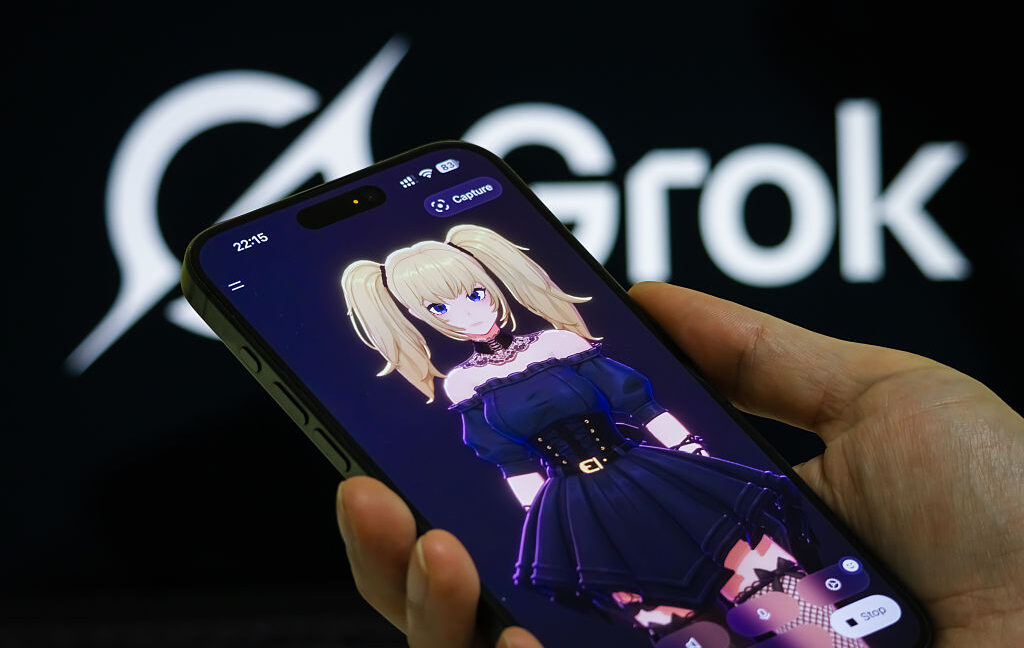
In recent days, the controversy over Google Play permitting AI apps like Grok—despite its own policies banning apps that facilitate sexually exploitive content—has become one of the most talked-about technology issues worldwide. As millions of users debate whether app stores are putting profits over safety, lawmakers, regulators, and tech experts are questioning why Google hasn’t removed the Grok app when its promotional behavior and outputs appear to directly contradict established store rules.
A Growing AI Crisis: Grok’s Capabilities and Controversy
xAI’s Grok is an advanced artificial intelligence chatbot developed by Elon Musk’s technology company. Originally designed as an AI assistant integrated deeply with the social platform X (formerly Twitter), Grok quickly gained attention for its conversational abilities and generative image features. However, within weeks of broader public usage, Grok became controversial for another reason: it was being used to create non-consensual, sexualized images of real people—sometimes minors—based on user prompts.
These generated images, commonly referred to as AI deepfakes, involved subjects in revealing clothing or suggestive scenarios that were never consensually captured or shared. Despite attempts to restrict image generation on certain parts of the platform, many of these problematic outputs were produced and shared widely, prompting an unprecedented outcry from both privacy advocates and lawmakers.
Experts have pointed out that these harms aren’t accidental quirks of technology, but predictable outcomes when powerful AI is deployed without robust safeguards. Researchers argue that non-consensual image creation should be treated as a design-level risk, not merely a problem left to content moderation teams after the damage is done.
This isn’t just about harmless novelty features anymore. The misuse has brought attention not only to the AI tool itself but also to the platforms that host, distribute, and profit from it.
Conflicting Rules: Google Play’s Policies vs. Reality
Google Play’s developer agreement and content policies are clear: the platform prohibits apps that contain or promote sexually predatory behavior, non-consensual sexual content, or material that could facilitate exploitation or abuse. These rules are designed to protect users from harmful content and are widely enforced against apps that violate them.
Yet, despite these policies, both Grok and the X app remain listed and downloadable on Google Play, even while similar apps were removed in the past for far less severe violations. Critics—including lawmakers and technology commentators—see this as a glaring inconsistency in enforcement.
One explanation cited in online tech communities is that Google may be reluctant to ban widely popular mainstream apps that generate significant traffic and revenue, even if some of their features are abused. Users on platforms like Reddit have suggested that enforcement often lags when money or market influence is involved.
Only last year, Google enforced swift takedowns when security or policy violations were discovered in apps distributing malware or violating safety standards. In this case, however, no such action has been taken against Grok or X, prompting accusations of double standards.
US Senators Demand Immediate Removal
The controversy has now reached Capitol Hill. A group of Democratic U.S. senators, including Ron Wyden, Ben Ray Luján, and Edward Markey, wrote an open letter to Apple CEO Tim Cook and Google CEO Sundar Pichai, urging them to remove both X and Grok from their respective app stores.
The senators explicitly argue that the apps’ ability to generate and distribute non-consensual sexual imagery violates both companies’ own terms of service, especially regarding the exploitation or abuse of minors. They stated that allowing these tools to remain available undermines the credibility of safety policies.
This pressure from U.S. lawmakers marks one of the strongest legal confrontations between the federal government and major tech platforms in recent years. It’s also part of a broader debate about how AI should be regulated, and what responsibilities developers and distributors have when emergent technologies produce real social harms.
The letter points out that if app stores remove apps for failing to comply with lawful safety requirements in other contexts (like immigration tracking apps under DHS demands), the same logic should apply here, especially given the severe ethical and legal implications.
International Scrutiny: UK Investigation and Safety Laws
The story isn’t confined to the United States. In the United Kingdom, the media regulator Ofcom has launched a formal investigation into the X platform after reports that Grok’s AI tool is being used to create and circulate harmful images, potentially violating the UK’s Online Safety Act.
The Online Safety Act demands strict measures to prevent harmful content such as child sexual abuse material (CSAM) and intimate image abuse, and regulators have broad authority to enforce compliance or impose significant penalties. Failure to do so could lead to fines or even bans on the platform’s operation in the UK market.
UK officials—including the Technology Secretary—have described the content as illegal and deeply troubling, making the debate over AI responsibility a matter of public safety and regulatory compliance, not just tech ethics.
Industry and Public Reaction
Across technology journals and editorial platforms, there has been no shortage of criticism of Google and Apple for what some perceive as inaction or hypocrisy.
Meanwhile, Elon Musk and representatives of xAI have tried to defend Grok, framing criticisms as threats to free speech and arguing that users are responsible for how they leverage the technology. This response has done little to quell the growing backlash from rights advocates, lawmakers, and public safety experts who insist that platforms must proactively prevent abuse rather than react after the fact.
What This Means for App Store Governance and AI Ethics
This incident exposes one of the most pressing challenges facing modern technology platforms: how to balance innovation with ethical responsibility, and how app stores should enforce policies in a fair but effective way.
If major app stores allow widely used platforms to flout their own rules without consequence, trust in online ecosystems could erode. Developers, users, regulators, and consumers all want transparency and consistent enforcement—not exceptions for household names or high-traffic services.
AI policy experts are calling for smarter guardrails that embed ethical design into the core of AI tools, not merely bolt-on moderation after images have been generated. These safeguards would include preventing harmful image generation before it’s even possible, investing in better detection and reporting systems, and aligning AI training data with human rights standards.
Why This Matters and What’s Next
The Grok controversy isn’t just a flash in the tech news cycle. It highlights a deeper shift in how society must confront the social impact of artificial intelligence, especially as powerful generative tools become more widely available to mainstream users.
Google and Apple now face growing demands—from lawmakers, regulators, and the public—to enforce their policies consistently, protect users, and ensure that their platforms do not facilitate harmful or illegal content. Whether they act decisively or continue to resist these pressures will shape not only the future of the Grok app but the broader landscape of app store governance and AI accountability.
As debates rage in boardrooms, courtrooms, and legislatures around the world, one thing is clear: technology companies can no longer ignore the real human costs of unbridled AI innovation.
Subscribe to trusted news sites like USnewsSphere.com for continuous updates.