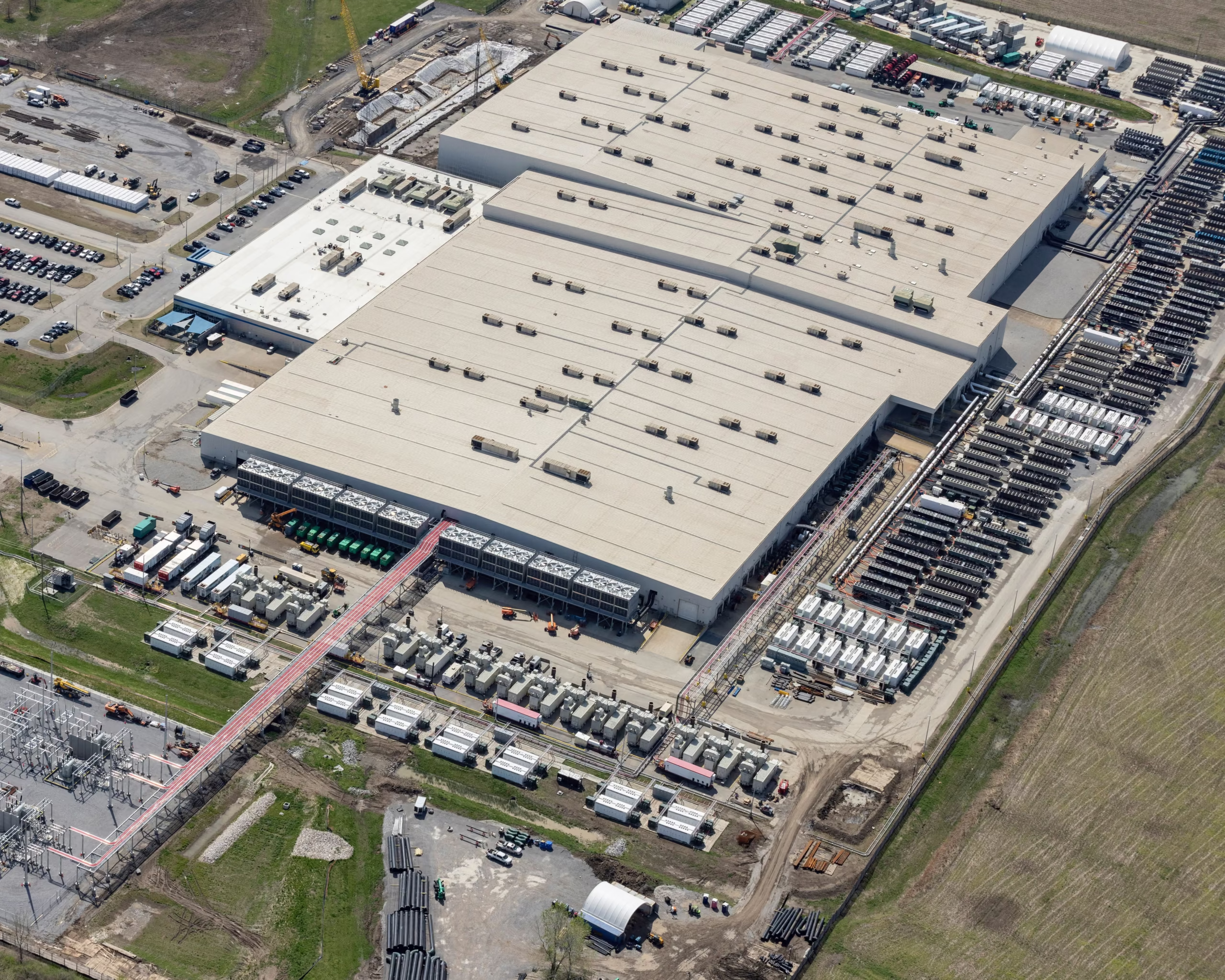
Elon Musk’s xAI Memphis data center plans are drawing national attention as the billionaire entrepreneur moves to scale artificial intelligence infrastructure in the southern United States. The project centers on a massive new data facility in Memphis, Tennessee, designed to power xAI’s next generation of AI models.
Table of Contents
Who is involved, what is being built, why it matters, and its broader impact are now central questions for policymakers, tech leaders, and local residents. The development comes at a critical moment when AI competition, energy demand, and regional economic growth are colliding.


What Is xAI and Why Memphis Was Chosen
xAI is the artificial intelligence company founded by Elon Musk, positioned as a challenger to dominant AI labs. The company focuses on large language models and advanced reasoning systems designed to compete with existing AI leaders.
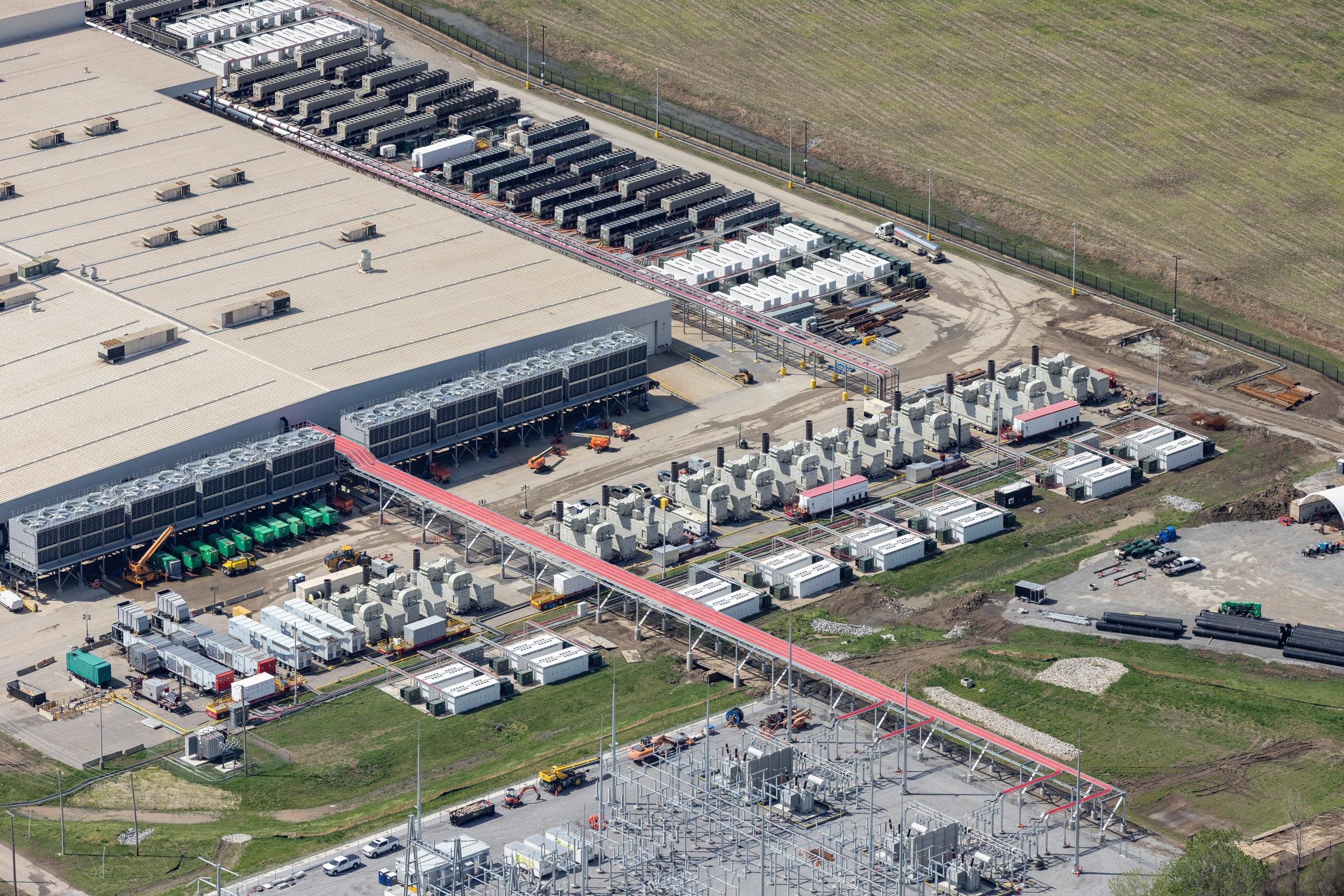
Memphis emerged as a strategic choice due to its central U.S. location, access to major logistics routes, and comparatively lower land costs. The city also offers proximity to large power infrastructure, a key requirement for modern AI data centers that consume enormous amounts of electricity around the clock.
Inside the Memphis Data Center Project
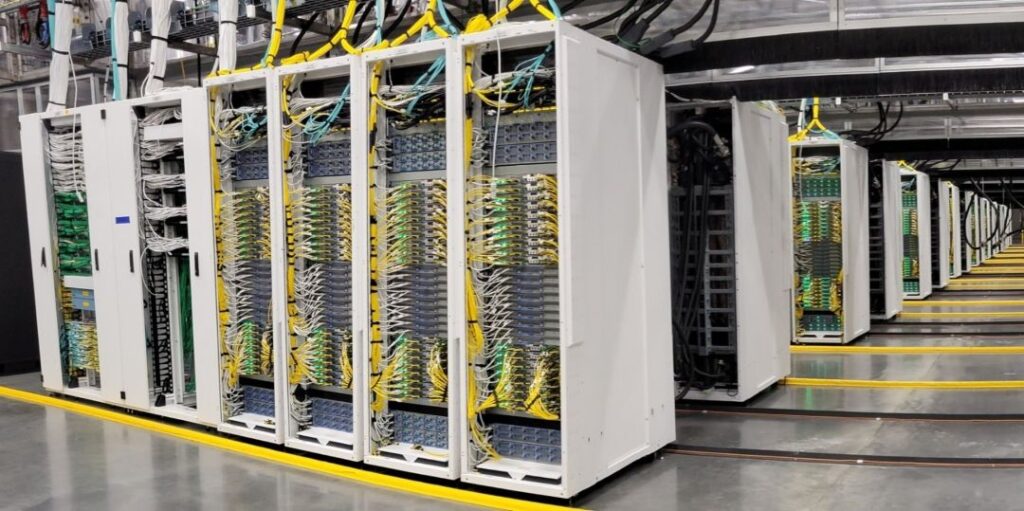
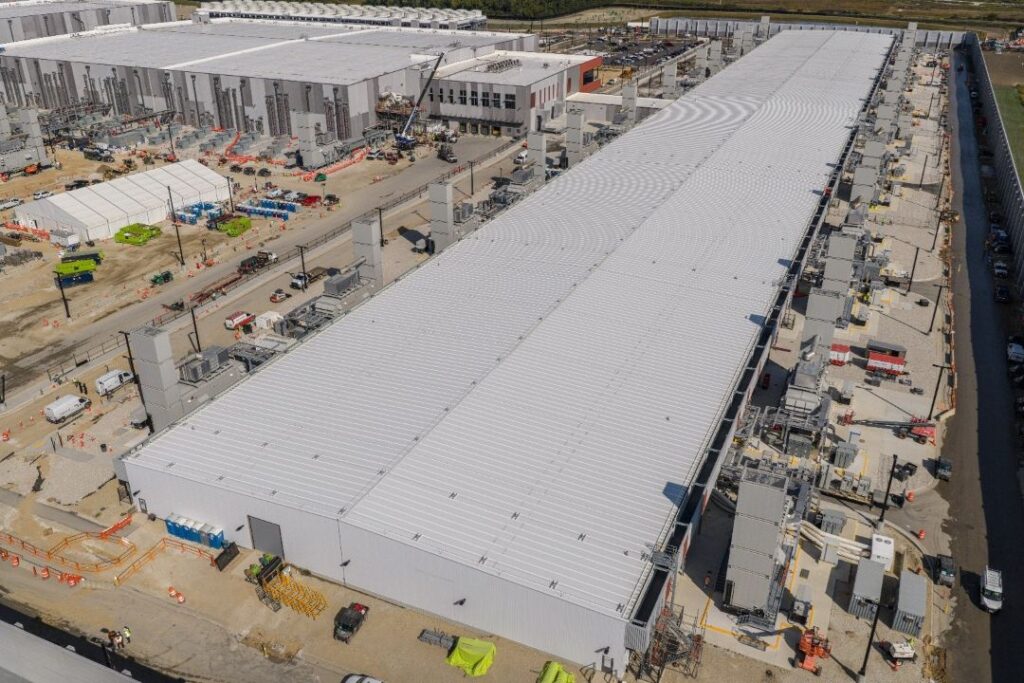
The proposed data center is expected to house tens of thousands of high-performance AI chips, enabling large-scale training and real-time inference. Such facilities function as the backbone of modern AI systems, processing massive volumes of data continuously.
Industry analysts say the Memphis site could become one of the most power-intensive AI facilities in the region. While exact specifications have not been publicly finalized, early indications suggest the site will rival some of the largest AI-focused data centers currently operating in the U.S.
Why This Matters Now
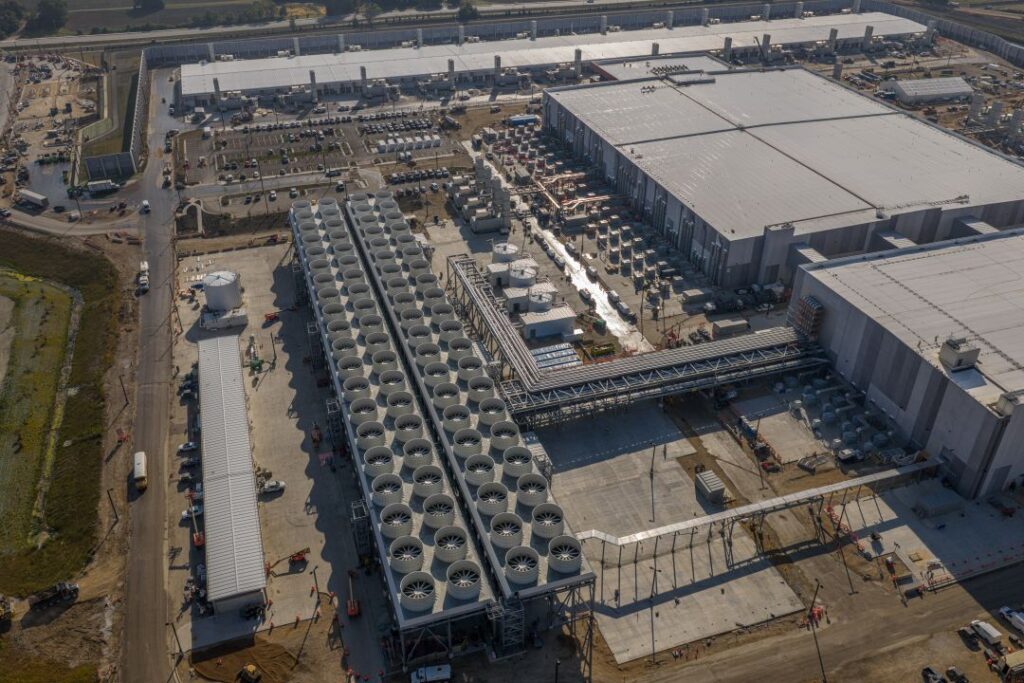
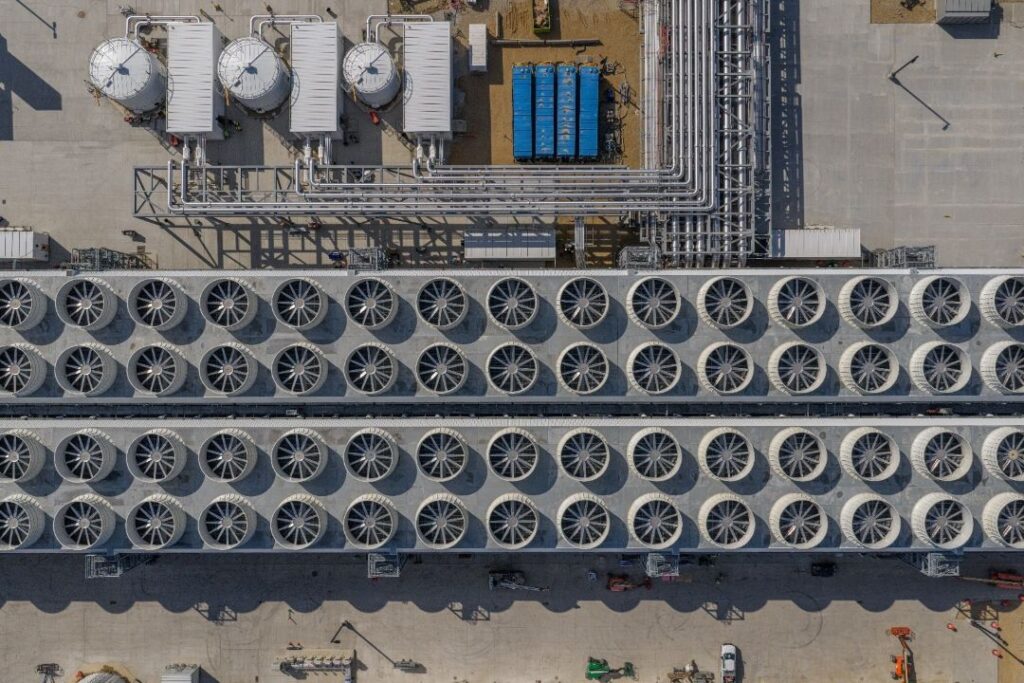
This development matters now because the global AI race has entered a new phase defined by infrastructure scale rather than software alone. Training cutting-edge AI models increasingly depends on access to physical computing power, electricity, and cooling capacity.
At the same time, governments and communities are scrutinizing how AI expansion affects energy grids, environmental goals, and local economies. Musk’s decision to invest heavily in physical infrastructure signals that AI competition is no longer just about algorithms, but about who controls the hardware that powers them.
Economic Impact on Memphis and Tennessee
Local officials expect the project to bring new investment and technical jobs to the Memphis area. Data centers often create long-term demand for skilled labor, maintenance services, and regional supply chains, even if they are not labor-intensive compared to factories.
However, some community groups have raised questions about whether tax incentives and infrastructure upgrades will primarily benefit the public or large corporations. The long-term economic value will likely depend on how deeply the project integrates with local workforce development and energy planning.
Energy Use, Power Concerns, and Environmental Debate
One of the most debated aspects of the project is electricity consumption. AI data centers can use as much power as small cities, placing stress on local grids if not carefully managed. Energy planners are now assessing whether existing infrastructure can support the facility without raising costs for residents.
Environmental advocates argue that rapid AI expansion must be paired with renewable energy investment. Supporters counter that large tech projects can accelerate grid modernization if paired with long-term energy commitments. Similar concerns have been raised in other AI hub cities, as reported by major outlets including The Guardian.
How xAI Fits Into the Global AI Competition
The Memphis data center highlights how xAI is positioning itself against established AI labs. Control over infrastructure allows companies to move faster, experiment more freely, and reduce dependence on third-party cloud providers.
By building its own large-scale computing base, xAI aims to shorten development cycles and increase model performance. This strategy mirrors a broader industry trend where AI leaders invest directly in physical assets rather than relying solely on shared cloud platforms.
What Happens Next
Regulatory approvals, grid planning, and community negotiations will shape the timeline of the project. While construction details may evolve, the announcement alone has already placed Memphis on the map as an emerging AI infrastructure hub.
As AI systems become embedded in daily life, decisions made now about where and how they are powered will have long-lasting consequences. The Memphis project offers a case study in how technology, energy, and local governance intersect in the AI era.
The Elon Musk xAI Memphis data center is more than a construction project. It reflects a shift in how artificial intelligence is built, scaled, and governed in the United States. The outcome will influence not just xAI’s future, but also how cities balance innovation with sustainability.
Subscribe to trusted news sites like USnewsSphere.com for continuous updates.