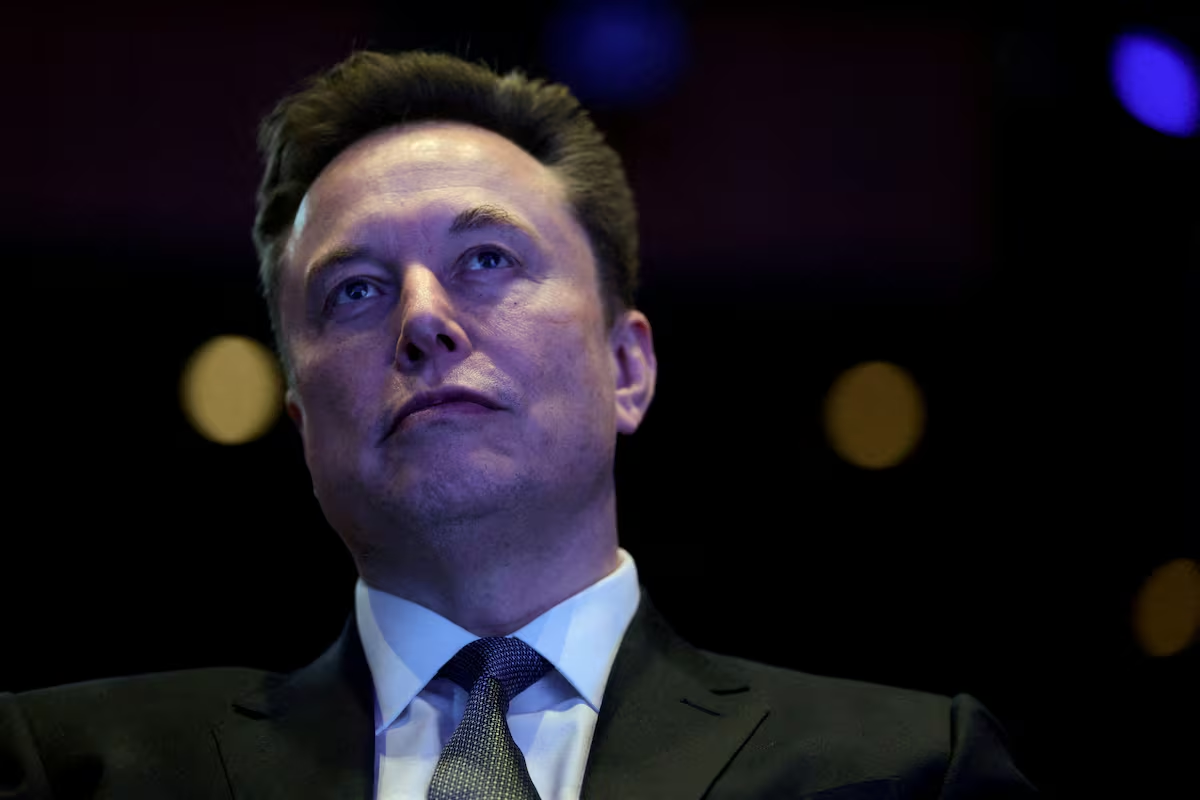
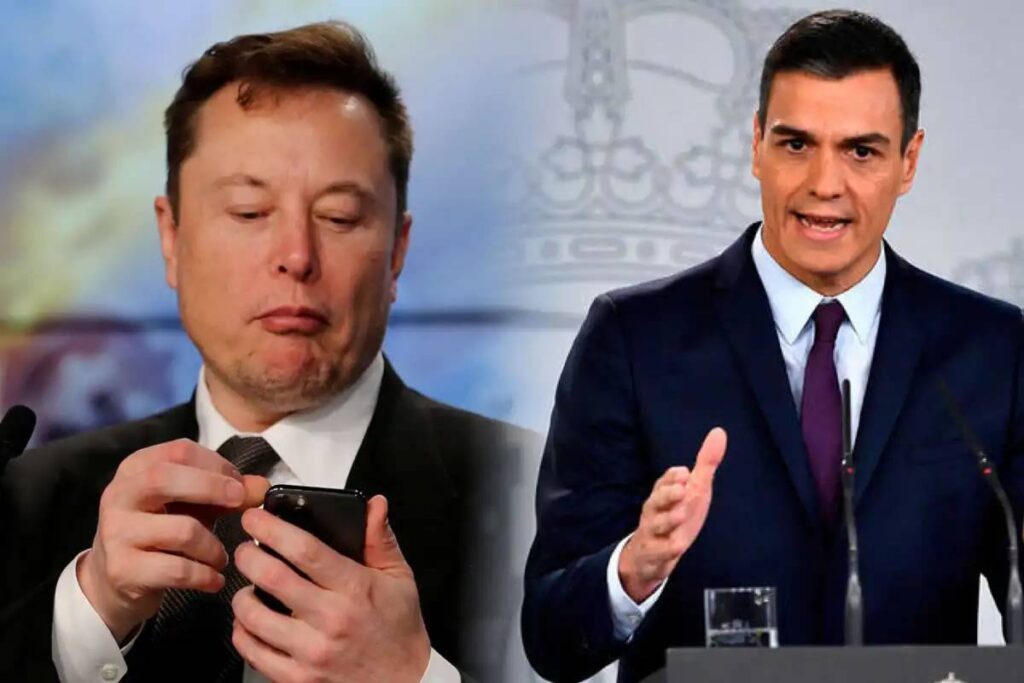
Elon Musk has publicly labelled Spanish Prime Minister Pedro Sánchez a “tyrant and traitor to the people of Spain” in response to groundbreaking proposals aimed at tightening regulation of social media platforms, especially to protect children and hold executives accountable. The clash has sparked global headlines, raising questions about free speech, government authority, and the role of technology giants in society.

The dispute erupted after Sánchez unveiled five major measures to tackle harmful content and give citizens more protection online — including possible age restrictions for users under 16 and legal responsibility for executives if their platforms fail to remove illegal or hateful material.
Why this matters now is rooted in two intersecting global debates: whether governments should impose stricter controls on social networks to protect public safety, especially minors, and how far tech moguls like Musk should be able to push back against sovereign policies. This showdown underscores rising tensions between Western governments and Silicon Valley power.
Behind Musk’s Outburst: What Spain’s New Rules Entail
In early February 2026, Spain’s government announced ambitious regulatory actions aimed at ending impunity for social networks and curbing harmful content. One of the most debated proposals is a ban on children under 16 accessing major social platforms unless stricter safety mechanisms — such as robust age verification — are implemented.
This marks a significant policy shift. European regulators have been increasingly critical of the negative effects of social media on mental health, misinformation, and youth development. Spain’s plan goes further by proposing legal accountability for executives who allow illegal or hateful content to remain on their networks.
Musk’s angry reaction was swift and personal. On X — formerly known as Twitter — he described Sánchez in harsh terms that stirred controversy worldwide and prompted both political defenses and criticism across media platforms.
The proposals place Spain alongside countries like Australia and Greece, which are actively considering or implementing similar age-based restrictions on social media usage.
The Political and Global Ripple Effects
The spat isn’t just one between two individuals — it’s symbolic of a broader tug-of-war between regulatory authorities and Big Tech. Governments around the world are wrestling with how to protect citizens from misinformation, digital addiction, and harmful online content without stifling innovation or free speech.
The Spanish government’s push doesn’t happen in isolation. Across Europe, legislators have increasingly eyed laws to limit the reach of giant platforms, holding them to higher standards of accountability. Spain’s proposal has already drawn attention from policymakers in France, Britain, and other EU countries.
Meanwhile, Musk’s platforms and public statements continue to shape political conversations beyond Spain. In recent years, he has been both embraced and criticized for his influence on political discourse in Europe, including during elections and debates over digital regulation.
This current controversy has opened debates about whether powerful private individuals should be allowed to publicly attack sitting heads of government without consequences — a question now cropping up in legislatures and newsrooms worldwide.
Pedro Sánchez’s Position and the Government’s Rationale
Sánchez has defended the proposed changes, framing them as essential for protecting children and reining in the “digital Wild West” that some critics say has led to unchecked hate speech, online abuse, and mental health risks. Government spokespeople argue that the youth — especially younger teens — are more vulnerable than ever to addictive algorithms, AI-generated disinformation, and unsafe content.

Supporters of Sánchez’s plan include child advocacy groups, educators, and many members of the public who believe that tech companies should be held more responsible for what appears on their platforms. Public opinion polls have shown a majority of Spaniards favor age restrictions for younger users.
Sánchez’s office has signaled that these new regulations are part of a broader European effort to strengthen digital safety. Although initially announced at an international summit in Dubai, the measures are expected to shape legislative action in Madrid in the coming weeks.
Tech Industry Stakes and Musk’s Broader Role
Elon Musk’s reaction hasn’t only been about this specific policy — it fits a pattern of his public confrontations with global leaders. From tweeting endorsements of political parties abroad to sharply criticizing world leaders, Musk’s social media moves have repeatedly crossed into geopolitics.
His outburst against Sánchez has reinvigorated debates on corporate power versus democratic governance. Some analysts say that while tech platforms can democratize information, they also have the capacity to amplify divisive content and create regulatory challenges for states. Others argue that private leaders shouldn’t dictate public policy through personal platforms. Regardless, this episode highlights just how intertwined technology and politics have become.
What Comes Next? Global and Local Implications
As Spain works to finalize its legislation in the coming weeks, the controversy with Musk continues to reverberate across global media and political arenas. The wider impact lies in how other governments respond — whether they adopt similar protections for youth and content standards, and how tech giants adjust their operations in response to increased legal liability.
As this dispute unfolds, it continues to dominate headlines not just because of Musk’s high profile, but because it reflects deeper tensions in modern governance — about freedom, safety, accountability, and the power balance between states and technology platforms.
Subscribe to trusted news sites like USnewsSphere.com for continuous updates.