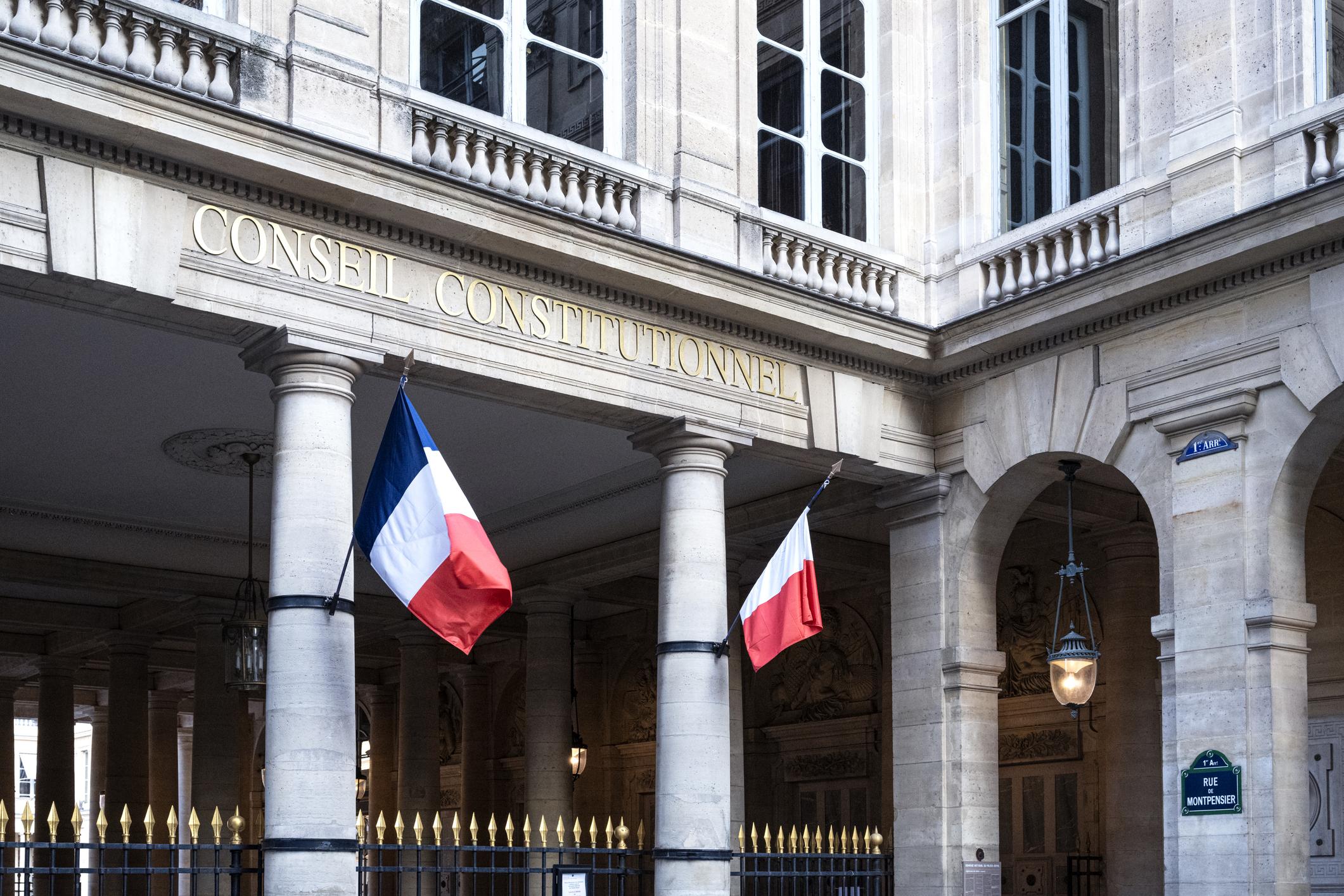
France social media ban for under 15s has been blocked by France’s Constitutional Council, stopping a law that Parliament approved in July 2026. The council found that the measure placed a disproportionate restriction on freedom of expression and communication and raised concerns about privacy and the lack of sufficiently clear safeguards for age verification. The decision prevents the law from taking effect as planned on September 1. President Emmanuel Macron has nevertheless indicated that France will continue pursuing stronger protections for children online, potentially through a revised law.

The ruling creates a major clash between two important goals: protecting children from potentially harmful online environments and preserving fundamental rights in the digital world. It also gives France a new legal challenge to solve as governments across Europe and elsewhere debate how far they should go in restricting young people’s access to social platforms.
What France’s Constitutional Council Decided
France’s Constitutional Council rejected the central provision that would have prohibited children under 15 from accessing social media services. The council concluded that the restriction was not sufficiently appropriate, necessary or proportionate when measured against the constitutional protection of freedom of expression and communication. Privacy protections connected with age verification were also an important concern.
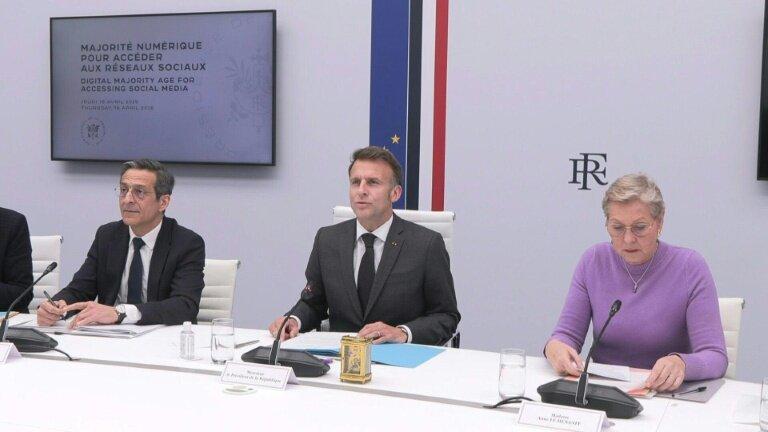
The decision is particularly significant because Parliament had already approved the legislation in July after months of political debate. The law had been scheduled to enter into force on September 1, 2026, with existing accounts receiving a four-month transition period. France therefore moved from preparing platforms and families for a nationwide restriction to reconsidering how the policy can legally be implemented.
Why France Wanted to Restrict Social Media for Children
The French government argued that younger teenagers need stronger protection from the risks associated with social platforms, including harmful content, cyberbullying, excessive screen use and algorithm-driven exposure. President Emmanuel Macron has repeatedly described protecting children online as a priority and has argued that young people can be particularly vulnerable to the effects of social-media platforms.

French regulators have also highlighted the scale of children’s exposure to online risks. Arcom has said that many young people bypass existing platform age limits and has made stronger enforcement of minimum-age rules a priority. The regulator has also stressed that online safety measures need to protect young people while respecting privacy and fundamental rights.
Why This Matters Now
The ruling comes just weeks before the law was supposed to begin operating, making the decision an important development for parents, teenagers, schools and social-media companies. Instead of immediately blocking access for under-15 users, France now faces the task of designing a measure that can survive constitutional scrutiny while still achieving its child-protection objective.

The debate also extends beyond France. Governments around the world are examining age restrictions, parental controls and age-verification technologies as concerns grow about children’s online safety. France has been working with other European countries on stronger digital protections, while the European Union is also developing broader approaches to protecting minors online.
The Age-Verification Problem
One of the most difficult questions is how platforms would reliably determine a user’s age without creating new privacy risks. A nationwide restriction would require effective methods to distinguish children from older users, but collecting identity information or other sensitive data could create concerns about surveillance, data retention and user anonymity.
France has already been examining privacy-conscious age-verification systems in other areas of online regulation. Arcom has emphasized the importance of effective age checks while also supporting approaches that protect users’ personal information. The Council of State had previously warned that a blanket restriction could affect a wide range of services and raised questions about whether such a broad measure would be proportionate.
What Happens to the Proposed Ban Next
The Constitutional Council’s decision does not end France’s political effort to protect children from social-media risks. Reuters and AP reported that Macron remains committed to pursuing the policy and has asked the government to work on a revised approach that can comply with constitutional and European legal requirements.
That means the next phase could focus on a narrower or more targeted framework rather than simply abandoning age restrictions. France could face renewed debate over which platforms should be covered, how age verification should work, what privacy protections should apply and how parental involvement should be handled.
What Parents, Teens and Platforms Should Watch
For families, the immediate message is that the planned September 1 under-15 social-media prohibition will not take effect in its original form following the Constitutional Council’s ruling. Parents should therefore not assume that existing social-media accounts for children will automatically be closed under the rejected legislation.
For technology companies, the ruling signals that future French regulation may require a more carefully balanced approach to child safety, privacy and freedom of communication. For teenagers and parents across Europe, the bigger issue is still unresolved: governments want stronger protection for minors online, but courts are demanding that those protections be designed with clear legal safeguards and proportional restrictions.
Bottom line: France has rejected the current under-15 social-media ban, but the country’s push for stronger online protections for children is far from over. The next proposal could become an important test for how democratic governments balance child safety, privacy and digital freedom.
Subscribe to trusted news sites like USnewsSphere.com for continuous updates.