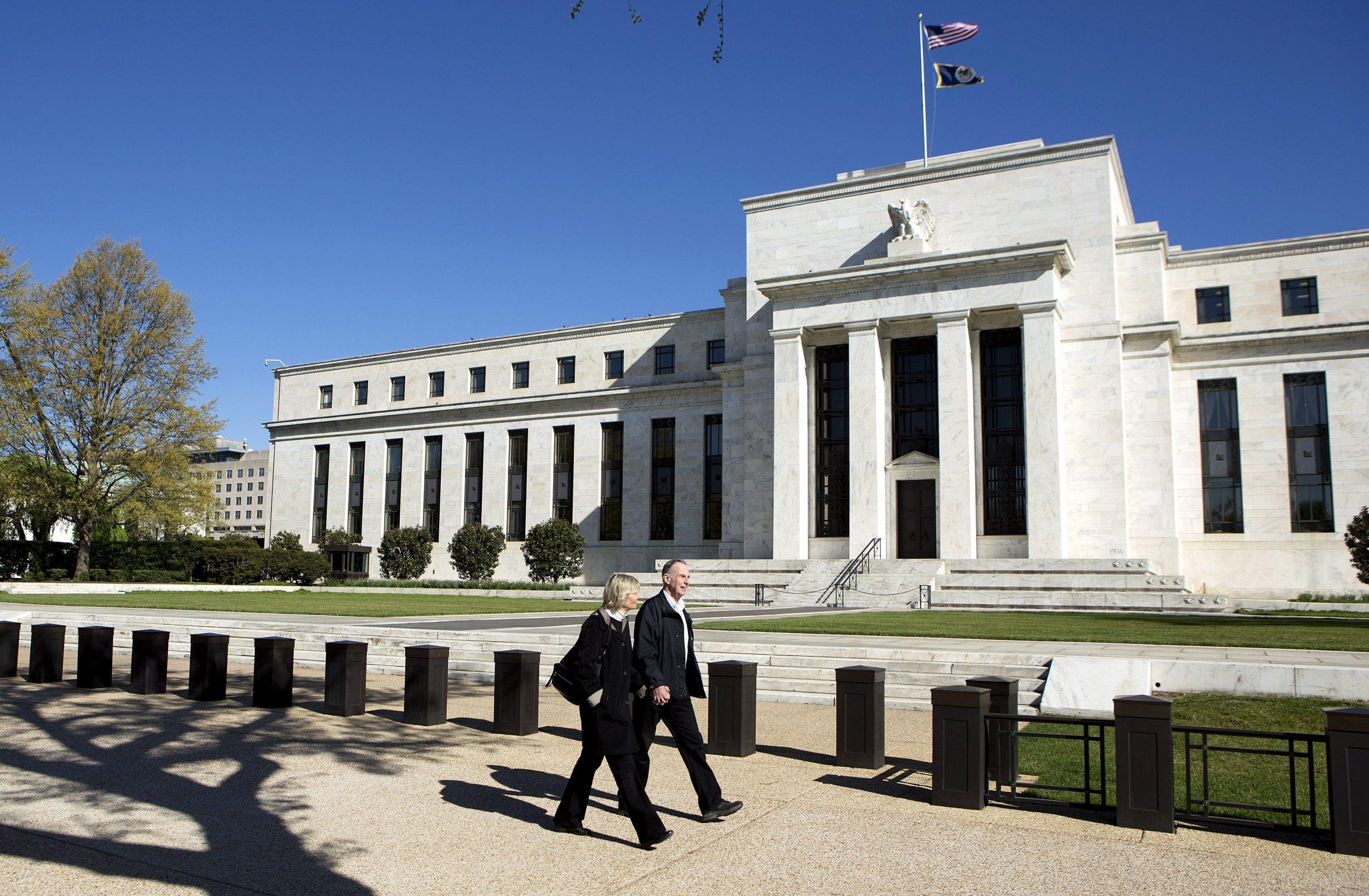
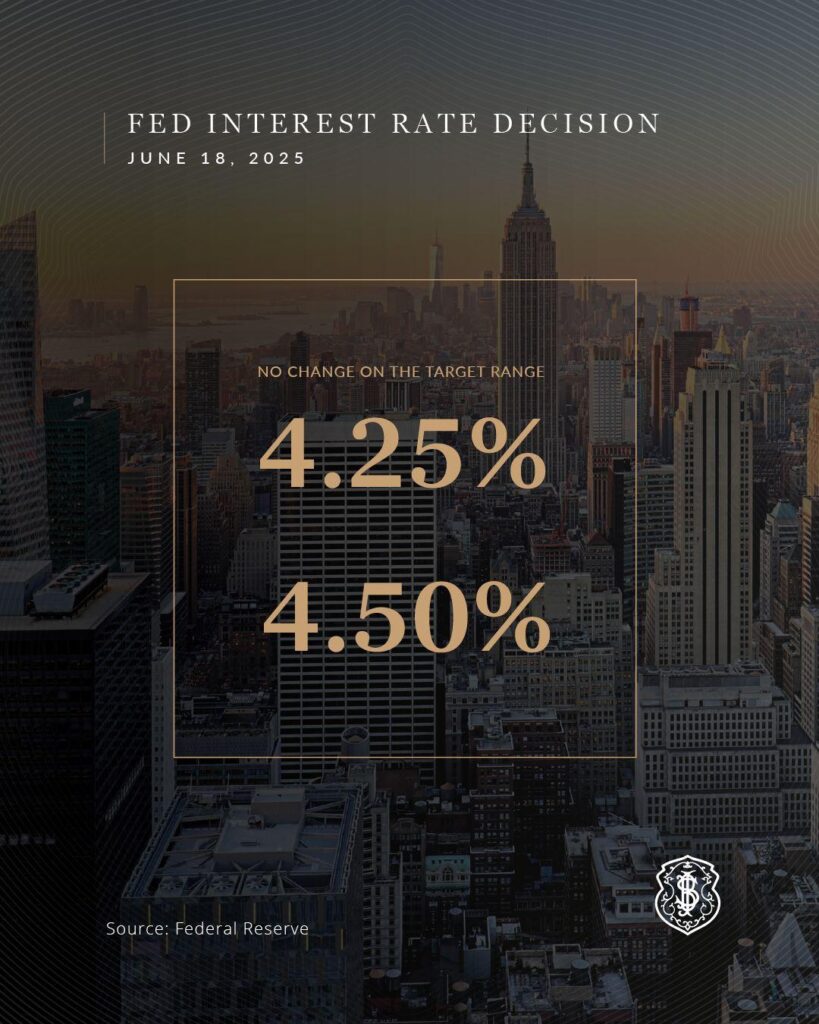
Federal Reserve Minutes Today are one of the biggest events on the U.S. economic calendar, with investors preparing for the release of the minutes from the Federal Open Market Committee’s July 28–29 meeting at 2 p.m. ET on August 19, 2026. The document could provide a more detailed look at the debate that took place inside the central bank after policymakers left the federal funds target range unchanged at 3.50% to 3.75%.
The stakes are unusually high because the July decision was not unanimous. The FOMC approved the decision by a 9–3 vote, with Beth Hammack, Neel Kashkari and Lorie Logan preferring a quarter-point rate increase. That split has made the minutes especially important for investors trying to determine whether the September meeting could bring another rate hike or whether policymakers are more likely to remain on hold.
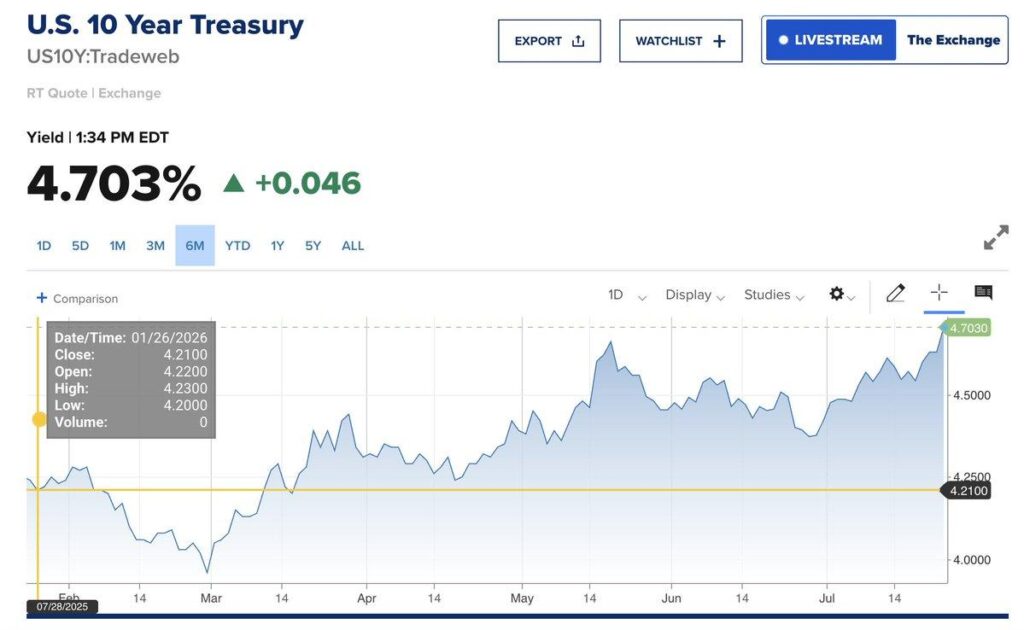
Markets are entering the release with another problem in the background: Treasury yields have climbed sharply. The 30-year Treasury yield recently moved above 5.3%, while the 10-year yield reached roughly 4.75% before easing. Higher long-term yields are already affecting stocks, mortgages and other borrowing costs, meaning the Fed minutes could arrive at a particularly sensitive moment for financial markets.
Why the July Fed Meeting Was Different
The Federal Reserve’s July decision was significant because the central bank held rates steady for a fifth consecutive meeting even though three voting members wanted an immediate increase. The official statement said economic activity was expanding at a solid pace, productivity growth and capital investment remained strong, and job gains had kept pace with the workforce. At the same time, the Fed said inflation remained elevated relative to its 2% objective.
That combination creates a difficult policy problem. If inflation remains too high, cutting rates could risk allowing price pressures to become more persistent. But if economic activity or employment begins weakening, keeping borrowing costs restrictive for too long could increase the risk of an unnecessary slowdown.
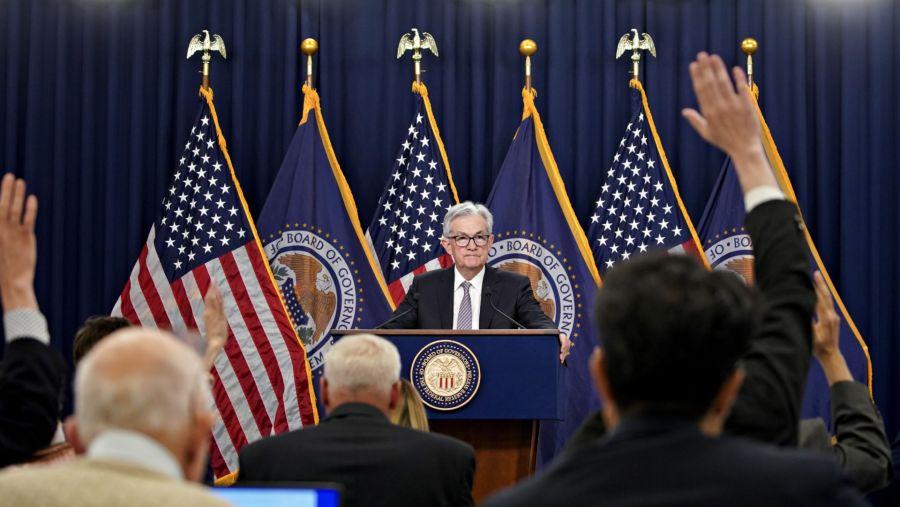
The three dissenting votes therefore matter beyond the headline 9–3 decision. They demonstrate that at least part of the voting committee believed the inflation risks justified moving rates higher immediately. The minutes could reveal whether those officials represented a small minority or whether a broader group was seriously considering a more restrictive policy path. MarketWatch reported that investors are particularly interested in whether the detailed discussion shows greater support for rate increases than was visible in the public statement.
Inflation Is Still the Fed’s Biggest Policy Problem
Inflation remains central to the Federal Reserve’s decision-making. In its July statement, the central bank specifically said inflation was still elevated relative to its 2% goal and pointed to supply shocks, including energy-related price increases.
Energy has become particularly important because oil prices have risen amid continuing Middle East tensions. Brent crude recently moved above $91 a barrel, creating another potential source of pressure for transportation, manufacturing and household expenses. Higher gasoline and energy costs can make the inflation picture more complicated even if other categories of consumer prices are cooling.
There is also a broader issue surrounding tariffs, capital spending and artificial-intelligence investment. Policymakers have to determine whether price pressures are temporary or whether they could become embedded in the economy. Recent market analysis has highlighted the possibility that large AI-related investment and corporate borrowing could add to demand for capital at the same time that government borrowing remains elevated.
The minutes could therefore be especially valuable because they may explain how policymakers weighed these competing inflation risks. Investors should look for discussion of energy prices, tariffs, demand, wages, productivity and the possibility that inflation could remain above target for longer than previously expected.
What the Fed Minutes Could Mean for September Rates
The September Federal Reserve meeting is now the next major policy event, scheduled for September 15–16. The July decision did not establish what will happen in September, and the minutes should not be treated as a guaranteed forecast. Instead, they can help investors understand the range of views policymakers were considering in July.
Market expectations have changed considerably in recent weeks. A Reuters poll conducted August 12–17 found that a strong majority of economists expected the Fed to keep its benchmark rate at 3.50%–3.75% through the end of 2026, despite inflation remaining above the central bank’s target. The economists cited softer employment and inflation developments as reasons for expecting policymakers to remain cautious.
Market-based expectations have nevertheless been more volatile. Reports ahead of today’s minutes put the probability of a September rate increase around the 30% range, although estimates have moved sharply depending on the latest economic and geopolitical developments.
That creates three broad possibilities for investors. A strongly hawkish set of minutes could reinforce expectations for a September increase. A balanced document could keep markets focused on incoming inflation and employment data. A more cautious discussion could strengthen expectations that the Fed will remain on hold while waiting for additional evidence.
The most important point is that the minutes are backward-looking. They describe the July meeting. The September decision will also incorporate economic information that was unavailable to policymakers at the July meeting.
Treasury Yields, Mortgages and Borrowing Costs Are Already Responding
The Fed’s short-term policy rate and Treasury yields are closely connected, but they are not identical. The federal funds rate is directly controlled through Federal Reserve policy, while longer-term Treasury yields reflect investor expectations for inflation, economic growth, government borrowing and future monetary policy.
That distinction is extremely important for Americans. The 30-year Treasury yield recently climbed to approximately 5.33%, its highest level since 2007, before retreating somewhat. The 10-year yield also reached around 4.75%. The bond-market move has been attributed to concerns over inflation, government debt and geopolitical risks.
Mortgage rates have already felt the pressure. MarketWatch reported that the average U.S. 30-year fixed mortgage rate had reached about 6.75% as of August 18, with higher Treasury yields raising concerns that mortgage rates could eventually approach 7% again.
That does not mean a 7% mortgage rate is inevitable. Mortgage rates depend on more than the Fed’s overnight policy rate, and the relationship between the 10-year Treasury and mortgage rates is not one-for-one. But a sustained rise in long-term yields generally makes it harder for mortgage rates to fall substantially.
The same principle affects other borrowing. Credit-card rates are generally influenced more directly by short-term benchmark rates, while auto loans and business borrowing can respond to broader market conditions. If the Fed remains restrictive for longer, households may face higher financing costs for longer.
What This Means for You, Investor Takeaway and Future Outlook
What this means for you: The Fed minutes matter even if you never buy a Treasury bond or trade stocks. Interest-rate expectations influence mortgages, credit cards, auto financing, business loans and savings products. At the same time, higher Treasury yields can create better opportunities for savers and bond investors. Current high-yield savings accounts are offering considerably more than the national average savings rate, although individual rates vary by institution and can change over time.
For homebuyers, the key issue is that a Federal Reserve rate cut would not automatically produce a dramatic decline in 30-year mortgage rates. Long-term Treasury yields, inflation expectations and mortgage-market conditions also matter. That means consumers should focus on the complete interest-rate environment rather than assuming the next Fed decision alone will determine their mortgage payment.
Investor takeaway: Investors should watch the language surrounding inflation, employment, economic growth and the three dissenting policymakers. The most important question is whether the July discussion suggests that the disagreement over rate hikes was narrowly concentrated among three officials or whether more policymakers were concerned enough about inflation to consider tightening.
Treasury yields deserve equal attention. If the minutes are perceived as hawkish and investors increase expectations for future rate increases, yields could move higher and potentially put additional pressure on rate-sensitive sectors such as technology, housing and some consumer companies. If the minutes appear less concerned about persistent inflation, bond yields could ease and provide some relief to equity valuations.
There is also a potentially important signal for the U.S. dollar. Expectations of higher U.S. interest rates can support the dollar by making dollar-denominated assets more attractive, while expectations of lower rates can have the opposite effect. The dollar was already trading near multi-month lows on Wednesday as Treasury yields eased ahead of the minutes.
Future outlook: The September meeting will ultimately depend on the economic data released between now and then. The Fed will have additional inflation, employment and economic information before policymakers meet on September 15–16.
The biggest risk for markets is a combination of persistent inflation and slowing growth. If energy prices remain elevated while economic activity weakens, the Fed could face a difficult choice between fighting inflation and supporting the economy. Conversely, if inflation continues cooling without a significant deterioration in employment, policymakers may have greater flexibility to maintain or eventually ease policy.
The Treasury market will remain another major indicator. Long-term yields have already reached levels not seen in many years, and a continued bond selloff could tighten financial conditions even without another Fed rate increase. Reuters reported that the recent rise in yields has been driven by concerns about government debt, inflation and geopolitical developments.
For American households, the practical message is simple: don’t interpret the Federal Reserve minutes as a prediction that rates will definitely rise or fall. Use them as one piece of information in a larger economic picture. Watch inflation, jobs, oil prices, Treasury yields and future Fed communication together.
For investors, today’s release could create volatility, but the longer-term direction of markets will depend on whether inflation eventually returns toward the Fed’s 2% goal while economic growth remains healthy. The July meeting showed that the committee is not completely united on the appropriate level of rates. Today’s minutes may provide a clearer view of that disagreement, but incoming economic data will ultimately determine how important that divide becomes.
The Federal Reserve’s July decision already established that the benchmark rate remains at 3.50%–3.75%. The three dissenting votes established that a rate hike has meaningful support within the committee. The minutes can add context, but they cannot replace the data that policymakers will receive before September.
Subscribe to trusted news sites like USnewsSphere.com for continuous updates.