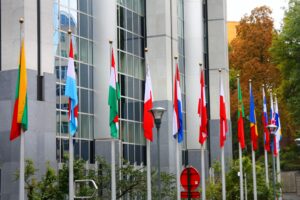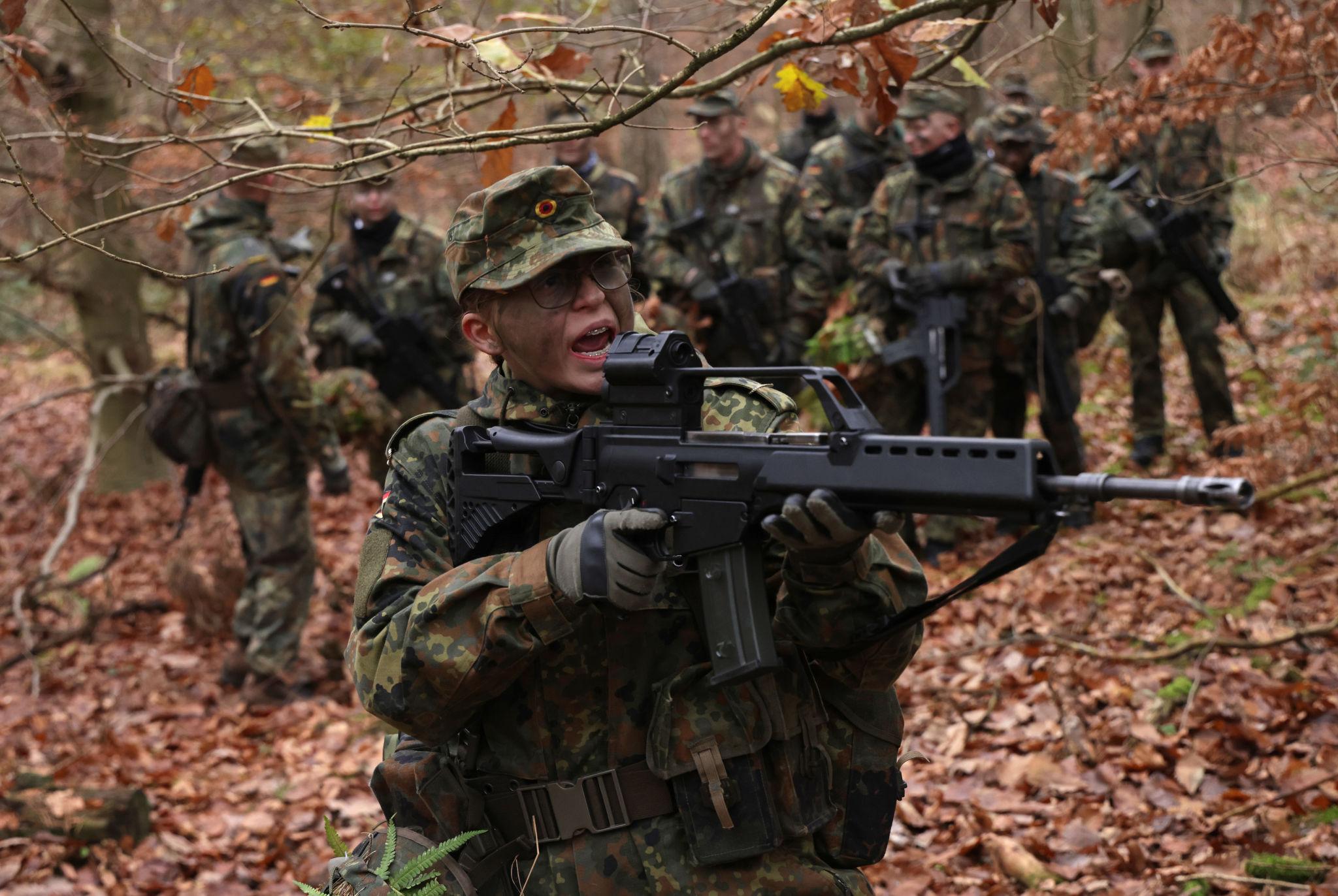
Germany’s military strategy 2039 is now at the center of Europe’s security transformation, as Germany unveils an ambitious long-term plan to become the continent’s most powerful military force by 2039. The plan focuses on rebuilding the Bundeswehr, increasing defense spending, modernizing equipment, and strengthening NATO commitments. This comes in response to rising geopolitical tensions, especially after Russia’s actions in Eastern Europe. The strategy answers key questions: who is leading it (German leadership and NATO allies), what it includes (military expansion and modernization), why now (security threats and shifting alliances), and its impact (a stronger, more independent Europe).
Why this matters now: Europe is entering a new era of defense independence, and Germany’s role could reshape global military balance for decades.
Germany’s Vision to Become Europe’s Military Leader
Germany’s long-term defense strategy signals a historic shift from its traditionally cautious military stance to a more assertive leadership role in Europe. For decades, Germany relied heavily on NATO, particularly the United States, for security. Now, Berlin is preparing to take greater responsibility for regional defense, aiming to become Europe’s central military power by 2039.
The plan outlines a steady increase in military readiness, troop capabilities, and technological advancements. This includes strengthening rapid-deployment forces, improving logistics, and ensuring Germany can respond quickly to crises across Europe. The strategy also emphasizes Germany’s commitment to collective defense while positioning itself as the backbone of European security.
Massive Investment in Defense Spending and Resources
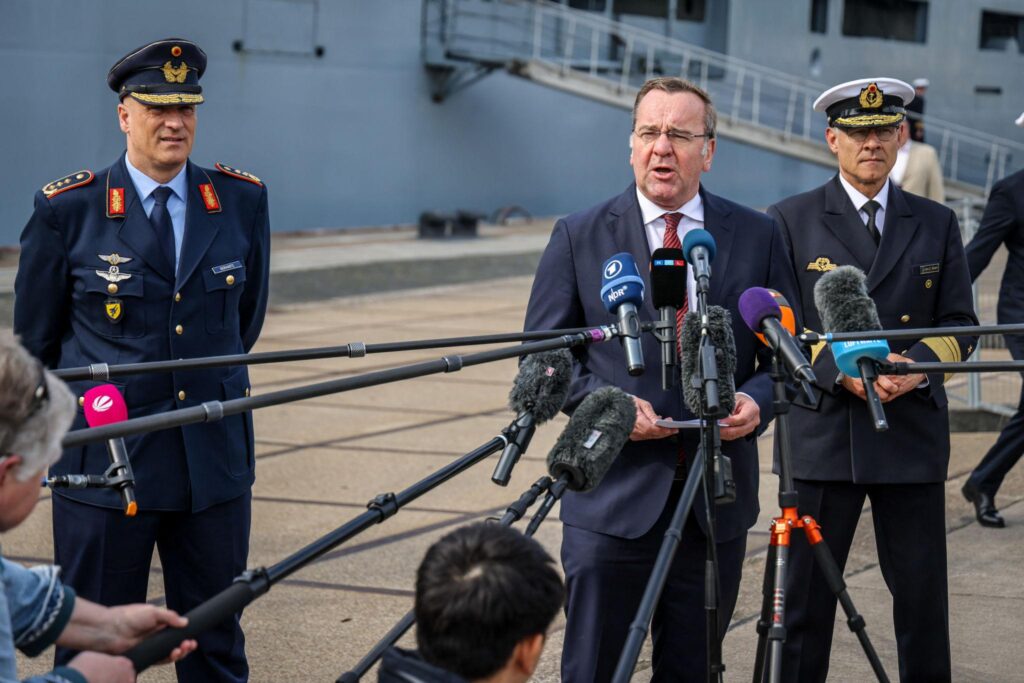
A key pillar of Germany’s military strategy 2039 is a significant increase in defense spending. Germany has already committed to meeting NATO’s target of spending 2% of GDP on defense. Still, this new strategy goes even further by prioritizing long-term investments in infrastructure, weapons systems, and personnel.
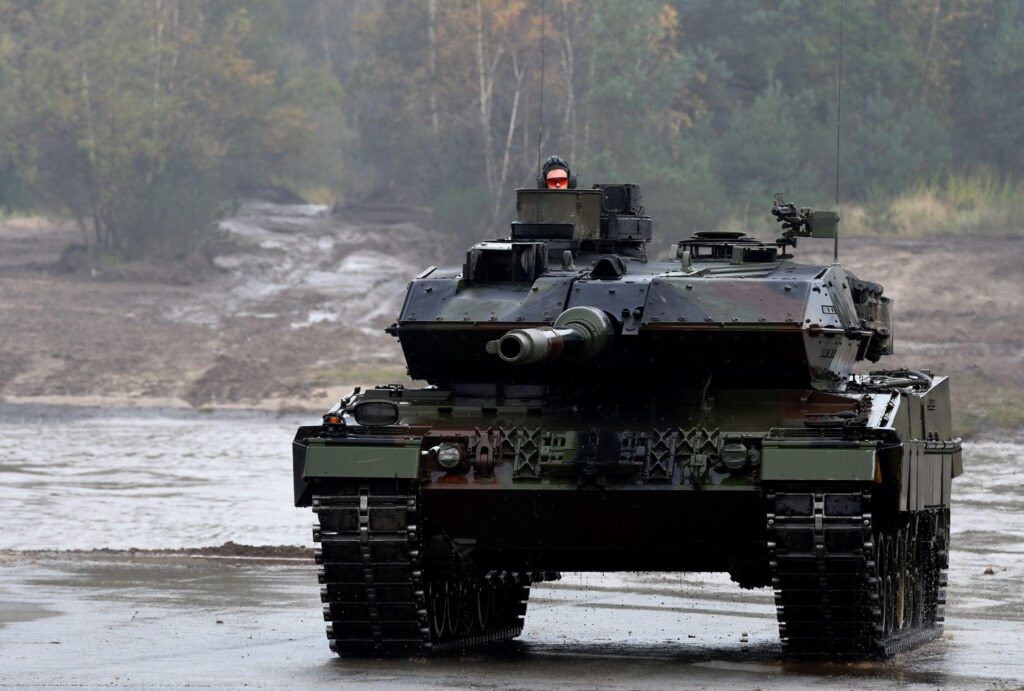
This funding will support modernization projects such as advanced fighter jets, missile defense systems, and next-generation tanks. Additionally, Germany plans to invest heavily in cybersecurity and space-based defense technologies. These investments aim to close capability gaps that have historically limited the effectiveness of the Bundeswehr.
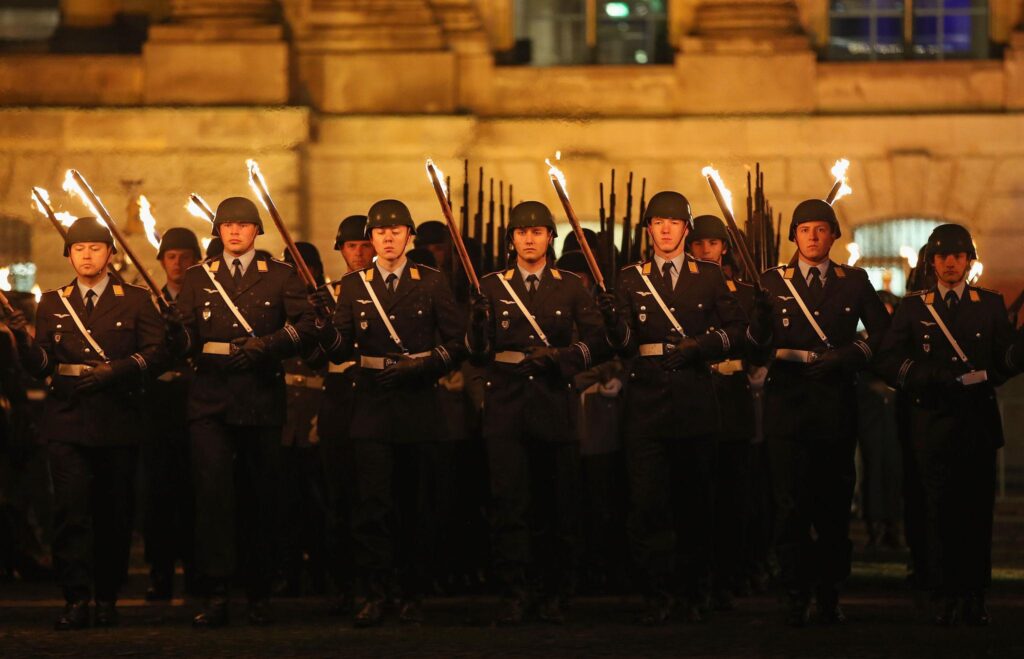
Modernizing the Bundeswehr for Future Warfare
Modernization is at the heart of Germany’s military transformation. The Bundeswehr has faced criticism in recent years for outdated equipment and limited operational readiness. The new strategy addresses these challenges by introducing cutting-edge technologies and improving maintenance systems.
Germany is focusing on digital warfare capabilities, artificial intelligence, and autonomous systems. These technologies will enhance battlefield awareness, decision-making, and operational efficiency. Training programs are also being updated to prepare soldiers for modern combat scenarios, including hybrid warfare and cyber threats.
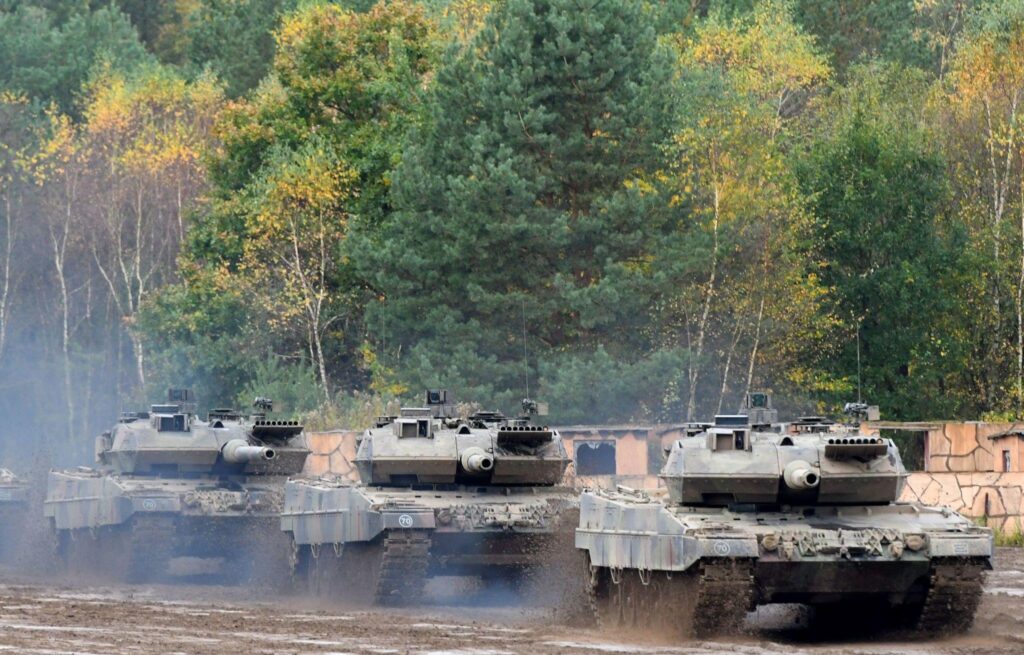
Strengthening NATO While Building European Independence
Germany’s plan does not replace NATO but strengthens its role within the alliance. By becoming Europe’s strongest military, Germany aims to support NATO operations more effectively while reducing Europe’s dependence on external powers.
At the same time, the strategy promotes greater European defense cooperation. Germany is expected to work closely with countries like France and Poland to develop joint military projects and improve interoperability. This approach ensures that Europe can act independently when necessary while remaining aligned with NATO’s broader goals.
Strategic Response to Rising Global Threats
The timing of Germany’s military expansion is closely linked to evolving global threats. Russia’s actions in Ukraine and increasing tensions in Eastern Europe have highlighted the need for stronger defense capabilities. Additionally, emerging threats such as cyberattacks and space warfare require new strategies and technologies.
Germany’s plan reflects a broader shift in global security dynamics, where traditional military power must be combined with advanced technological capabilities. By preparing for a wide range of threats, Germany aims to ensure long-term stability and security for Europe.
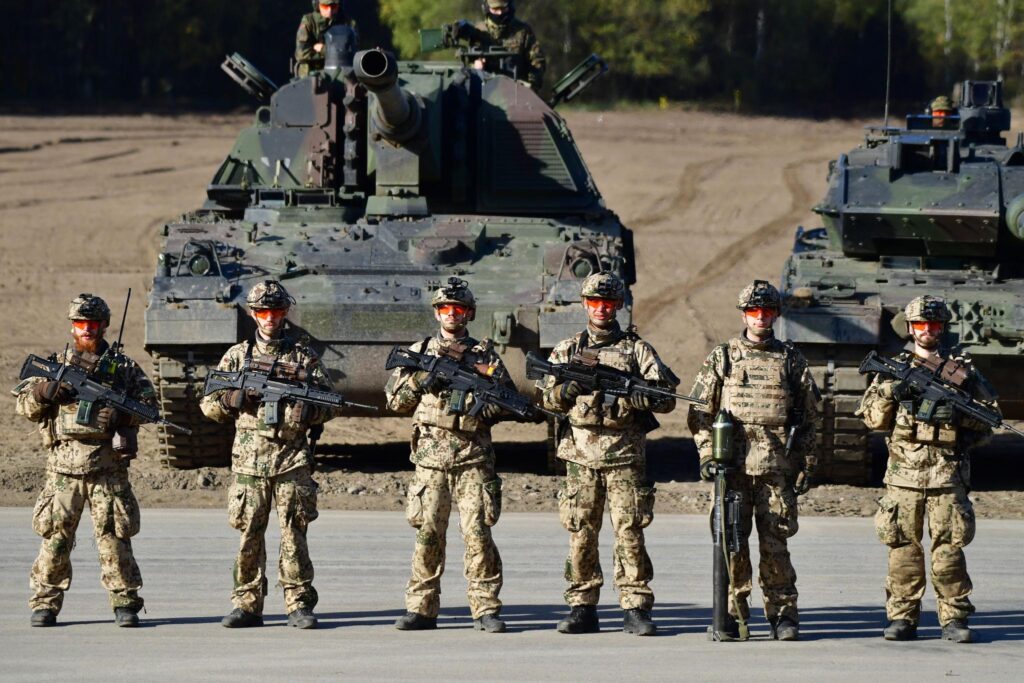
Economic and Political Impact on Europe and Beyond
Germany’s military transformation will have significant economic and political implications. Increased defense spending is expected to boost the defense industry, creating jobs and driving innovation. This could position Germany as a leader in military technology and manufacturing.
Politically, Germany’s rise as a military power may reshape relationships within Europe and with global partners. While some countries may welcome stronger leadership, others may be cautious about Germany’s expanded role. However, the overall impact is likely to strengthen Europe’s ability to respond to crises and maintain stability.
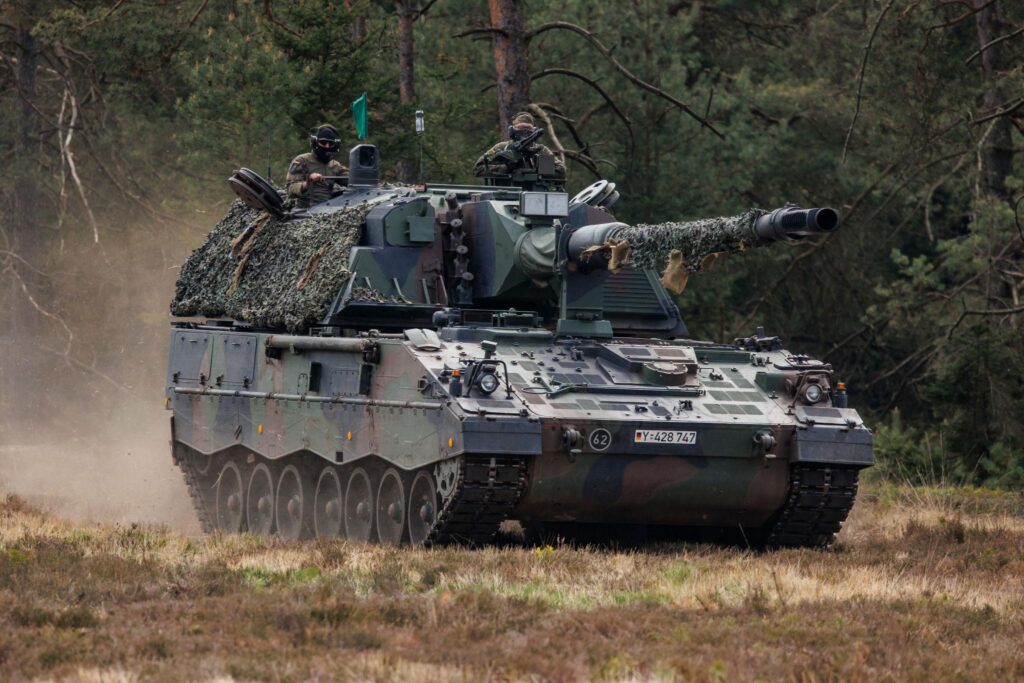
What This Means for the Future of Global Security
Germany’s ambition to build Europe’s strongest military by 2039 represents more than just a national strategy—it signals a transformation in global defense dynamics. As Europe becomes more self-reliant, the balance of power could shift, affecting alliances and international policies.
For the United States, this could mean a more balanced partnership with Europe. For other global powers, it introduces a stronger European presence in international security matters. Ultimately, Germany’s strategy highlights the growing importance of preparedness, cooperation, and innovation in an increasingly uncertain world.
Subscribe to trusted news sites like USnewsSphere.com for continuous updates.