Why Wall Street Is Betting on Falling Oil Prices Despite Rising Middle East Tensions is becoming one of the most important questions in global financial markets today. For months, investors feared that conflict in the Middle East would trigger a prolonged energy crisis, drive inflation higher, and create major disruptions across global supply chains. Instead, oil prices have recently moved sharply lower, surprising many traders and challenging traditional assumptions about how geopolitical conflicts affect energy markets.
The latest market reaction highlights a critical reality: financial markets often focus more on future expectations than current headlines. While tensions across the Middle East remain elevated, investors are increasingly betting that oil supplies will normalize, shipping routes will reopen, and the worst-case economic scenarios may be avoided. This shift in sentiment has sent crude oil prices lower and pushed stock markets higher.
For investors, consumers, businesses, and policymakers, understanding why oil is falling despite geopolitical uncertainty is essential because energy prices influence everything from inflation and interest rates to transportation costs and corporate profits.
Wall Street Is Looking Beyond Today’s Headlines
One of the biggest reasons oil prices are declining is that markets are forward-looking. Investors are not simply reacting to current geopolitical risks; they are evaluating where energy supplies may be six months or even a year from now.
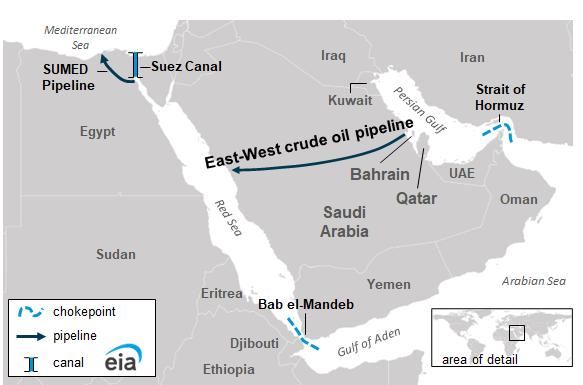
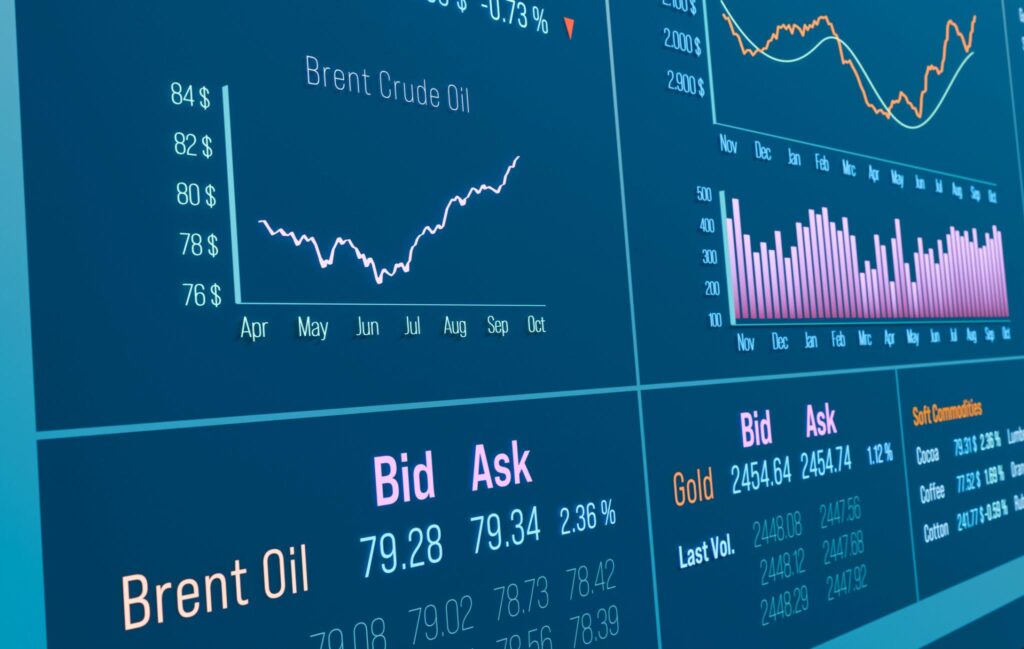
Recent developments surrounding discussions between the United States and Iran have increased expectations that disruptions to global oil flows could eventually ease. Markets are focusing on the possibility that the Strait of Hormuz, one of the world’s most critical energy shipping routes, may continue moving toward greater stability. Reports indicate that optimism surrounding diplomatic progress has contributed to significant declines in Brent and West Texas Intermediate crude prices. Recent market data shows Brent crude falling toward the low-$80 range after previously trading well above $100 during the height of supply concerns.
For investors, this means that today’s oil market is being driven less by fear and more by expectations of future supply recovery.
The Strait of Hormuz Remains the Center of Attention
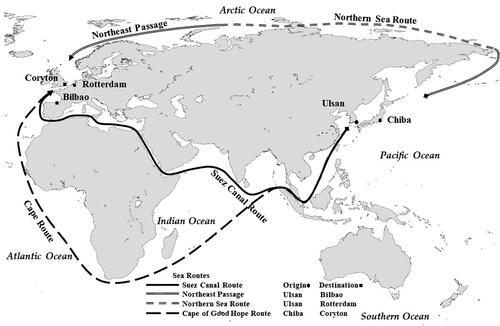
Few locations matter more to global energy markets than the Strait of Hormuz. Roughly one-fifth of the world’s oil supply passes through this narrow waterway, making it one of the most strategically important shipping routes on Earth. During periods of conflict, any disruption to traffic through the strait can trigger sharp price spikes.
Earlier in 2026, fears of supply interruptions pushed energy markets into extreme volatility. Analysts described the disruption as one of the largest energy supply shocks in modern history. At various points, oil prices surged as traders worried about prolonged restrictions on exports from the Gulf region.
Today, however, investors are increasingly pricing in a scenario where shipping conditions improve over time. While challenges remain and full normalization could take months, Wall Street appears to believe that the probability of a catastrophic long-term disruption has decreased significantly.
This shift in expectations is helping explain why oil prices are falling even though geopolitical tensions have not completely disappeared.

Lower Oil Prices Could Ease Inflation Pressures
The relationship between oil and inflation is one of the most closely watched dynamics in the global economy.
When oil prices rise sharply, transportation costs increase, manufacturing expenses climb, and consumers face higher fuel bills. These effects eventually spread throughout the economy, putting upward pressure on inflation.
Now that oil prices have retreated from recent highs, investors are beginning to reassess inflation risks. Lower energy costs could provide relief for households while reducing pressure on central banks that have spent years fighting inflation.
Market participants increasingly believe that declining energy costs may help stabilize inflation trends during the second half of 2026. Several global stock markets have responded positively to this possibility, with investors viewing lower oil prices as supportive for economic growth and corporate earnings.
For consumers, cheaper oil could eventually translate into lower gasoline prices, reduced transportation costs, and improved purchasing power.
Why Stock Markets Are Rallying While Oil Falls
Historically, falling oil prices are often viewed as a positive signal for many sectors of the economy.
Airlines benefit from lower fuel costs. Transportation companies see operating expenses decline. Manufacturers gain relief from lower input costs. Consumers frequently spend savings from gasoline purchases elsewhere in the economy.
This helps explain why stock markets have recently moved higher while oil prices have declined. Investors are increasingly positioning for an environment where energy costs moderate while economic activity remains resilient.
Major equity markets across North America, Europe, and Asia have responded favorably to improving sentiment surrounding energy supplies and inflation expectations. Financial institutions, travel companies, industrial firms, and consumer-focused businesses have been among the sectors benefiting from the changing outlook.
The combination of lower oil prices and improving market confidence has created a more constructive environment for risk assets.
Risks That Could Change the Market Narrative
Despite growing optimism, investors should not assume that energy market risks have disappeared.
Several uncertainties remain. Diplomatic agreements can face setbacks. Shipping routes may take time to fully normalize. Infrastructure repairs and logistical challenges could slow the recovery of oil exports. Unexpected geopolitical developments could also quickly reverse recent market trends.
Some analysts continue to warn that oil markets remain vulnerable to supply shocks. While prices have fallen significantly from recent peaks, future disruptions could still trigger renewed volatility. Forecasts from major financial institutions suggest multiple possible scenarios ranging from stable prices to renewed upward pressure depending on geopolitical outcomes and global demand trends.
Investors should therefore balance optimism with caution and remain aware of potential risks that could emerge in the coming months.
What This Means for You
For consumers, lower oil prices could provide relief through reduced fuel costs and potentially slower inflation.
For businesses, declining energy expenses may improve profitability and support future investment decisions.
For investors, falling oil prices may create opportunities in sectors that benefit from lower input costs while reducing some inflation-related risks that have pressured markets in recent years.
However, market conditions can change rapidly. Monitoring developments in global energy markets remains essential for making informed financial decisions.
Investor Takeaway
The recent decline in oil prices demonstrates how financial markets often prioritize future expectations over present concerns.
Wall Street appears increasingly confident that energy supply disruptions will gradually ease, reducing the probability of a severe long-term oil shock. This outlook has supported both lower crude prices and stronger equity markets.
Investors should continue monitoring energy markets, inflation trends, central bank policies, and geopolitical developments as these factors will likely remain key drivers of market performance throughout 2026.
Future Outlook
Looking ahead, the direction of oil prices will depend heavily on three factors: geopolitical stability, the pace of supply recovery, and global economic demand.
If energy flows continue normalizing and economic growth remains steady, oil prices could remain relatively stable or drift lower. However, any renewed disruptions in critical shipping routes or unexpected geopolitical escalations could quickly change the outlook.
For now, Wall Street is signaling that the market believes the worst-case energy scenario is becoming less likely. Whether that optimism proves correct will be one of the most important financial stories to watch during the remainder of 2026.
Conclusion
The recent decline in oil prices despite ongoing Middle East tensions highlights the power of market expectations. Investors are increasingly focused on improving supply conditions, easing inflation risks, and the potential normalization of critical energy routes. While uncertainty remains, the current market narrative suggests growing confidence that global energy markets can avoid the severe disruptions many feared earlier this year.
As oil prices, inflation, and geopolitical developments continue evolving, investors and consumers alike should stay informed because these trends will shape financial markets, household budgets, and economic growth throughout the coming months.
Subscribe to trusted news sites like USnewsSphere.com for continuous updates.