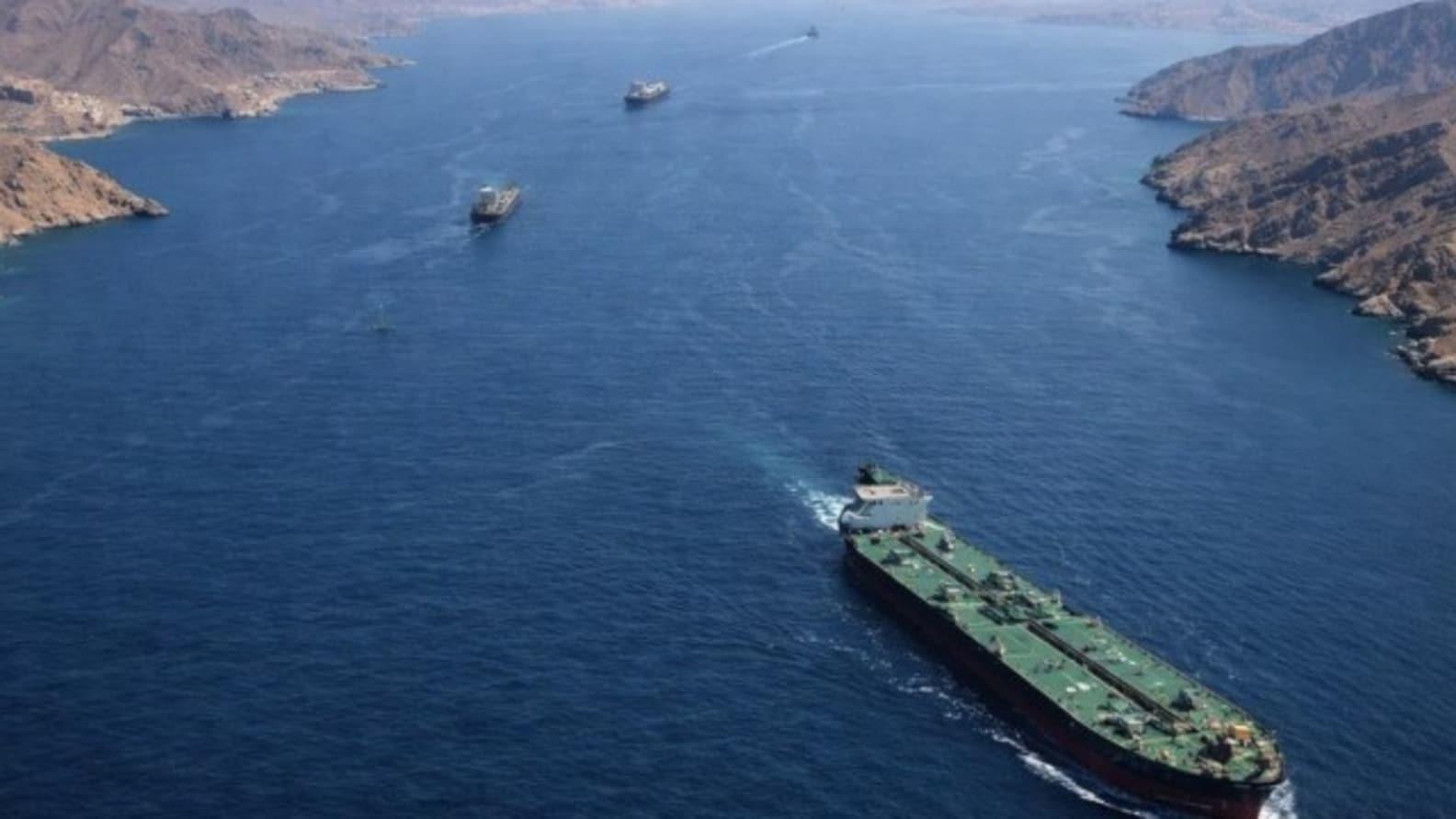
Indian seafarers killed in the Gulf crisis have become the focus of growing public anger after three Indian sailors lost their lives aboard the tanker MT Settebello near Oman. The incident has sparked diplomatic tensions, renewed debate over maritime security, and raised questions about the safety of thousands of Indian workers serving on ships in one of the world’s most dangerous shipping corridors.
The deaths occurred after a U.S. military operation targeted the Palau-flagged tanker in waters near the Gulf of Oman. Indian authorities confirmed that three crew members died while 21 others were rescued. The tragedy has prompted protests, political criticism, and calls for stronger protection of Indian maritime workers operating in conflict zones. Why this matters now: India is one of the world’s largest suppliers of seafarers, and escalating tensions in the Gulf threaten both lives and global trade routes.
Growing Grief Across India as Families Demand Answers
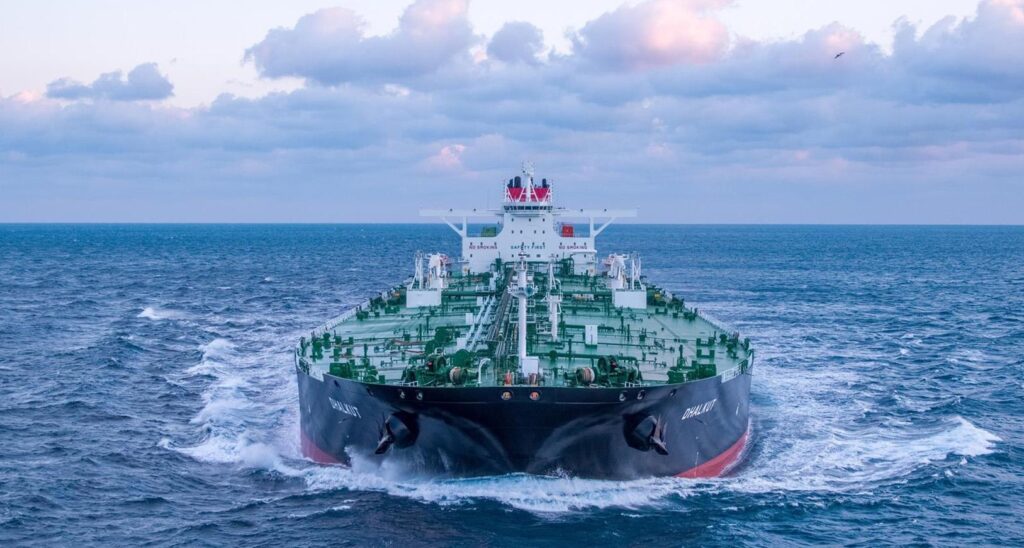
The loss of the three sailors has deeply affected communities across India. Families of the victims have expressed shock and frustration, saying they were unaware of the level of danger their loved ones faced while working in Gulf waters. For many maritime workers, overseas shipping jobs provide the primary source of income for their families.
The emotional impact has extended beyond the affected families. Maritime unions, shipping professionals, and local communities have raised concerns about whether enough measures are being taken to protect civilian crews operating near active conflict zones. The incident has become a national discussion about worker safety and government responsibility during international crises.
India Lodges Strong Diplomatic Protest
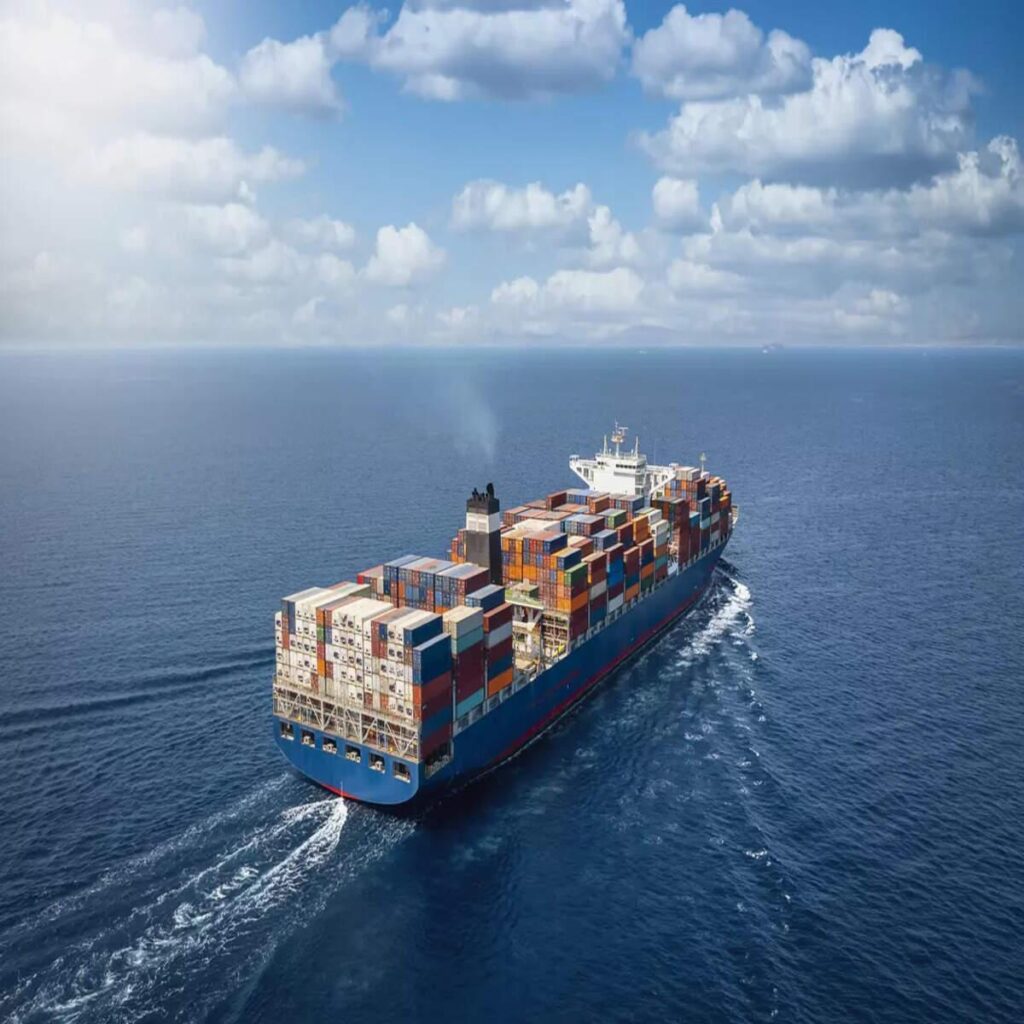
The Indian government responded by formally protesting the strike and summoning a senior U.S. diplomat. Officials stated that the use of deadly force against civilian shipping raises serious concerns regarding maritime safety and international commerce.
India has also emphasized the need to protect commercial vessels and civilian crews navigating through strategic waterways. Government officials continue to monitor developments closely while coordinating with maritime authorities and international partners. The diplomatic response reflects the seriousness with which New Delhi views attacks involving Indian nationals.
Why the Gulf Region Remains Critical to Global Trade
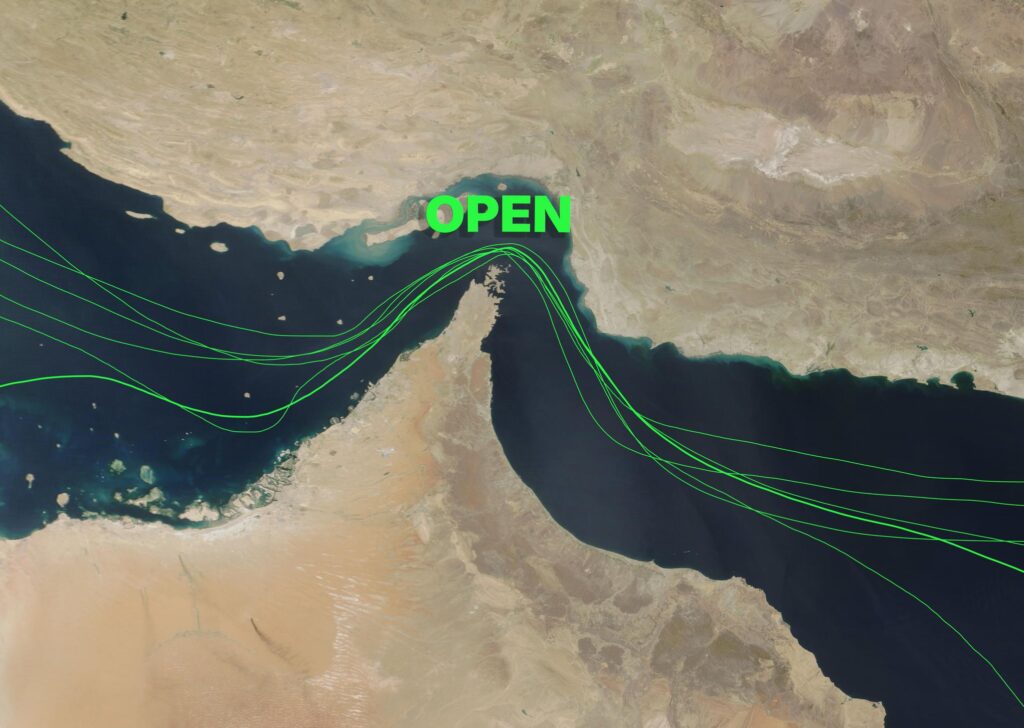
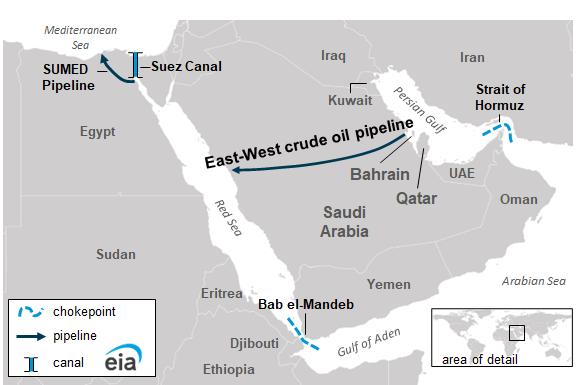
The Gulf of Oman and nearby Strait of Hormuz are among the most important shipping routes in the world. A significant portion of global oil and natural gas supplies pass through these waters every day, making the region essential for international energy markets.
Any disruption in this corridor can have consequences far beyond the Middle East. Increased risks to shipping can raise transportation costs, affect energy prices, and create uncertainty for businesses worldwide. The latest incident highlights how regional conflicts can quickly impact global trade networks and civilian maritime workers.
Indian Seafarers Play a Major Role in Global Shipping
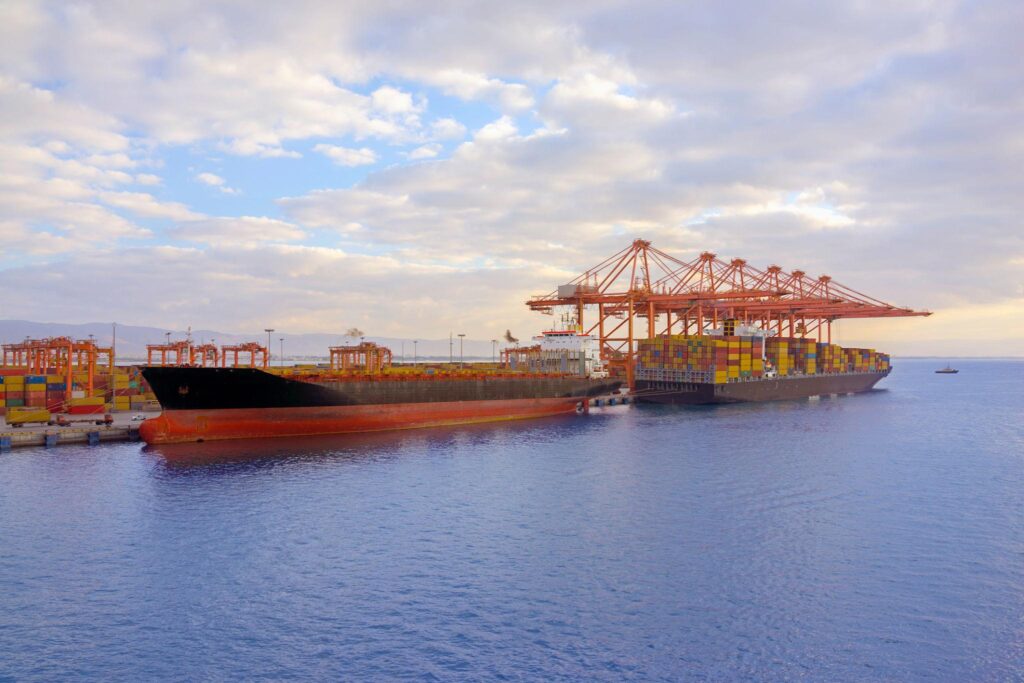
India is one of the world’s largest providers of maritime labor. Hundreds of thousands of Indian seafarers work aboard international cargo ships, tankers, and commercial vessels. Their expertise makes them a vital part of the global shipping industry.
Because Indian crews serve on ships registered under many different national flags, geopolitical conflicts can place them in unexpected danger. Maritime organizations warn that repeated attacks could discourage new workers from entering the profession, potentially creating labor shortages across the shipping sector. Industry leaders are now calling for stronger international safeguards to protect crews operating in conflict-prone waters.
Political Pressure Builds Ahead of Key Diplomatic Meetings
The incident has also become a political issue inside India. Opposition leaders and foreign policy analysts have urged stronger engagement with international partners and greater efforts to ensure the safety of Indian citizens working abroad.
Attention is now turning toward upcoming diplomatic meetings where the issue may be discussed at the highest levels. Analysts believe the tragedy could influence broader conversations about maritime security, international shipping rules, and civilian protection during military operations. As tensions continue in the region, governments around the world are watching closely for signs of further escalation.
What Happens Next?
Investigations and diplomatic discussions are expected to continue in the coming days. India has increased monitoring of maritime developments and remains in contact with shipping companies and international authorities. Meanwhile, concerns remain for thousands of seafarers still operating in Gulf waters amid ongoing regional tensions.
The deaths of the three Indian sailors have transformed what might have been viewed as a distant geopolitical event into a deeply personal national issue. For many families, maritime workers, and policymakers, the tragedy serves as a reminder that global conflicts often carry human consequences far beyond the battlefield.
As international attention focuses on maritime security, the central question remains whether stronger protections can be implemented before more civilian sailors are placed in harm’s way.
Subscribe to trusted news sites like USnewsSphere.com for continuous updates.