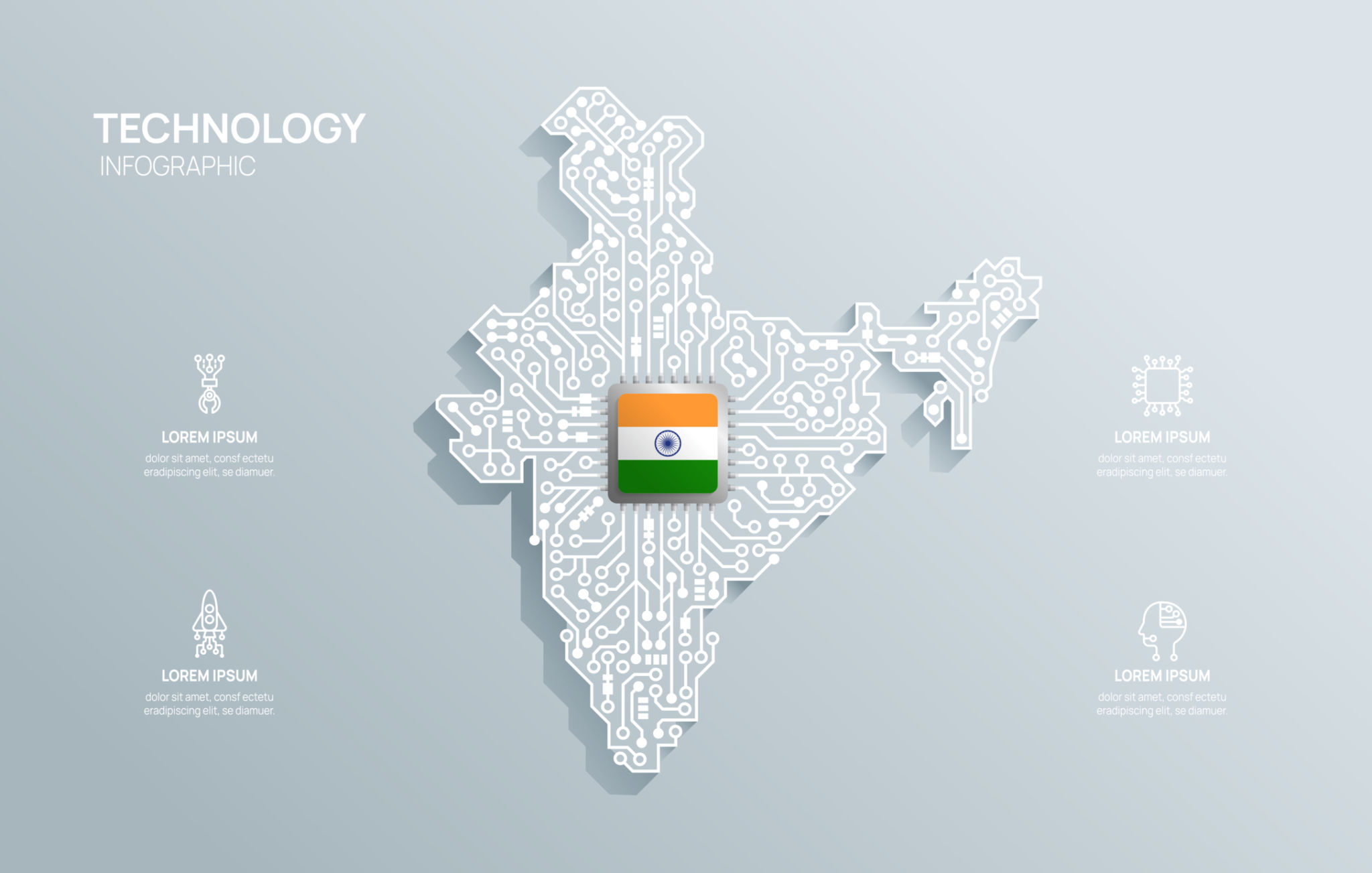
India’s bold push for semiconductor and electronics manufacturing, backed by a ₹40,000 crore investment and new strategic policies, signals a major shift in technology self-reliance and global tech competitiveness. It directly addresses global supply chain concerns and rising trade tensions with the United States, while laying the foundations for AI, semiconductor design, and electronics ecosystems. Experts and industry leaders say this transformative strategy will reshape India’s role in critical tech sectors for the next decade.
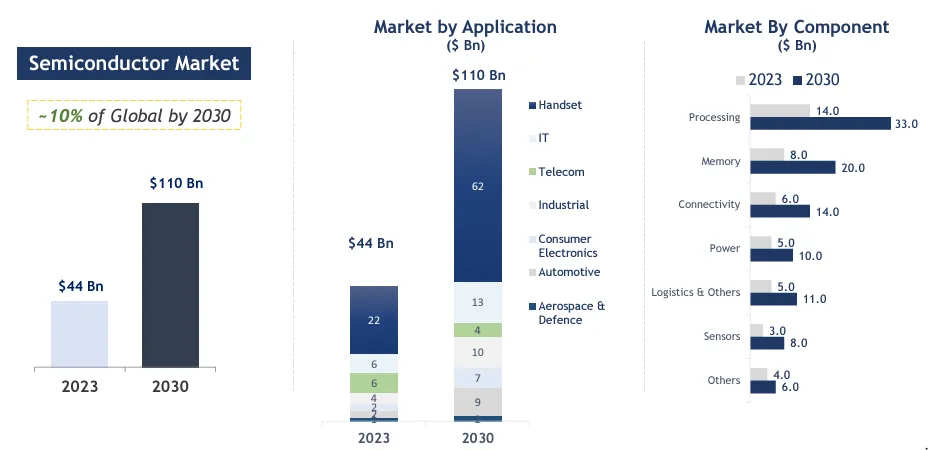
Who / What / Why / Impact: In India’s 2026-27 federal budget, Finance Minister Nirmala Sitharaman introduced the India Semiconductor Mission 2.0 and increased the Electronics Components Manufacturing Scheme (ECMS) outlay to ₹40,000 crore to accelerate domestic production of semiconductor equipment, materials, and advanced electronics. The initiative aims to reduce dependence on imports, attract foreign investment, create skilled jobs, and position India as a global tech hub.
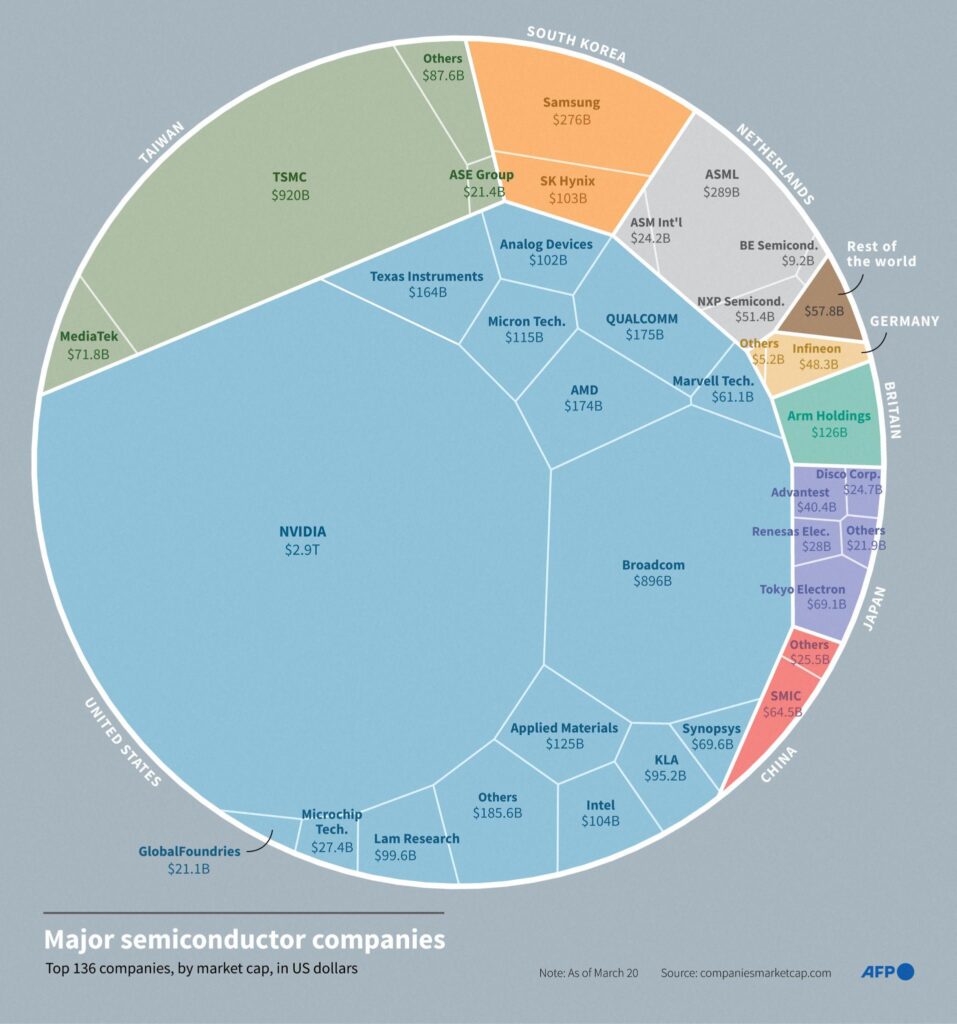
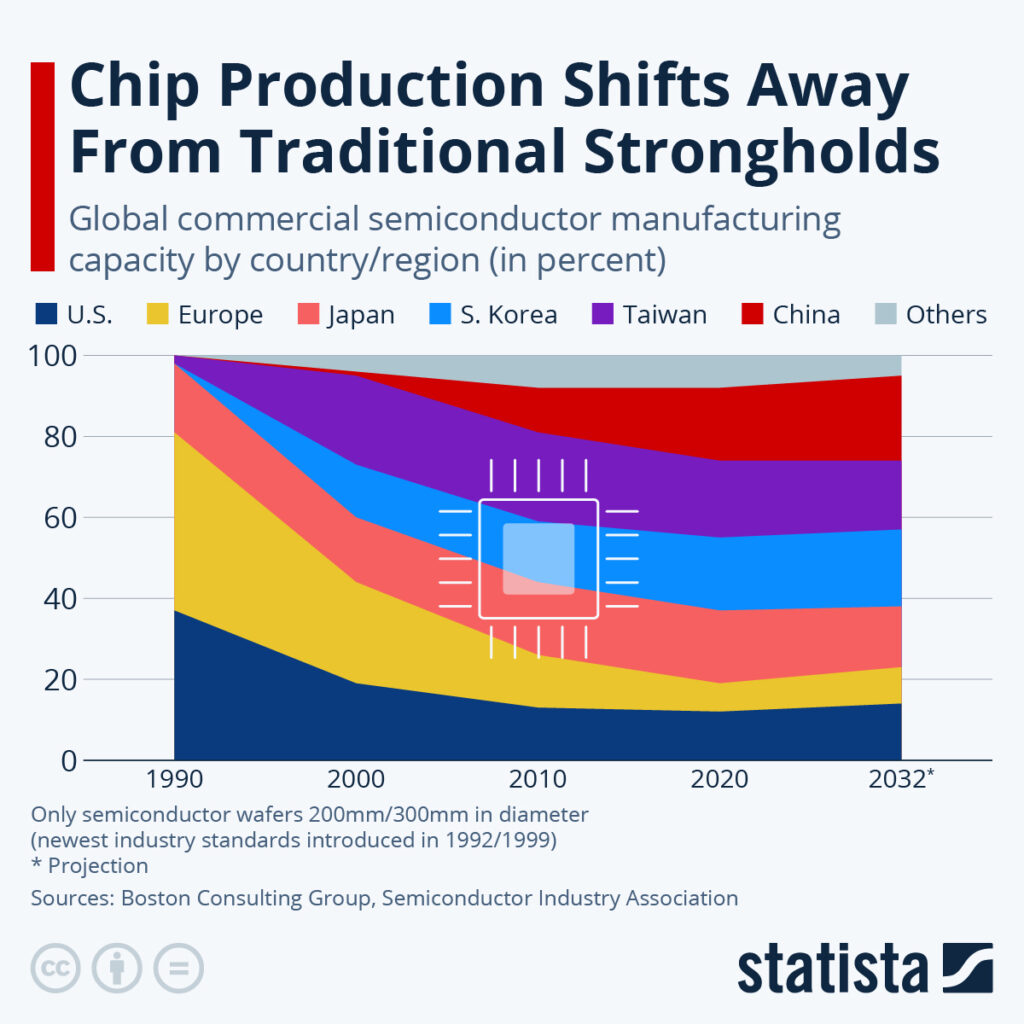
The global semiconductor industry is currently valued at over $600 billion and is projected to cross $1 trillion by 2030, driven by explosive demand from artificial intelligence, electric vehicles, cloud computing, smartphones, and defense systems. According to industry estimates, advanced AI chips alone are expected to grow at a compound annual growth rate above 20% this decade. At present, more than 75% of global chip manufacturing is concentrated in East Asia, making supply chains vulnerable to geopolitical risks, trade restrictions, and regional conflicts. This heavy concentration has pushed major economies, including the United States, the European Union, and India, to aggressively localize semiconductor production.
Why this matters now: With global chip supply chains strained and geopolitical uncertainties affecting manufacturing and trade, India’s investment in tech infrastructure comes at a crucial time. It strengthens economic resilience, boosts high-value manufacturing, and builds momentum in artificial intelligence research and digital infrastructure.
India’s Homegrown AI Models Powering the Country’s Sovereign AI Push
India is no longer just using global artificial intelligence platforms — it is actively building its own AI models designed specifically for Indian languages, governance needs, businesses, and real-world challenges. Below are 11 key AI models and initiatives developed in India, what they are, why they matter, and how they are different.
BharatGPT – India-First Conversational AI
BharatGPT is one of India’s earliest large language models built to serve Indian users in their own regional languages. Unlike global chatbots trained mainly on Western data, BharatGPT focuses on Indian culture, accents, and use cases such as banking, customer support, government services, and education. It supports voice and text conversations and is designed to work even in low-bandwidth environments, making it suitable for mass adoption across India.
BharatGen – India’s Multilingual Foundation Model
BharatGen is a foundational AI model created to support more than 22 Indian languages. It is being developed as a sovereign alternative to foreign AI systems, ensuring sensitive Indian data remains within the country. BharatGen is designed to handle text, images, and speech, making it useful for government platforms, public information systems, and digital governance projects.
Sarvam AI Models – Sarvam-1 and Sarvam-M
Sarvam AI is building advanced language models specifically for India’s linguistic diversity. Sarvam-1 is a smaller model optimized for efficiency, while Sarvam-M is a much larger model built for complex reasoning and enterprise-level tasks. These models are part of India’s national AI mission and are trained on Indian languages, official documents, and real public-sector data.
Fractal Analytics Foundation AI Models
Fractal Analytics is developing reasoning-focused AI models aimed at healthcare, finance, and scientific analysis. These models are designed to perform structured thinking tasks rather than just text generation. The goal is to help Indian enterprises and hospitals use AI for decision-making, diagnostics, and large-scale data interpretation.
Tech Mahindra Indic Language AI Model
Tech Mahindra is building a large language model tailored for Indian government workflows and enterprise systems. This model focuses on Hindi and other Indian languages and is optimized for official documentation, compliance, customer support, and digital public services. It is designed to integrate easily with government platforms and large corporate IT systems.
BrahmAI by ZenteiQ
BrahmAI is a powerful multimodal AI model developed in India for engineering, scientific research, and industrial intelligence. It is designed to process complex data such as technical documents, simulations, and visual inputs. BrahmAI targets sectors like manufacturing, energy, and advanced research rather than consumer chat applications.
Genloop AI Models – Yukti, Varta, and Kavach
Genloop is developing multiple AI models focused on governance, safety, and communication. Yukti focuses on reasoning and decision support, Varta is designed for multilingual communication, and Kavach is built for content moderation and digital safety. These models aim to support public platforms, media monitoring, and regulatory use cases in India.
Avataar.ai Digital Human Models
Avataar.ai is building AI-powered digital humans that can interact with users through speech and visuals. These models are being used in sectors like agriculture advisories, healthcare guidance, education, and customer support. The focus is on creating human-like AI assistants that can communicate naturally in Indian languages.
OpenHathi – Hindi-English Language Model
OpenHathi is an open-source language model trained primarily on Hindi and English content. It is designed for developers, researchers, and startups that want an Indian-friendly alternative to foreign LLMs. OpenHathi focuses on bilingual understanding, translation, and content generation for Indian users.
IndiaAI Foundational Model Initiative
The IndiaAI Mission is a government-led initiative that funds and supports multiple Indian startups and research teams to build foundational AI models. Instead of relying on a single system, this initiative encourages multiple specialized Indian AI models covering governance, healthcare, education, and business applications.
AI4Bharat Models for Indian Languages
AI4Bharat
AI4Bharat, based at IIT Madras, has developed several open-source AI models such as IndicBERT and IndicBART. These models focus on translation, speech recognition, and text understanding for Indian languages. AI4Bharat plays a critical role in building the open infrastructure behind India’s language AI ecosystem.
Why These Indian AI Models Matter
Together, these models represent India’s shift toward AI self-reliance. They reduce dependence on foreign platforms, protect national data, support regional languages, and enable AI adoption across government, startups, and enterprises. Rather than copying Western AI systems, India is building context-aware AI designed for its own people and institutions.
A New Chapter in India’s Tech Manufacturing Ambition
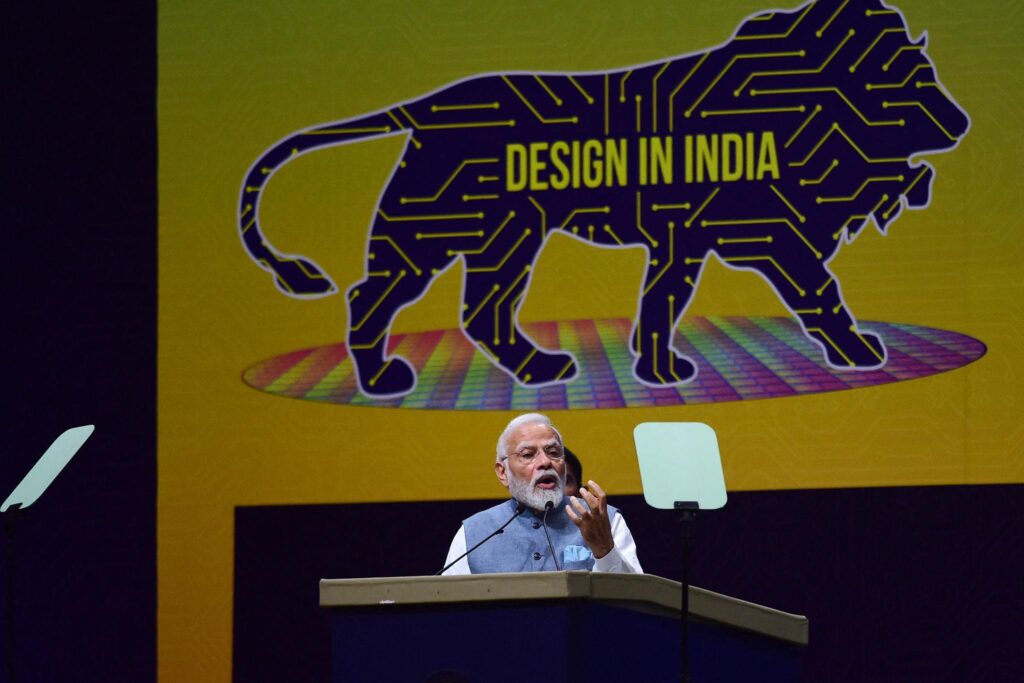
India has historically relied on imports for semiconductors and high-end electronics, a vulnerability exposed during global disruptions like the COVID-19 pandemic. Policymakers and industry advocates have pushed for a comprehensive roadmap to build indigenous capabilities for years. The new semiconductor mission builds on earlier efforts to expand electronics production and R&D.
The expanded outlay for the Electronics Components Manufacturing Scheme — the biggest boost in India’s technology budget — is expected to trigger significant investment from both domestic and foreign players. It also aligns with incentives such as tax holiday schemes for cloud and AI infrastructure investment that extend through 2047, making India an attractive base for global tech companies.
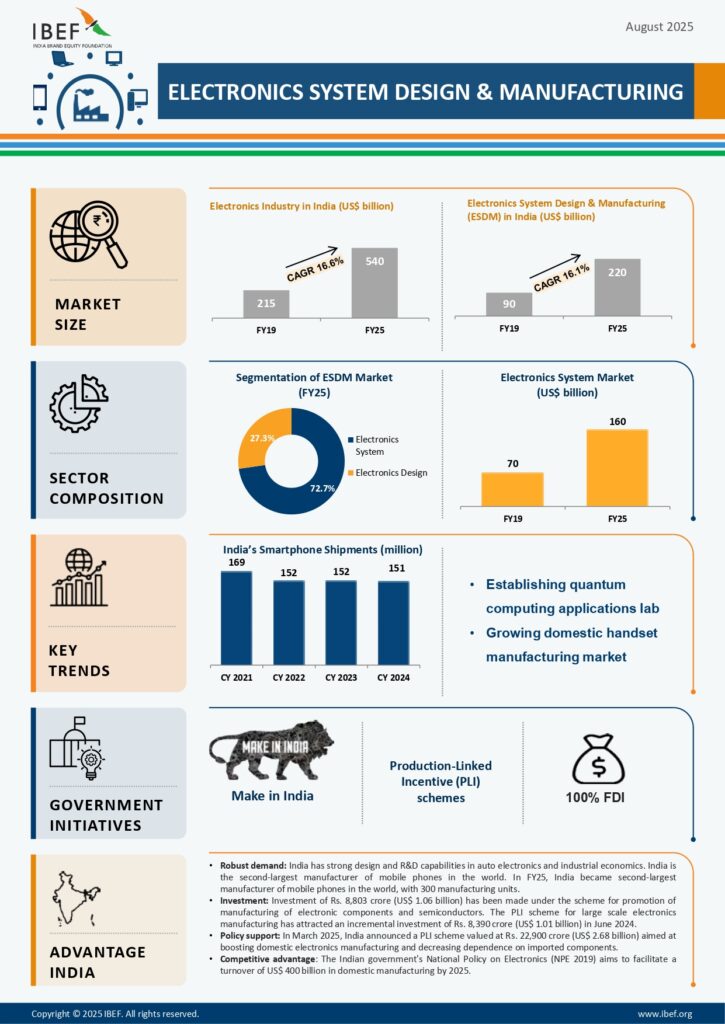
India currently imports over 90% of its semiconductors, with annual chip imports estimated at $25–30 billion, a figure projected to exceed $80 billion by 2030 if domestic manufacturing does not scale. Semiconductors are now one of India’s fastest-growing import categories, surpassing even oil imports in some technology-intensive sectors. Any global disruption — whether due to sanctions, export controls, or shipping bottlenecks — directly impacts India’s telecom networks, automobile production, consumer electronics, and defense readiness. This dependency has become a strategic and economic vulnerability rather than just a trade issue.
Strategic Goals of India Semiconductor Mission 2.0
The mission’s primary goals include:
- Domestic production of semiconductor equipment, materials, and design capabilities is reducing dependency on imported chips.
- Establishing full-stack Indian intellectual property (IP) and supply chains, laying the foundation for future innovation.
- Strengthening workforce skills and R&D infrastructure through dedicated training centers and industry partnerships.
- Supporting design ecosystems that can compete globally.
Industry responses have been positive, with many leaders saying the mission will help India compete directly with global tech powerhouses. Strengthened policy incentives for data centres, cloud infrastructure, and AI research are seen as amplifiers of this agenda.
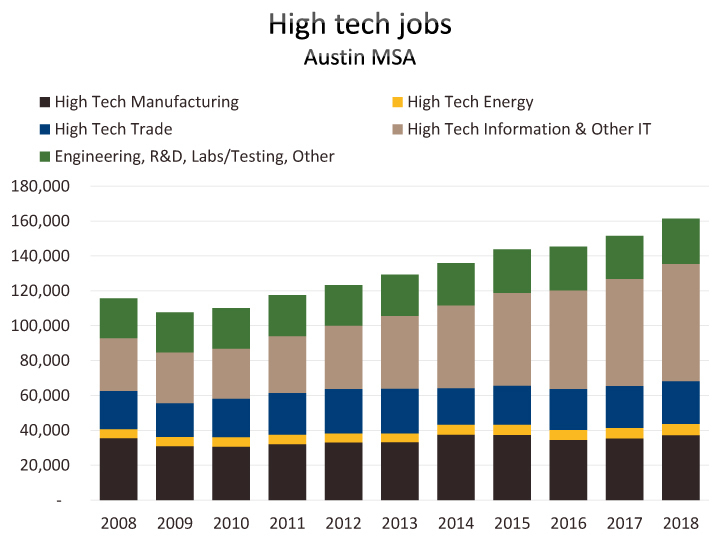
Government and industry projections indicate that India’s semiconductor and electronics manufacturing push could generate over 1 million direct and indirect jobs by 2030. These include high-skill roles such as chip design engineers, materials scientists, AI researchers, and fabrication specialists, as well as large-scale employment in logistics, construction, equipment maintenance, and testing services. Each semiconductor fabrication unit typically creates 5–10 additional jobs per direct role, multiplying its economic impact across regions. This makes semiconductors one of the highest job-multiplier industries in modern manufacturing.
Economic and Global Implications
Experts believe this strategy will boost India’s ecosystem resilience and economic competitiveness in two major ways:
- Reducing the technology trade gap by building long-term production capabilities locally.
- Attracting foreign direct investment (FDI) from tech giants and semiconductor players looking for stable, scalable manufacturing locations.
India’s strategy mirrors similar large-scale moves by other global powers. The United States has committed over $52 billion under its semiconductor incentives, while China has invested more than $150 billion over the last decade to dominate chip manufacturing and design. However, India’s approach differs by focusing not only on fabrication plants but also on chip design, packaging, testing, AI infrastructure, and electronics components, creating an integrated ecosystem rather than a single-stage supply chain. Analysts say this diversified strategy could allow India to scale faster while avoiding the extreme capital risks faced by pure fabrication-only models.
This strategy also dovetails with global trends such as the U.S. CHIPS and Science Act, a multi-billion-dollar initiative to strengthen domestic chip output, illustrating a broader shift toward tech sovereignty and supply chain diversification.
What It Means for India’s Tech & Startup Ecosystem
India’s tech economy — from AI startups to cloud infrastructure firms — stands to benefit significantly. By boosting spending on semiconductor infrastructure and AI-related incentives, the government is sending a clear message that technology and innovation are national priorities.
Some of the direct impacts include:
- Boosted job creation in engineering, manufacturing, and R&D roles.
- More investment opportunities for domestic startups and global firms.
- Enhanced export potential for Indian designed and manufactured electronic products.
- Significant spillovers into adjacent sectors like telecommunications, automotive electronics, defence, and consumer electronics.
Artificial intelligence is rapidly becoming the single largest driver of semiconductor demand. Training one large AI model can require tens of thousands of high-performance chips, consuming massive computing power and electricity. Global spending on AI infrastructure is expected to exceed $300 billion annually by the early 2030s, with cloud data centers accounting for a major share. India’s push to support AI-ready semiconductor manufacturing positions the country to serve not only domestic needs but also global enterprises seeking diversified and stable chip supply sources amid rising AI demand.
Long-Term Vision: Competitive Tech Leadership
By initiating India Semiconductor Mission 2.0 and allocating ₹40,000 crore to technology and electronics manufacturing, India lays the groundwork for a self-sustaining, globally competitive tech ecosystem. This directly contributes to broader national goals such as digital transformation, export growth, and innovation leadership.
Semiconductors now account for over 30% of the total cost of modern vehicles, highlighting their growing role beyond consumer electronics.
For investors and industry leaders alike, this move signifies India’s willingness to compete head-on with established tech markets and sets the stage for transformative growth in semiconductors, artificial intelligence, and digital infrastructure.
Subscribe to trusted news sites like USnewsSphere.com for continuous updates.