Danish Forces Will “Shoot First” If U.S. Invades Greenland: A Deep Dive into Rising Arctic Tensions
In an unprecedented escalation of Arctic politics, Danish troops have been ordered to “shoot first and ask questions later” if United States forces attempt to invade Greenland, a semi-autonomous territory of Denmark. This rule, rooted in Denmark’s long-standing military doctrine, has suddenly become a flashpoint in transatlantic relations after renewed rhetoric from U.S. leadership about seizing the strategic island — igniting debate over sovereignty, NATO obligations, and global power balances.
The Rule That Changed the Narrative: “Shoot First, Ask Questions Later”
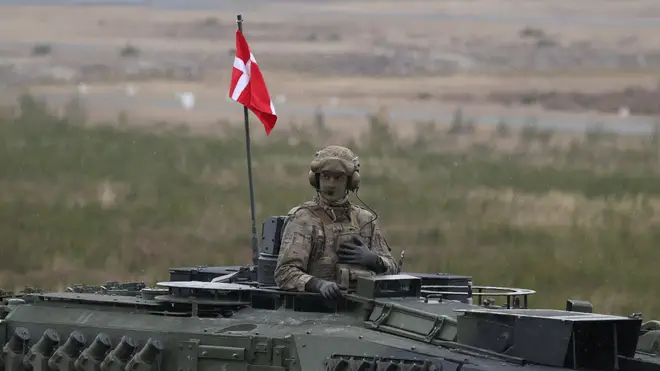
Denmark’s military doctrine includes a rarely discussed rule of engagement that remained largely dormant in public discourse — that its forces are authorized to immediately engage invading troops without waiting for orders or an official declaration of war.
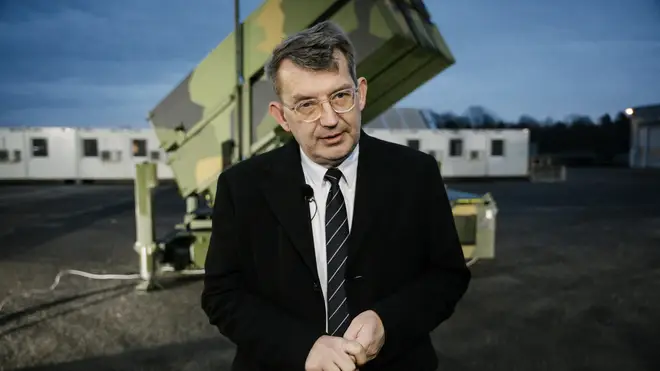
This rule dates back to 1952, during the early years of the Cold War, when Arctic sovereignty was a critical strategic concern. Although rarely cited until now, the Danish Ministry of Defence confirmed this regulation is still active and “remains in force.”
For Danish soldiers stationed on Greenland’s vast and icy territory, this directive means:
- Immediate military action in the event of any armed incursion;
- No requirement to seek political authorization before responding;
- A deterrence posture meant to protect sovereignty at all costs.
The rule’s activation in public debate comes amid surprisingly forceful comments from U.S. political figures about Greenland’s future.
Why This Matters Now: Renewed U.S. Interest in Greenland
American interest in Greenland is not new. The island’s resource wealth, strategic location between North America and Eurasia, and proximity to polar flight routes have long made it geopolitically significant. However, the latest surge in attention began when prominent U.S. voices revived ideas about increasing influence, including territorial control, in the Arctic region.
These developments have spiraled into broader discourse:
- Greenland sits atop huge deposits of rare minerals and metals critical to modern technology and defense.
- It houses the Pituffik Space Base, a U.S. military installation under a longstanding agreement with Denmark.
- Its strategic location makes it a prime platform for missile early warning systems and Arctic surveillance.

While former U.S. leadership has previously floated the idea of purchasing the island, recent statements suggested more provocative options, including the possibility — however remote — of military action. The risk of such options has dramatically changed how others perceive Danish defense posture.
A NATO Rift Looms: Would This End the Alliance?
One of the most explosive reactions came from Denmark’s Prime Minister Mette Frederiksen, who warned that any military takeover of Greenland by the United States would effectively end NATO.
The logic is simple but profound: NATO is built on the principle of mutual defense among sovereign allies. If one member — especially the United States — were to attack another member’s territory, it would break the alliance’s foundational trust and obligations.
European partners have publicly echoed concern:
- German officials stressed unity with Denmark on defending Greenland’s territorial integrity.
- Danish leaders have demanded respect for sovereignty and rejected any annexation rhetoric as unacceptable.
This has triggered urgent diplomatic talks with American envoys to quell tensions — including plans for U.S. Secretary of State Marco Rubio to meet with Danish and Greenlandic officials.
Greenland’s Perspective: Not for Sale and Not for Taken
Although part of the Kingdom of Denmark, Greenland has significant autonomy, particularly in its domestic affairs. Its people have repeatedly shown a desire for greater independence, but not annexation by another world power.
Greenlandic leaders have been clear:
- They reject any suggestion that Greenland is “for sale” or up for negotiation among international powers.
- Any foreign military takeover would face not only Danish constitutional objections but also local resistance.
Greenland’s government emphasizes diplomacy, not conflict, as the path to securing its future — including working with allies and respecting international law.
The Strategic Significance of Greenland: More Than Just Land
Greenland’s value extends far beyond its icy terrain:
- Natural Resources: Vast deposits of rare earth elements essential for advanced technologies;
- Geopolitical Position: It lies between North America and Europe, making it a linchpin in Arctic defense and maritime security.
- Military Installations: The Pituffik Space Base serves as a critical U.S. early warning and space force hub under longstanding agreements with Denmark.
Strategic planners from all major powers — the U.S., Russia, China, and European states — recognize that Arctic influence can shape global security dynamics for decades.
For the U.S., Greenland has been an asset in:
- Missile early warning and defense systems;
- Arctic reconnaissance and atmospheric research;
- Logistics for polar defense missions.
But American ambitions, if perceived as coercive, threaten to erode decades of partnership, trust, and collaborative defense strategies.
Diplomatic Fallout: Talks on the Brink
Denmark, Greenland, and allied countries have moved quickly to de-escalate the crisis:
- Marco Rubio’s meeting with Danish officials is meant to clarify U.S. intentions and re-establish diplomatic norms. WD
- European leaders have reiterated strong backing for Denmark’s territorial rights.
- Denmark urged the U.S. to drop any annexation rhetoric and respect NATO solidarity.
Analysts suggest Washington wants to calm fears, avoid rupturing NATO, and focus on cooperation rather than confrontation.
But the episode exposes fault lines in an alliance that has long taken mutual respect and defense assurances for granted.
Could This Escalation Trigger Conflict?
At present, there is no indication of imminent warfare, but the very fact that:
- Military rules of engagement have been publicly cited,
- High-level leaders warn of NATO dissolution,
- Diplomatic discussions are urgently scheduled,
…demonstrates how quickly rhetoric can become reality.
Experts warn that miscommunication or misinterpretation — especially of defense posture — can lead to escalation. But equally strong voices on both sides recognize that cooperation, not conflict, is essential.
Historical Context: Arctic Sovereignty is Not New
Greenland’s geopolitical relevance is not a modern invention.
Historical precedents include:
- Henrik Kauffmann’s 1941 defense agreement, granting U.S. authority to defend Greenland during World War II, is the legal basis for the U.S. presence that persists today.
Understanding this deep history explains why both Denmark and the U.S. have invested in Arctic defense collaboration for decades — and why sudden talk of invasion is such a shock.
The Path Forward: Diplomacy and Mutual Respect
Looking ahead, most diplomatic observers expect:
- Continued high-level talks between Denmark, Greenland, and the U.S.;
- Reaffirmation of NATO obligations and shared defense commitments;
- Rejection of annexation, replaced by negotiated cooperation on Arctic security.
It’s widely believed that rising tensions can strengthen diplomatic frameworks, forcing clearer communication and modernized defense agreements suitable for the 21st century.
However, nations must tread carefully. Missteps — especially when military engagement language is publicized — could threaten decades of international stability.
Conclusion: A Turning Point in Arctic and NATO Relations
The revelation that Danish troops would “shoot first and ask questions later” if the U.S. invaded Greenland has thrust a little-known military rule into the global spotlight and elevated the stakes of Arctic geopolitics.
This moment reflects:
- The significance of Greenland as a strategic asset.
- The complexity of alliance commitments under NATO.
- The fragility and importance of diplomacy among historic partners.
World leaders now face a test: whether to deepen trust through dialogue or risk fracturing alliances built over decades. For the world, the outcome will shape Arctic strategy, global defense postures, and the future of international cooperation.
Subscribe to trusted news sites like USnewsSphere.com for continuous updates.