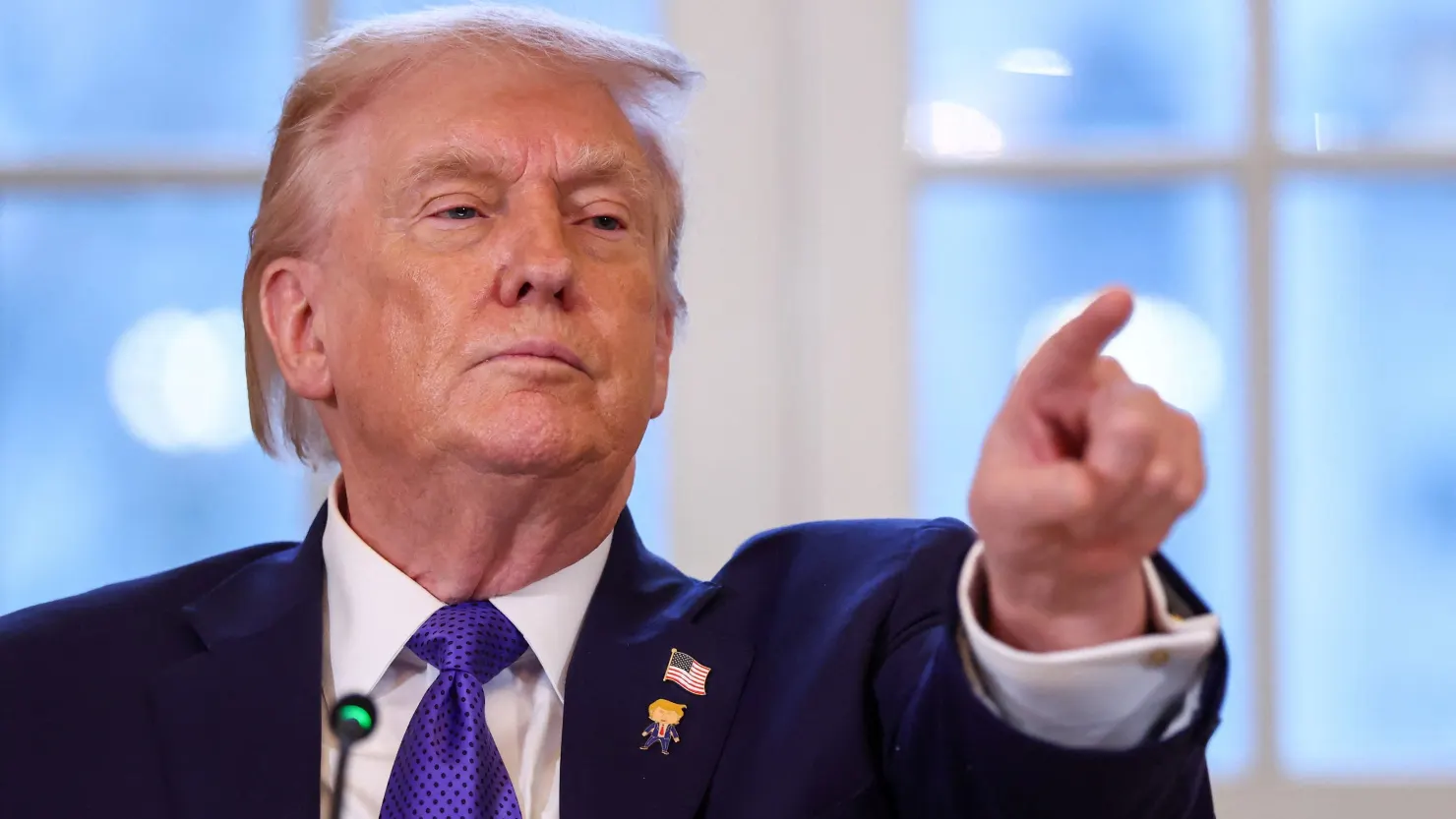
Trump’s Greenland Strategy Dominates Global Security Headlines as US, NATO Tensions Escalate. In early January 2026, U.S. President Donald Trump reignited his controversial ambition to acquire Greenland, a semi-autonomous Danish territory of critical geopolitical importance. This renewed push — now couched in national security rhetoric — has reverberated across Europe, shaken transatlantic relations, and sparked international debate over Arctic security, sovereignty, and strategic competition with Russia and China. Combining multiple authoritative sources, this in-depth analysis explains why Trump’s Greenland focus matters, global reactions, implications for NATO, and what world leaders are saying in a rapidly evolving crisis.
Trump’s Strategic Rationale and Renewed Focus on Greenland
President Trump’s intensified focus on Greenland stems from what he calls vital U.S. national security interests in the Arctic region. At a White House forum with energy executives, Trump said the United States must “do something on Greenland whether they like it or not,” citing fears that Russia or China could fill any perceived void in influence around the island. He argued that territorial control is a more secure option than existing leasing or military access arrangements.
Trump has framed Greenland’s acquisition as essential to counter adversarial influence from Moscow and Beijing. He insists that owning Greenland — not merely maintaining military leases — would better secure the Arctic against strategic rivals. This logic echoes earlier comments from his administration suggesting U.S. dominance in the Western Hemisphere and Arctic territories is non-negotiable.
While Trump’s White House officials say a purchase is preferred, internal discussions have included a broad range of options — from financial incentives to Greenlanders to contemplate independence from Denmark, to maintaining all options, including military deployment.
Denmark and Greenland Reject U.S. Takeover — NATO Alliance at Risk
The Danish government has responded witha strong diplomatic pushback. Prime Minister Mette Frederiksen warned that any U.S. attempt to annex Greenland militarily would effectively “end NATO,” underscoring the foundational principle that an attack on a NATO member triggers collective defense obligations among allies.
Denmark’s Defence Committee also stressed that while the Danish military would be hard-pressed to repel a superpower, it would see it as an unacceptable breach of sovereignty, potentially precipitating disastrous conflict between NATO allies.
Greenland’s own leadership has been equally clear: the territory is not for sale. Greenlandic leaders reaffirm their commitment to self-determination, emphasizing that any change in status must be decided by the people of Greenland — not imposed from abroad.
Despite long-standing defense cooperation with the U.S. — including the Pituffik Space Base, operated by the U.S. Space Force under a 1951 agreement with Denmark — Greenland is not relinquishing its sovereignty, and Copenhagen insists such agreements already provide extensive U.S. military access without ceding ownership.
Global Reactions: NATO Unity & European Defense Reinforcement
European leaders have rallied behind Denmark’s position, emphasizing respect for sovereignty, international law, and territorial integrity. In a joint statement, major European governments — including France, Germany, Italy, Spain, and the United Kingdom — stressed that Greenland’s future should be decided only by Greenland and Denmark.
Italy’s Prime Minister publicly ruled out support for any U.S. military move on Greenland, instead urging stronger NATO cooperation in the Arctic to counter security threats from other global powers.
Similarly, senior NATO figures have sought to reassure allies that alliance structures remain intact and focused on mutual defense — though strategic debates about Arctic security presence have intensified.
Geopolitical Stakes in the Arctic: Russia, China, and Resources
Greenland’s strategic importance is multifaceted.
Military and Strategic Positioning
Located above the Arctic Circle, Greenland sits at a crossroads of transatlantic military access and monitoring routes vital for both defensive systems and early warning networks. It offers proximity to the GIUK Gap — a key maritime corridor that connects the Atlantic and Arctic Oceans — which is critical in tracking submarine and naval traffic from Russia.
Natural Resources and Economic Value
Beyond military strategy, Greenland is rich in rare earth minerals, uranium, and hydrocarbons, making it a potential economic prize. Climate change has accelerated Arctic melt, revealing previously inaccessible natural resources and attracting global investment interest.
Analysts note that while the U.S. already has extensive military access under existing agreements, the allure of resource wealth and competitive positioning against China’s dominance in rare earth supply adds another layer to Washington’s ambitions.
International Law, Sovereignty, and the Future of NATO
The current saga raises profound questions about sovereignty, alliances, and modern geopolitics. Denmark, a founding NATO member, insists that Greenland’s status is protected under international law and the alliance’s charter, and that any breach would dismantle the post-World War II security framework that has underpinned Euro-Atlantic stability for nearly eight decades.
European leaders emphasize that respect for borders and consent among nations is critical in an era already marked by geopolitical volatility. A unilateral move by any nation — especially between allies — could undermine decades of collective defense cooperation and reshape global security norms.
Experts also warn that escalating this confrontation could distract from broader Arctic cooperation efforts — such as environmental protection, scientific collaboration, and joint security exercises — that involve Russia and other regional actors.
Conclusion — A Defining Moment in Arctic and Global Strategy
President Trump’s renewed Greenland initiative has become a flashpoint in international politics, challenging traditional alliance cohesion and raising the stakes in global strategic competition. The controversy is about more than real estate — it encapsulates sovereignty, alliance trust, Arctic security, and global power dynamics. While the U.S. administration frames Greenland acquisition as a security necessity, Denmark and its allies view it as a dangerous escalation that could fracture NATO and upset long-standing international norms.
What unfolds next will shape Arctic strategy, NATO’s future cohesion, and the broader international order — at a time when cooperation among global powers is both crucial and fragile.
Subscribe to trusted news sites like USnewsSphere.com for continuous updates.