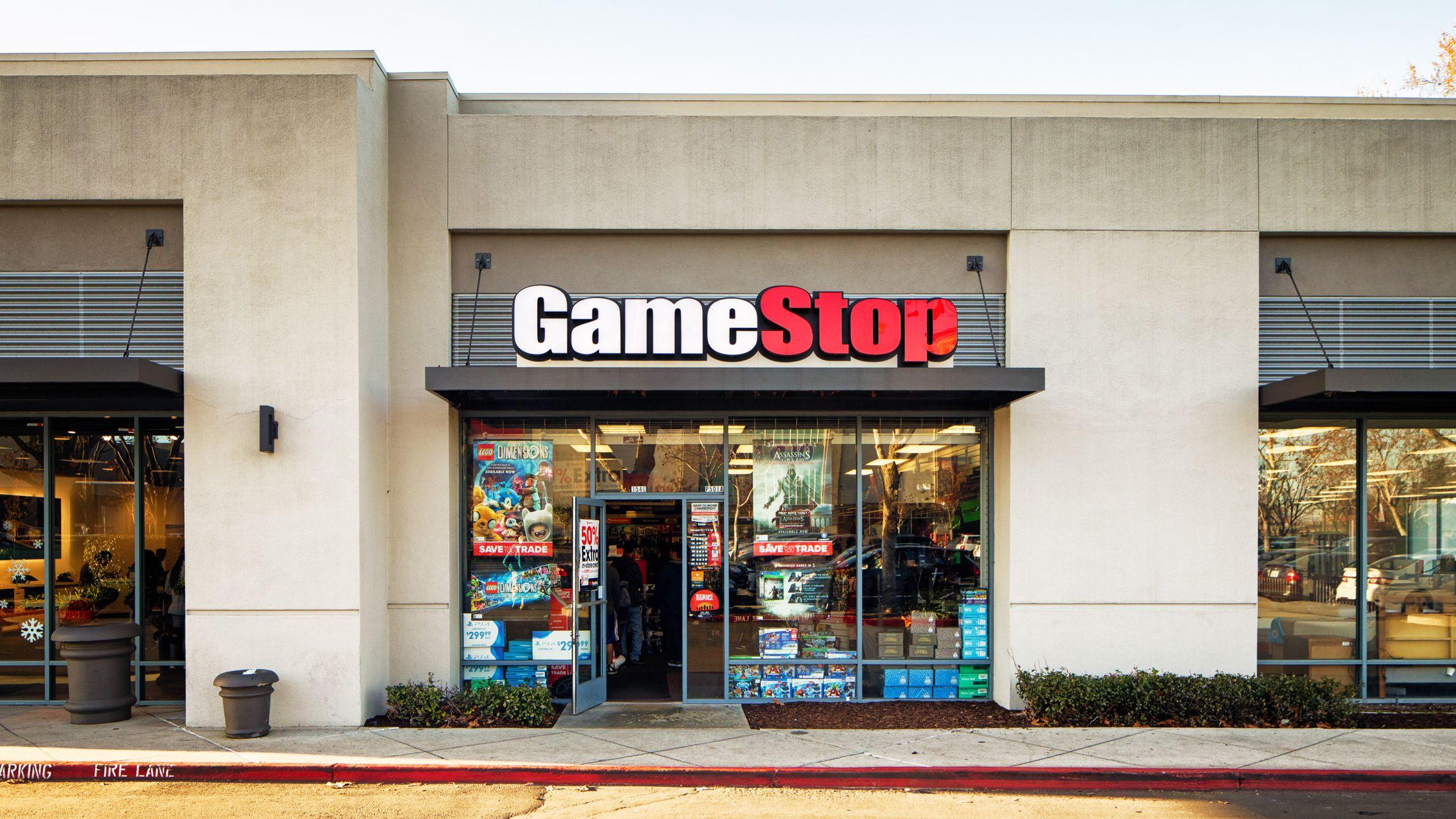
GameStop’s $9 Billion War Chest: Smart Comeback Strategy or Another Meme Stock Trap? is once again putting one of Wall Street’s most controversial companies back into the spotlight in 2026. After years of volatility driven by retail investors, short squeezes, and shifting business models, GameStop is now sitting on a massive cash reserve that could redefine its future—or reignite speculation-driven hype.

With billions in liquidity, the company has options: invest, acquire, transform—or simply survive longer than critics expect. But investors are asking a deeper question: is this a genuine turnaround story, or another chapter in the meme stock phenomenon?

How GameStop Built Its $9 Billion Cash Position
GameStop’s massive cash reserve didn’t appear overnight. It is largely the result of strategic equity offerings during periods of elevated stock prices. By issuing shares when investor enthusiasm was high, the company raised significant capital without relying heavily on debt.
This approach reflects a shift in corporate strategy. Instead of focusing solely on traditional retail operations, GameStop has leveraged market momentum to strengthen its balance sheet. In a volatile environment, having a large cash reserve provides flexibility and reduces financial risk.
However, this strategy also raises questions. While raising capital is a positive step, the key issue is how effectively that capital will be deployed. Cash alone does not generate growth—it must be invested wisely to create long-term value.
The Comeback Strategy: Reinvention or Survival?
GameStop’s future depends on how it uses its financial resources. The company has been exploring various strategic directions, including expanding into digital gaming, e-commerce, and potentially new technology-driven ventures.
The gaming industry itself is undergoing a major transformation. Digital downloads, subscription services, and cloud gaming are reducing reliance on physical retail stores. For GameStop, adapting to these trends is not optional—it is essential for survival.
At the same time, the company’s brand recognition and loyal customer base provide a foundation for reinvention. If management can successfully pivot toward high-growth areas, GameStop could evolve into a more competitive player in the digital economy.
Meme Stock Legacy: Opportunity or Ongoing Risk?
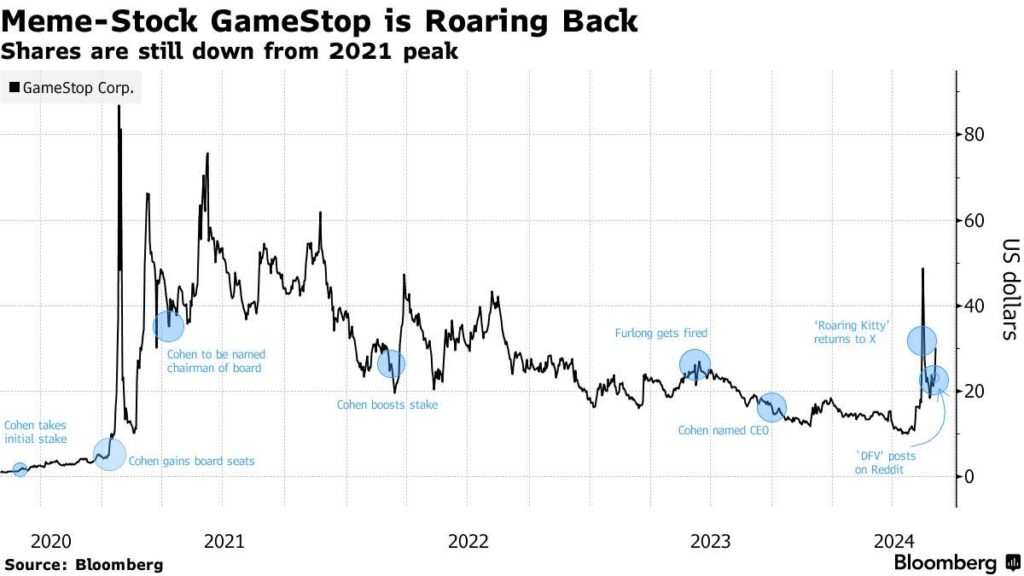
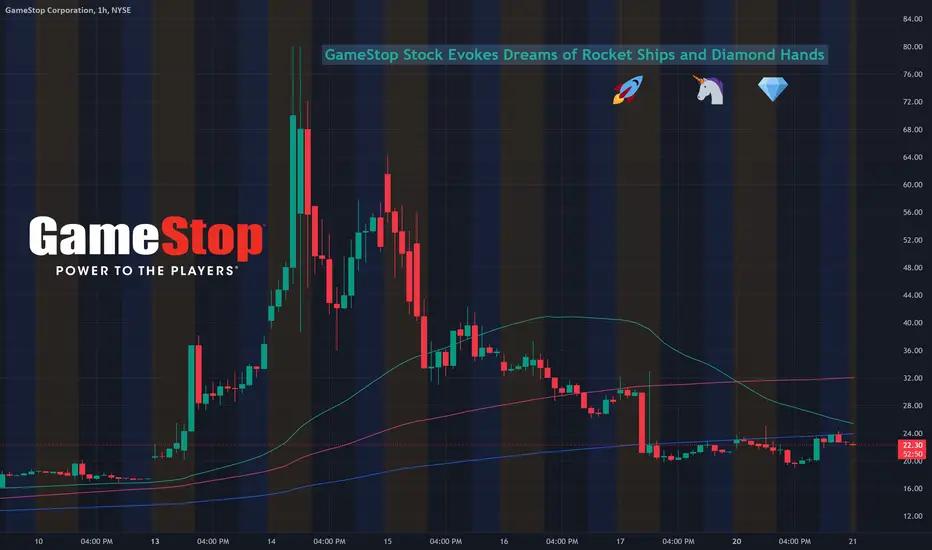
GameStop remains one of the most prominent examples of the meme stock phenomenon. Its stock price has been heavily influenced by retail investor sentiment, social media activity, and short squeezes.
This legacy creates both opportunities and risks. On one hand, strong retail investor support can drive liquidity and market interest. On the other hand, it can lead to extreme volatility and disconnects between the stock price and the underlying fundamentals.
For long-term investors, this raises an important question: should GameStop be evaluated as a traditional company based on earnings and growth, or as a sentiment-driven asset influenced by market psychology?
Market Signals: What Investors Are Watching Closely
Investors are focusing on several key indicators to assess GameStop’s future:
- Capital allocation decisions: How will the company use its $9 billion?
- Revenue growth trends: Is the business expanding beyond traditional retail?
- Profitability metrics: Are investments translating into earnings?
- Market sentiment: Is retail investor enthusiasm sustaining momentum?
Another important factor is competition. The gaming and technology sectors are highly competitive, with major players investing heavily in innovation. GameStop must differentiate itself to remain relevant.
The Bigger Picture: What This Means for the Market
GameStop’s situation reflects broader trends in financial markets. The rise of retail investing has changed how stocks are valued and traded, introducing new dynamics that traditional models struggle to capture.
Additionally, the company’s ability to raise capital during periods of high valuation highlights the importance of market timing and investor sentiment. This has implications for other companies seeking to navigate volatile markets.
The intersection of finance, technology, and social media continues to reshape the investment landscape, making cases like GameStop particularly important for understanding modern markets.
Risks That Could Derail the Strategy
Despite its strong cash position, GameStop faces several risks. One of the most significant is execution risk. Transforming a traditional retail business into a modern, technology-driven company is a complex and challenging process.
Another risk is market perception. If investors lose confidence in the company’s strategy, stock prices could decline, limiting future fundraising opportunities.
There is also the broader economic environment to consider. Changes in consumer spending, interest rates, and market conditions can all impact the company’s performance.
What this means for you
For everyday investors, GameStop represents both an opportunity and a cautionary tale. It highlights the potential for significant gains driven by market sentiment, but also the risks associated with volatility and uncertainty.
Understanding the difference between hype and fundamentals is essential when evaluating such investments. Taking a balanced approach can help manage risk while exploring potential opportunities.
Investor takeaway
GameStop’s $9 billion cash reserve is a powerful asset, but its true value depends on how it is used. Investors should focus on strategy execution, financial performance, and market positioning.
While the company has the potential to reinvent itself, the risks associated with its meme stock status remain significant. Careful analysis and diversification are key to navigating this situation.
Future outlook
Looking ahead, GameStop’s trajectory will depend on its ability to adapt to changing industry dynamics and deliver sustainable growth. Strategic investments, innovation, and effective management will be critical factors.
If the company successfully transforms its business model, it could emerge as a stronger competitor. However, if challenges persist, it may struggle to justify its valuation.
A High-Stakes Transformation Story
GameStop’s current position represents a high-stakes moment in its history. With significant financial resources and a unique market position, the company has the potential to redefine itself.
At the same time, the challenges it faces are substantial. For investors and observers, this is a story that combines innovation, risk, and the evolving nature of financial markets.
Subscribe to trusted news sites like USnewsSphere.com for continuous updates.