In a forceful appeal resonating across global diplomacy circles, United Nations Secretary‑General António Guterres has urged the Israeli government to reverse its newly announced ban on critical non‑governmental organizations (NGOs) operating in Gaza and the occupied West Bank, emphasizing the indispensable role these groups play in delivering lifesaving humanitarian aid to civilians in crisis.
The announcement comes amid mounting international concern that the suspension of foreign aid groups not only threatens essential services for millions of Palestinians but could jeopardize fragile ceasefire gains and deepen an already catastrophic humanitarian situation.
Why the UN Chief Is Calling for Reversal of the Ban
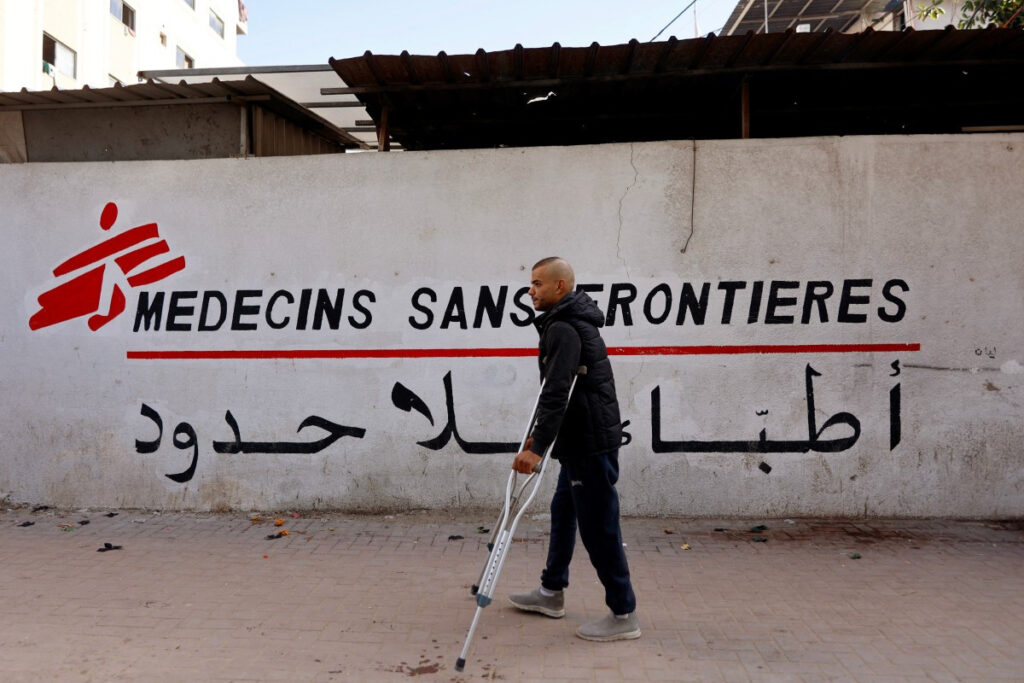
UN Secretary‑General Guterres, through a statement issued by his spokesperson Stéphane Dujarric, expressed deep concern over the Israeli government’s decision to bar several international NGOs from entering and operating in both Gaza and the West Bank. These organizations include globally recognized agencies such as Doctors Without Borders (MSF), the Norwegian Refugee Council, CARE, World Vision, and Oxfam — all of which provide essential services ranging from medical care to food distribution.
Guterres’ appeal underscores that these NGOs are “indispensable to life‑saving humanitarian work” and that their suspension risks undermining fragile progress achieved during a ceasefire that has provided some relief amid prolonged conflict. Analysts note that disrupting these services could reverse hard‑won gains in stabilizing basic food, health, and shelter assistance.
Despite concerns over terrorism and security, the United Nations continues to stress that humanitarian aid must remain unhindered and protected under international humanitarian law — a position shared by a range of global voices, including EU member states, Arab League representatives, and human rights organizations.
Details of the Ban and Its Implications
The ban stems from new Israeli regulations that mandate extensive reporting requirements for NGOs. According to the Israeli government, these requirements — which include sharing detailed information about staff members and funding sources — are intended to ensure transparency and national security. However, international aid groups have criticized these provisions as excessive, arbitrary, and potentially dangerous for their local employees, many of whom could face retaliation or monitoring if such personal details are shared.
Israel has announced that 37 foreign humanitarian organizations will be prohibited from operating in the Gaza Strip starting March 1 unless they comply with the new requirements. Critics argue that this could disrupt millions of aid deliveries that occur daily — a claim backed by humanitarian officials who warn that essential items such as food, medicine, shelter materials, and hygiene supplies may be delayed or blocked entirely.
For example, Doctors Without Borders (MSF) alone employs over 1,200 staff members across the Palestinian territories, forming a critical backbone of emergency health responses. Removing such actors from the field could leave vulnerable populations with little or no access to basic medical services.
Humanitarian Crisis on the Ground: A Broader View
The timing of this ban coincides with a major humanitarian catastrophe. Gaza has been ravaged by years of intense conflict, leading to thousands of civilian casualties, widespread displacement, and fractured infrastructure for water, electricity, and health care.
Under the current ceasefire and aid influx, some progress has been made in stabilizing conditions. Yet, aid agencies report that restrictions on aid routes, supplies, and personnel mobility continue to slow critical assistance, particularly in remote and besieged areas. Guterres and other officials argue that the NGO ban would only make this worse, jeopardizing the fragile improvements already in motion.
Global humanitarian coordinators have also warned that a full ban could trigger long‑term destabilization in the region, as aid disruptions often correlate with increased health emergencies, food insecurity, and deterioration of local services — especially amid winter weather and overcrowded refugee conditions.
International Response: Diplomatic Pressure Mounts
The United Nations is not alone in expressing opposition to the ban. A coalition of Arab and Muslim nations, including Qatar, Egypt, Jordan, Saudi Arabia, the UAE, Turkey, Indonesia, and Pakistan, issued a joint statement calling on Israel to allow NGOs and UN agencies full and unfettered access throughout Gaza and the West Bank. These countries stressed the importance of sustained, reliable humanitarian operations to prevent further loss of life and suffering.
European allies, including the European Union, UK, France, Canada, and Japan, have also voiced strong criticism, underscoring that the ban could violate protections under international humanitarian law and severely hinder aid delivery efforts.
Meanwhile, humanitarian coordinators such as Tom Fletcher, head of the UN Office for the Coordination of Humanitarian Affairs (OCHA), have reiterated that NGO partnerships are essential to scaling up aid operations — particularly under the current peace plan that prioritizes humanitarian access. Fletcher emphasized that halting NGO participation would have a “huge impact” on the ability to sustain aid flows to those most in need.
Security Concerns and Israeli Government Position
The Israeli government has framed the ban as a security measure, claiming that stricter vetting and registration safeguards help prevent militant exploitation of aid channels. According to officials, the detailed information requested from NGOs is meant to ensure accountability and reduce the risk of resources falling into the hands of armed groups.
However, aid organizations argue that these security justifications do not outweigh the humanitarian imperatives at stake, especially when the welfare of displaced populations and war‑affected families hangs in the balance. Critics further point out that many NGOs already operate under stringent internal security measures and that such state‑imposed requirements could deter essential personnel from participating in critical relief operations. The Guardian
International legal experts also question whether the new requirements conform to established norms of humanitarian work, noting that imposing such data sharing could infringe on privacy, safety, and operational independence — especially in conflict zones.
What Happens Next: Future Scenarios and Risks
As the March 1 deadline approaches, several scenarios could unfold:
- Rescinding the ban: Under intense diplomatic pressure, Israel may decide to retract or modify the NGO ban to allow continued humanitarian operations.
- Partial compliance: Some NGOs may agree to limited registration adjustments to maintain operations, though this could raise concerns over staff safety.
- Full suspension of operations: If organizations are forced to withdraw entirely, millions of vulnerable civilians could face critical aid shortages, with dire impacts on health, nutrition, and shelter.
- Escalation of international legal actions: The United Nations or other global bodies could initiate legal or formal complaints if the ban is seen as contravening humanitarian law obligations.
Many analysts believe that the ongoing crisis and geopolitical tensions will continue to shape responses from both Israeli authorities and the international community. What remains clear is that the humanitarian fallout from this policy could reach far beyond the immediate timeline, affecting regional stability, aid access, and civilian well‑being for months or even years to come.
Conclusion: A Critical Moment for Humanitarian Access
The call by UN Secretary‑General António Guterres to reverse the NGO ban affecting Gaza and the West Bank is a pivotal moment in the global humanitarian conversation. It draws attention to the essential role that independent aid organizations play in delivering lifesaving support and underscores the complex balance between national security concerns and fundamental humanitarian imperatives.
Whether this appeal leads to substantive policy shifts will depend on diplomatic negotiations, international pressure, and the evolving realities on the ground. What is not in question, however, is the gravity of the situation facing millions of civilians who depend on timely and unhindered assistance.
As this issue continues to develop, the world will be watching whether humanitarian needs take precedence or are further constrained by political and security dynamics.
Subscribe to trusted news sites like USnewsSphere.com for continuous updates.