Europe Tech Sovereignty Is Reshaping the Future of Digital Independence
Europe’s tech sovereignty has become one of the European Union’s biggest strategic priorities as governments and businesses rethink their reliance on American technology companies. European leaders, technology firms, and policymakers are debating how to strengthen domestic digital capabilities while reducing dependence on foreign cloud services, artificial intelligence platforms, semiconductor supply chains, and cybersecurity infrastructure. The discussion has gained momentum amid geopolitical uncertainty, changing trade policies, and growing concerns about long-term economic security.
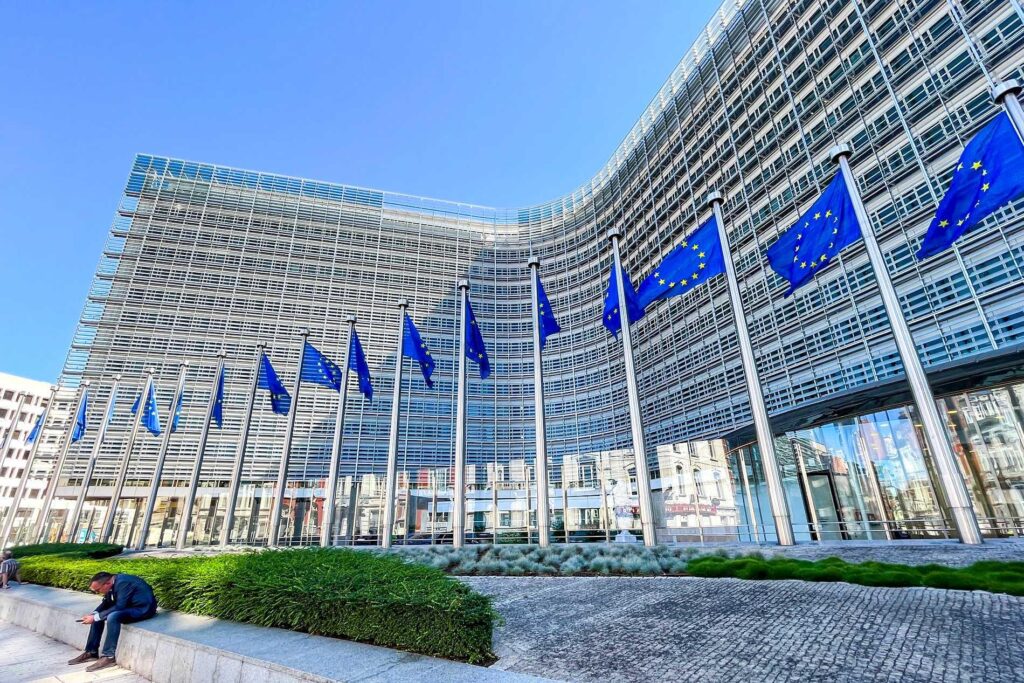
Who: European Union institutions, national governments, technology companies, cloud providers, AI developers, and global businesses.
What: Europe is pursuing policies that encourage greater digital independence while investing in local technology ecosystems.
Why: Rising geopolitical tensions, concerns about economic resilience, and heavy dependence on non-European technology providers have accelerated this strategy.
Impact: Businesses, investors, technology companies, consumers, and governments worldwide could experience significant changes in cloud services, AI development, semiconductor manufacturing, digital regulations, and international technology partnerships.
Why This Matters Now
Europe’s digital economy depends heavily on American companies for cloud computing, enterprise software, artificial intelligence, operating systems, and advanced semiconductor technology. While these partnerships have driven innovation for decades, recent geopolitical developments have highlighted the risks of relying too heavily on suppliers outside Europe.
The debate has intensified following renewed discussions surrounding U.S. trade policies and growing uncertainty about future transatlantic relations. European policymakers increasingly believe that strategic technologies should be developed within Europe to improve resilience against political, economic, and supply-chain disruptions.
Europe’s Heavy Dependence on American Technology
The world’s largest technology companies—including Microsoft, Amazon Web Services, Google Cloud, Nvidia, Apple, Meta, and OpenAI—play a central role in Europe’s digital infrastructure. Many European businesses store data on American cloud platforms, build software using U.S. AI models, and depend on American semiconductor technology.
This dependence has delivered enormous economic benefits through innovation, investment, and global connectivity. However, policymakers argue that relying too heavily on foreign providers creates vulnerabilities if trade disputes, sanctions, or geopolitical conflicts disrupt access to essential technologies.
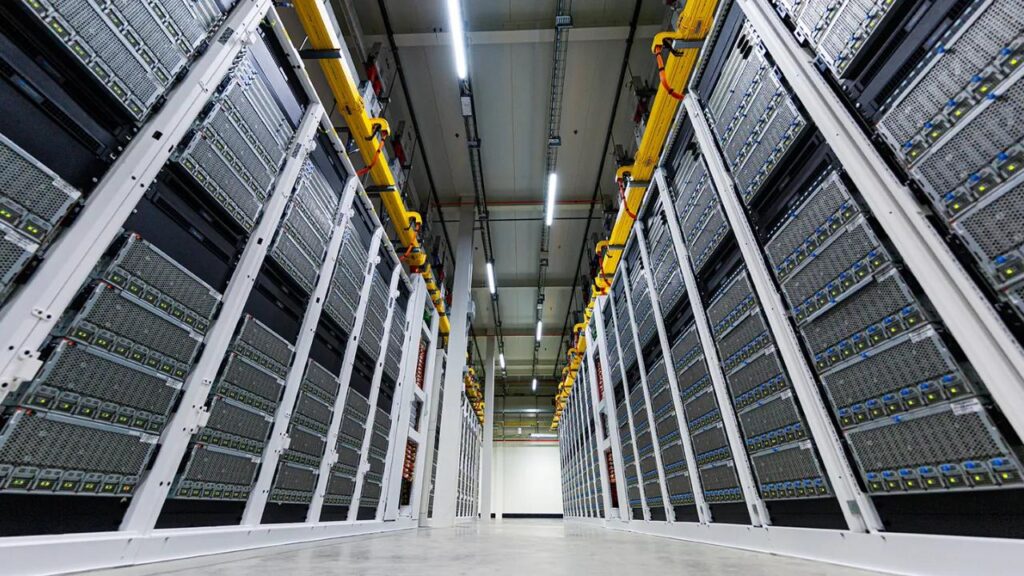
How the European Union Plans to Strengthen Tech Sovereignty
European institutions are investing billions of euros to strengthen domestic technology capabilities. Key priorities include expanding semiconductor manufacturing, developing competitive cloud computing platforms, accelerating artificial intelligence research, and supporting cybersecurity innovation.
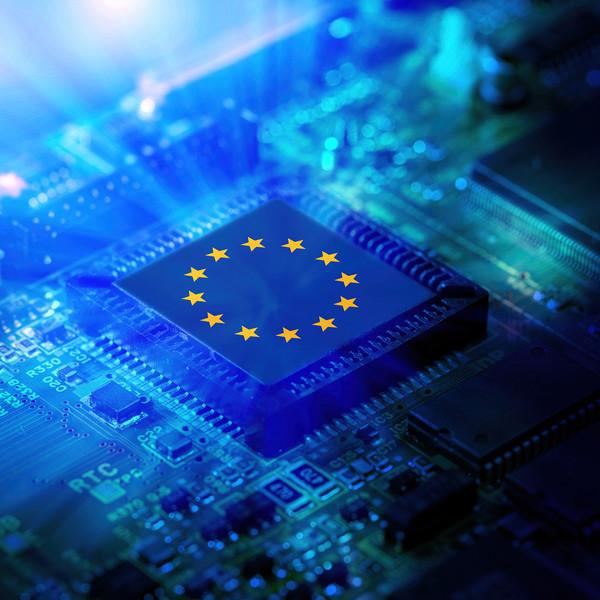
Programs such as the European Chips Act aim to increase semiconductor production within Europe, while additional initiatives encourage investment in AI infrastructure, digital skills, research partnerships, and secure data ecosystems. The goal is not complete isolation but greater resilience and a more balanced technology ecosystem.
Challenges Europe Still Faces
Building competitive alternatives to established global technology companies is a long-term challenge. American firms have spent decades investing hundreds of billions of dollars in research, global infrastructure, and product development.
European startups continue to grow rapidly, but scaling into global leaders requires significant private investment, skilled talent, advanced research, and supportive regulatory environments. Experts believe Europe must balance stronger digital sovereignty with continued international cooperation to avoid slowing innovation.
What This Means for Businesses and Consumers
Businesses operating across Europe may see greater investment in regional cloud providers, stronger cybersecurity requirements, and increased opportunities for local technology vendors. Companies may also diversify suppliers to reduce operational risks while complying with evolving digital regulations.
Consumers are unlikely to notice immediate changes in their daily digital services. However, over time, they may benefit from stronger privacy protections, increased competition, improved cybersecurity standards, and greater availability of European-developed AI and digital platforms.
Global Implications for the Technology Industry
Europe’s push for technology sovereignty could reshape global competition over the next decade. Increased investment in AI, semiconductors, cloud computing, quantum technologies, and cybersecurity may encourage innovation across multiple regions rather than concentrating it within a handful of countries.
For American technology companies, Europe remains one of the world’s largest markets. Many experts expect continued collaboration between European and U.S. firms, even as Europe seeks greater strategic autonomy. Instead of replacing international partnerships, the likely outcome is a more diversified and resilient global technology ecosystem.
Key Takeaways
- Europe wants to reduce strategic dependence on foreign technology providers.
- AI, cloud computing, semiconductors, and cybersecurity are central priorities.
- Investment in domestic innovation is expected to accelerate.
- American technology companies will remain important partners despite increasing competition.
- Businesses should prepare for evolving digital regulations and diversified technology ecosystems.
Conclusion
Europe’s technology sovereignty strategy represents one of the most significant shifts in global digital policy in recent years. Rather than pursuing complete technological independence, European leaders aim to strengthen resilience, encourage innovation, and build competitive domestic capabilities while maintaining productive international partnerships.
Success will depend on sustained investment, public-private collaboration, research excellence, and the ability to transform promising European startups into globally competitive technology companies. As artificial intelligence, cloud computing, and semiconductor technologies become increasingly critical to economic growth and national security, Europe’s decisions today are likely to shape the future of the global digital economy for years to come.
Subscribe to trusted news sites like USnewsSphere.com for continuous updates.