
Bitcoin falls below $60,000 as heavy selling pressure and renewed tariff uncertainty shake global crypto markets, triggering one of the sharpest pullbacks in recent weeks. Bitcoin dropped under the key psychological level of $60,000 after investors reacted to macroeconomic stress, including fresh trade tensions and profit-booking by institutional players. The decline follows weeks of volatility tied to U.S. tariff debates, inflation concerns, and shifting risk appetite across global markets.
Who is affected? Retail traders, institutional investors, and crypto-linked stocks.
What happened? Bitcoin slipped below $60K amid aggressive selling.
Why did it happen? Tariff uncertainty, macro risk, and leveraged liquidations.
What is the impact? Increased volatility, short-term panic, and market repositioning.
Why this matters now: Bitcoin’s $60,000 level has acted as both technical and psychological support. A sustained break below it can influence broader crypto sentiment, impact ETF flows, and reshape short-term trading strategies across U.S. markets.
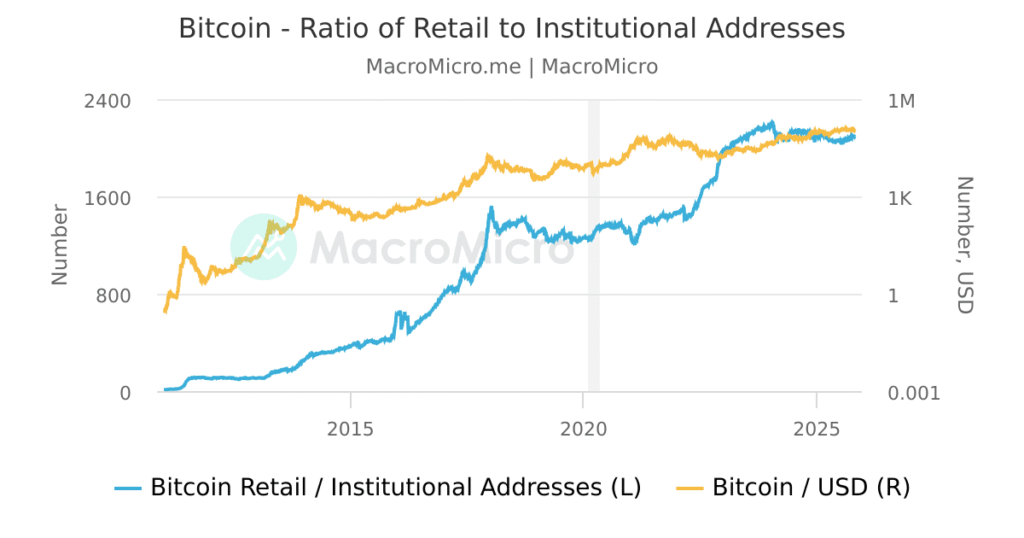
Recent coverage from Economic Times and BlockNow highlighted that Bitcoin’s fall coincided with broader uncertainty in financial markets, particularly after renewed trade policy tensions resurfaced in Washington. Market analysts noted that crypto assets, once viewed as partially insulated from traditional finance, are increasingly moving in sync with macroeconomic news.

Market volatility intensifies as macro fears return
Bitcoin’s retreat below $60,000 did not occur in isolation. Broader financial markets have shown signs of stress following tariff discussions that revived fears of global trade slowdowns. Investors often reduce exposure to high-risk assets—like cryptocurrencies—during periods of uncertainty.
Over the past 24 hours, trading volumes spiked significantly across major crypto exchanges. Derivatives data suggest that a wave of liquidations in leveraged long positions accelerated the downturn. When prices break key technical support levels, algorithmic selling tends to amplify the drop. Analysts tracking futures markets reported that forced liquidations added downward pressure once Bitcoin slipped under $66,000.
This pattern mirrors previous corrections in 2024 and 2025, where macro headlines triggered rapid de-risking. Bitcoin, despite its decentralized structure, continues to trade as a “risk-on” asset. When equities weaken, crypto often follows.

Heavy institutional selling shapes short-term momentum
Institutional investors play a much larger role in Bitcoin pricing than in previous cycles. Spot Bitcoin ETFs in the U.S. have significantly increased institutional participation. When large funds rebalance portfolios or reduce exposure, the impact can be swift.
Recent ETF flow data shows intermittent outflows during volatile trading sessions. While not catastrophic, even moderate redemptions can signal cautious sentiment. Hedge funds and asset managers appear to be trimming positions in response to policy uncertainty and global economic concerns.
At the same time, some long-term holders remain steady. On-chain data suggests that older wallets—often associated with long-term investors—have not significantly increased selling activity. This indicates that much of the current pressure may be coming from short-term traders rather than foundational holders.

Why tariff uncertainty is affecting crypto markets
Tariff debates typically influence commodities, equities, and foreign exchange markets. However, crypto’s correlation with traditional finance has strengthened. When investors anticipate slower economic growth due to trade restrictions, they often shift toward safer assets like government bonds and cash equivalents.
Bitcoin’s reputation as “digital gold” has not fully shielded it from macro shocks. In fact, short-term market behavior shows stronger alignment with tech stocks than with gold prices. If tariffs raise inflation risks or disrupt supply chains, central banks may adjust monetary policy expectations. That, in turn, affects liquidity conditions—an important driver for crypto prices.
In recent cycles, tighter liquidity and rising bond yields have pressured risk assets. Traders are now closely monitoring Federal Reserve commentary, as future rate decisions could further influence crypto demand.
Technical levels traders are watching closely
From a chart perspective, $65,000 was a key support level. A decisive break below it opens the possibility of testing the next demand zone around $62,000–$60,000. Technical analysts point to increased volatility bands and momentum indicators shifting into bearish territory.
However, corrections are common in Bitcoin’s historical cycles. Even during bull markets, pullbacks of 10–20% occur regularly. If buyers re-enter near current levels, the market could stabilize quickly. A recovery above $67,000 would likely ease immediate downside fears.
Traders are also watching funding rates in futures markets. If negative funding intensifies, it may signal excessive bearish positioning, which sometimes precedes short squeezes.
Broader crypto market reaction
Bitcoin’s drop has spilled into the wider cryptocurrency ecosystem. Ethereum and other major altcoins recorded parallel declines, reflecting high market correlation. Crypto-linked equities—including mining firms and exchange platforms—also experienced volatility during extended trading hours.
Despite the selloff, total crypto market capitalization remains significantly higher than last year’s levels. The long-term narrative around institutional adoption, blockchain integration, and digital asset infrastructure remains intact. Short-term turbulence does not necessarily alter broader structural growth.
Retail participation appears mixed. Some traders view the dip as a buying opportunity, while others prefer to wait for clearer macro signals. Sentiment indicators currently show a shift toward caution, but not extreme panic.
What happens next for Bitcoin?
The next few weeks will likely depend on macro headlines, ETF flows, and broader risk appetite in U.S. financial markets. If tariff concerns ease and equities stabilize, Bitcoin could regain momentum. On the other hand, continued uncertainty may keep prices volatile.
Historically, Bitcoin’s resilience has been tested multiple times by regulatory shifts, macro shocks, and liquidity crunches. Each correction has attracted renewed interest once stability returns. Long-term adoption trends—including institutional custody solutions and regulatory clarity—continue to evolve.
For now, investors are balancing short-term technical weakness against long-term optimism. The $60,000 level will remain a psychological reference point in the coming days. Whether it becomes a temporary dip or the start of a deeper correction will depend largely on global economic signals.
Subscribe to trusted news sites like USnewsSphere.com for continuous updates.