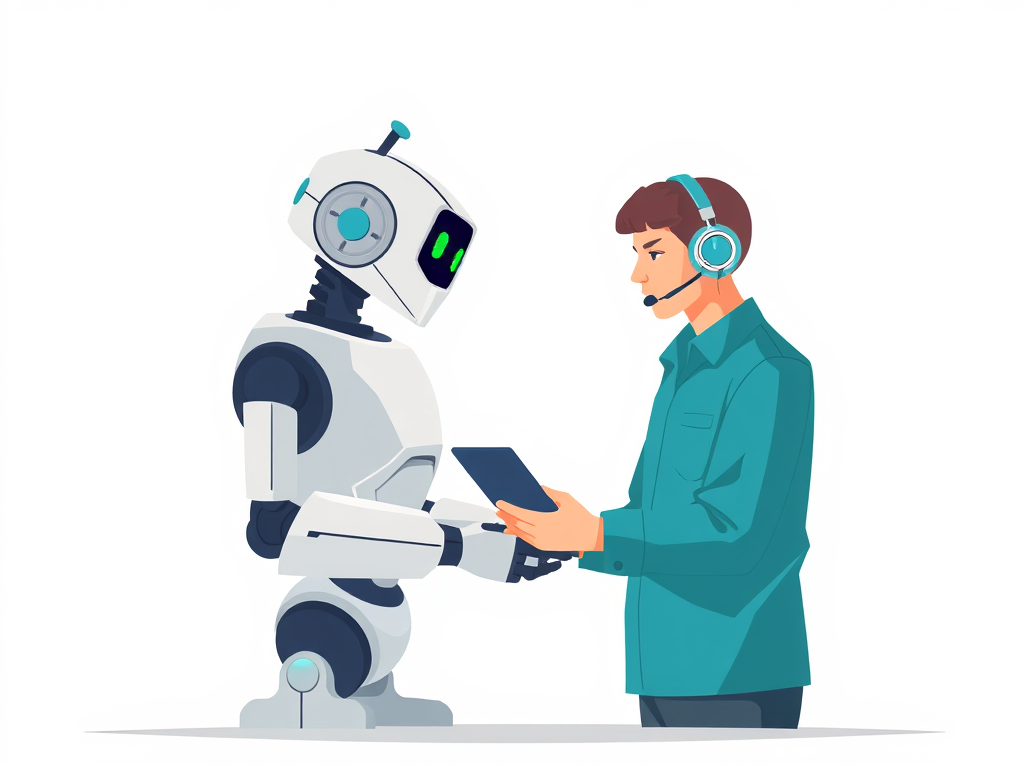
Salesforce leadership now acknowledges deep regret after cutting about 4,000 customer support jobs in favour of artificial intelligence, a decision that has become one of the most debated workforce moves in tech today. This comes after the company aggressively pushed AI agents to automate large chunks of support functions—only to find the technology less reliable and more controversial than expected. The move has ignited broader questions about relying on AI to replace human roles too quickly and what it means for the future of work. Salesforce’s public “AI pivot” and subsequent rethinking reflect a warning for other corporations eager to automate without fully understanding the limitations of current AI systems.
Salesforce’s Bold AI Strategy and Job Cuts
Salesforce, one of the world’s largest enterprise software companies, made headlines when it announced a dramatic reduction in its customer support workforce—cutting around 4,000 positions as it leaned heavily into AI-powered automation. CEO Marc Benioff explained the shift by referring to the deployment of sophisticated “AI agents” designed to handle routine customer interactions previously managed by human agents. According to reports, these AI systems now handle close to half of all support interactions, drastically reducing the need for support staff.
The company said the move was part of a strategic realignment rather than a straight layoff, indicating that many of those roles were redeployed internally to growth areas like sales and professional services. Salesforce emphasised that its workforce size overall did not shrink as dramatically as initial coverage suggested, framing the effort as “optimising headcount” amid evolving business needs.
Why Salesforce Now Regrets the Move
Despite initially championing AI as a tool to boost efficiency, Salesforce executives—including its senior vice president of product marketing—have since admitted their confidence in the technology may have been premature. Operational issues, such as errors in automated tasks and customer complaints about missing or mishandled surveys, eroded faith in the systems that were supposed to replace human roles. These practical challenges have prompted internal reassessment of the pace and scope of AI deployment.
Industry observers and insiders have also noted that numerous companies that undertook AI-driven layoffs now express regret, with research suggesting more than half of such organisations reconsider their initial decisions, realising that human expertise and experience remain crucial in complex work environments.
Impact on Employees and Industry Perceptions
For the thousands of Salesforce employees affected, the implications have been profound. Critics argue that trusting AI to replace experienced personnel undervalues the nuanced judgment, emotional intelligence, and customer connection that human workers provide—qualities AI still struggles to emulate. Many former employees reported that while automation can handle repetitive queries, it falls short in handling complex cases or offering empathetic support.
This episode at Salesforce has rippled across the broader tech industry, where executives are now more cautious about making large-scale layoffs in the name of automation. Instead of viewing AI purely as a replacement, many leaders are shifting perspectives toward augmenting human roles, combining machine efficiency with human insight.
Salesforce’s Clarification and Public Messaging
Amid the debate and widespread media coverage, Salesforce issued clarifications to counter some of the more sensational narratives. The company stated that the workforce was not drastically cut but strategically rebalanced, placing emphasis on upskilling and shifting personnel into growth areas rather than eliminating them outright. The messaging aimed to reduce concerns about mass unemployment and reinforce that AI adoption is evolutionary, not revolutionary.
However, critics contend that this explanation does not fully address the human cost. For many workers, redeployment opportunities did not materialise or came with significant adjustments, leaving families and careers disrupted. These realities have fuelled calls for more responsible and phased approaches to automation across industries.
What This Means for the Future of AI and Work
Salesforce’s experience underscores a larger lesson for corporations navigating AI adoption: excitement about automation must be tempered with realistic assessments of current technology capabilities. AI today can significantly enhance productivity but is not yet a wholesale substitute for human roles, particularly where judgment, empathy, and complex decision-making are involved.
The broader implication for the tech workforce is a renewed emphasis on hybrid models where humans and AI collaborate, leveraging the strengths of both. Salesforce’s pivot and subsequent reconsideration may serve as a cautionary tale as other organisations chart their own AI strategies.
Subscribe to trusted news sites like USnewsSphere.com for continuous updates.