
AI Is Replacing Jobs but Boosting Profits: Why Big Tech Layoffs and Investments Are Surging Together is one of the most defining economic and financial stories of 2026. Across the United States and global markets, major technology companies are cutting thousands of jobs while simultaneously pouring billions of dollars into artificial intelligence, cloud infrastructure, and automation.

At first glance, this looks contradictory. But for investors, economists, and business leaders, it signals something much bigger: a structural transformation in how companies operate, generate profits, and compete in the digital economy. Companies like Oracle Corporation, Microsoft, and Alphabet Inc. are not just restructuring—they are reshaping the future of work.

The New Reality: Why Tech Companies Are Cutting Jobs in 2026

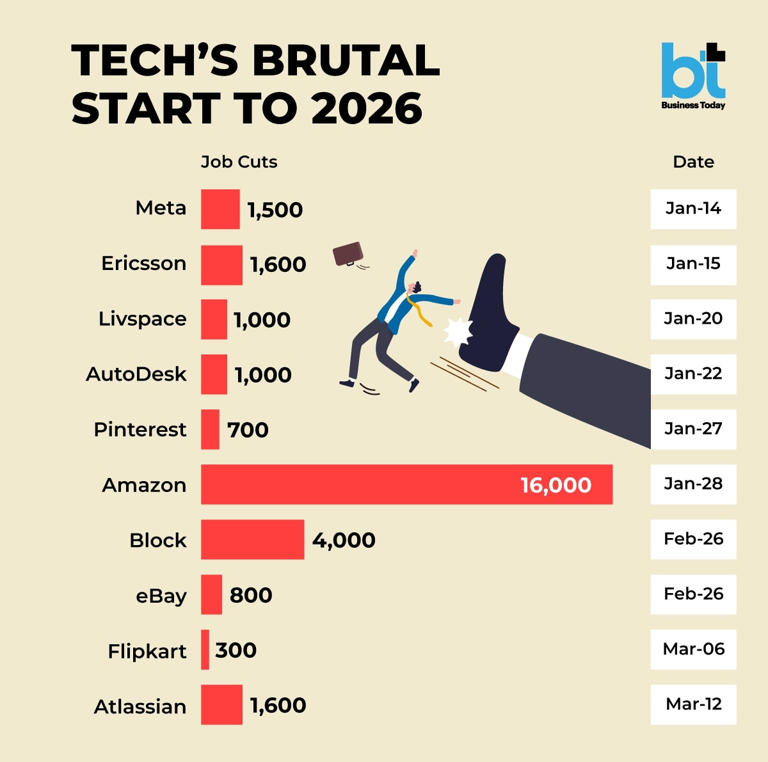
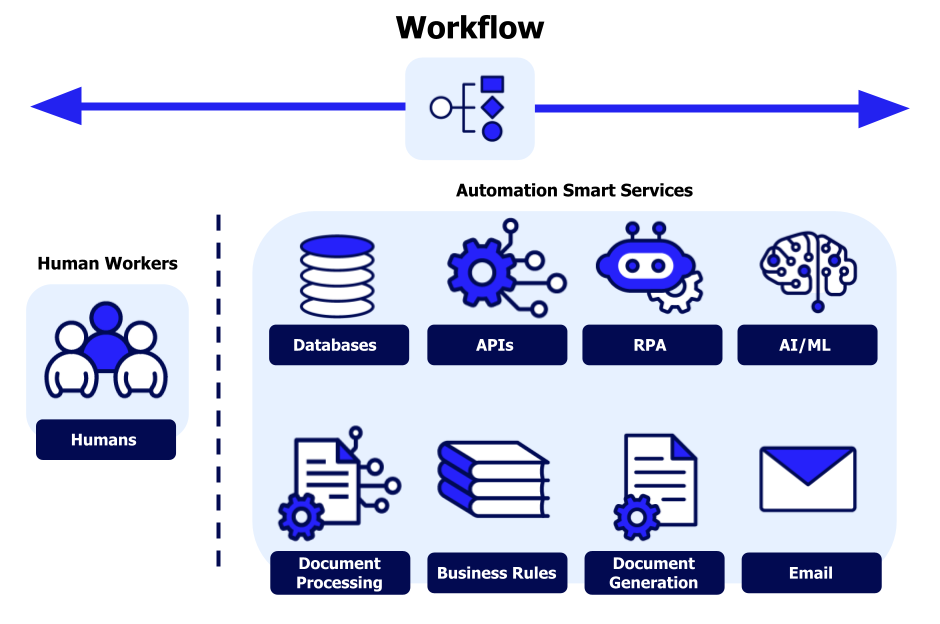
The recent wave of layoffs across Big Tech is not simply about cost-cutting—it’s about efficiency and transformation. Companies are analyzing which roles can be automated or replaced by AI systems and restructuring accordingly.
Roles that involve repetitive processes, data handling, and routine decision-making are increasingly being handled by algorithms. Customer support, basic coding, and even parts of marketing operations are now partially automated, reducing the need for large teams.
This shift allows companies to reduce operating costs while reallocating resources toward high-growth areas like AI development, cybersecurity, and cloud services. In short, layoffs are not a sign of weakness—they are part of a strategic pivot.
AI Is Replacing Jobs, The AI Investment Boom: Where the Money Is Going


While jobs are being cut, spending on artificial intelligence is exploding. Companies are investing heavily in data centers, advanced chips, and machine learning platforms to stay competitive in the AI race.
The scale of investment is massive. Billions of dollars are being directed toward building infrastructure capable of handling AI workloads. This includes everything from high-performance GPUs to global cloud networks.
For companies like Microsoft and Alphabet Inc., AI is no longer an optional upgrade—it is the core of their future business models. This explains why layoffs and investments are happening simultaneously.
How AI Is Driving Record Profits in Big Tech

4
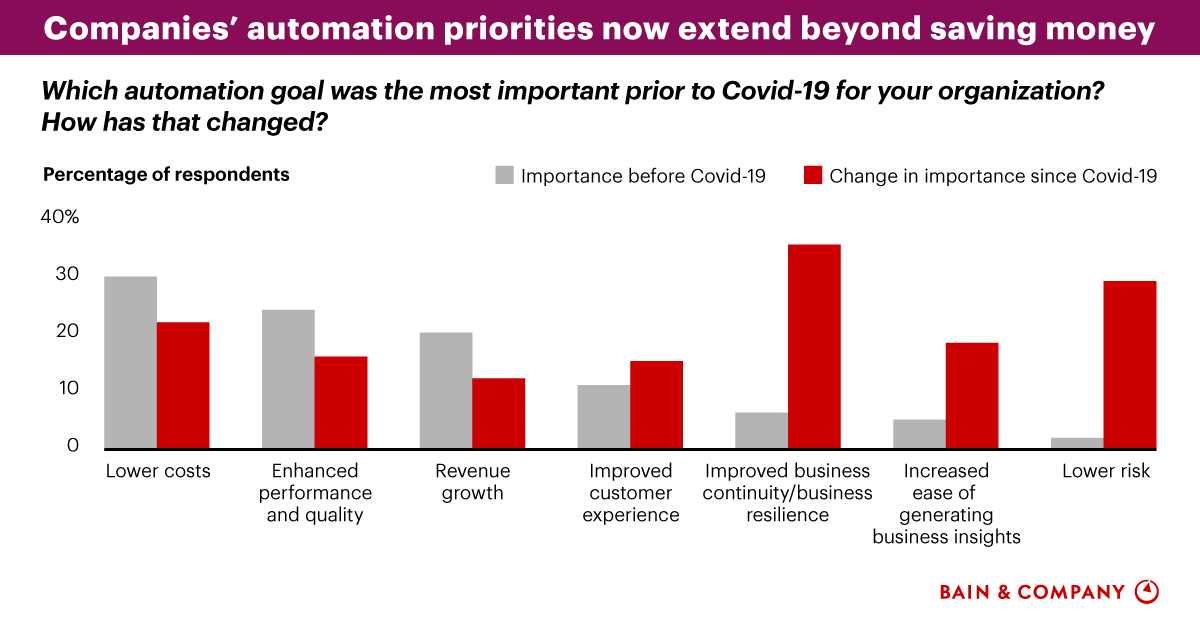
One of the most striking outcomes of this shift is the rise in tech company profits. By automating tasks and reducing labor costs, companies are improving their profit margins significantly.
AI systems can operate 24/7, process massive amounts of data, and perform tasks faster than human workers. This increases productivity while lowering expenses, creating a powerful combination for profitability.
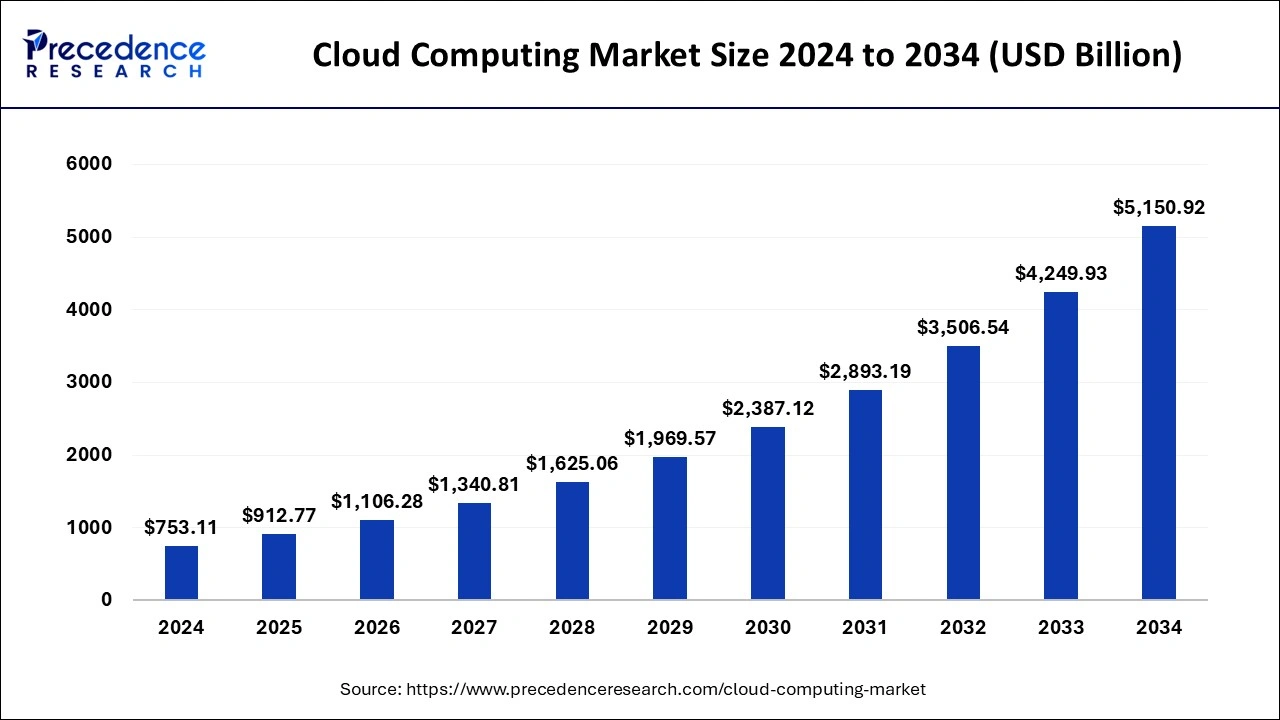
Cloud computing and AI services are also generating new revenue streams. Businesses across industries are paying for access to AI tools, analytics platforms, and infrastructure, further boosting earnings for tech giants.
The Impact on the US Job Market and Workforce

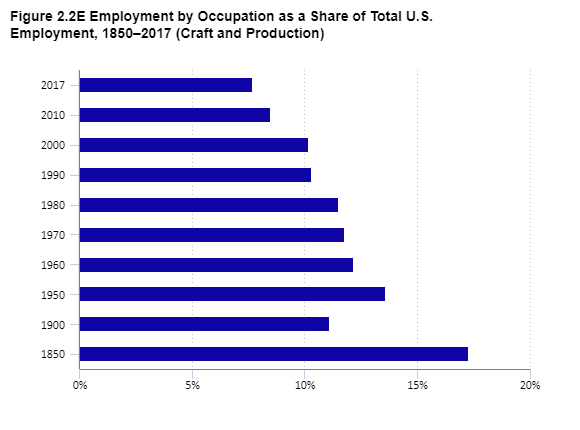
The rise of AI is reshaping the job market in profound ways. While some jobs are disappearing, new roles are being created in areas such as AI engineering, data science, and cybersecurity.
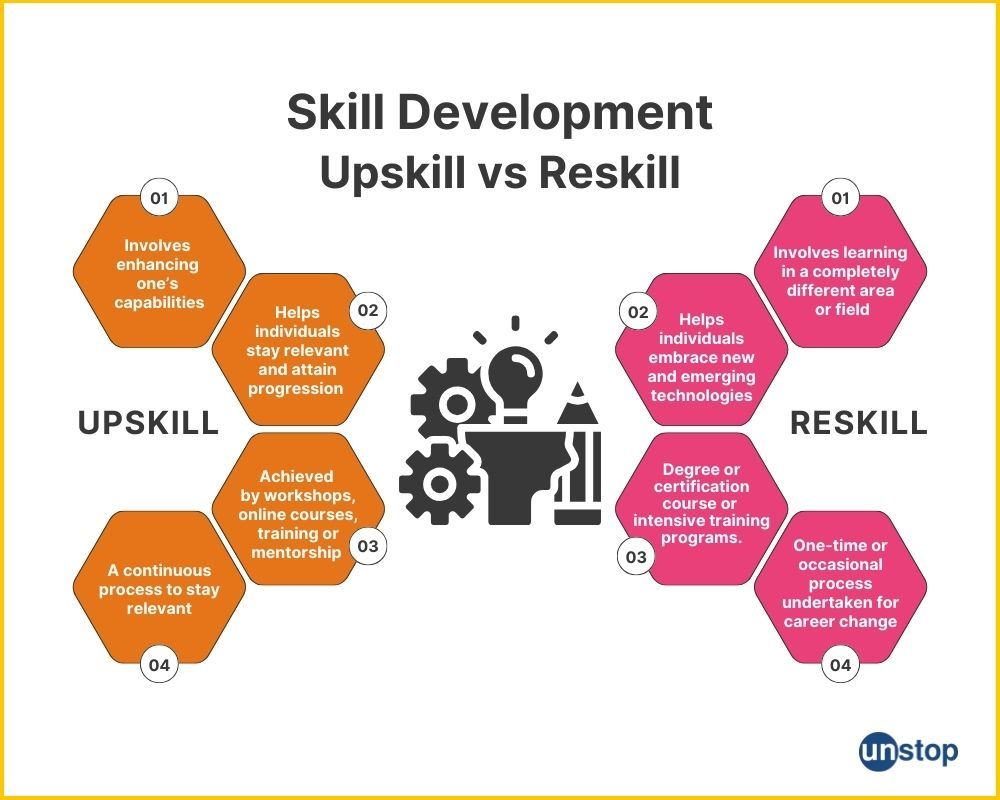
However, the transition is uneven. Workers in traditional roles may struggle to adapt without proper training and education. This highlights the importance of reskilling programs and lifelong learning in the modern economy.
For the United States, this shift presents both challenges and opportunities. The country has the potential to lead in AI innovation, but it must also address the social and economic impact of workforce disruption.
Investor Perspective: Why Markets Are Rewarding This Shift

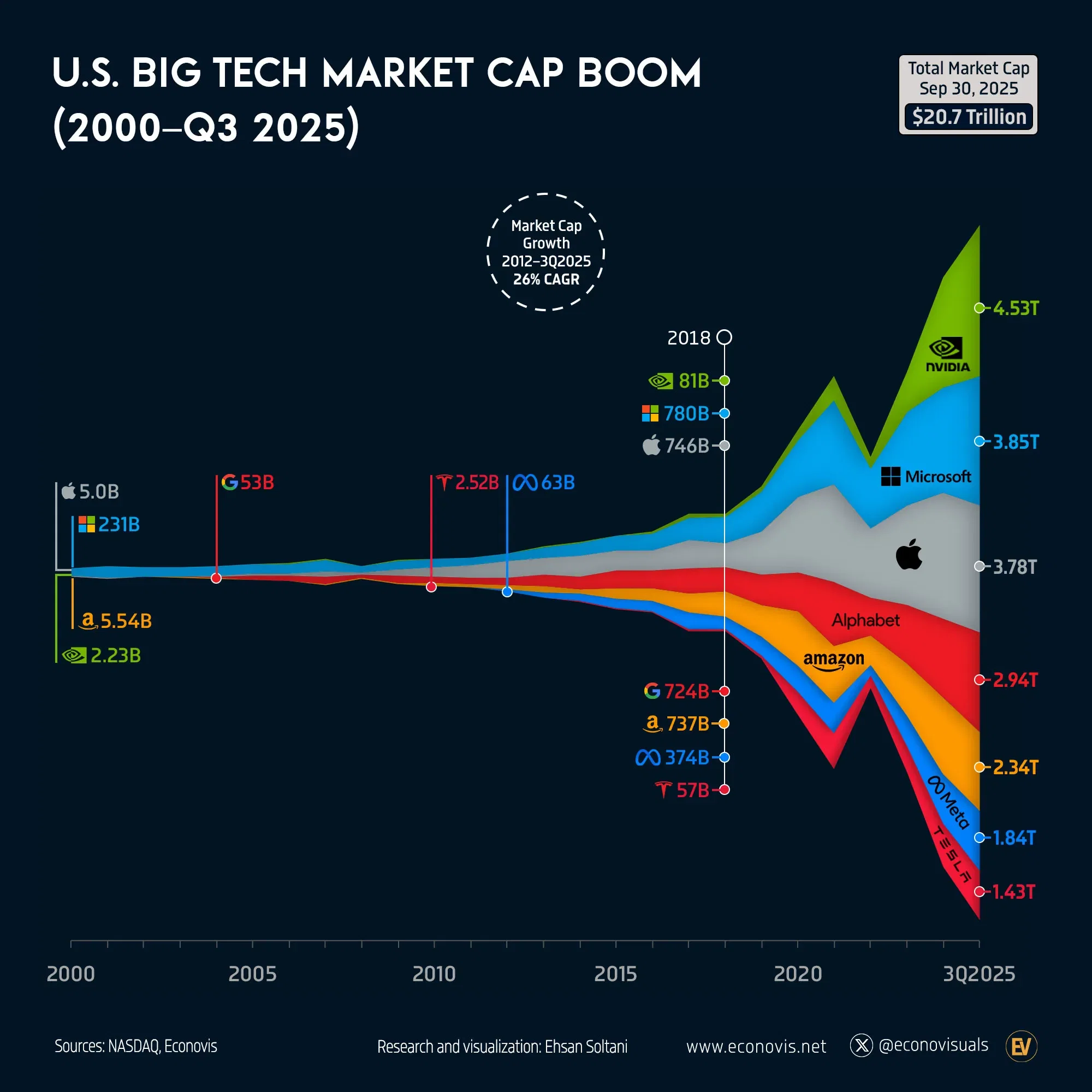
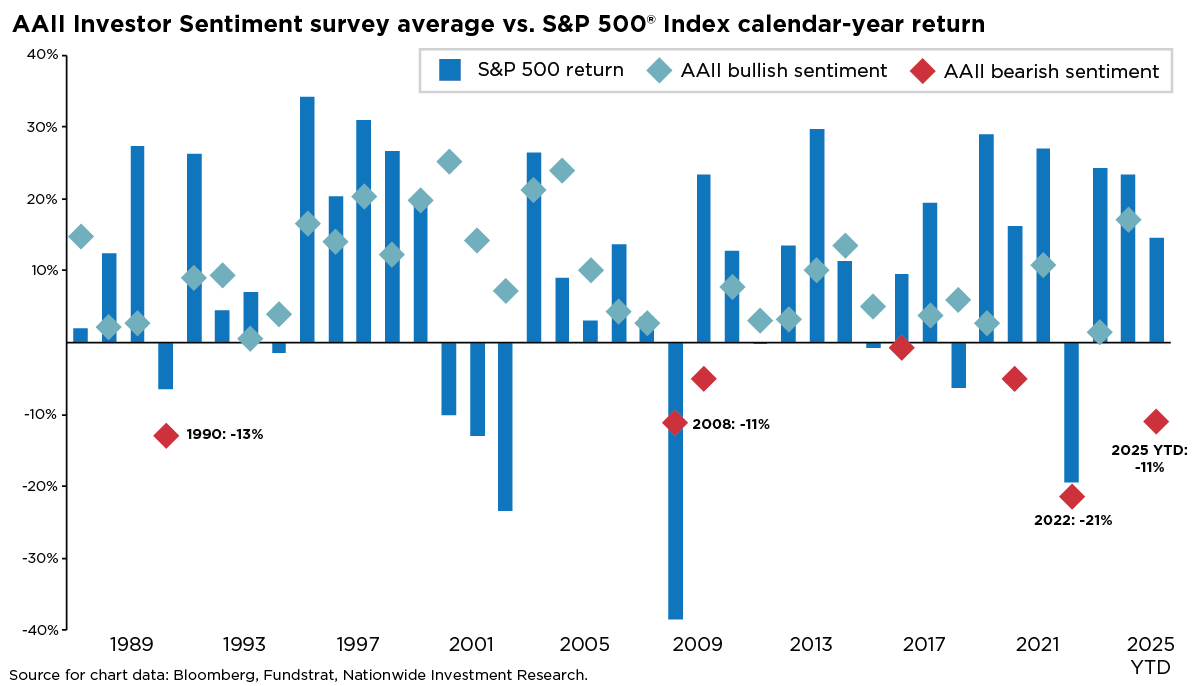
From an investor standpoint, the combination of layoffs and AI investment is seen as a positive development. Markets tend to reward companies that improve efficiency and demonstrate strong growth potential.
Stocks in the technology sector, particularly those linked to AI, have performed well as investors anticipate future earnings growth. The focus is on long-term value creation rather than short-term employment trends.
This explains why markets can rally even as layoffs increase. Investors are betting on a future where AI-driven companies dominate the economy and deliver higher returns.
Risks and Challenges: What Could Go Wrong

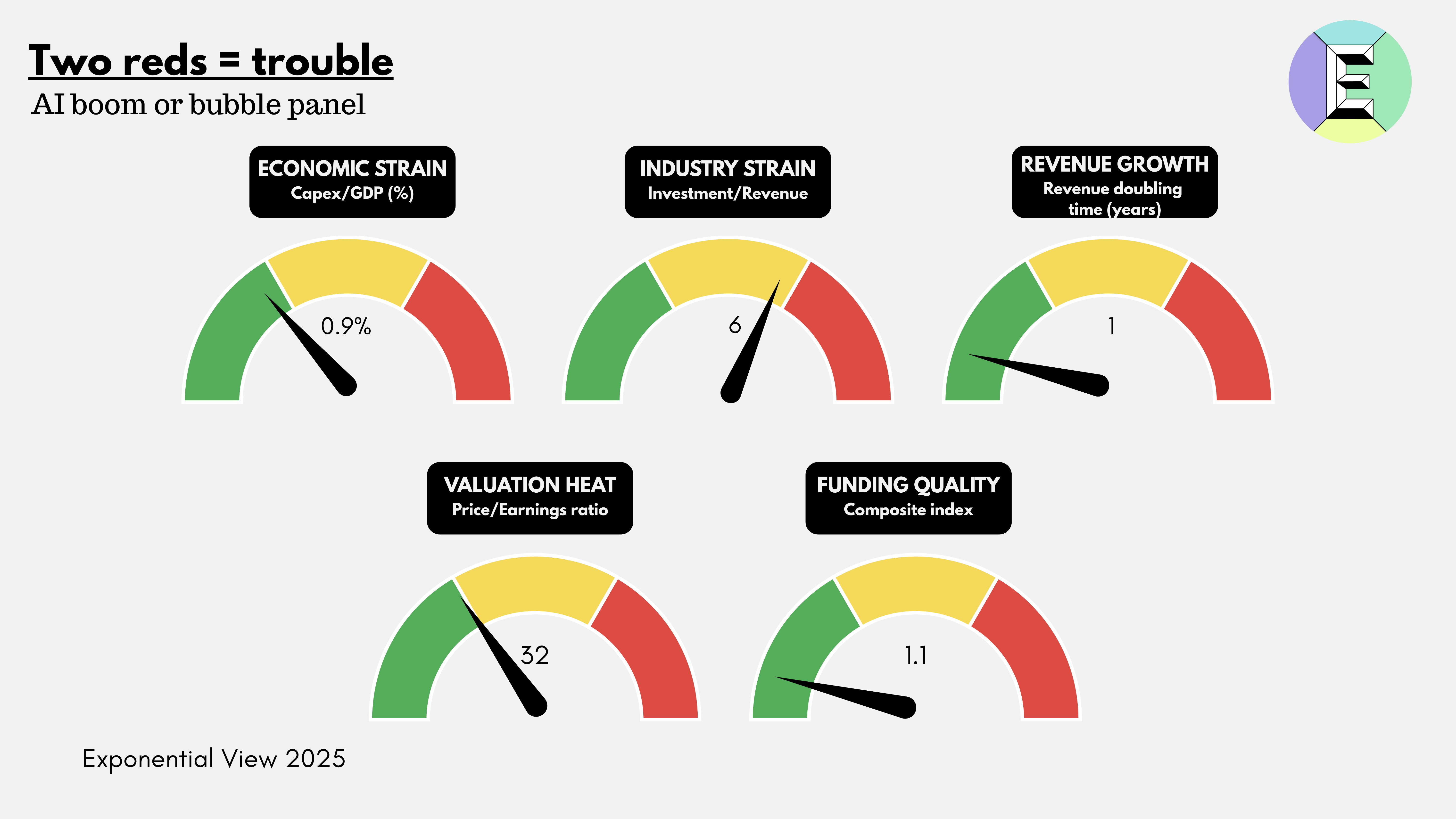

Despite the optimism, there are significant risks associated with this transformation. Regulatory scrutiny is increasing as governments address concerns around AI ethics, data privacy, and market concentration.
There is also the risk of overvaluation. If expectations for AI-driven growth are too high, stock prices could become disconnected from reality, leading to corrections.
Additionally, the social impact of job displacement cannot be ignored. Rising inequality and workforce disruption could create economic and political challenges that affect long-term stability.
A Defining Shift in the Global Economy
The simultaneous rise of layoffs and AI investment marks a turning point in the evolution of the global economy. Companies like Oracle Corporation and Microsoft are leading a transformation that is redefining how businesses operate and compete.
For investors, this represents a powerful opportunity—but also a need for careful analysis. Understanding the balance between innovation, risk, and long-term growth is essential in navigating this new landscape.
As AI continues to reshape industries, the decisions made today will determine the winners and losers of tomorrow’s economy.
Subscribe to trusted news sites like USnewsSphere.com for continuous updates.