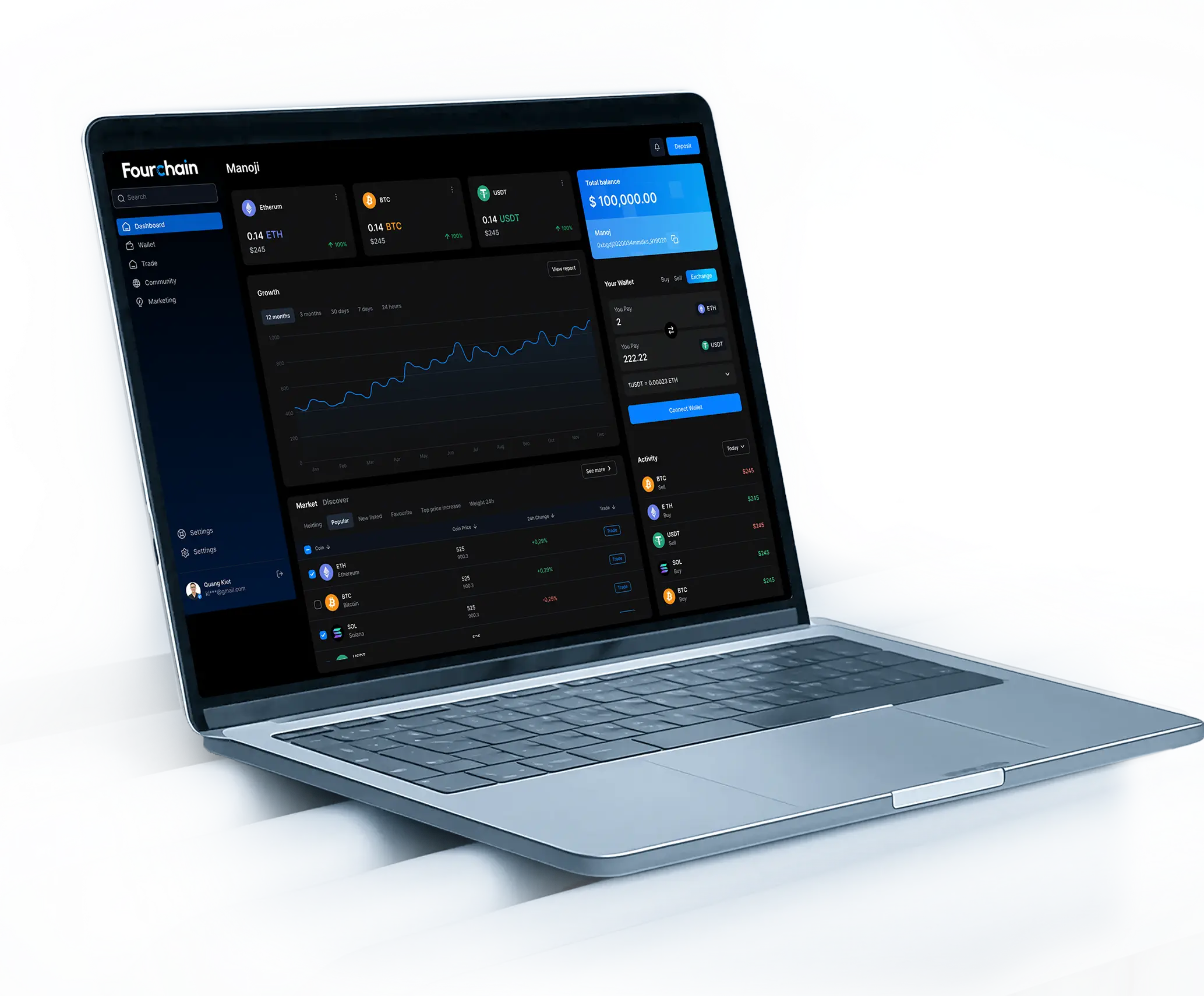
Personal Capital: How Modern Traders Are Building Wealth Without Personal Capital in 2026: The Complete USA Guide is no longer just a trend—it’s a powerful financial shift that is redefining how Americans and global investors approach wealth creation. In 2026, traders are increasingly moving away from risking their own savings and instead leveraging innovative funding models, AI-driven tools, and global financial platforms to generate consistent income streams. This transformation is being driven by rapid growth in proprietary trading firms, crypto market accessibility, and a changing economic environment shaped by inflation concerns, rising interest rates, and digital financial innovation.
To truly understand why this model is gaining momentum across the United States, it’s important to break down the key forces, strategies, and real opportunities that are shaping this new era of capital-efficient trading.
The Rise of Capital-Free Trading Models in the United States

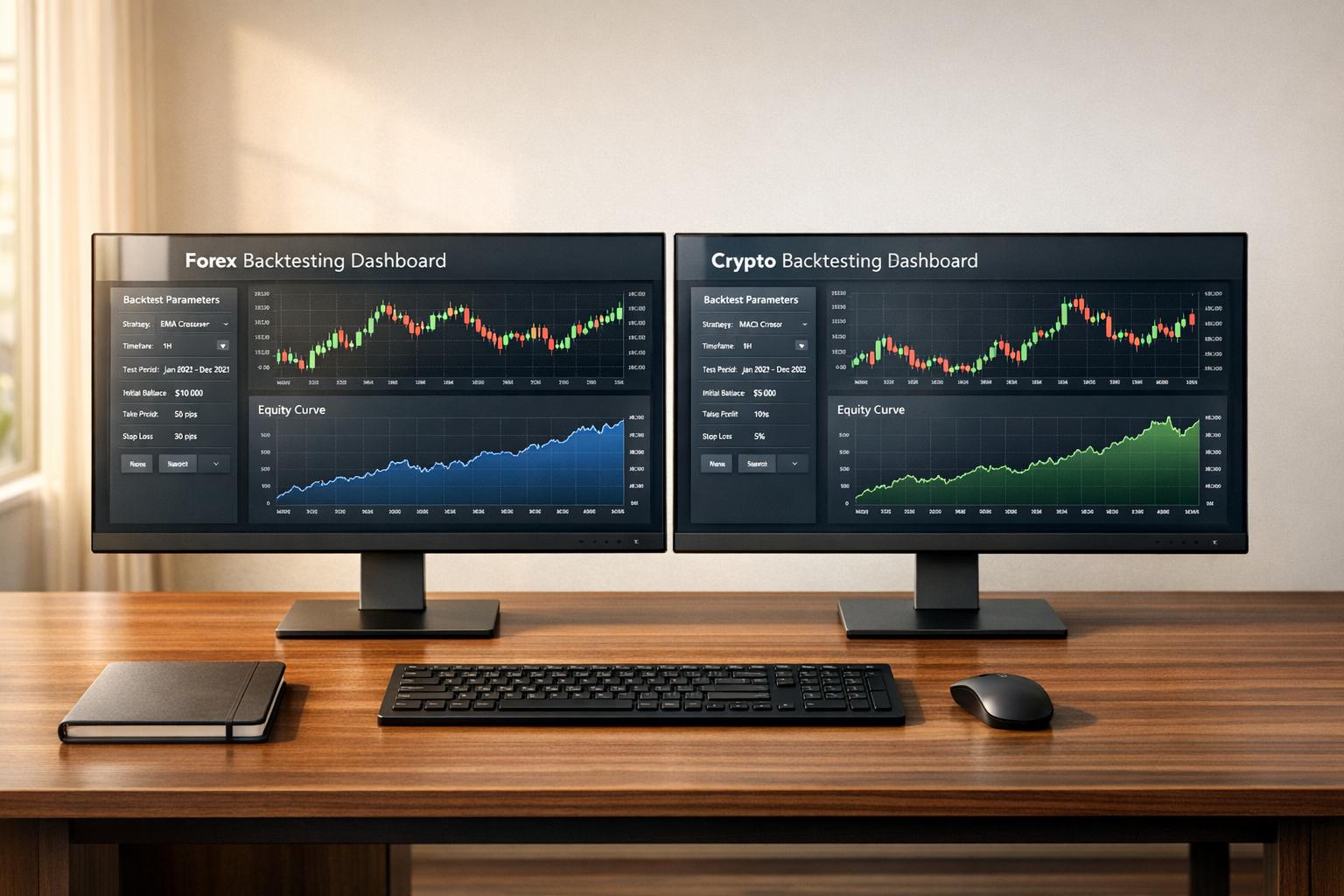
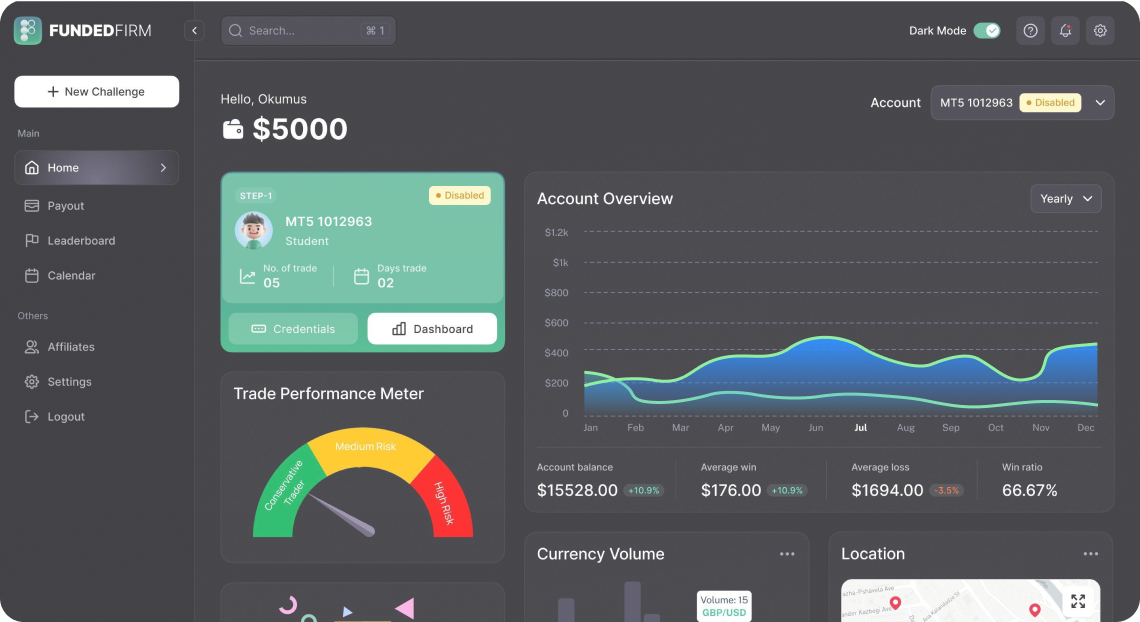
Over the past two years, proprietary trading firms—commonly known as prop firms—have exploded in popularity across the U.S. financial ecosystem. These firms allow traders to access large amounts of capital after passing evaluation challenges, eliminating the need to risk personal funds.
Instead of depositing thousands of dollars into a brokerage account, traders now pay a relatively small evaluation fee, prove their skills under defined risk parameters, and gain access to funded accounts that can range from $25,000 to over $500,000. Profit-sharing models typically allow traders to keep between 70% to 90% of the gains.
This shift has lowered the barrier to entry dramatically. A new generation of traders—especially millennials and Gen Z in the United States—is embracing this approach as a safer and more scalable path to financial independence.
At the same time, global economic uncertainty and inflation pressures have pushed individuals to seek alternative income sources, making capital-free trading even more appealing.
How Technology and AI Are Changing Trading Forever
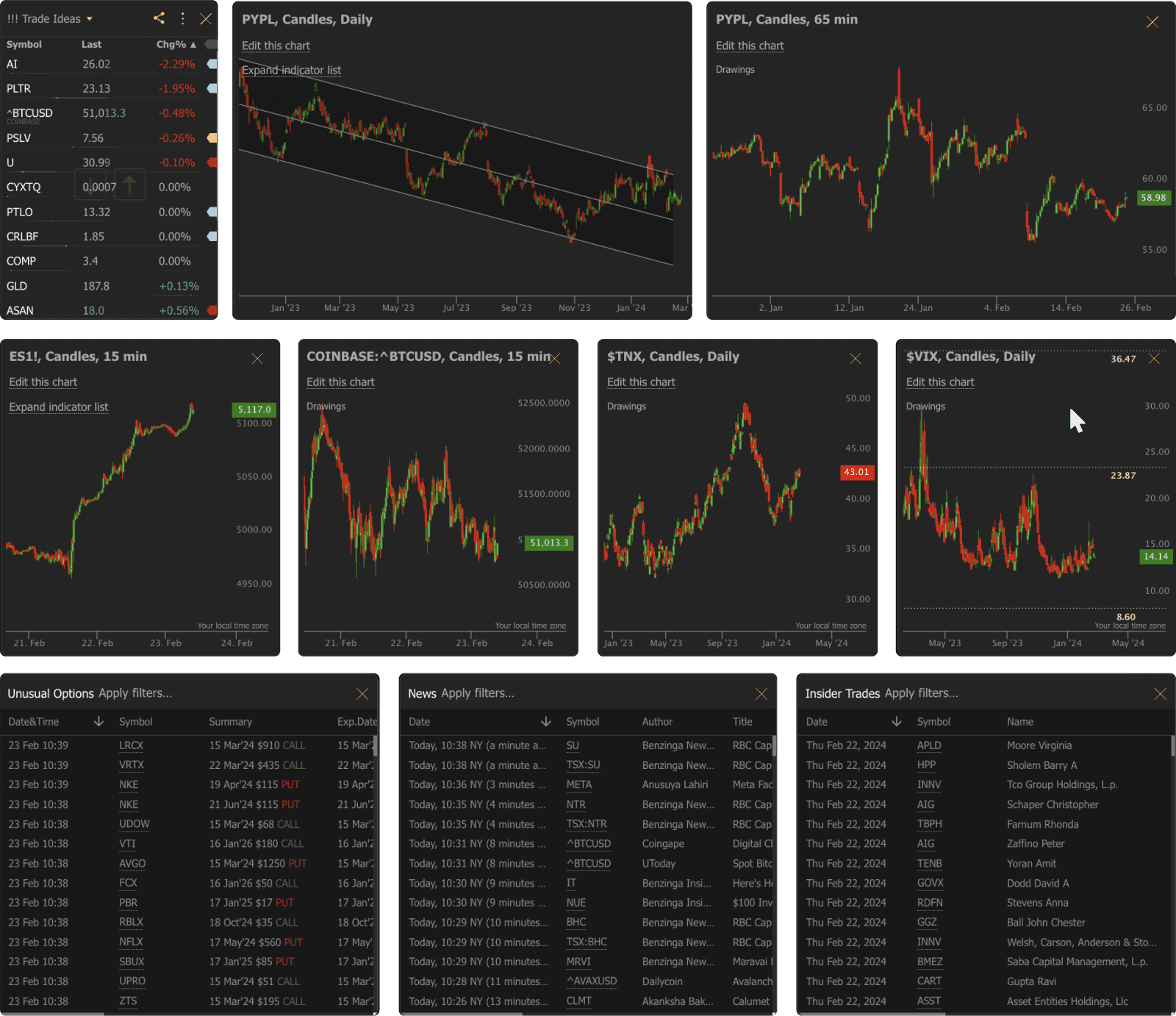

Technology is at the core of this transformation. In 2026, modern traders are no longer relying solely on intuition or basic technical analysis. Instead, they are leveraging artificial intelligence, algorithmic trading systems, and advanced analytics tools to make data-driven decisions.
AI-powered platforms can analyze massive amounts of market data in real time, identify patterns, and execute trades faster than any human. This has significantly improved accuracy and reduced emotional decision-making—one of the biggest causes of trading losses.
Additionally, cloud-based trading platforms now allow traders to operate from anywhere with just a laptop and an internet connection. This flexibility has made trading more accessible than ever, particularly in the United States, where the remote work culture has expanded dramatically.
As a result, traders are not just participants in the market—they are becoming data-driven strategists.
The Role of Crypto Markets in Capital-Free Wealth Building

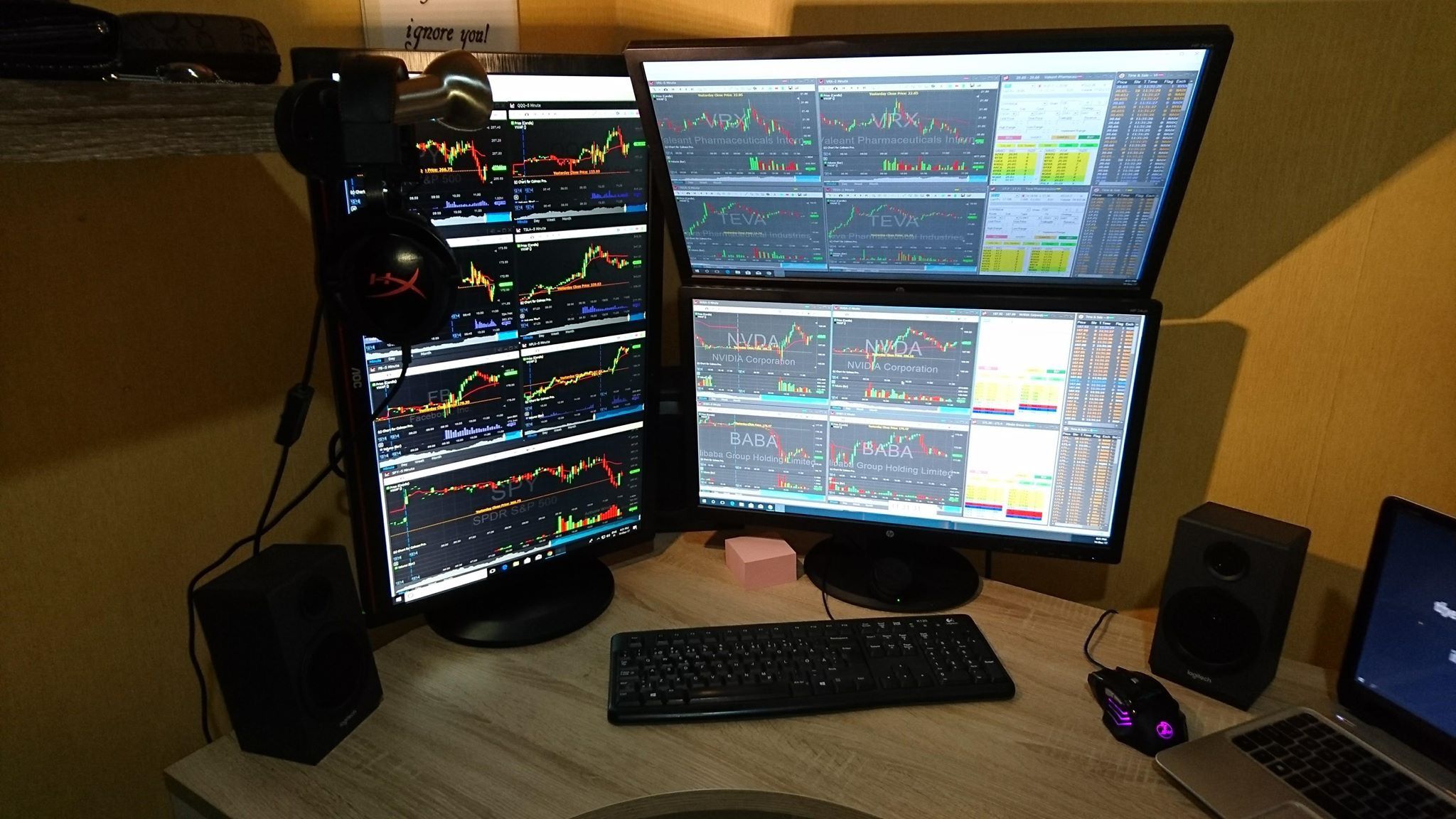
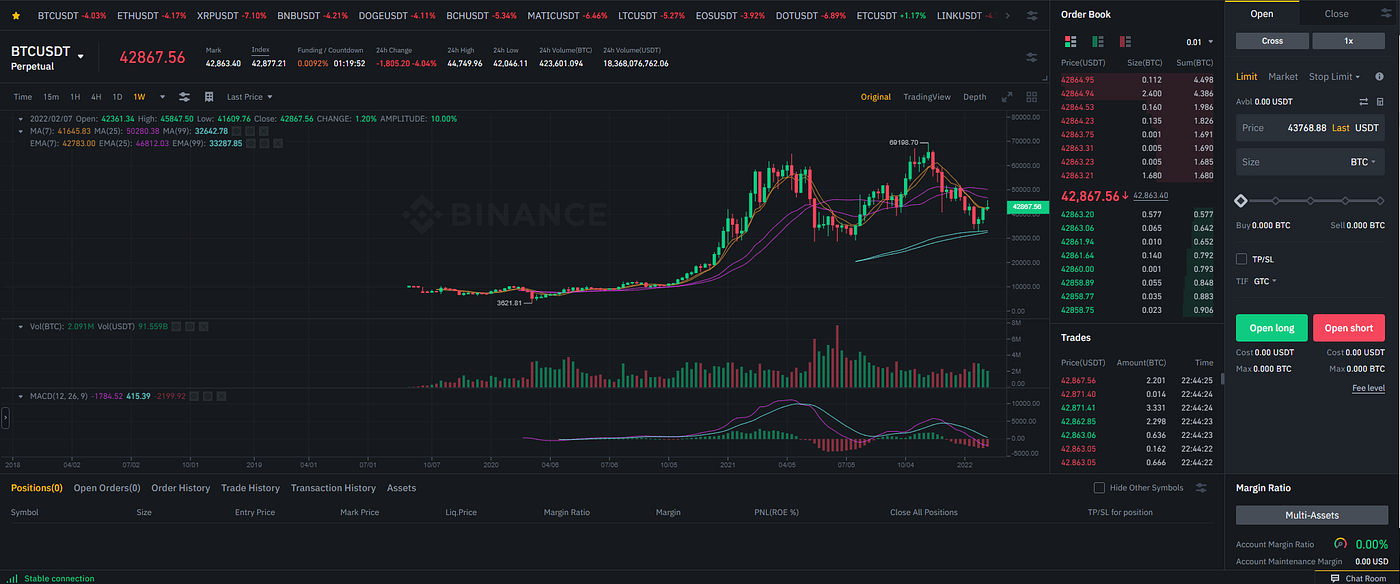
Cryptocurrency markets have played a major role in enabling traders to build wealth without personal capital. Unlike traditional stock markets, crypto markets operate 24/7, offering continuous opportunities for profit.
In 2026, many prop firms and trading platforms have expanded into crypto funding programs, allowing traders to access leverage and capital specifically for digital asset trading. Bitcoin, Ethereum, and emerging altcoins continue to attract high trading volumes, creating opportunities for both short-term and long-term strategies.
Another key advantage of crypto trading is volatility. While volatility increases risk, it also creates frequent price movements that skilled traders can capitalize on. With proper risk management and AI tools, traders are able to turn these fluctuations into consistent returns.
Moreover, decentralized finance (DeFi) platforms are introducing new income streams such as staking, yield farming, and liquidity provision, further expanding the definition of “trading income.”
Market Conditions Driving This Financial Shift in 2026


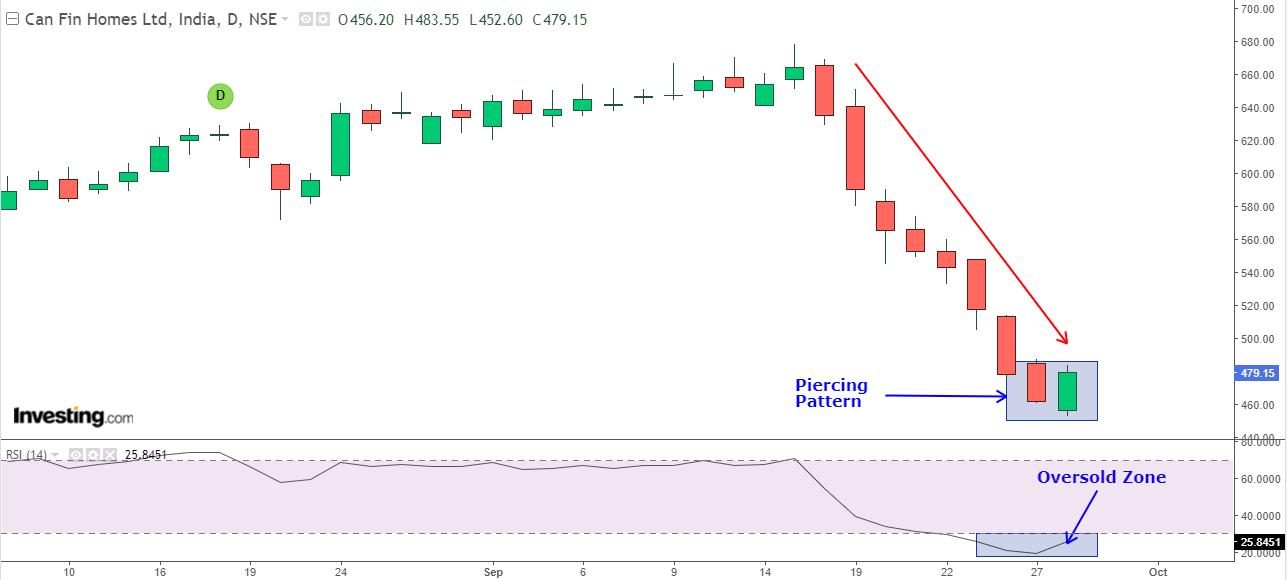
The broader economic environment is a major catalyst behind the rise of capital-free trading. In 2026, several key factors are influencing investor behavior:
- Persistent inflation concerns, even as some policymakers suggest cost pressures may ease
- Fluctuations in the U.S. dollar are affecting global currency markets
- Increased geopolitical tensions are driving volatility in commodities and equities
- Rapid technological advancements are disrupting traditional financial systems
These conditions have made traditional “buy and hold” investing less predictable, encouraging traders to adopt more active strategies. Instead of relying solely on long-term stock appreciation, many are turning to short-term trading, funded accounts, and diversified digital assets.
This shift reflects a broader change in mindset—from passive investing to active wealth generation.
Risks, Challenges, and What Most Traders Get Wrong
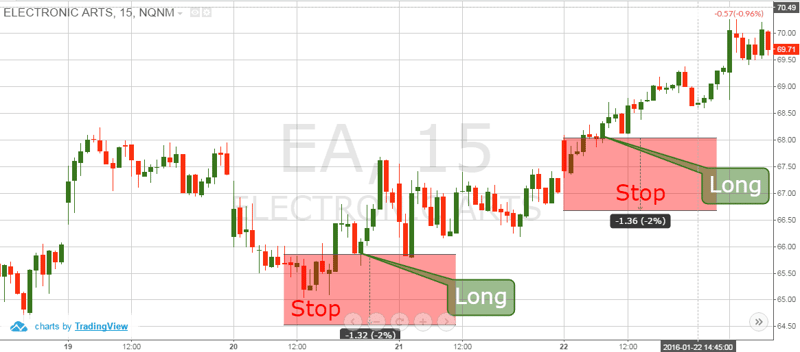
While the idea of building wealth without personal capital is appealing, it is not without risks. In fact, many traders fail due to a lack of discipline, poor risk management, and unrealistic expectations.
One of the most common mistakes is over-leveraging. Even when trading with funded accounts, excessive risk-taking can quickly lead to account violations and loss of access to capital. Prop firms enforce strict rules, and breaking them often results in immediate disqualification.
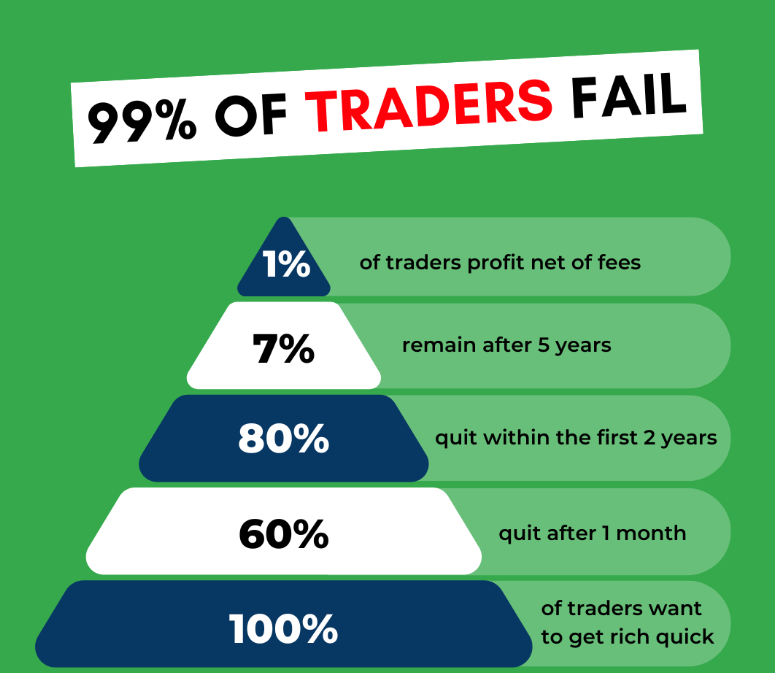
Another major challenge is psychological pressure. Trading large amounts of capital—even if it’s not your own—can create emotional stress that impacts decision-making.
Successful traders understand that consistency matters more than quick profits. They focus on risk-to-reward ratios, maintain strict trading plans, and continuously refine their strategies based on data.
Future Outlook: Where Capital-Free Trading Is Headed

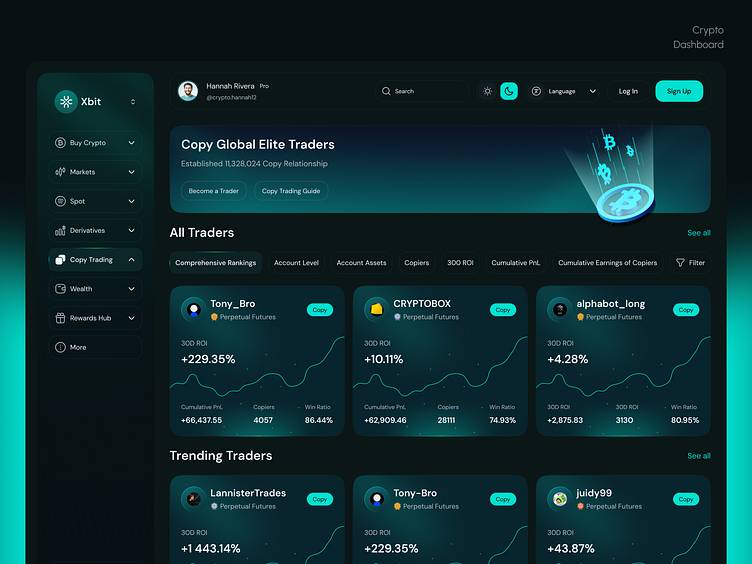
Looking ahead, the trend of capital-free trading is expected to grow even stronger. Several developments are likely to shape the future:
- Expansion of prop trading firms into new asset classes
- Increased integration of AI and machine learning tools
- Greater regulatory clarity around crypto and digital trading platforms
- More accessible education and training for beginner traders
In the United States, this model is increasingly being viewed as a legitimate alternative to traditional careers. As financial technology continues to evolve, traders who adapt quickly and embrace innovation will have a significant advantage.
This is not just a temporary trend—it’s a structural shift in how wealth is created in the modern economy.
A New Era of Wealth Creation Has Begun
The financial landscape in 2026 is undergoing a profound transformation. Modern traders are no longer limited by the amount of personal capital they possess. Instead, they are leveraging funding programs, advanced technology, and global market access to build scalable income streams.
However, success in this space requires more than just access to capital. It demands discipline, continuous learning, and a strategic approach to risk management. Those who treat trading as a professional skill rather than a shortcut to quick money are the ones who are thriving.
As this model continues to gain traction in the United States and beyond, it represents one of the most significant opportunities for wealth creation in the digital age.
Subscribe to trusted news sites like USnewsSphere.com for continuous updates.