Stocks Surge as Trump Signals Iran Peace Talks: What It Means for Investors Now is one of the most closely watched developments across global financial markets this week. Investors who spent months worrying about rising geopolitical tensions, soaring oil prices, and inflationary risks are suddenly seeing a dramatically different market environment emerge. Following signals that the United States and Iran are moving toward a peace framework to restore stability in the Middle East and reopen critical energy shipping routes, stock markets worldwide have responded with a powerful rally.
The market reaction highlights how quickly investor sentiment can change when geopolitical risks begin to ease. Futures tied to major U.S. indexes jumped sharply, European markets reached record highs, and Asian equities posted some of their strongest gains of the year. At the same time, oil prices moved lower as traders began pricing in the possibility of improved energy supplies and reduced disruption across global shipping networks.
For investors, the story is about much more than diplomacy. It is about inflation, interest rates, corporate earnings, consumer spending, and the future direction of financial markets during the second half of 2026.
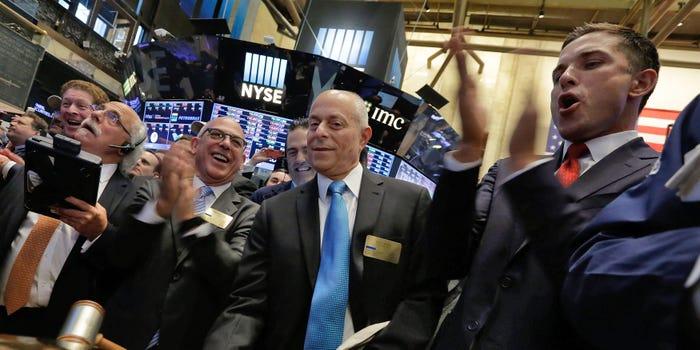
Why Markets Reacted So Strongly to the Iran Peace Signals
Financial markets are forward-looking. Investors do not simply respond to today’s news; they react to how events could influence economic conditions months into the future.
Recent announcements indicating progress toward a U.S.-Iran agreement immediately changed market expectations. Investors began anticipating the reopening of the Strait of Hormuz, one of the world’s most important energy transit routes. Because approximately one-fifth of global oil supplies typically transit this corridor, any improvement in shipping conditions can have major consequences for energy markets and the broader economy.
As confidence improved, investors shifted money back into equities. Technology stocks, consumer-focused companies, industrial firms, transportation businesses, and other sectors that benefit from lower energy costs attracted significant buying interest. The result was a broad-based rally across global markets.

Falling Oil Prices Are Changing the Investment Landscape
One of the most important consequences of the proposed peace framework has been the sharp decline in crude oil prices.
During the height of the conflict, concerns about supply disruptions pushed Brent crude above $100 per barrel and created fears of a prolonged global energy shock. The closure and disruption of the Strait of Hormuz became one of the largest energy supply challenges in modern history.
Now, the situation is changing rapidly. Crude oil prices have fallen toward $80 per barrel as traders anticipate the return of more stable supply conditions. Some benchmarks have recorded declines exceeding 20% from recent highs. Brent crude has dropped below $83 per barrel while WTI crude has moved close to $80.
Lower oil prices matter because energy costs influence almost every part of the economy. Transportation becomes cheaper. Manufacturing expenses decline. Consumers spend less on fuel. Businesses gain flexibility. Collectively, these developments can improve economic growth prospects and support higher corporate earnings.

How Lower Energy Costs Could Influence Inflation and Interest Rates
Inflation remains one of the biggest concerns for investors worldwide. Over the past several years, central banks have battled rising prices through higher interest rates and tighter monetary policies.
Energy costs play a major role in inflation calculations. When oil prices rise sharply, the effects spread across transportation, logistics, food production, manufacturing, and consumer goods. Conversely, when oil prices decline, inflationary pressures often ease.
The recent drop in crude oil prices has encouraged investors to reassess future inflation expectations. Lower energy costs could reduce pressure on central banks and potentially improve conditions for businesses and consumers alike. Market participants are increasingly focusing on how upcoming policy decisions may be influenced by changing inflation trends.
This dynamic is especially important because lower inflation expectations often support higher stock valuations. Growth-oriented sectors such as technology and communications frequently perform well when investors expect a more stable interest-rate environment.

Which Sectors Are Benefiting Most From the Rally
Not all sectors respond to falling oil prices in the same way.
Airlines are among the biggest beneficiaries because fuel represents a significant operating expense. Transportation companies, shipping firms, manufacturers, retailers, and travel-related businesses also tend to benefit when energy costs decline.
Technology stocks have also attracted attention during the recent rally. Investors have been increasingly optimistic about artificial intelligence, semiconductor demand, and long-term innovation trends. Combined with improving geopolitical sentiment, these factors have helped fuel strong gains across growth-oriented sectors.
Energy producers, however, face a more complex environment. While lower oil prices can support broader economic growth, they may reduce profit margins for oil and gas companies. Several major energy firms experienced share price declines as investors adjusted expectations for future earnings.
The divergence between sectors demonstrates why investors must look beyond headline market movements and evaluate how changing economic conditions affect individual industries.

Risks Investors Should Continue Monitoring
Although markets are celebrating the prospect of peace, significant uncertainties remain.
The proposed agreement still requires formal implementation, and several complex issues remain unresolved. Questions surrounding long-term regional stability, sanctions, nuclear negotiations, shipping security, and broader diplomatic arrangements continue to influence market expectations.
History shows that geopolitical agreements can encounter unexpected challenges. Any setbacks in negotiations could trigger renewed volatility across oil, currency, bond, and equity markets.
Investors should also remember that market rallies driven by geopolitical optimism can sometimes move faster than underlying economic fundamentals. While sentiment has improved dramatically, corporate earnings, consumer spending, labor market conditions, and monetary policy decisions will continue playing major roles in determining future market direction.
Maintaining diversification and focusing on long-term investment objectives remains essential regardless of short-term market excitement.
Why This Story Matters Beyond Wall Street
The significance of these developments extends far beyond financial markets.
Consumers could benefit from lower gasoline prices and reduced transportation costs. Businesses may experience lower operating expenses. Governments may face less inflationary pressure. Import-dependent economies could see improvements in trade balances and economic stability.
In many ways, the market rally reflects broader hopes that global economic uncertainty may begin to ease. While challenges remain, investors are responding positively to the possibility of greater stability in one of the world’s most strategically important regions.
The combination of improving geopolitical sentiment, declining oil prices, easing inflation concerns, and resilient economic growth has created a significantly more optimistic environment than many analysts expected just weeks ago.
What This Means for You
If you are an investor, falling oil prices may create opportunities across transportation, technology, consumer discretionary, and industrial sectors.
If you are a consumer, lower energy prices could eventually help reduce everyday expenses, including fuel and transportation costs.
If you are planning long-term investments, this development serves as a reminder that markets often react to expectations about the future rather than current headlines alone.
Investor Takeaway
The current rally is being driven by a powerful combination of declining oil prices, improving geopolitical sentiment, and expectations for lower inflation pressure.
Investors are increasingly positioning for a scenario in which global energy supplies normalize, economic growth remains resilient, and interest-rate risks become more manageable.
However, maintaining discipline remains critical. Markets are pricing in a positive outcome, but important negotiations and implementation challenges still lie ahead.
Future Outlook
Looking ahead, investors will closely monitor three major factors: the finalization of the U.S.-Iran agreement, the reopening and normalization of energy shipping routes, and the response of central banks to changing inflation conditions.
If oil prices remain stable and geopolitical tensions continue easing, equities could receive additional support during the second half of 2026. On the other hand, any setbacks in negotiations could quickly reintroduce volatility into financial markets.
For now, Wall Street is signaling optimism. Whether that optimism proves justified may become one of the defining investment stories of 2026.
Conclusion
The rally in global stocks following signals of progress in U.S.-Iran peace talks demonstrates how rapidly investor sentiment can change when major geopolitical risks begin to ease. Falling oil prices, improving inflation expectations, and hopes for stronger economic growth have combined to create a more constructive environment for equities.
While uncertainties remain, investors are increasingly focusing on opportunities created by lower energy costs and a potentially more stable global economy. The coming weeks will be critical as markets watch for further developments and evaluate whether today’s optimism can translate into lasting economic and financial benefits.
Subscribe to trusted news sites like USnewsSphere.com for continuous updates.