
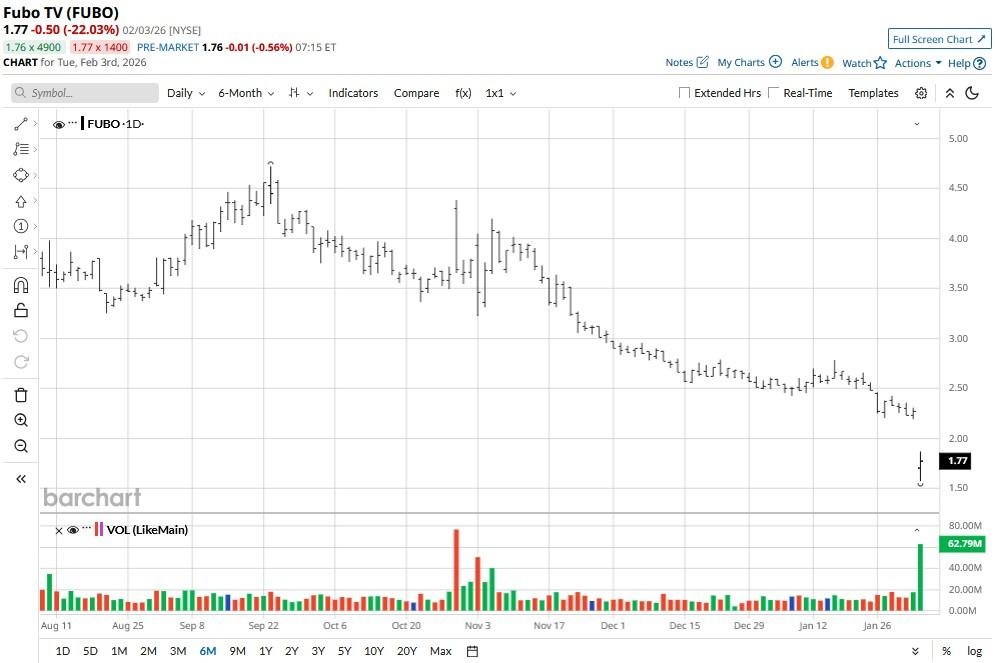
Why FuboTV Is Falling Fast: Hidden Risks Retail Investors Are Missing in 2026 is becoming one of the most searched concerns among U.S. retail investors as streaming competition intensifies and financial pressure builds on smaller platforms like FuboTV. In 2026, while major tech-driven streaming companies continue expanding, FuboTV is facing a perfect storm of slowing growth, rising costs, and investor skepticism—leading to a sharp decline in its stock performance.
Retail investors who initially saw FuboTV as the “next Netflix of sports” are now re-evaluating their positions. With declining margins, mounting debt concerns, and competitive pressure from giants like Amazon, Disney, and YouTube TV, the company’s long-term sustainability is under serious scrutiny.
Slowing Subscriber Growth Signals Weak Demand
One of the biggest red flags in 2026 is FuboTV’s slowing subscriber growth. While the platform initially gained traction due to its sports-first streaming model, recent data suggests growth has plateaued.
In earlier years, FuboTV reported double-digit subscriber growth annually. However, recent earnings reports show growth slowing significantly, with quarterly additions falling below expectations. This indicates that the company may have already captured its core audience and is struggling to expand beyond it.
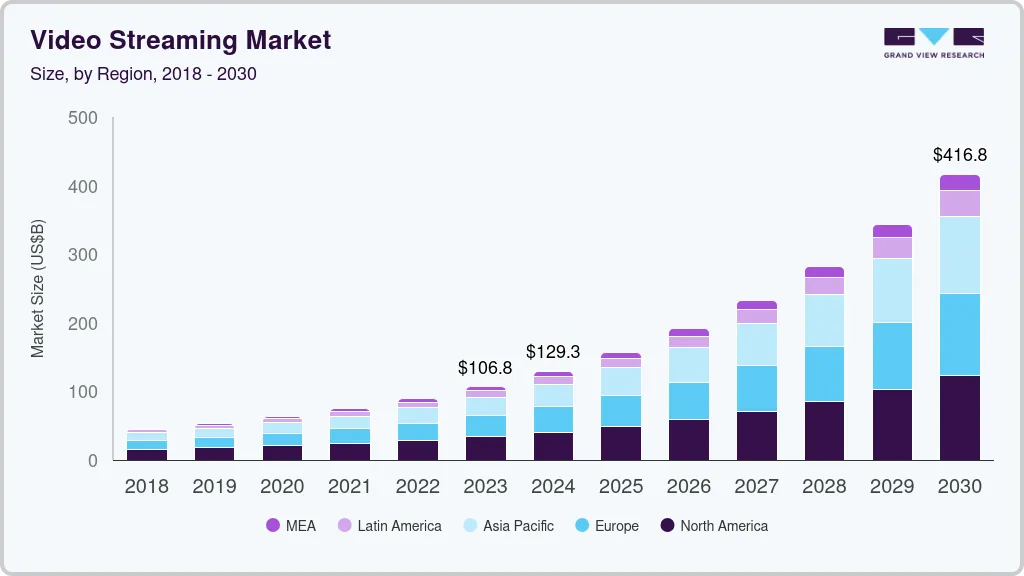
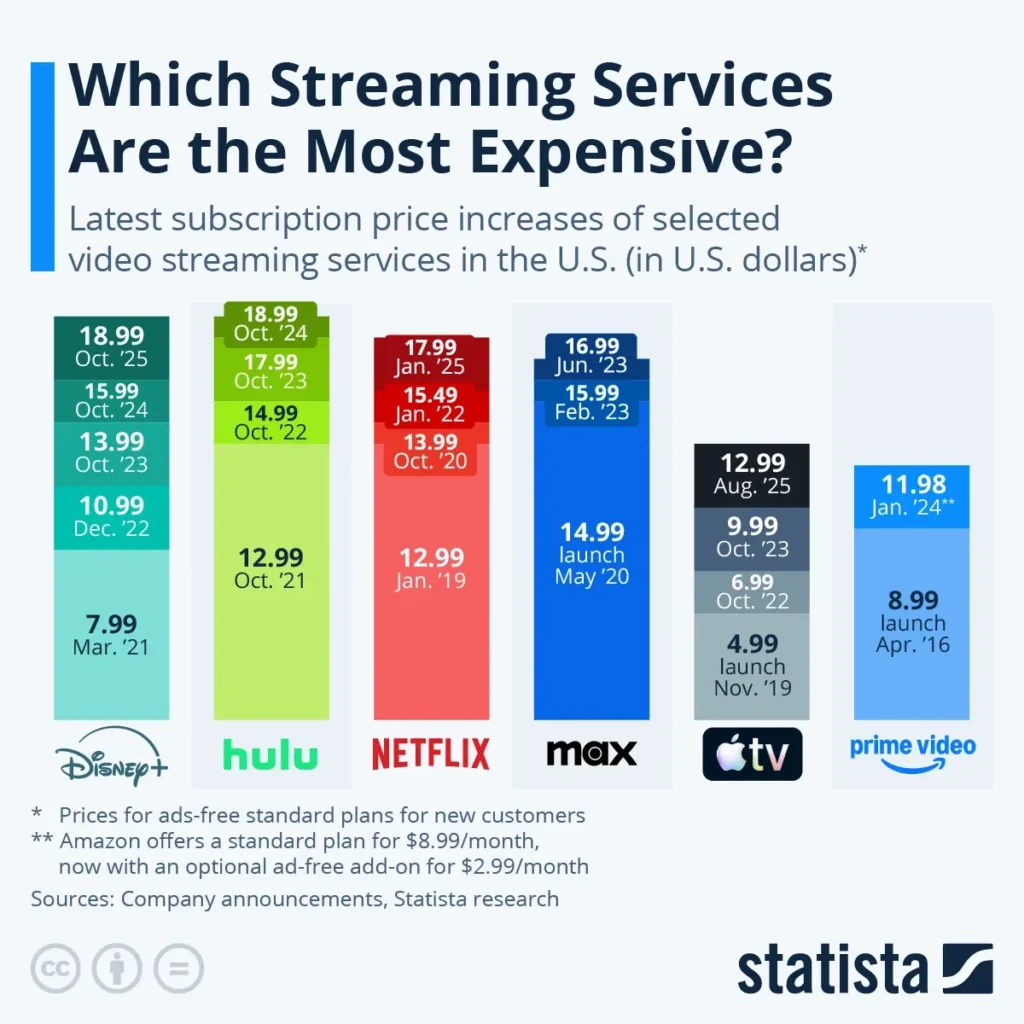
The broader issue is market saturation. With multiple streaming platforms offering bundled sports, entertainment, and live TV options, users are increasingly selective. Consumers are also cutting back on subscriptions due to rising costs, which directly impacts niche platforms like FuboTV.
Rising Content Costs Are Crushing Profit Margins
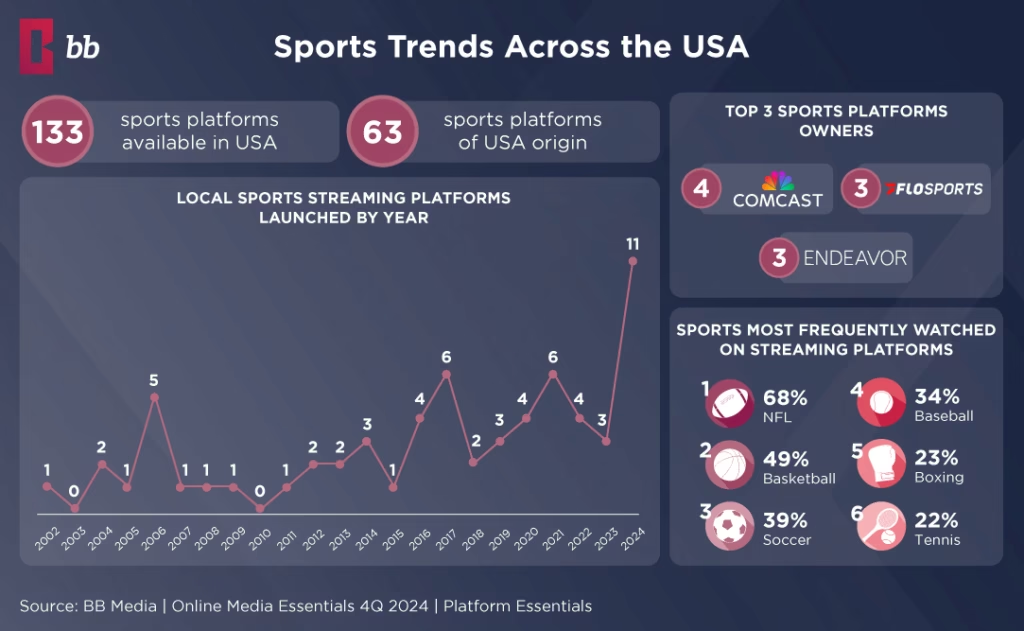
FuboTV’s business model heavily relies on licensing sports content, which is becoming increasingly expensive. Major sports leagues are signing multi-billion-dollar deals with larger networks and tech platforms, pushing smaller players out of competitive pricing.
In 2026, content acquisition costs have surged across the industry. FuboTV, lacking the financial strength of larger competitors, is forced to spend a significant portion of its revenue on securing broadcasting rights. This has led to persistent operating losses.
Unlike diversified companies, FuboTV cannot offset these costs through other revenue streams like cloud services or hardware. As a result, its margins remain under pressure, and profitability continues to be out of reach.
Cash Burn and Debt Concerns Are Growing
Another critical issue investors are missing is FuboTV’s cash burn rate. The company continues to spend aggressively on content, marketing, and platform improvements while generating limited profit.
Financial reports in 2025 and early 2026 show that FuboTV is still operating at a net loss, with negative free cash flow. This raises concerns about how long the company can sustain its operations without raising additional capital.
Frequent capital raises, whether through debt or equity dilution, can negatively impact shareholders. Retail investors often overlook this risk, but it plays a major role in long-term stock performance. If the company continues burning cash at the current rate, future dilution could further drag down the stock price.
Intense Competition From Big Tech and Media Giants
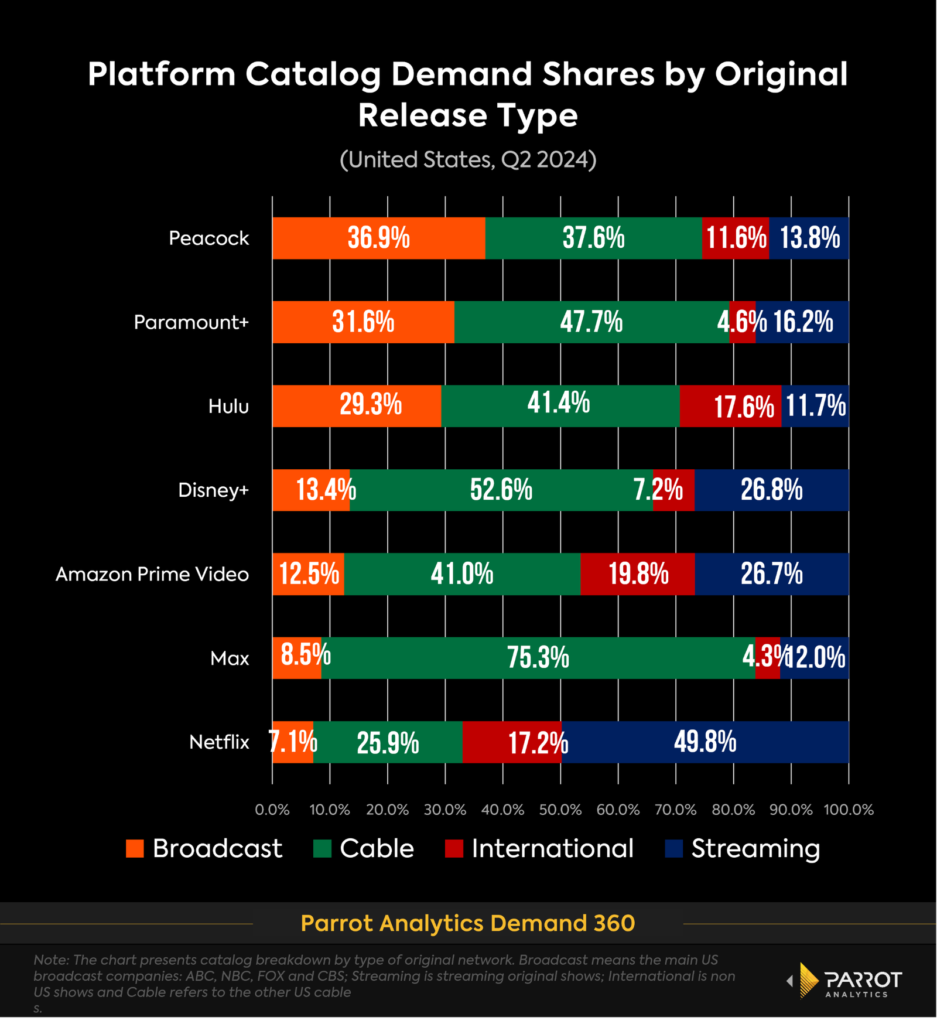
The competitive landscape in 2026 is far more aggressive than when FuboTV first entered the market. Companies like Amazon Prime Video and Apple TV+ are investing heavily in sports content, including exclusive rights to major leagues.
Additionally, platforms like Hulu + Live TV and YouTube TV offer comprehensive packages that include sports, entertainment, and on-demand content—often at competitive pricing.
This puts FuboTV in a difficult position. Its niche focus on sports, once a strength, is now being replicated by larger companies with deeper pockets. As a result, customer acquisition costs are rising while retention becomes more challenging.
Advertising Revenue Is Not Scaling as Expected
FuboTV has positioned itself as an ad-supported streaming platform with significant growth potential in digital advertising. However, the expected surge in ad revenue has not fully materialized.
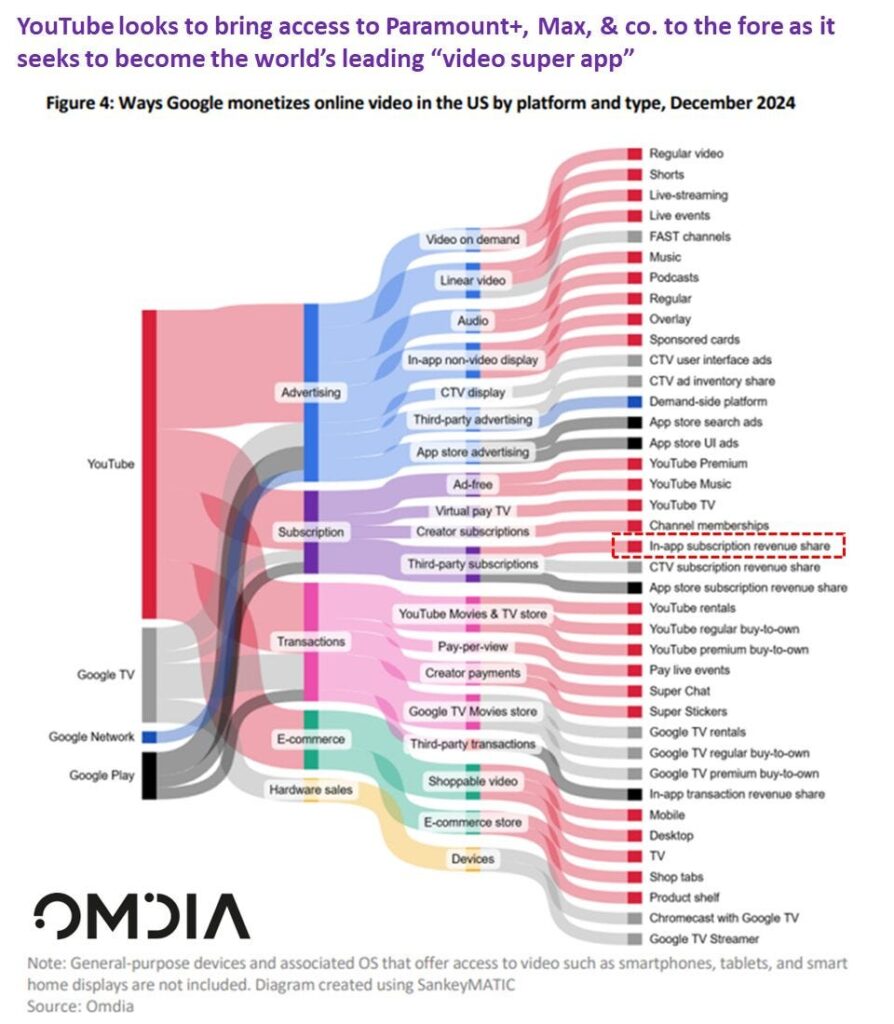
In 2026, advertisers are becoming more selective, focusing on platforms with larger audiences and better targeting capabilities. While FuboTV has made progress in ad tech, it still lags behind giants like Google and Meta Platforms in data-driven advertising.
This limits its ability to generate high-margin revenue. Without strong ad growth, the company remains heavily dependent on subscription revenue, which is already under pressure.
Market Sentiment and Stock Performance Trends
Investor sentiment around FuboTV has shifted dramatically in 2026. Once considered a high-growth opportunity, the stock is now viewed as a high-risk investment.
Recent trading patterns show increased volatility, with sharp declines following earnings reports. Analysts are also revising their outlook, with many lowering price targets due to ongoing losses and competitive challenges.
Institutional investors, who play a key role in stock stability, have reduced their exposure to smaller streaming companies. This further increases volatility and downside risk for retail investors.
Expert Outlook and What Investors Should Watch Next
Market analysts suggest that FuboTV’s future depends on its ability to achieve profitability and differentiate itself in a crowded market. Key factors to watch include:
- Progress toward positive cash flow
- Strategic partnerships or mergers
- Expansion into new revenue streams
- Improvements in advertising technology
Some experts believe that consolidation in the streaming industry could benefit smaller players like FuboTV. However, others argue that without significant changes, the company may continue to struggle.
Investors should also monitor broader industry trends, including sports broadcasting rights and consumer spending patterns. These factors will play a major role in shaping FuboTV’s future.
High Risk, Uncertain Reward
FuboTV’s decline in 2026 is not just a short-term fluctuation—it reflects deeper structural challenges within its business model and the streaming industry as a whole.
While the company still has potential, especially if it can innovate and control costs, the risks remain significant. Retail investors should carefully evaluate these risks before making investment decisions.
The combination of slowing growth, rising costs, intense competition, and financial pressure makes FuboTV a highly speculative investment in today’s market. For many investors, caution may be the best strategy until clearer signs of stability and profitability emerge.
Subscribe to trusted news sites like USnewsSphere.com for continuous updates.