US Shock: Reports Claim 13 Military Bases Hit in West Asia, Global Tensions Surge Rapidly
US bases in West Asia destroyed is now one of the most searched and debated global security developments, raising urgent questions about regional stability, US military readiness, and future geopolitical risks. Reports circulating online—including viral video claims—suggest that multiple US military bases in West Asia may have been targeted or damaged, forcing operational changes such as remote coordination by some personnel. While official confirmations remain limited, the situation highlights rising tensions in the region.
Who: US military forces and regional actors
What: Alleged attacks or destruction of multiple bases
Why: Escalating geopolitical conflicts and regional instability
Impact: Potential shift in US military strategy and global security risks
This matters now because even unconfirmed or partially verified reports can influence markets, defense strategies, and public perception globally.
What Reports Are Claiming About US Military Bases
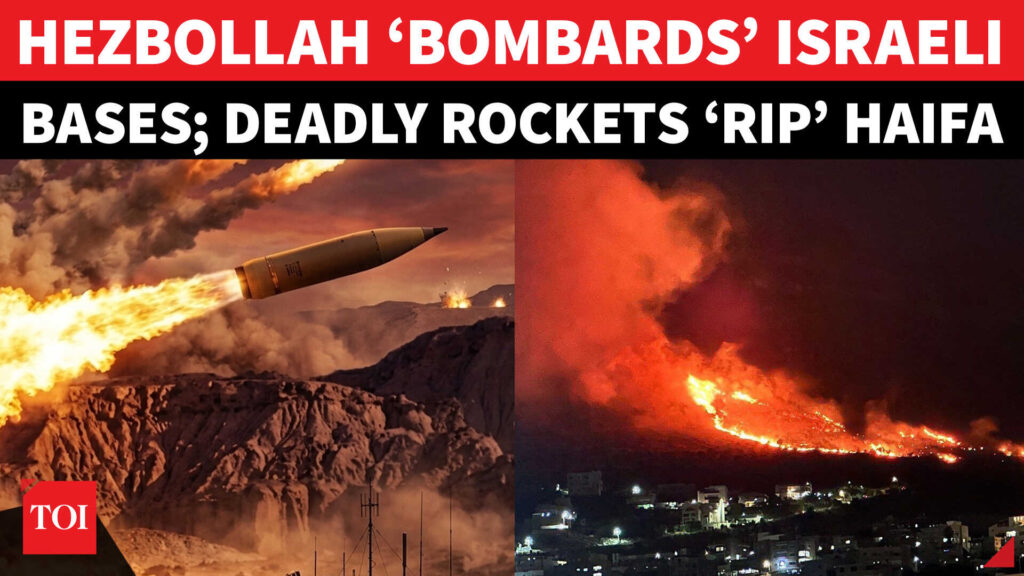
Recent online reports and discussions claim that up to 13 US-linked bases in West Asia have been impacted by attacks or military actions. These claims suggest disruptions in logistics, infrastructure damage, and a shift toward remote operational coordination for some personnel.
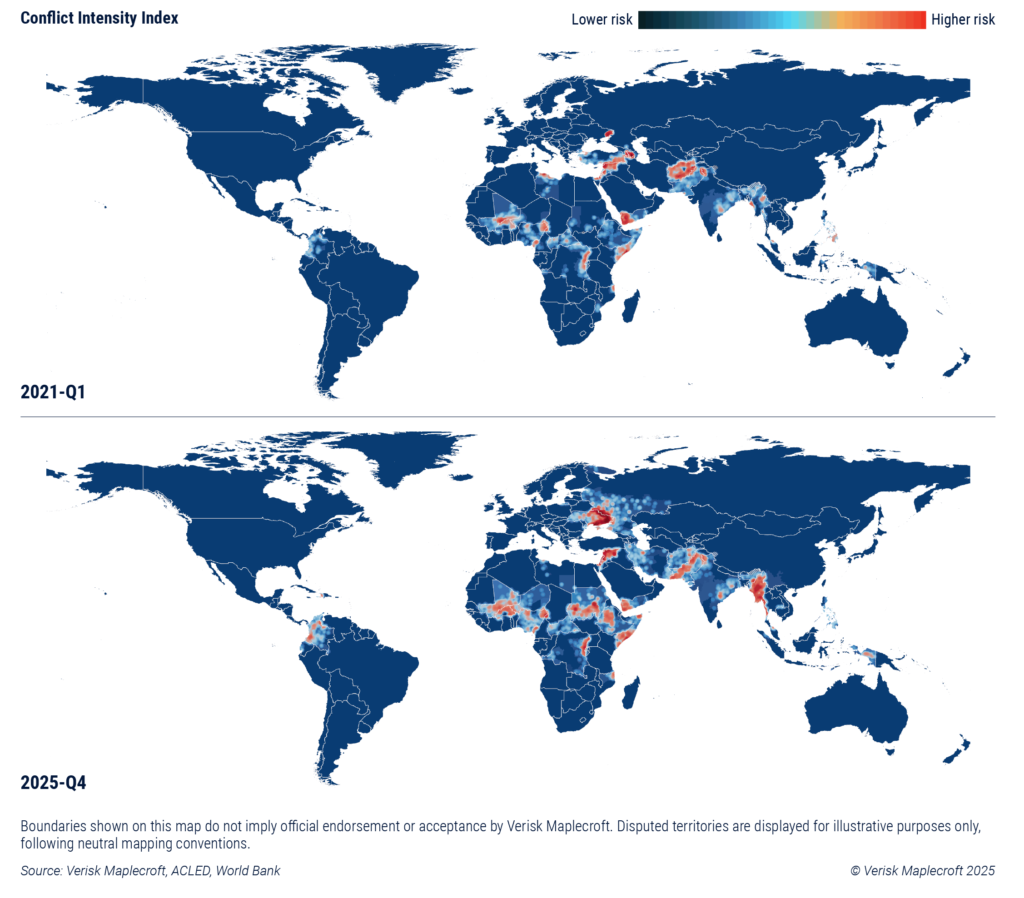
However, it is critical to understand that such reports often emerge during periods of heightened tension and may include a mix of verified facts, speculation, and strategic misinformation. Major global outlets have not fully confirmed the scale described in viral content, but they do acknowledge increased threats to US assets in the region.
This gap between viral narratives and confirmed reporting is important for readers, especially in the USA, where defense and foreign policy developments directly impact national security discussions and financial markets.
Why Tensions in West Asia Are Rising Again
The situation in West Asia has been volatile for years, but recent developments have intensified concerns. Factors contributing to rising tensions include proxy conflicts, regional rivalries, and military posturing by multiple nations.
Additionally, ongoing conflicts and shifting alliances have created an environment where military bases—especially foreign ones—become strategic targets. The presence of US forces in multiple countries across the region means that any escalation can have widespread consequences.
Another key factor is technological warfare. Cyber operations, drones, and precision strikes have made it easier for smaller groups to target high-value military infrastructure, increasing the perception of vulnerability even if actual damage is limited.
Impact on US Military Strategy and Operations
If even part of these claims is accurate, it signals a potential shift in how the US conducts military operations in high-risk regions. Moving personnel to remote operations or reducing physical presence could become more common in response to evolving threats.
This also reflects a broader trend in modern warfare—less reliance on large physical bases and more emphasis on flexible, tech-driven operations. Remote coordination, satellite monitoring, and AI-driven defense systems are becoming increasingly important.
For US readers, this shift could influence defense budgets, military recruitment, and long-term foreign policy decisions. It also impacts global confidence in US military strength, which plays a key role in international diplomacy.
Global Market and Economic Reactions
Geopolitical instability often leads to immediate reactions in global markets. Oil prices, defense stocks, and safe-haven assets like gold tend to fluctuate when tensions in West Asia rise.
Even unconfirmed reports can trigger volatility because investors react to perceived risk rather than confirmed facts. For example, disruptions near key oil-producing regions can create fears of supply shortages, pushing prices higher.
This directly affects US consumers through fuel prices, inflation trends, and broader economic conditions. It also creates opportunities for investors who closely follow geopolitical developments.
Why This Matters Now for the USA and the World
The biggest takeaway is not just whether 13 bases were destroyed—but what the narrative itself represents. It highlights how quickly information spreads, how geopolitical tensions are escalating, and how modern warfare is evolving.
For the USA, this situation underscores the importance of strategic positioning, intelligence accuracy, and global partnerships. For the world, it shows how interconnected security, economy, and information flow have become.
In today’s digital age, perception can be as powerful as reality. Reports like these influence public opinion, policy decisions, and even international relations—making it essential to rely on verified information while staying aware of emerging developments.
Final Analysis: What Comes Next
Moving forward, expect increased monitoring of the region, possible official statements from defense authorities, and continued media coverage as more facts emerge. Whether the initial claims are fully accurate or not, the underlying tensions are real and ongoing.
The US may reassess its presence in certain areas, strengthen alliances, and invest more in advanced defense systems. Meanwhile, global audiences will continue to follow updates closely, especially as geopolitical risks remain high.
For readers and investors, staying informed with credible, well-researched updates is critical—not just for understanding global events but also for making smarter financial and strategic decisions.
Subscribe to trusted news sites like USnewsSphere.com for continuous updates.