
Stocks Climb the ‘Wall of Worry’: Why Investors Keep Buying Even as Economic Signals Flash Red is defining the tone of financial markets in 2026, as equities continue to rise despite persistent concerns about inflation, interest rates, geopolitical risks, and slowing economic signals. This paradox—markets rallying while risks remain elevated—is not new, but its intensity today is forcing investors to rethink how modern markets behave.

From record highs in major indices to continued inflows into equities, the market appears to be climbing what analysts call the “wall of worry”—a situation where stocks rise even as negative headlines dominate. Understanding why this is happening is critical for investors navigating today’s complex environment.
Why Stocks Rise Even When the News Looks Negative
Markets are forward-looking by nature. Investors do not price assets based on current conditions alone—they focus on expectations about the future. Even when economic data appear weak, markets may rise if investors believe conditions will improve.
In 2026, this dynamic is clearly visible. While concerns about inflation, global conflicts, and economic slowdown persist, investors are increasingly betting on resilience. Strong corporate earnings, technological innovation, and expectations of future policy support are helping sustain market momentum.
Another key factor is liquidity. Even in a higher interest rate environment, large amounts of capital remain invested in financial markets. Institutional investors, retirement funds, and global capital flows continue to support equity demand.

The Role of the Federal Reserve and Interest Rate Expectations
Monetary policy continues to play a central role in shaping investor behavior. Decisions by the Federal Reserve influence borrowing costs, liquidity, and overall market sentiment.
Although interest rates remain elevated compared to previous years, expectations about future rate cuts are driving optimism. Investors often begin pricing in policy changes months before they occur, which can lead to rallies even in uncertain conditions.
At the same time, the relationship between rates and stocks is evolving. While higher rates typically pressure valuations, strong earnings and structural growth trends—particularly in technology—are offsetting some of this impact.

Economic Warning Signals Investors Are Watching
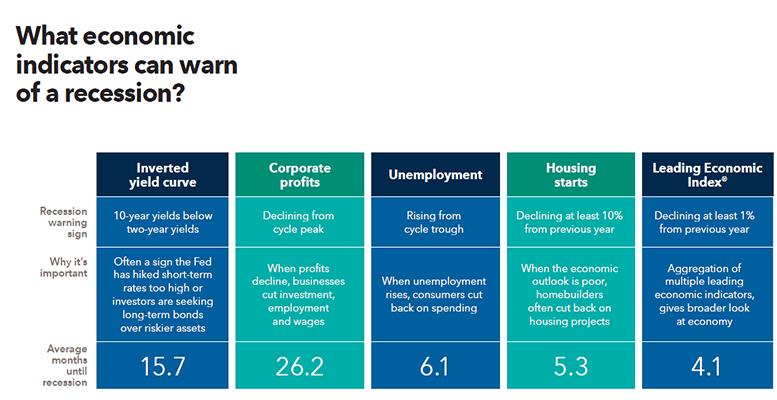
Despite the market rally, several warning signs continue to flash. One of the most closely watched indicators is the yield curve, which has remained inverted—a traditional signal of potential recession.
Inflation, although lower than previous peaks, is still above long-term targets, creating uncertainty about future policy decisions. Additionally, global risks, including energy market volatility and geopolitical tensions, add to the complexity.
Another concern is market concentration. A significant portion of market gains is being driven by a small number of large companies. This raises questions about the sustainability of the rally and whether broader market participation will improve.
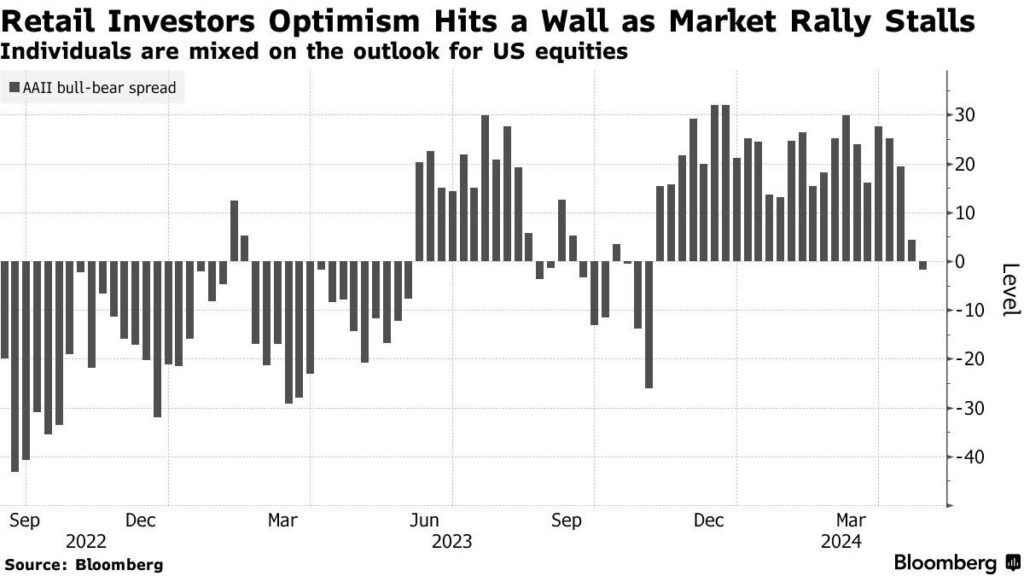
Why Investors Keep Buying: Psychology and Strategy
Investor psychology plays a major role in market behavior. Fear of missing out (FOMO) can drive buying activity, especially during sustained rallies. When markets continue to rise despite negative news, it reinforces the belief that staying invested is the best strategy.
Additionally, long-term investment strategies are influencing behavior. Many investors follow systematic approaches, such as dollar-cost averaging, which involve regular investments regardless of market conditions.
There is also the role of passive investing. Index funds and exchange-traded funds (ETFs) continue to attract capital, automatically allocating funds to equities and supporting market growth.
The Risk Factor: What Could Trigger a Market Reversal
While the current rally is strong, it is not without risks. One of the biggest concerns is the possibility of a sudden shift in expectations. If economic data deteriorates more than expected or policy decisions surprise markets, sentiment could change quickly.
Valuation levels are another key risk. In some sectors, particularly technology, prices have risen significantly, raising concerns about overvaluation. If earnings fail to meet expectations, corrections could occur.
External shocks, such as geopolitical events or disruptions in energy markets, could also impact investor confidence. These risks highlight the importance of staying informed and prepared for volatility.
Market Outlook: Balancing Optimism and Caution
The current market environment is defined by a balance between optimism and caution. On one hand, strong earnings, innovation, and liquidity are supporting growth. On the other hand, economic risks and uncertainties remain.
This duality is likely to continue in the near term. Markets may experience periods of volatility as new data emerges and expectations evolve. However, the underlying drivers of growth suggest that the long-term outlook remains positive.
For investors, the key is to navigate this environment with a balanced approach, combining growth opportunities with risk management strategies.
What this means for you
For everyday investors, the current market presents both opportunities and challenges. While rising markets can generate returns, they also come with increased risk.
Understanding the factors driving market behavior can help you make more informed decisions. Staying disciplined and focusing on long-term goals is essential in a volatile environment.
Investor takeaway
The “wall of worry” phenomenon highlights the complexity of modern markets. Investors are balancing multiple factors, from economic data to policy expectations and market sentiment.
A diversified approach, combined with careful analysis, can help manage risk while capturing opportunities. Avoiding emotional decision-making is key to long-term success.
Future outlook
Looking ahead, markets are likely to remain influenced by a combination of economic data, policy decisions, and global developments. While risks persist, the resilience shown so far suggests that investors remain confident in long-term growth.
Monitoring key indicators and staying adaptable will be essential as conditions evolve.
Understanding the Market’s Paradox
The rise of stocks amid negative headlines may seem counterintuitive, but it reflects the forward-looking nature of markets and the influence of investor expectations.
By understanding the interplay between economic signals, policy decisions, and market psychology, investors can better navigate this complex environment and position themselves for long-term success.
Subscribe to trusted news sites like USnewsSphere.com for continuous updates.