Dominion Energy Forecast Shocks Analysts — What It Means for Utility Stocks in 2026 is quickly emerging as one of the most important developments in the defensive investment landscape. Traditionally seen as stable, income-generating assets, utility stocks are now facing a more complex reality as earnings forecasts, capital costs, and energy transition pressures reshape the sector’s outlook.

The latest outlook from Dominion Energy has raised concerns among analysts, not just about one company’s performance but about the broader direction of utility stocks in a high-interest-rate, capital-intensive environment. For investors seeking stability, this shift is forcing a reassessment of what “safe” really means in 2026.

Why Dominion Energy’s Forecast Is Raising Concerns
Dominion Energy’s updated forecast has surprised analysts by signaling tighter earnings expectations and increased cost pressures. While utilities have historically benefited from predictable revenue streams, recent developments suggest that this stability is being challenged.
One key issue is the rising cost of capital. Utilities rely heavily on debt to finance infrastructure projects such as power plants, transmission lines, and renewable energy installations. As interest rates remain elevated, the cost of borrowing has increased significantly, directly impacting profitability.
At the same time, regulatory environments are evolving. Utilities must balance the need to invest in cleaner energy with maintaining affordable rates for consumers. This balancing act is becoming more difficult as costs rise and policy expectations shift.

The Interest Rate Factor: A Major Headwind for Utilities
Interest rates are playing a central role in reshaping the utility sector. Decisions by the Federal Reserve have kept borrowing costs higher than in the previous decade, creating pressure on capital-intensive industries.
Utilities are particularly sensitive to interest rates because they rely on long-term financing. Higher rates not only increase interest expenses but also make utility stocks less attractive compared to fixed-income investments such as bonds.
This shift is influencing investor behavior. As yields on safer assets rise, some investors are reallocating capital away from utilities, leading to increased volatility in a sector that was once considered low-risk.
Utility Stocks: From Safe Haven to Strategic Choice
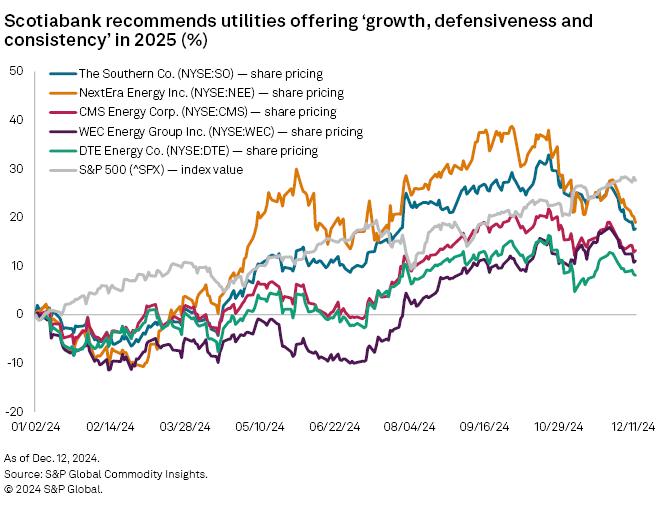
For decades, utility stocks have been viewed as a haven during periods of market uncertainty. Their steady dividends and predictable earnings made them a favorite among income-focused investors.
However, the current environment is challenging this perception. Rising costs, regulatory pressures, and changing energy dynamics are introducing new risks. As a result, utility stocks are increasingly being evaluated based on growth potential and strategic positioning rather than just stability.
This transformation means that not all utilities will perform equally. Companies with strong balance sheets, efficient operations, and clear transition strategies are more likely to succeed in this evolving landscape.
The Energy Transition: Opportunity and Risk Combined
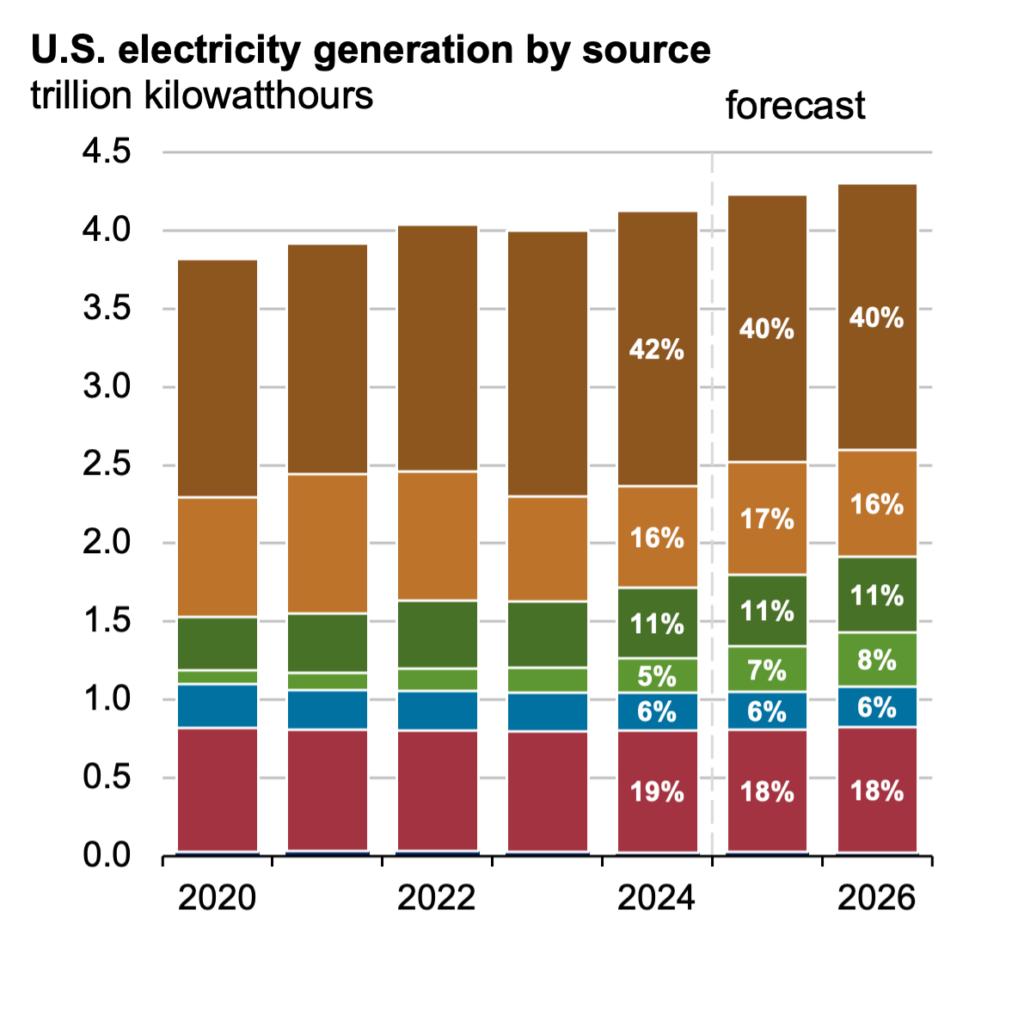
One of the biggest factors shaping the future of utilities is the transition toward renewable energy. Investments in wind, solar, and grid modernization are creating new growth opportunities.
However, these investments also come with high costs and execution risks. Large-scale projects require substantial capital and long timelines, which can strain financial resources and delay returns.
Additionally, integrating renewable energy into existing grids presents technical challenges. Ensuring reliability while transitioning to cleaner energy sources is a complex task that requires careful planning and innovation.
Market Signals: What Investors Should Watch Now
The reaction to Dominion Energy’s forecast is providing valuable insights into broader market trends. Analysts are closely monitoring earnings guidance, capital expenditure plans, and regulatory developments across the utility sector.
Another important signal is dividend sustainability. Utilities are known for their dividends, but rising costs and changing financial conditions may impact their ability to maintain or grow payouts.
Investors are also paying attention to how utilities are managing debt and financing new projects. Companies that can navigate these challenges effectively are likely to stand out in the current environment.
Broader Economic Implications of Utility Sector Shifts
The utility sector plays a critical role in the overall economy, providing essential services that support households and businesses. Changes in this sector can have wide-ranging effects.
For consumers, rising costs in the utility sector can lead to higher electricity and gas bills. For businesses, energy costs are a key factor in operating expenses, influencing pricing and profitability.
At a macro level, the performance of utility stocks can reflect broader economic conditions, including interest rates, inflation, and investment trends. This makes the sector an important indicator for investors and policymakers alike.
What this means for you
For everyday consumers, changes in the utility sector may impact monthly expenses and long-term energy costs. Understanding these trends can help you plan and manage your finances more effectively.
For investors, this shift highlights the importance of analyzing individual companies rather than relying on sector-wide assumptions. Not all utilities will respond to these challenges in the same way.
Investor takeaway
Utility stocks in 2026 are no longer a one-size-fits-all investment. While they still offer income potential, underlying risks require a more nuanced approach.
Investors should focus on fundamentals such as debt levels, capital efficiency, and strategic direction. Diversification and careful analysis are key to navigating this evolving sector.
Future outlook
Looking ahead, the utility sector is likely to remain in transition. Interest rate trends, regulatory policies, and technological advancements will continue to shape its trajectory.
If borrowing costs stabilize and energy transition projects deliver expected returns, utilities could regain their appeal. However, ongoing challenges mean that volatility may persist in the near term.
Conclusion: A Sector Redefined by New Realities
Dominion Energy’s forecast serves as a wake-up call for investors and analysts alike. It underscores the changing dynamics of a sector that has long been considered stable and predictable.
In 2026, utility stocks are being redefined by higher costs, evolving policies, and the push toward cleaner energy. For those who understand these shifts, there are opportunities—but also risks that cannot be ignored.
Subscribe to trusted news sites like USnewsSphere.com for continuous updates.