

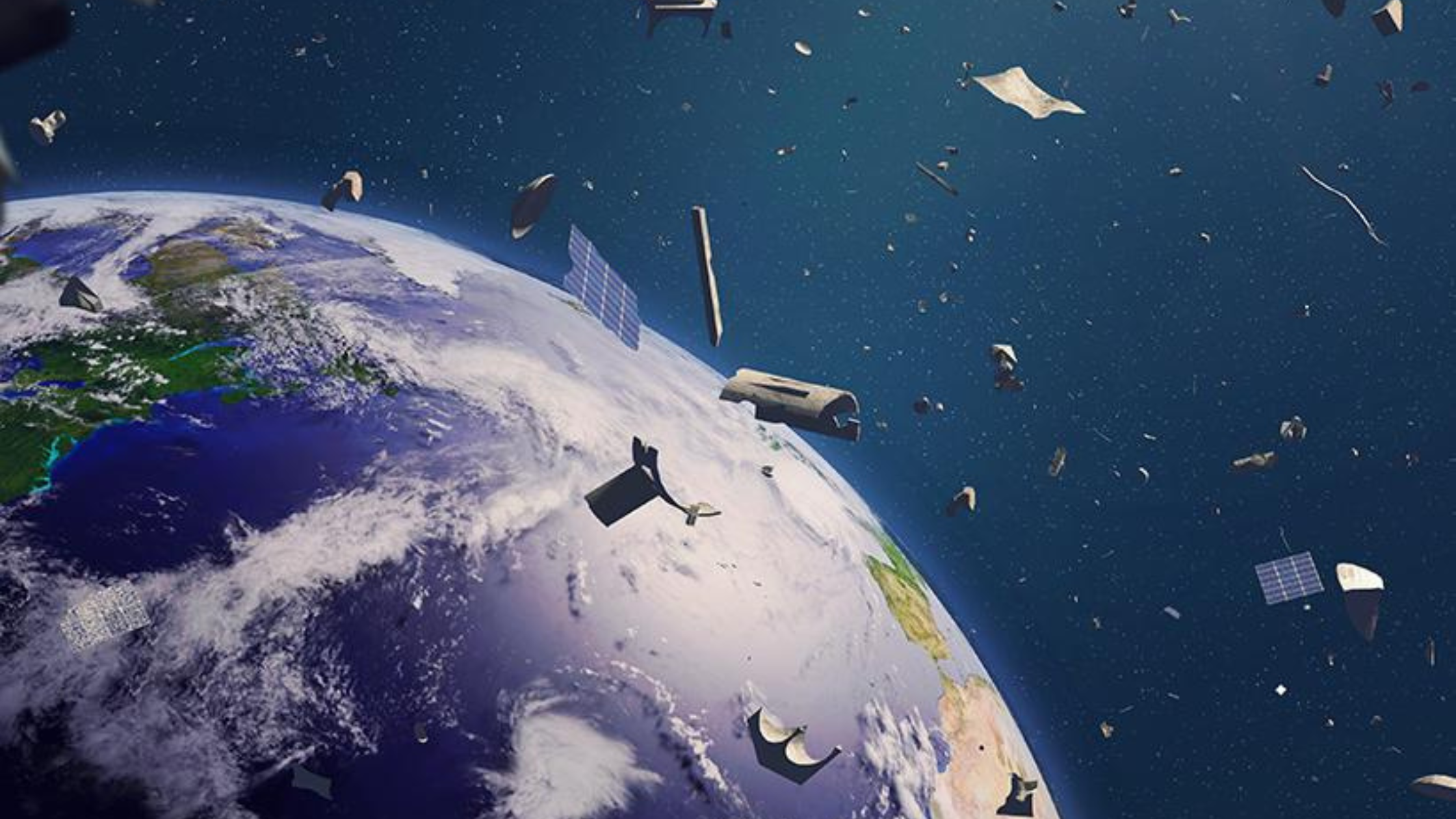
Low Earth Orbit Crisis: Why Satellites Could Start Colliding Within Days, Not Years is no longer a distant theoretical concern—it is rapidly becoming a near-term reality as the number of satellites in orbit surges to unprecedented levels. In the past few years, thousands of satellites have been launched into low Earth orbit (LEO), dramatically increasing congestion and raising the risk of collisions that could cascade into a global space infrastructure crisis.
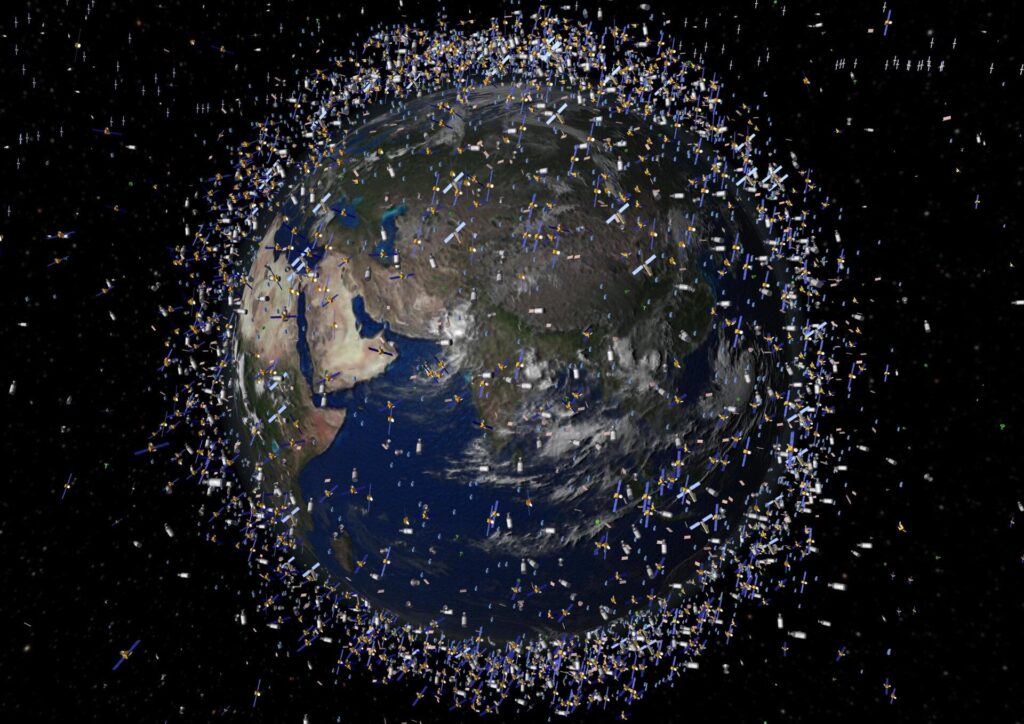
This issue matters far beyond the aerospace industry. From GPS navigation and internet services to weather forecasting and financial systems, modern life in the United States depends heavily on satellite networks. A sudden breakdown in these systems due to orbital collisions could disrupt daily life, economic activity, and national security.
Why collision risks are rising faster than expected, who is most affected, and what this could mean for Americans and the global economy. You’ll also understand what comes next and whether solutions can arrive in time.
What Happened
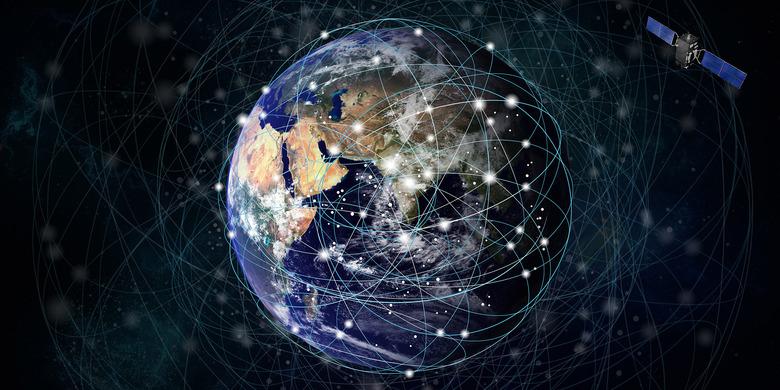
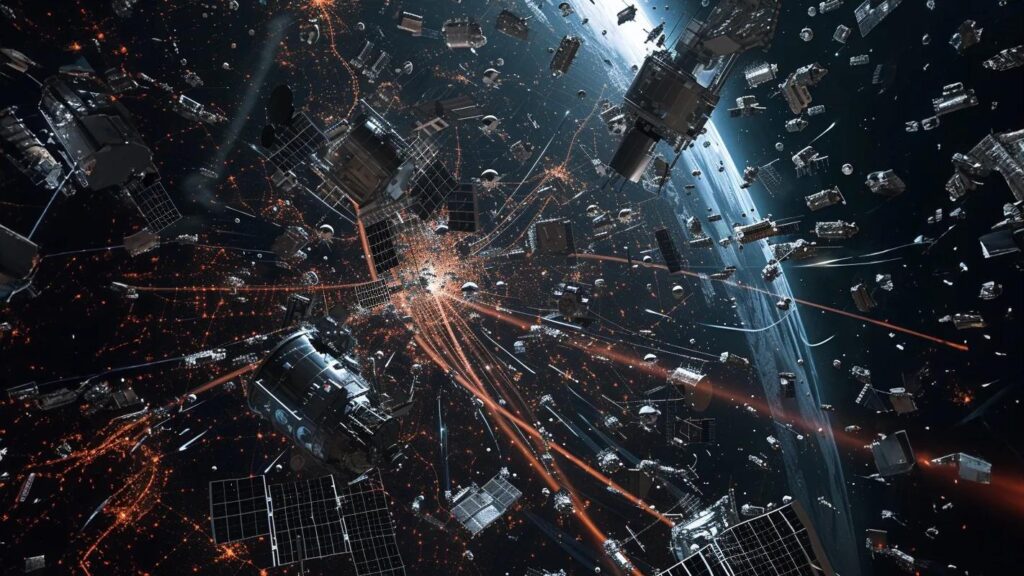
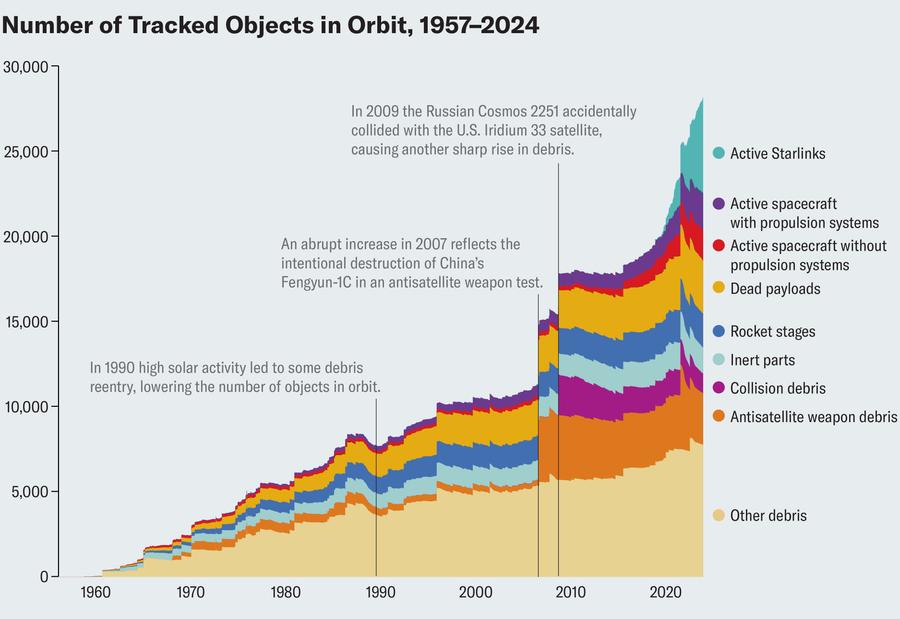
Over the last decade, the number of satellites in low Earth orbit has increased exponentially, largely driven by private companies like SpaceX, Amazon, and OneWeb launching large satellite constellations. These networks are designed to provide global internet coverage, but they have also crowded orbital space like never before.
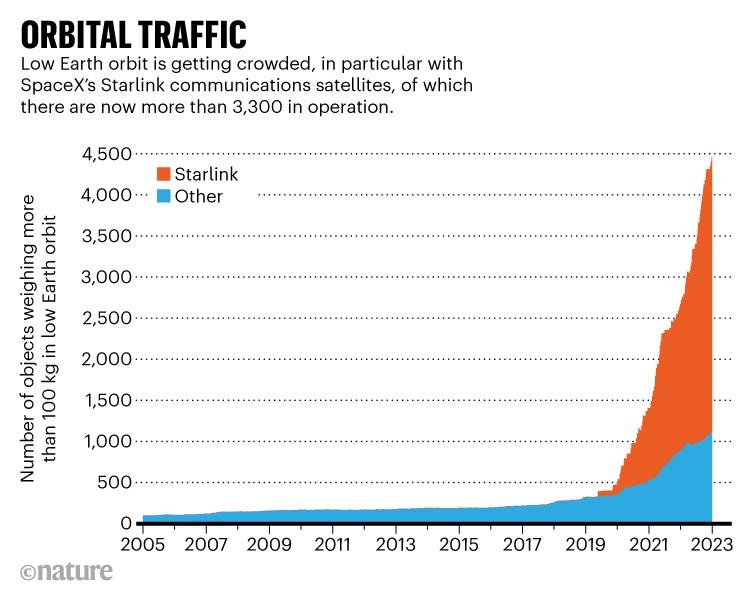
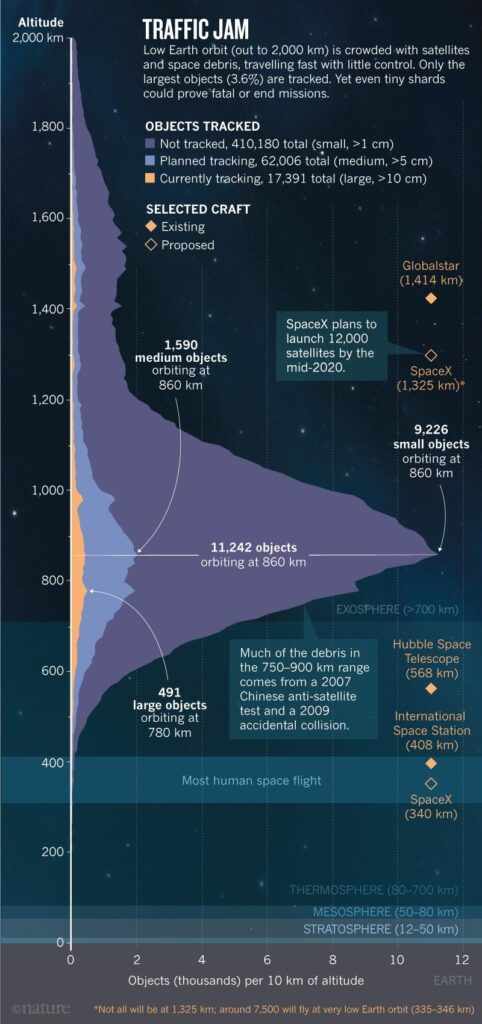
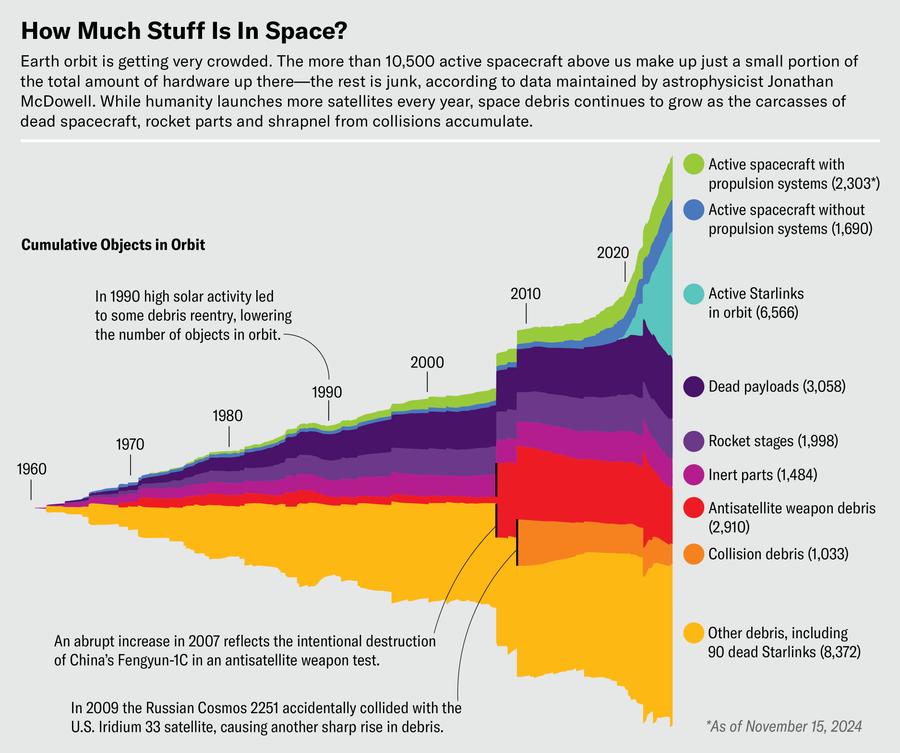
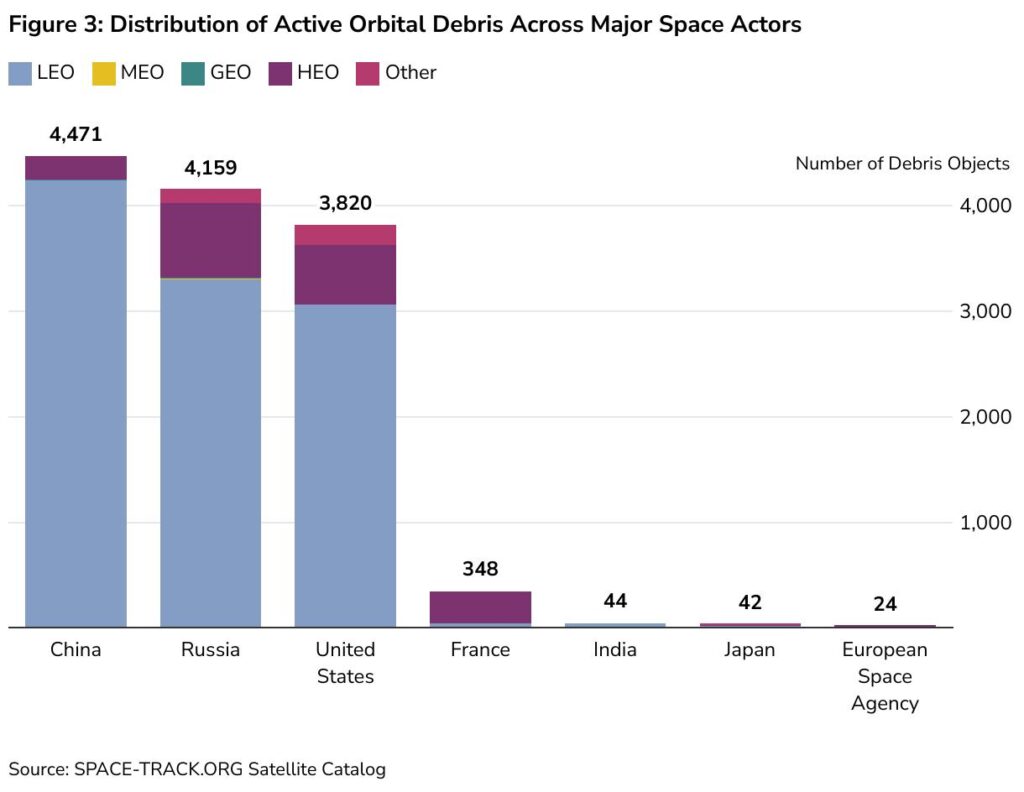
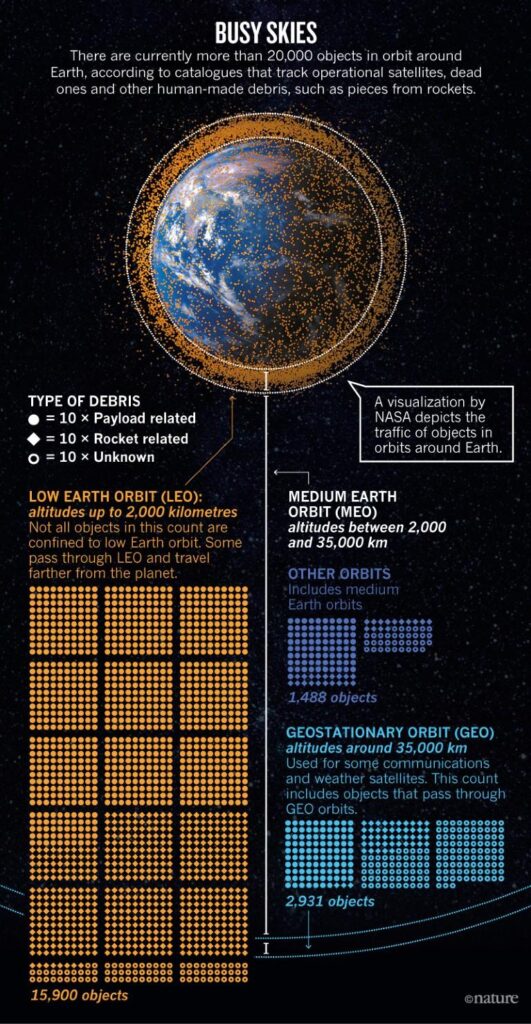
As of 2026, there are over 10,000 active satellites in LEO, with tens of thousands more planned. According to data from NASA and the European Space Agency, the density of objects in certain orbital bands has reached critical thresholds. Even small pieces of debris—traveling at speeds exceeding 17,000 mph—can destroy satellites upon impact.
Recent near-miss incidents between satellites have alarmed scientists. In multiple cases, automated collision avoidance systems had to intervene within hours or days of potential impact. This shift from years of warning to mere days highlights how quickly the situation is escalating.
Why It Happened
The root cause of the crisis is the rapid commercialization of space combined with limited global regulation. Companies are racing to deploy satellite constellations to dominate broadband markets, often launching hundreds or thousands of satellites at once.
Unlike traditional satellites, which were carefully spaced and managed, modern constellations operate in clusters. This increases the probability of collisions, especially when combined with aging satellites and debris from past missions.
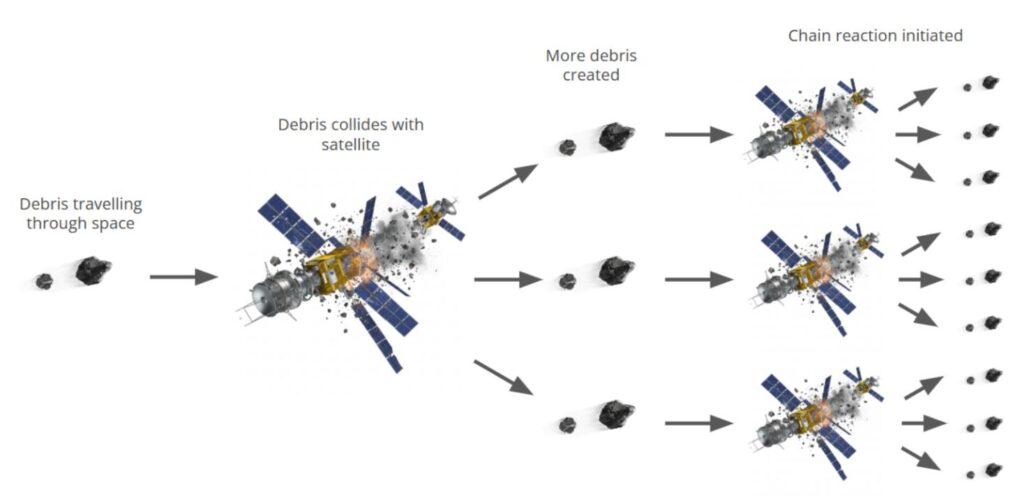
Another critical factor is the Kessler Syndrome, a scientific concept proposed by Donald J. Kessler. It describes a scenario where one collision creates debris that triggers more collisions, leading to a chain reaction that could render entire orbital zones unusable.
Additionally, coordination between countries and companies remains fragmented. There is no unified global traffic management system for space, meaning satellites often rely on independent tracking systems that may not always communicate effectively.
Who Is Affected
The immediate stakeholders include satellite operators, governments, and space agencies. Companies like SpaceX, OneWeb, and Amazon face significant financial risks if their satellites collide or become inoperable.
However, the broader impact extends to nearly every American. Satellite systems support GPS navigation, aviation tracking, weather prediction, emergency services, and even stock market timing systems. A disruption could affect transportation, communication, and financial markets simultaneously.
Military and national security operations are also deeply dependent on space-based assets. The United States Space Force has already identified orbital congestion as a major threat to operational readiness.
Financial or Economic Impact
The economic implications of a low Earth orbit crisis are massive. The global space economy is projected to exceed $1 trillion by 2040, with satellite services forming a large portion of that value.
In the United States alone, satellite-dependent industries contribute hundreds of billions of dollars annually. GPS services support sectors such as logistics, agriculture, and finance. A disruption in GPS signals could cost the U.S. economy up to $1 billion per day, according to government estimates.
Satellite internet services—such as those provided by Starlink—are rapidly expanding, particularly in rural and underserved areas. A collision cascade could disrupt these services, affecting millions of users and businesses.
Insurance costs for satellite launches and operations are also rising sharply. Insurers are factoring in higher collision risks, which could make future launches more expensive and slow down industry growth.
From a market perspective, publicly traded aerospace and telecommunications companies could see increased volatility. Investors are closely monitoring regulatory developments and technological solutions aimed at reducing orbital risk.
What Happens Next
Experts warn that without immediate intervention, the risk of a major collision event could become imminent within years—or even days in high-density orbital regions. Several solutions are currently being explored.
One approach is the development of active debris removal systems. Companies and agencies are working on technologies to capture and deorbit space junk before it can cause collisions.
Another strategy involves improving space traffic management. Organizations like Federal Aviation Administration and international bodies are pushing for standardized tracking and communication systems to coordinate satellite movements more effectively.
There is also growing pressure for regulatory reform. Governments may impose stricter rules on satellite launches, including requirements for deorbiting satellites at the end of their lifecycle.
What This Means for Americans
For everyday Americans, the implications are both immediate and long-term. In the short term, increased collision risks could lead to service disruptions in GPS, internet connectivity, and weather forecasting. These are systems people rely on daily, often without realizing it.
In the long term, the cost of satellite services could rise as companies pass on increased insurance and operational expenses. This could affect everything from broadband pricing to airline ticket costs.
There is also a national security dimension. A congested and unstable orbital environment could limit the United States’ ability to operate effectively in space, impacting defense and intelligence capabilities.
For readers, this is an opportunity to stay informed and understand how space infrastructure affects daily life. Internally, you can link this section to related articles like “How Satellite Internet Is Changing Rural America” or “The Future of Space Economy in the USA” to increase engagement and session time.
FAQ Section
Could satellites really start colliding within days?
Yes, in highly congested orbital regions, collision warnings are now being issued with very short notice—sometimes within days. This is due to the increasing density of satellites and debris, combined with limited coordination between operators.
While not every warning leads to a collision, the frequency of these alerts is rising, indicating a growing risk. Automated systems are helping avoid disasters, but they are not foolproof.
What is the Kessler Syndrome and why is it dangerous?
The Kessler Syndrome is a chain-reaction scenario where collisions generate debris that causes more collisions. Over time, this could make certain orbital regions unusable.
This would have severe consequences for satellite-based services and could halt future space missions. It is considered one of the most serious long-term threats to space operations.
How does this affect internet and GPS services?
Satellite collisions could disrupt networks that provide internet and GPS services. Even temporary outages could affect navigation, communication, and financial systems.
For example, GPS timing is critical for stock market transactions and banking systems. A disruption could have cascading effects across the economy.
Are there solutions to prevent this crisis?
Yes, but they require global cooperation. Solutions include debris removal, improved tracking systems, and stricter regulations on satellite launches.
Technological innovation is also playing a role, with companies developing autonomous collision avoidance systems. However, implementation needs to scale quickly to match the growing problem.
Should Americans be worried right now?
While there is no immediate catastrophic event, the risk is increasing rapidly. Awareness and proactive measures are essential to prevent a future crisis.
Government agencies and private companies are actively working on solutions, but the situation requires urgent attention to avoid long-term consequences.
Conclusion
The low Earth orbit crisis is a clear example of how rapid technological advancement can outpace regulation and infrastructure. What was once a distant concern is now a pressing issue that could impact global communication and national security.
For the United States, maintaining leadership in space requires not only innovation but also responsibility. Addressing orbital congestion will be critical to ensuring the sustainability of space operations for decades to come.
Subscribe to trusted news sites like USnewsSphere.com for continuous updates.


