
Big Oil CEOs Sound the Alarm: Why Energy Stocks Could Be Near a Breaking Point is quickly becoming one of the most critical financial narratives shaping global markets in 2026. As leaders from major oil companies warn about tightening supply, geopolitical risks, and structural shifts in energy demand, investors are beginning to question whether the strong performance of energy stocks can continue—or if the sector is approaching a turning point.
Executives from companies like ExxonMobil and other global energy giants have raised concerns about supply disruptions and long-term investment gaps. These warnings are not just industry commentary—they are signals that could reshape the trajectory of energy markets, inflation, and global economic stability.

Why Big Oil Is Raising Red Flags in 2026
In recent months, oil executives have increasingly warned that the global energy market is entering a period of heightened risk. Despite strong demand, supply constraints are becoming more pronounced due to underinvestment in new production capacity over the past decade.
This imbalance is creating a fragile environment where even minor disruptions can lead to significant price volatility. Factors such as geopolitical tensions, trade disruptions, and regulatory changes are adding to the uncertainty.
For energy companies, the challenge is balancing short-term profitability with long-term sustainability. While current conditions have supported strong earnings, the lack of investment in future supply could lead to tighter markets and higher prices in the years ahead.
The Supply Shock Risk: A Key Driver of Market Anxiety
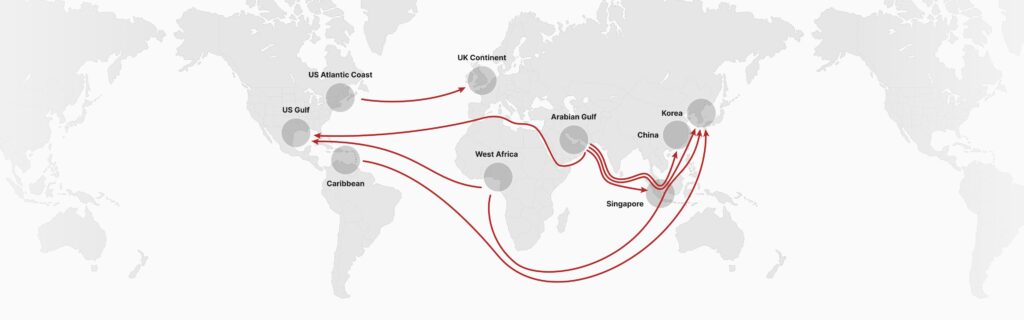
One of the biggest concerns highlighted by industry leaders is the potential for supply shocks. Key global shipping routes and production regions remain vulnerable to geopolitical tensions, particularly in strategically important areas such as the Strait of Hormuz.
If supply were to be disrupted in these regions, oil prices could spike rapidly. This would not only impact energy markets but also have broader economic consequences, including increased transportation costs and higher inflation.
At the same time, global demand for energy remains strong, driven by economic growth and industrial activity. This combination of steady demand and constrained supply is creating a scenario where markets could become increasingly volatile.

Energy Stocks: From Outperformance to Uncertainty
Energy stocks have been among the top-performing sectors in recent years, benefiting from rising oil prices and strong cash flows. Companies have returned significant capital to shareholders through dividends and buybacks, attracting investor interest.
However, the outlook is becoming more complex. High valuations, combined with growing uncertainty about future demand and regulatory pressures, are raising questions about whether the sector can maintain its momentum.
Investors are also considering the impact of the global energy transition. As governments and companies invest in renewable energy and low-carbon technologies, traditional oil and gas companies face long-term structural challenges.

Inflation, Interest Rates, and the Energy Connection
Energy prices play a central role in shaping inflation trends. When oil prices rise, they increase the cost of transportation, manufacturing, and everyday goods, contributing to higher overall inflation.
The Federal Reserve closely monitors energy markets as part of its assessment of inflationary pressures. If oil prices remain elevated or become more volatile, it could influence decisions on interest rates.
Higher interest rates, in turn, can affect the broader economy by increasing borrowing costs and slowing economic activity. This interconnected relationship between energy, inflation, and monetary policy highlights the importance of developments in the oil market.

Hidden Risks: What Investors Might Be Overlooking
Beyond the obvious factors, several hidden risks could impact the energy sector. One of these is the pace of technological change. Advances in renewable energy and energy efficiency could reduce long-term demand for fossil fuels.
Another factor is regulatory pressure. Governments around the world are implementing policies aimed at reducing carbon emissions, which could affect the profitability of traditional energy companies.
There is also the risk of market sentiment shifting. If investors begin to view energy stocks as less attractive due to these long-term challenges, capital could flow into other sectors, putting downward pressure on valuations.
Global Impact: Why This Matters Beyond the Energy Sector
The implications of the current situation extend far beyond energy companies. Oil prices influence a wide range of economic activities, from transportation and manufacturing to consumer spending.
Higher energy costs can reduce disposable income for households, impacting retail and service sectors. For businesses, increased costs can squeeze margins and affect investment decisions.
On a global scale, energy market volatility can influence trade balances, currency values, and geopolitical dynamics. This makes the energy sector a critical component of the broader economic landscape.
What this means for you
For everyday consumers, changes in energy markets can directly affect the cost of living. Higher fuel prices can lead to increased transportation and utility costs, impacting household budgets.
Understanding these trends can help you make better financial decisions, whether it’s budgeting for expenses or considering the broader economic environment.
Investor takeaway
For investors, the energy sector in 2026 presents both opportunities and risks. While strong earnings and cash flows remain attractive, underlying uncertainties require careful analysis.
Diversification and a focus on long-term trends can help manage risk. Investors should pay close attention to supply dynamics, geopolitical developments, and the pace of the energy transition.
Future outlook
Looking ahead, the energy market is likely to remain volatile. Supply constraints, geopolitical risks, and evolving demand patterns will continue to shape the sector.
If supply disruptions occur, oil prices could rise significantly, supporting energy stocks in the short term. However, long-term challenges related to sustainability and technological change may limit growth.
A Sector at a Critical Turning Point
The warnings from Big Oil CEOs highlight a sector that is both strong and vulnerable. While current conditions have supported growth, underlying risks are becoming increasingly apparent.
For investors, understanding these dynamics is essential for navigating the complex landscape of 2026. By staying informed and analyzing key trends, it is possible to identify opportunities while managing potential risks.
Subscribe to trusted news sites like USnewsSphere.com for continuous updates.