
US dollar dominance is facing growing scrutiny as China and Japan adjust their approach to U.S. Treasury holdings while governments around the world explore alternatives to the world’s largest reserve currency.
For decades, the United States benefited from a financial system in which the dollar served as the foundation of global trade, foreign exchange reserves, commodity pricing, and international lending. This position gave Washington significant economic influence and allowed the U.S. government to finance large deficits at relatively favorable borrowing costs.
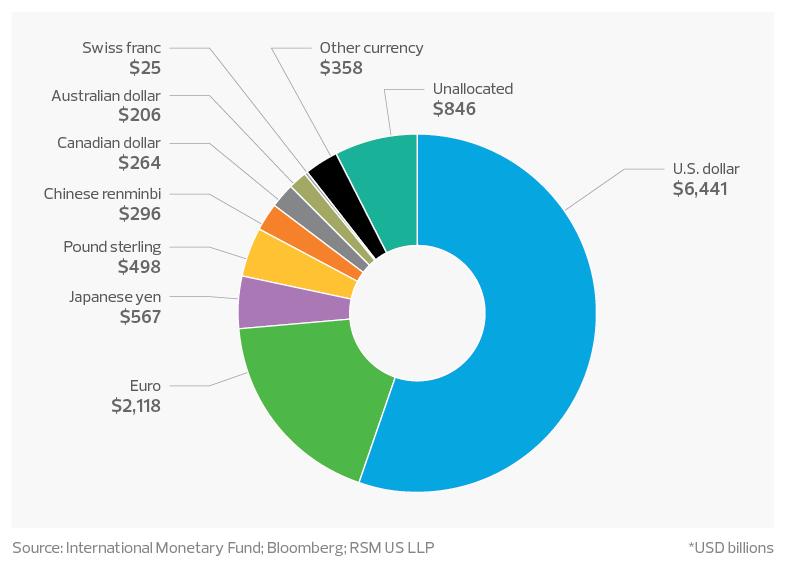
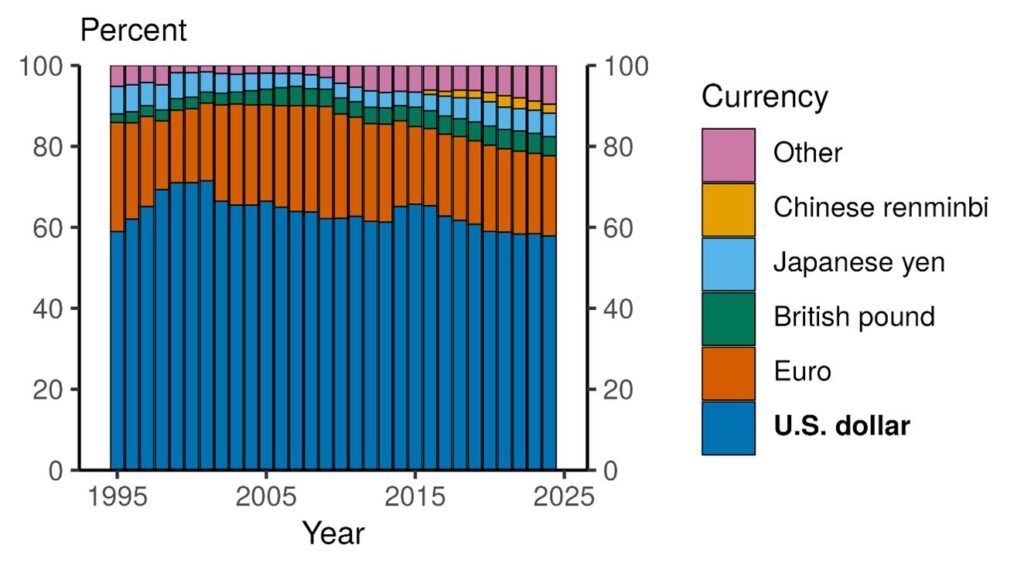
Today, however, the global financial landscape is evolving. China has steadily reduced its direct Treasury holdings over recent years, central banks are increasing gold purchases, and more countries are experimenting with trade settlements outside the dollar system. These developments have fueled debate over whether the world is witnessing the beginning of a long-term shift away from U.S. financial dominance.
While predictions of an imminent collapse of the dollar remain controversial, the trend toward diversification is becoming increasingly difficult to ignore.

Why China and Japan Matter in the U.S. Treasury Market
China and Japan have long been among the largest foreign holders of U.S. Treasury securities. Their investment decisions are closely watched because they help finance U.S. government spending and influence global bond markets.
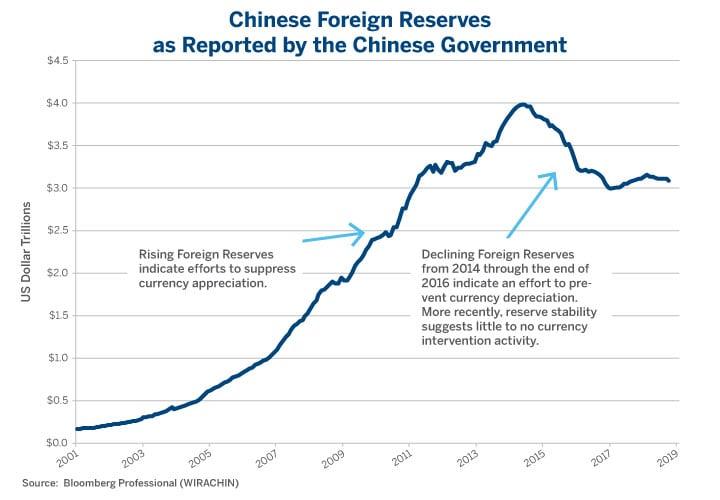
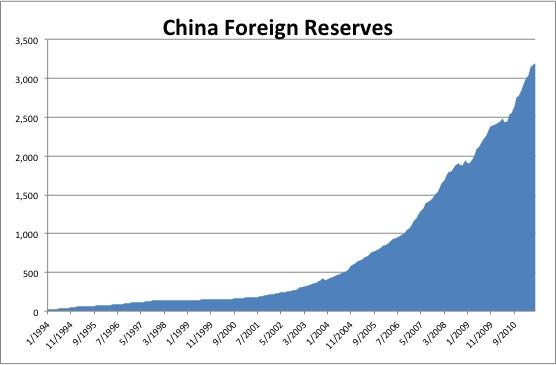
China’s Treasury holdings have generally trended lower during the past decade as Beijing diversified reserves into gold, other currencies, and alternative assets. The move reflects both financial strategy and geopolitical considerations. Chinese policymakers have increasingly emphasized reducing exposure to risks associated with holding large quantities of U.S. government debt.
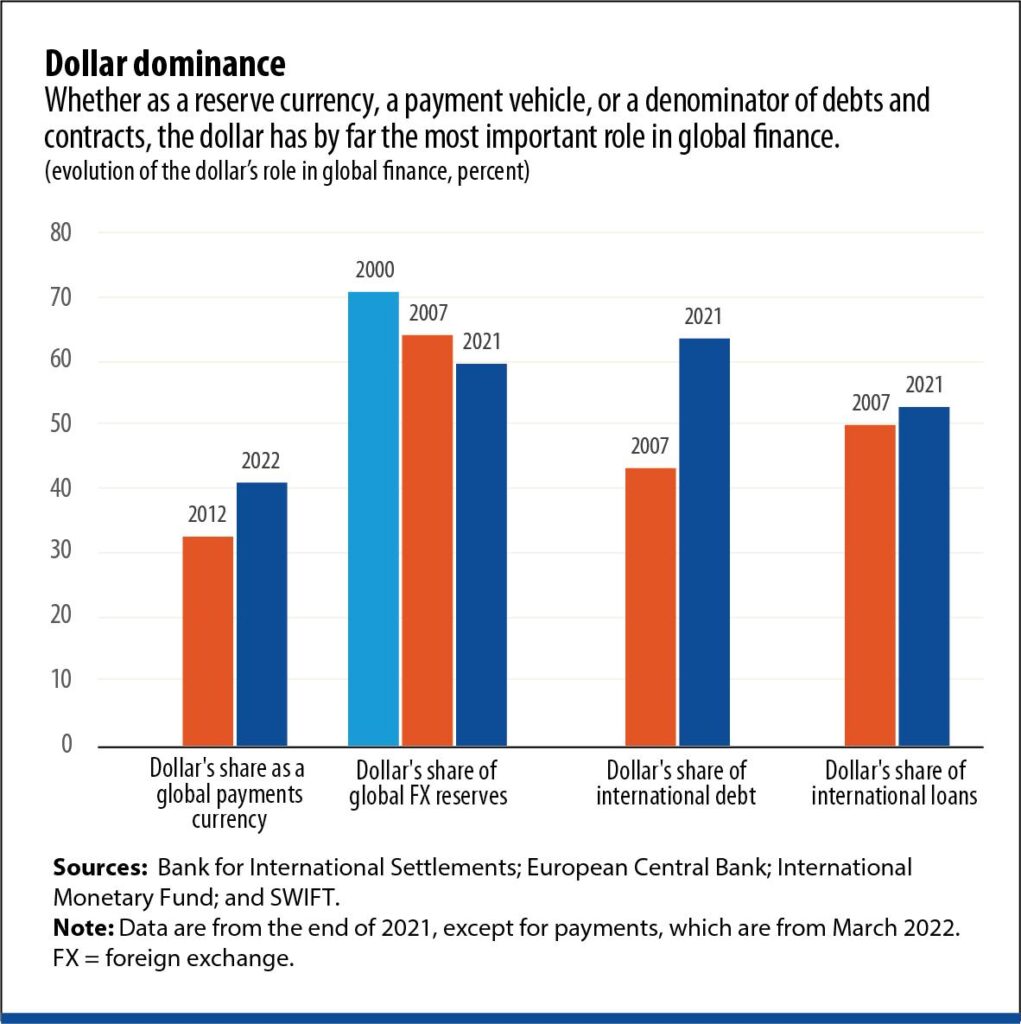
Japan presents a more complex picture. While concerns occasionally emerge regarding Japanese Treasury sales, Japan continues to hold substantial amounts of U.S. debt and remains one of the largest foreign investors in Treasury securities. Japanese institutions often view Treasuries as attractive investments because of their liquidity and depth.
The actions of these two countries matter because together they represent a significant portion of foreign participation in the Treasury market. Even gradual shifts can influence investor sentiment worldwide.
The Rise of Global De-Dollarization
The term “de-dollarization” has become one of the most discussed topics in international finance. It refers to efforts by countries to reduce dependence on the U.S. dollar for trade, reserves, and financial transactions.
Several factors are driving this trend. Rising geopolitical tensions have encouraged governments to seek greater financial independence. Some countries are expanding bilateral trade agreements that allow transactions in local currencies. Others are increasing gold reserves as a hedge against currency risks.
The BRICS group has also accelerated discussions about expanding local-currency trade. Although creating a realistic alternative to the dollar remains challenging, the willingness to explore alternatives signals changing attitudes among policymakers.
Despite these developments, replacing the dollar is not easy. The U.S. financial system remains the deepest and most liquid in the world. No competing currency currently offers the same combination of market size, legal protections, and global acceptance.
As a result, many analysts believe de-dollarization is more likely to be a gradual process than a sudden transformation.
America’s Growing Debt Burden Raises Questions
Another factor attracting attention is the rapid growth of U.S. government debt.
The United States continues to run substantial budget deficits, requiring large amounts of borrowing each year. As debt levels rise, investors increasingly ask whether future borrowing costs could become more difficult to manage.
Supporters of the current system argue that the U.S. economy remains highly productive and innovative, giving investors confidence in Treasury securities. They point to the continued global demand for U.S. assets and the resilience of American financial markets.
Critics counter that long-term debt growth could eventually weaken confidence if fiscal reforms fail to keep pace with borrowing needs. They argue that rising interest expenses may place increasing pressure on future government budgets.
The debate over debt sustainability is likely to remain central to discussions about the future of dollar dominance.
What This Means for Global Markets
Financial markets are highly sensitive to changes in Treasury demand because U.S. government bonds serve as the benchmark for global borrowing costs.
If major foreign investors gradually reduce Treasury purchases, yields could rise as the U.S. government offers higher returns to attract buyers. Higher yields can affect mortgage rates, corporate borrowing costs, and investment decisions worldwide.
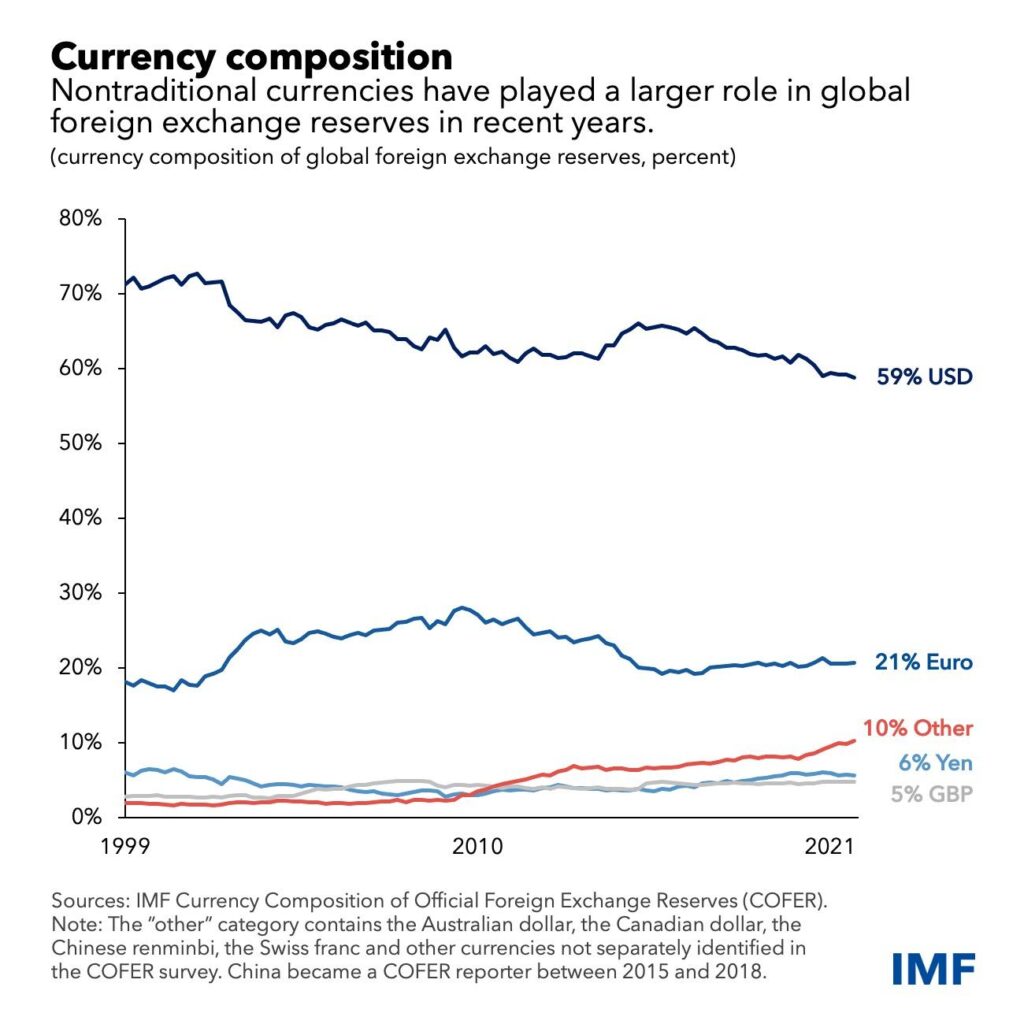
Currency markets are also watching closely. A continued decline in the dollar’s share of global reserves could influence exchange rates over time, though significant changes typically occur slowly.
At the same time, investors should recognize that reserve diversification does not automatically mean abandoning the dollar. Many countries are simply broadening reserve allocations while continuing to hold substantial dollar assets.
This distinction is important because diversification and replacement are not the same thing.

What This Means for You
For ordinary consumers, changes in global reserve trends may seem distant, but they can eventually affect everyday financial conditions.
Interest rates, inflation expectations, mortgage costs, and investment returns are all influenced by Treasury markets. If borrowing costs rise globally, households and businesses may face higher financing expenses.
International trade relationships could also evolve as countries expand local-currency settlement arrangements. These changes may create new economic opportunities while reducing reliance on traditional financial structures.
Most importantly, individuals should understand that major shifts in the global monetary system typically unfold over many years rather than months.
Investor Takeaway
Investors should focus on long-term structural trends rather than dramatic headlines.
Key developments worth monitoring include:
- Foreign Treasury ownership trends.
- Central bank gold purchases.
- Growth of local-currency trade agreements.
- U.S. fiscal policy and debt levels.
- Reserve currency diversification efforts.
Diversification remains one of the most effective strategies during periods of uncertainty. Investors should avoid making decisions based solely on predictions of dollar collapse or reserve currency replacement.
History shows that major monetary transitions often take decades to develop.
Future Outlook
The future of the global financial system is likely to be more multipolar than in previous decades.
The U.S. dollar will probably remain the dominant reserve currency for the foreseeable future because of the unmatched scale and liquidity of American financial markets. However, its share of global reserves may continue to decline gradually as countries diversify holdings and expand alternative payment systems.
China is expected to continue promoting international use of the yuan, while regional financial arrangements may gain importance across Asia, the Middle East, and parts of Africa.
Rather than witnessing the immediate end of U.S. financial leadership, the world may be entering a period where multiple currencies play larger roles alongside the dollar.
The result could be a more diversified global monetary system that reflects shifting economic power while still recognizing the central position of the United States in international finance.
Conclusion
The debate surrounding U.S. hegemony, Treasury holdings, and dollar dominance is becoming increasingly important as global economic power evolves. China’s long-term reduction in Treasury exposure, growing interest in reserve diversification, and expanding local-currency trade agreements have intensified discussion about the future of the international financial system.
Yet the evidence suggests that reports of the dollar’s immediate demise are exaggerated. The U.S. dollar remains the world’s leading reserve currency, U.S. Treasury markets remain among the most liquid assets available, and many countries continue to rely heavily on dollar-based financial infrastructure.
The more realistic story is not one of sudden collapse but of gradual change. The coming decade will likely be defined by increasing diversification, evolving reserve strategies, and competition among major currencies for greater influence in the global economy.
Subscribe to trusted news sites like USnewsSphere.com for continuous updates.