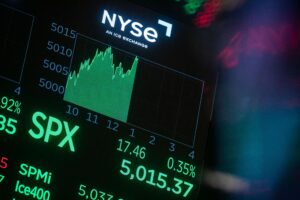
Stock Market Analysis Today: Are Investors Underestimating the Impact of Rising Yields? is one of the most important questions shaping the US financial landscape in 2026, as investors face a market environment defined by elevated Treasury yields, persistent inflation concerns, and shifting expectations around Federal Reserve policy. While equity markets have shown resilience, many analysts now believe that the full impact of rising yields may not yet be fully reflected in stock valuations.
Why Rising Yields Are Becoming the Market’s Biggest Driver


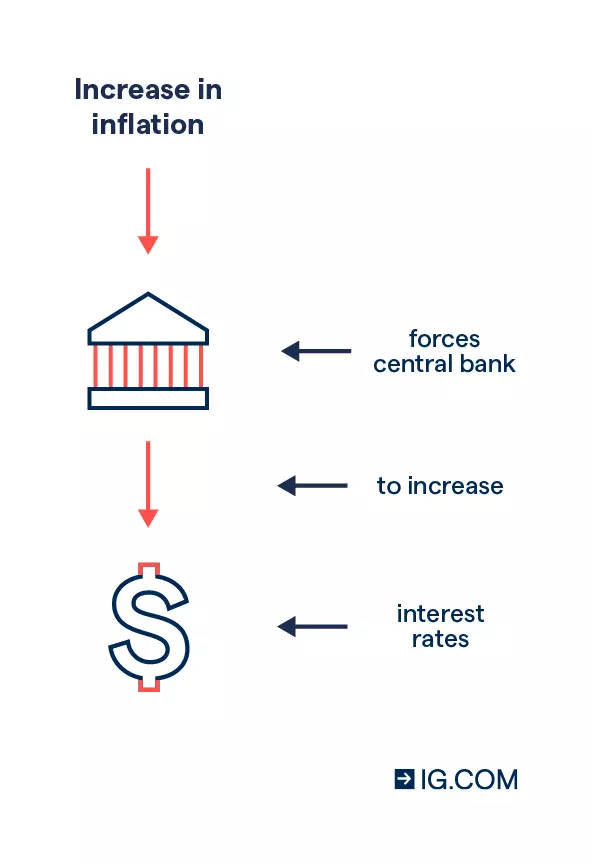
Rising bond yields, particularly the US 10-year Treasury yield, have emerged as a central force influencing market direction in 2026. As yields climb, they signal tighter financial conditions and increase the cost of capital across the economy.
In simple terms, higher yields mean that borrowing becomes more expensive for both consumers and businesses. This reduces spending and investment, which can slow economic growth. For the stock market, the impact is even more direct—higher yields reduce the present value of future corporate earnings, putting pressure on valuations.
Despite these dynamics, some investors continue to focus on short-term earnings strength and economic resilience, potentially underestimating the long-term effects of sustained higher yields.
How Equity Valuations Are Adjusting to a New Rate Environment



The relationship between interest rates and stock valuations is fundamental to understanding current market behavior. When interest rates rise, the discount rate used in valuation models also increases, leading to lower present values for future cash flows.
This effect is particularly significant for growth stocks, which rely heavily on future earnings. Technology companies, which dominated market gains in previous years, are now facing increased scrutiny as investors reassess their valuations in a higher-rate environment.
However, not all sectors are equally affected. Value stocks and companies with strong current cash flows are generally more resilient. This divergence is driving sector rotation, as investors shift their focus toward more stable and less rate-sensitive investments.
Market Signals Suggest Investors May Be Too Optimistic

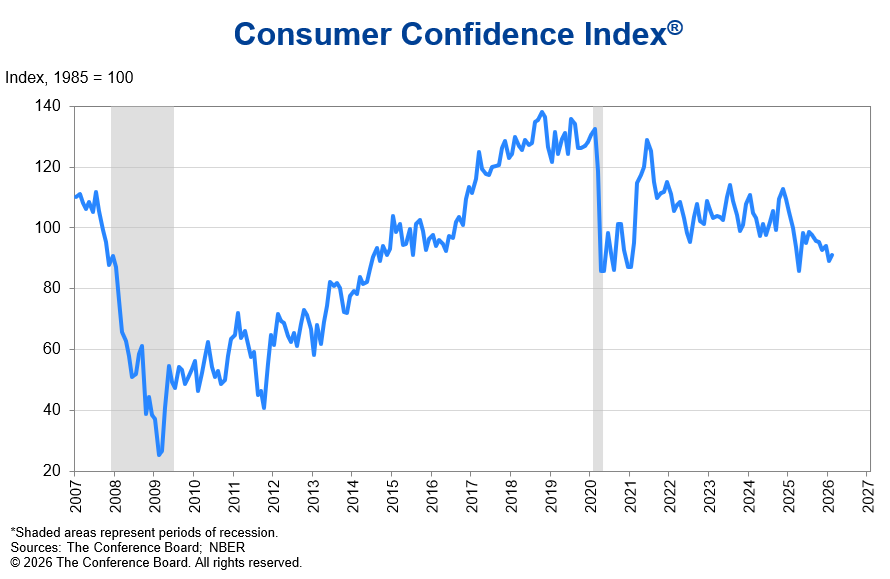
Recent market signals indicate a potential disconnect between investor expectations and underlying economic risks. While equity markets have experienced periods of stability, key indicators suggest that risks are building beneath the surface.
Volatility levels have increased, and bond yields remain elevated, both of which are typically associated with tighter financial conditions. Additionally, earnings growth forecasts are becoming more cautious as companies face higher costs and uncertain demand.
This combination of factors raises an important question: are investors underestimating the impact of rising yields? If so, markets may be vulnerable to sudden corrections as expectations adjust.
The Federal Reserve’s Role in Shaping Market Expectations

The Federal Reserve plays a critical role in influencing both interest rates and market expectations. In 2026, the Fed’s approach remains data-dependent, with a strong focus on controlling inflation while supporting economic stability.
Recent statements from policymakers suggest that rate cuts may not come as quickly as previously expected. Sticky inflation and a resilient labor market are key factors behind this cautious stance.
For investors, this means that the era of easy monetary policy is unlikely to return soon. Markets must adapt to a new reality where higher rates are not just temporary but potentially a longer-term feature of the economic landscape.
Risks That Could Trigger a Market Repricing


Several risks could accelerate the repricing of equities in response to rising yields. One of the most significant is a slowdown in economic growth. As borrowing costs remain high, consumer spending and business investment may weaken.
Another risk is declining corporate earnings. Higher costs, including interest expenses and wages, can reduce profit margins. If earnings fall short of expectations, stock prices may adjust accordingly.
Global factors, including trade tensions and geopolitical developments, also add to the uncertainty. These risks can amplify market volatility and influence investor sentiment, making the environment more challenging to navigate.
Market Outlook: What Investors Should Watch Next
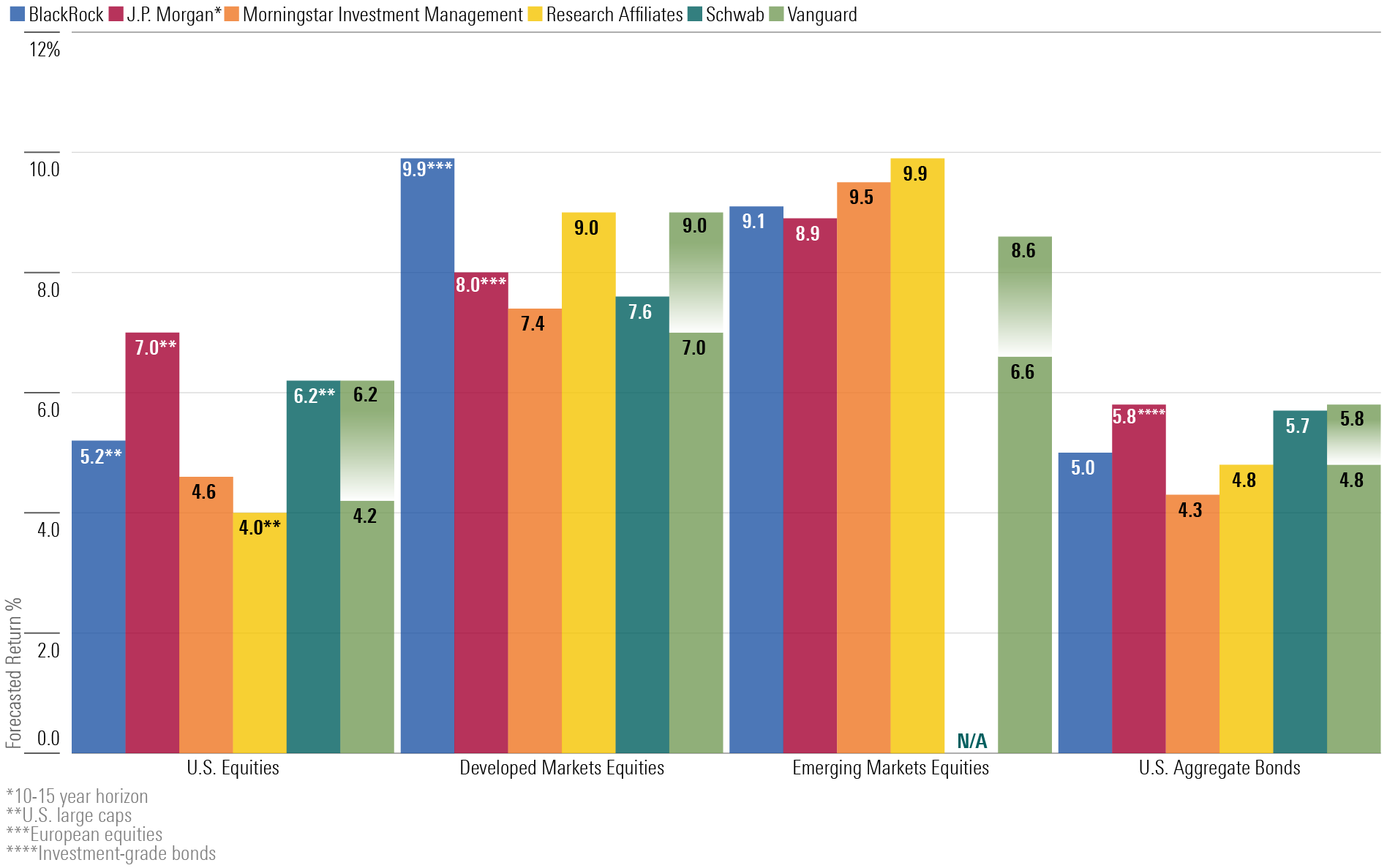

Looking ahead, the trajectory of bond yields will remain a key determinant of market performance. If yields stabilize or decline, equities may find support. However, if yields continue to rise, pressure on valuations is likely to persist.
Investors should also monitor inflation data, Federal Reserve policy signals, and corporate earnings reports. These factors will provide valuable insights into the direction of both the economy and financial markets.
In this environment, a disciplined approach to investing is essential. Diversification, risk management, and a focus on long-term fundamentals can help investors navigate uncertainty and identify opportunities.
A Critical Moment for Market Awareness
The question of whether investors are underestimating the impact of rising yields is not just theoretical—it is central to understanding the risks and opportunities in today’s market.
As 2026 unfolds, the interaction between interest rates, inflation, and economic growth will continue to shape financial outcomes. Those who stay informed and adapt to changing conditions will be better positioned to succeed.
For readers seeking clarity in a complex market, staying updated with reliable, data-driven insights is more important than ever.
Subscribe to trusted news sites like USnewsSphere.com for continuous updates.