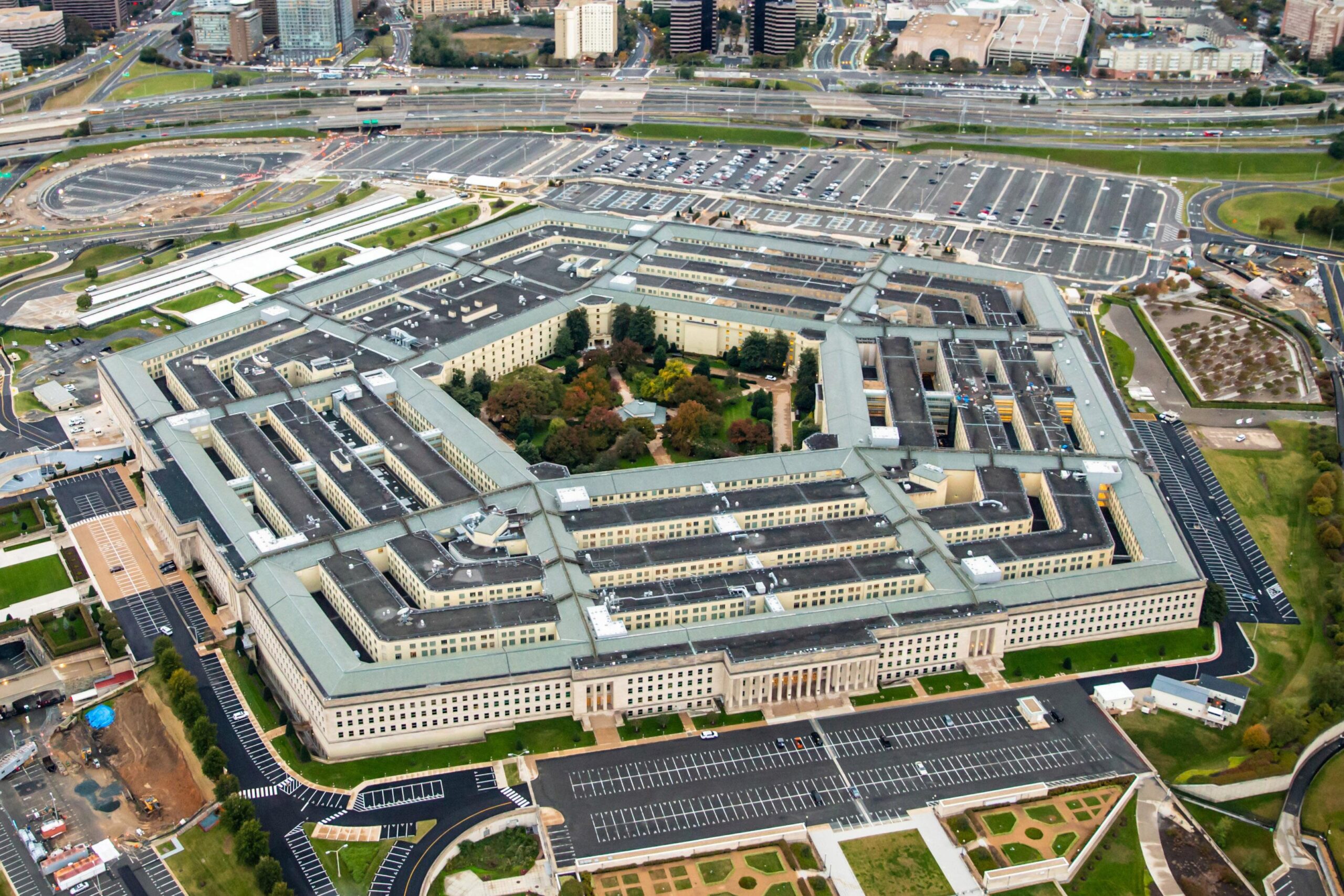
Pentagon Israeli spying threat concerns have moved into the spotlight after reports indicated that U.S. defense officials recently elevated their counterintelligence assessment regarding Israeli intelligence activities to the highest category. According to multiple media reports, the decision reflects growing concerns within sections of the U.S. national security community about intelligence-gathering efforts targeting American officials involved in sensitive policy discussions. The development has sparked debate across Washington and raises important questions about intelligence cooperation between two long-standing allies.
Who is involved? The Pentagon, U.S. intelligence officials, and Israeli government representatives. What happened? Reports claim the Pentagon increased its assessment of Israeli espionage risks. Why did it happen? Officials reportedly fear expanded intelligence collection related to U.S. policy discussions, particularly concerning regional conflicts and diplomacy. What is the impact? The move could influence intelligence-sharing practices, diplomatic relations, and future security coordination between the United States and Israel. Why this matters now: the Middle East remains a major focus of U.S. foreign policy, making trust and intelligence security more important than ever.
Reports Highlight Rising Security Concerns Inside Washington
Recent reports suggest that U.S. defense and intelligence officials have become increasingly concerned about potential efforts to obtain information regarding internal American policy discussions. According to media accounts, these concerns are tied to sensitive conversations involving regional security issues, military planning, and diplomatic strategies related to ongoing tensions in the Middle East.
While espionage concerns between allied nations are not unprecedented, officials reportedly view the current situation as significant because of the strategic importance of ongoing policy decisions. Intelligence agencies often monitor potential risks regardless of whether the country involved is an ally or an adversary, making counterintelligence assessments a routine but critical part of national security operations.
Why Intelligence Gathering Between Allies Creates Tension
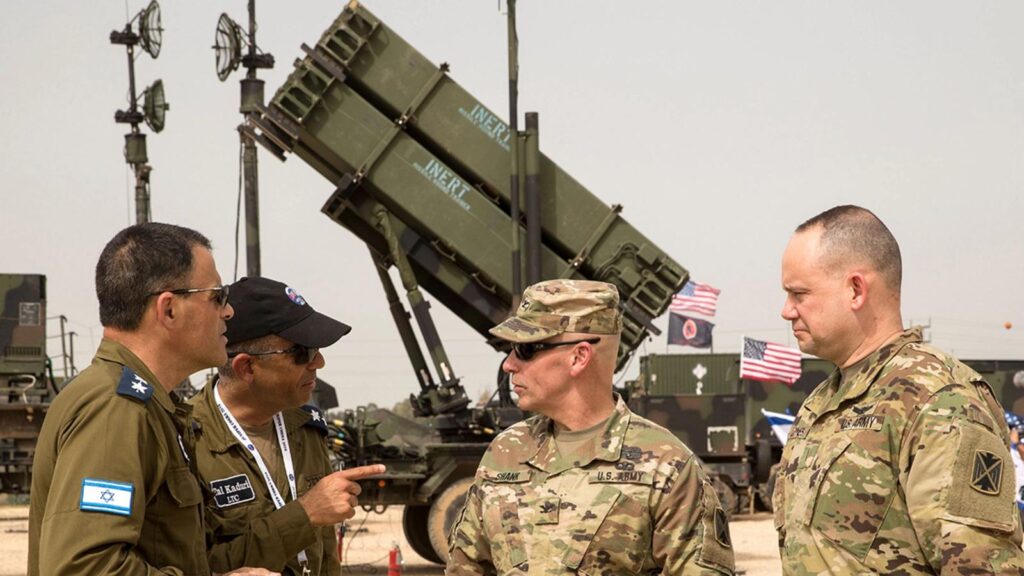
The United States and Israel maintain one of the closest security partnerships in the world. The two countries cooperate extensively on military technology, intelligence sharing, counterterrorism operations, and regional security initiatives. However, history has shown that even close allies can disagree over intelligence activities.
Security experts note that intelligence agencies are often tasked with collecting information that helps national leaders make strategic decisions. In some cases, those efforts can create friction between governments when one country believes its officials or institutions are being monitored by another.
This situation illustrates the complicated reality of international relations. Strong alliances can coexist with deep concerns about protecting sensitive government information and preserving national security interests.
Israeli Officials Reject Allegations
Israeli representatives have strongly denied allegations suggesting that Israel poses a counterintelligence threat to the United States. Officials have stated that Israel does not conduct espionage operations against American government entities and continue to emphasize the close relationship between the two nations.
The denial reflects Israel’s longstanding position on similar accusations that have surfaced periodically over the years. Israeli leaders frequently point to the extensive intelligence cooperation that exists between the two countries and argue that mutual security interests remain a priority.
Despite the denials, reports indicate that U.S. security agencies continue to evaluate intelligence risks using their own internal assessment processes. Such reviews are common within the national security community and can change as new information becomes available.

Impact on US-Israel Relations
The immediate diplomatic impact remains unclear. Experts believe that intelligence concerns alone are unlikely to alter the broader strategic partnership between Washington and Jerusalem fundamentally. The relationship includes decades of military cooperation, economic ties, and shared security objectives.
However, increased concerns could lead to tighter security procedures, stricter handling of classified information, and additional safeguards for officials participating in sensitive discussions. Government agencies routinely implement such measures whenever counterintelligence risks are believed to be increasing.
Analysts also suggest that future intelligence-sharing arrangements could face greater scrutiny if concerns continue to grow. Trust is a critical component of intelligence cooperation, and maintaining that trust remains essential for both governments.
Broader National Security Implications
The reported assessment highlights a broader trend within modern intelligence operations. Governments today face growing challenges from cyber surveillance, electronic monitoring, sophisticated data collection methods, and advanced intelligence technologies.
As geopolitical tensions rise globally, intelligence agencies are placing greater emphasis on protecting communications, securing sensitive information, and monitoring potential vulnerabilities. This includes evaluating risks from a wide range of sources, including competitors, adversaries, and even friendly nations when necessary.
National security professionals argue that effective counterintelligence programs are designed to identify risks early, reduce exposure to sensitive information leaks, and strengthen institutional resilience against espionage activities.
What Happens Next
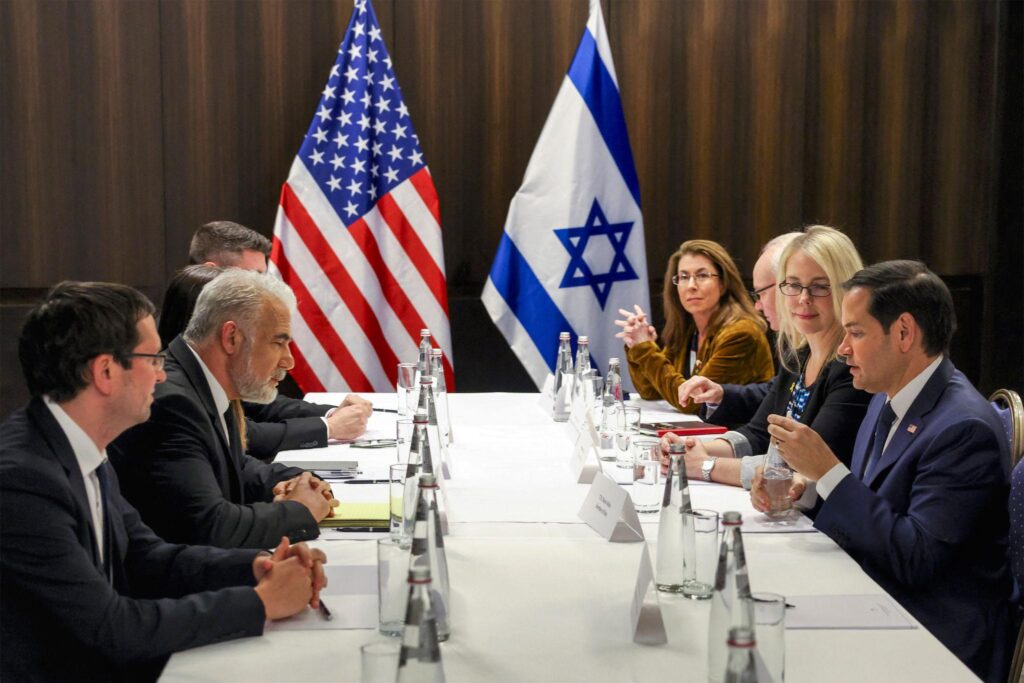
The coming weeks may provide greater clarity regarding the extent of the reported concerns and whether additional information emerges from official sources. Lawmakers, intelligence officials, and foreign policy experts will likely continue examining the implications for both national security and international diplomacy.
For now, the story underscores the delicate balance between alliance management and intelligence protection. Even among close partners, governments remain focused on safeguarding classified information and ensuring that sensitive policy discussions remain secure.
As developments unfold, observers will be watching closely to determine whether the reported assessment results in new security measures, diplomatic discussions, or changes in intelligence coordination. The issue serves as a reminder that in today’s complex geopolitical environment, intelligence and counterintelligence remain central components of global affairs.
Key Takeaways
- Reports claim the Pentagon elevated concerns regarding Israeli intelligence activities.
- Israeli officials have denied allegations of espionage against the United States.
- The issue emerges amid broader discussions involving Middle East security and diplomacy.
- Experts believe intelligence cooperation will remain important despite current concerns.
- Counterintelligence assessments play a vital role in protecting sensitive government information.
Subscribe to trusted news sites like USnewsSphere.com for continuous updates.