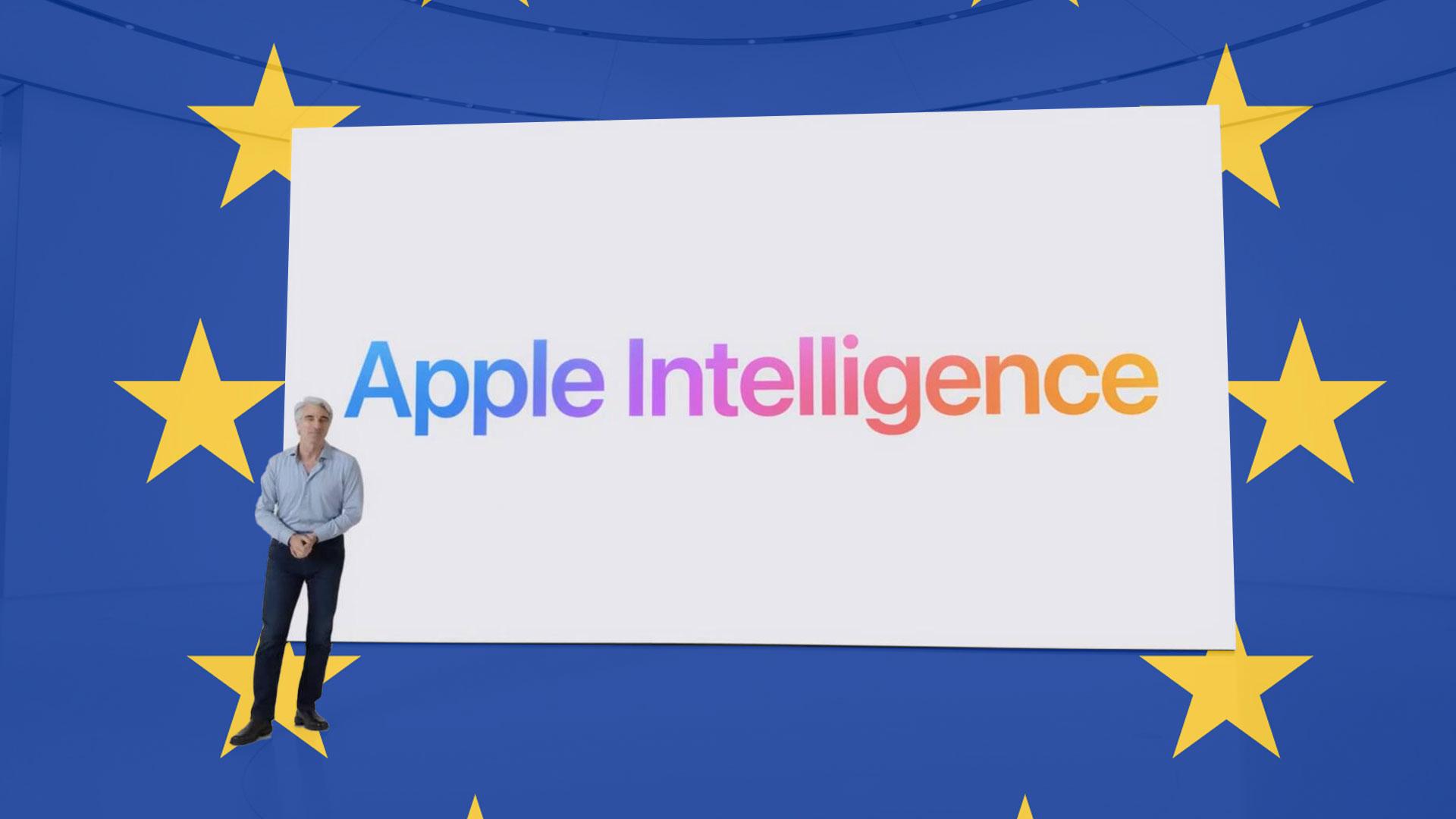
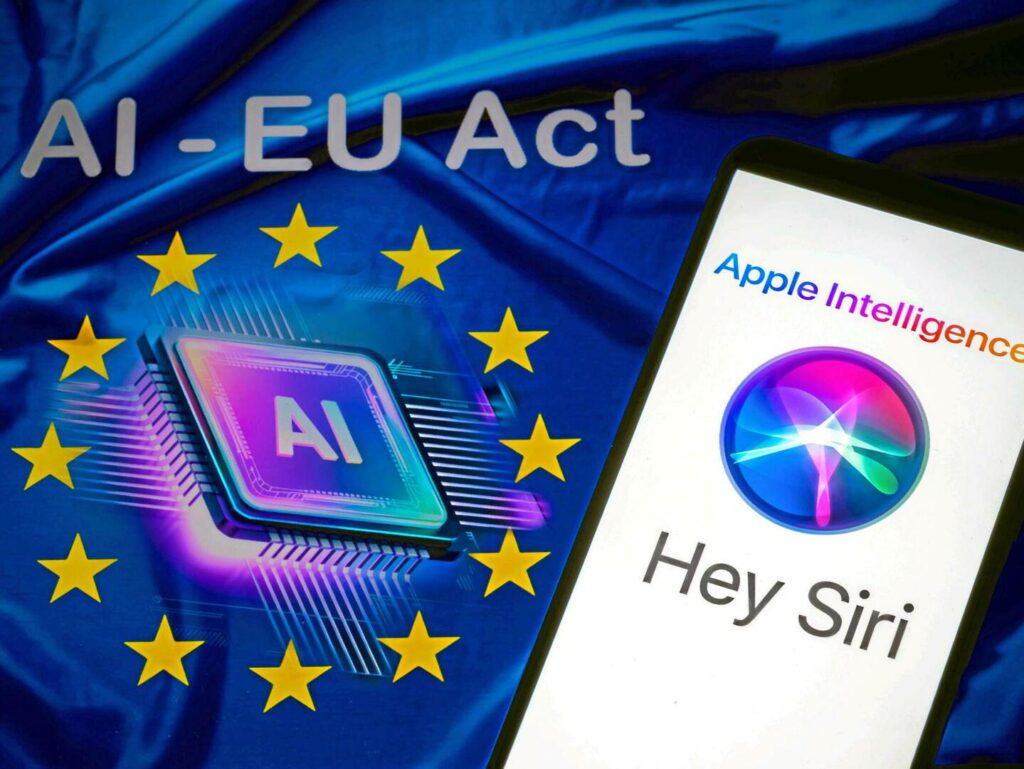
EU Says Siri AI Delay in Europe Is Apple’s Decision, according to European Union officials who rejected Apple’s claims that EU regulations are preventing the company from launching its next-generation AI assistant in the region. The dispute emerged just days after Apple unveiled Siri AI during its 2026 Worldwide Developers Conference (WWDC).
Who is involved? Apple and the European Commission. What happened? Apple announced Siri AI will not launch initially on iPhones and iPads in the European Union. Why? Apple argues that EU regulations create privacy and security concerns, while EU officials say Apple simply failed to create a compliant solution. What is the impact? Millions of European iPhone and iPad users may wait longer to access Apple’s most advanced AI features.
Why this matters now: Artificial intelligence has become one of the most important battlegrounds in the technology industry. Any delay in a major AI rollout affects consumers, developers, competition, and the future direction of digital regulation worldwide.
Apple Blames EU Rules for Siri AI Delay
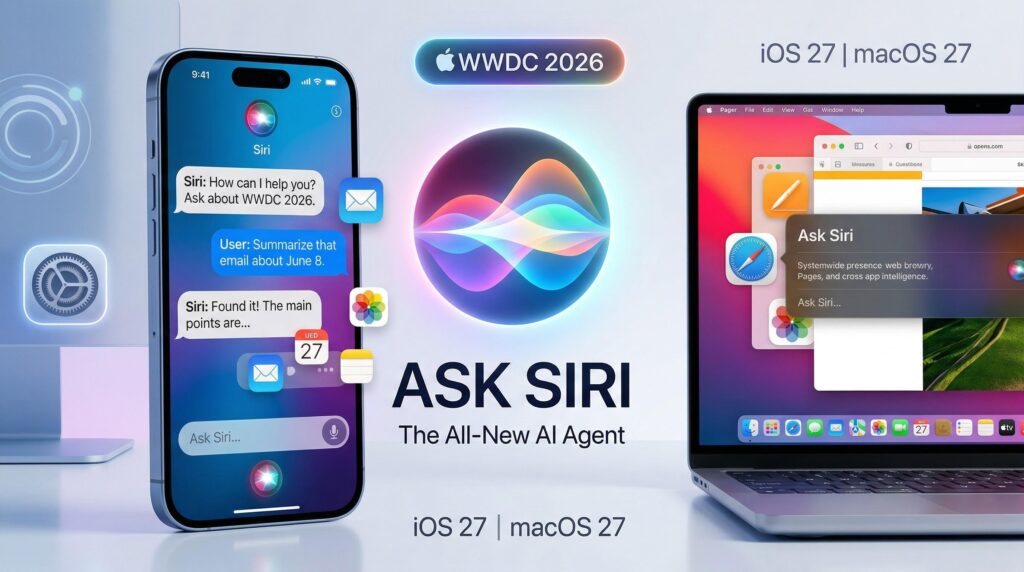
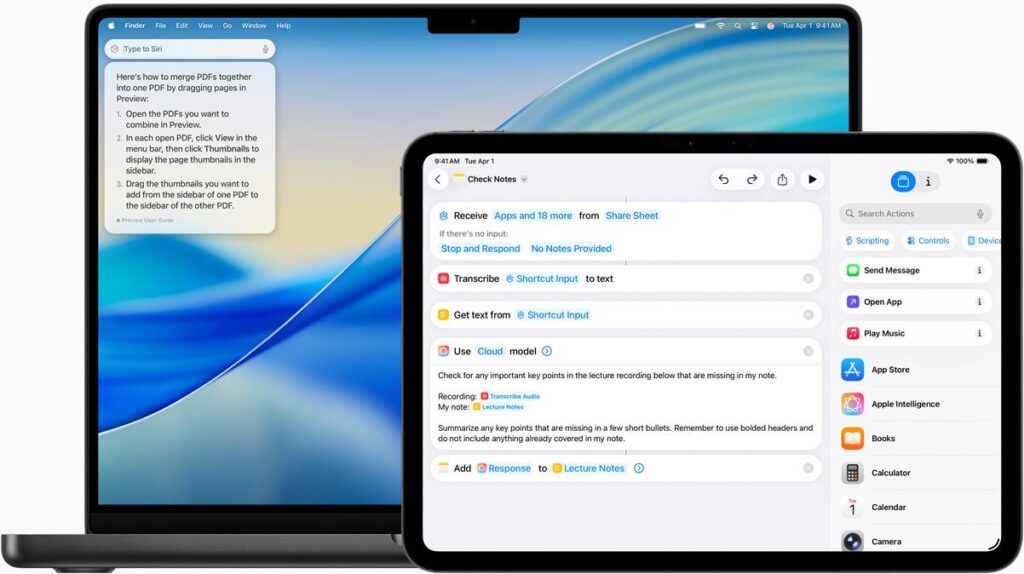
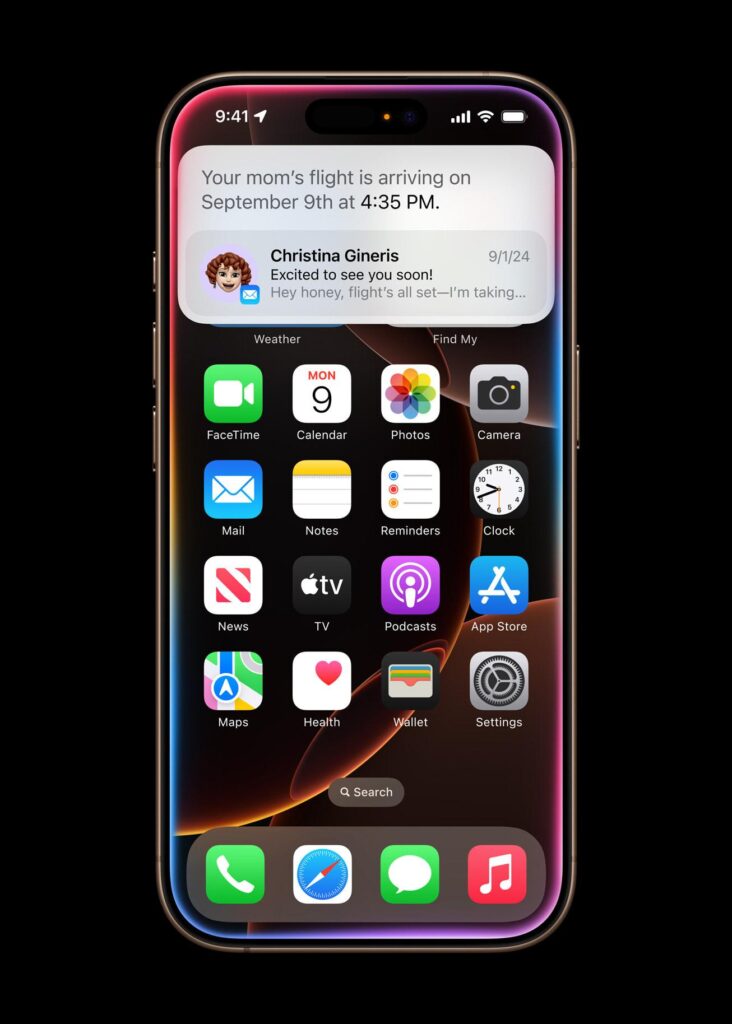
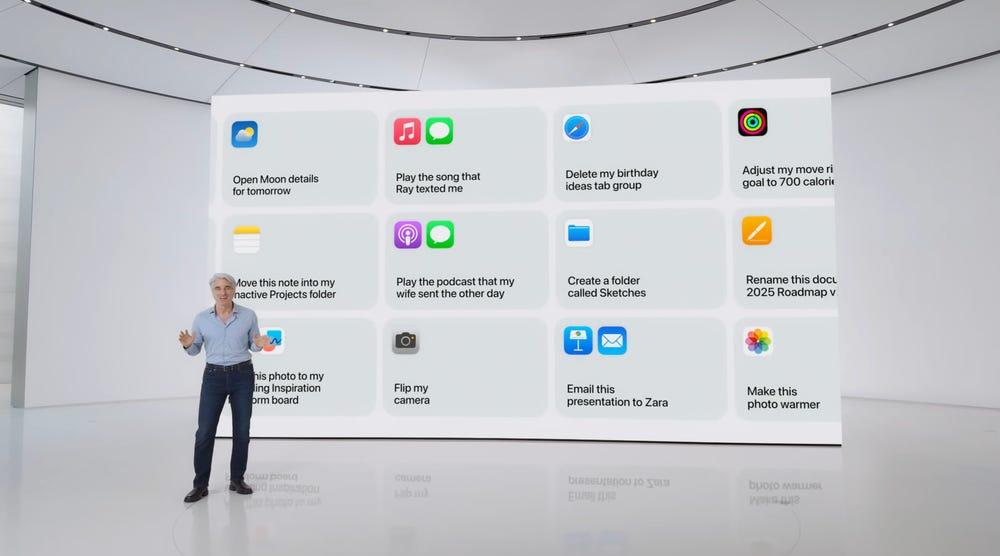
Apple introduced Siri AI as one of the company’s most significant artificial intelligence upgrades in years. The new assistant is designed to provide more natural conversations, deeper app integration, smarter personal assistance, advanced writing tools, and improved visual intelligence capabilities.
However, Apple announced that users in the European Union will not receive Siri AI on iPhones and iPads when iOS 27 and iPadOS 27 launch later this year. The company argues that requirements under the European Union’s Digital Markets Act (DMA) could force Apple to provide third-party assistants with broader access to device functions and user information than it considers safe.
According to Apple executives, the company spent months discussing potential solutions with regulators. Apple proposed a framework called “Trusted System Agent,” which it says would allow interoperability while maintaining privacy protections. Apple also reportedly suggested a phased implementation process lasting approximately 18 months, but regulators did not approve the proposal.
European Union Rejects Apple’s Explanation
European Commission officials strongly pushed back against Apple’s public statements. EU representatives said there is nothing within the Digital Markets Act that prevents Apple from launching Siri AI in Europe.
Officials stated that the decision to delay the product was made solely by Apple. According to the Commission, Apple requested an exemption from interoperability obligations instead of developing a solution that complies with existing regulations.
European regulators argue that the DMA was designed to increase competition and consumer choice while maintaining strong privacy protections. They maintain that all technology companies operating in Europe must follow the same rules and that no special exceptions will be granted to individual firms, regardless of size or market influence.
This response marks one of the strongest public disagreements between Apple and European regulators in recent years.

Understanding the Digital Markets Act
The Digital Markets Act is one of Europe’s most significant technology regulations. It was created to reduce the dominance of major technology companies and encourage fair competition across digital markets.
Under the law, designated “gatekeeper” companies must ensure that competing services can interact with their platforms under certain conditions. Regulators believe this prevents large firms from unfairly restricting access to key technologies and digital ecosystems.
Supporters of the DMA argue that the law creates a healthier marketplace where innovation can flourish. Critics, including some technology companies, argue that strict interoperability requirements could create technical challenges and increase security risks.
The debate surrounding Siri AI highlights the broader tension between innovation, privacy, competition, and regulation that many governments and technology companies are currently navigating.
What Features European Users Could Miss
The delayed rollout means European iPhone and iPad users may initially miss several major Siri AI capabilities announced during WWDC 2026.
Among the most anticipated features are advanced conversational AI interactions, a dedicated Siri AI application, enhanced writing assistance, deeper contextual understanding, improved camera intelligence, and expanded visual recognition tools.
Developers based in the European Union may also face limitations. Reports indicate that EU developers could temporarily lose access to certain Siri AI testing tools and integrations on iOS and iPadOS, potentially slowing the development of AI-powered applications within the region.
However, Apple has indicated that some Siri AI functionality could still be available on other platforms, including macOS and visionOS devices.
A High-Stakes Battle for Apple’s AI Future
The dispute comes at a critical moment for Apple. The company has faced increasing pressure from competitors including Google, Microsoft, OpenAI, and Anthropic, all of which have rapidly expanded their artificial intelligence offerings.
Siri AI represents Apple’s attempt to strengthen its position in the AI race by integrating advanced intelligence directly into its ecosystem while emphasizing privacy and on-device processing.
Europe is also an important market for Apple, accounting for a substantial share of the company’s global revenue. Any prolonged delay could affect customer satisfaction, developer adoption, and Apple’s broader AI strategy.
At the same time, European regulators view enforcement of the DMA as essential to ensuring that emerging AI technologies remain competitive and accessible rather than becoming controlled by a handful of dominant platforms.
What Happens Next
At present, Apple has not provided a timeline for when Siri AI might arrive on iPhones and iPads in the European Union. The company says it will continue discussions with regulators and hopes to find a path forward that balances privacy, security, and compliance requirements.
European officials, meanwhile, remain firm that the existing rules apply equally to all technology companies and that compliance—not exemptions—is the expected path.
For consumers, the outcome of these negotiations could shape how AI services are delivered across Europe for years to come. For the technology industry, the Siri AI dispute may become one of the defining examples of how governments and major technology firms negotiate the future of artificial intelligence.
As AI becomes increasingly integrated into everyday devices, the resolution of this conflict will be closely watched by regulators, developers, investors, and consumers around the world.
Subscribe to trusted news sites like USnewsSphere.com for continuous updates.