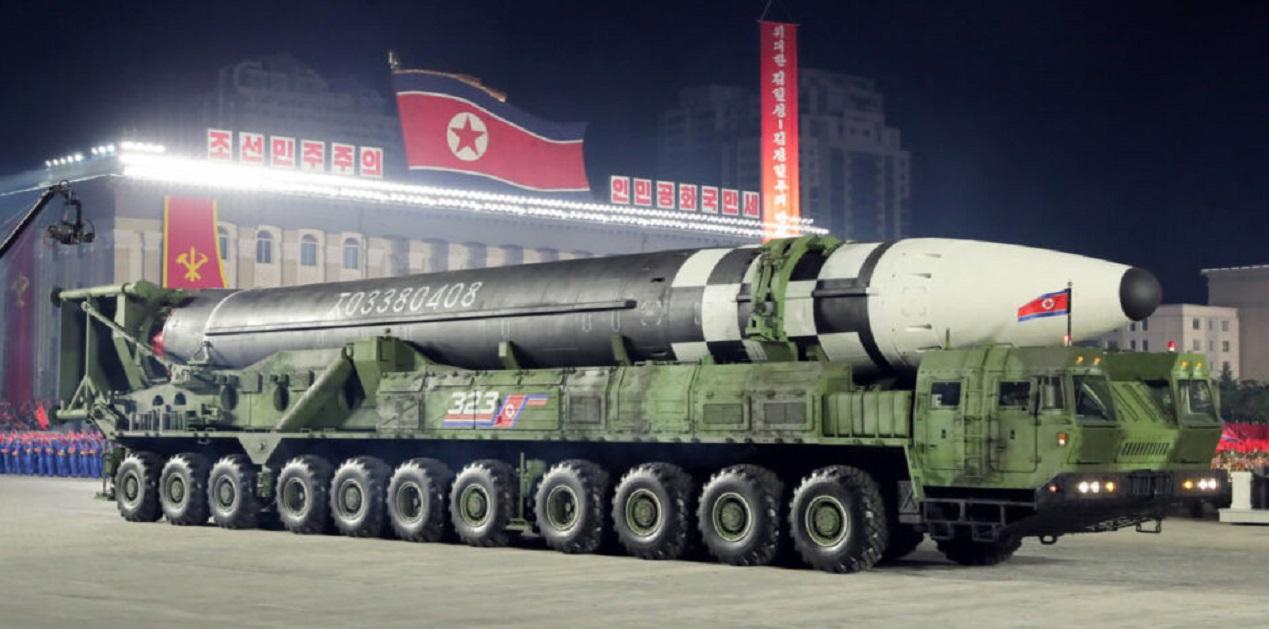
North Korea’s nuclear weapons remain at the center of global security concerns after Kim Yo Jong, the influential sister of leader Kim Jong Un, declared that her country will never surrender its nuclear arsenal. Her remarks came during a period of heightened diplomatic activity and growing military developments across East Asia. The statement sends a clear message to Washington, Seoul, and other international powers that Pyongyang sees its nuclear capability as essential to its national security and future strategy.
Who is involved? Kim Yo Jong, one of North Korea’s most powerful political figures. What happened? She publicly rejected calls for denuclearization. Why does it matter? The announcement signals that future negotiations with the United States may face even greater obstacles. What is the impact? Rising tensions could influence regional security, military spending, and diplomatic relations across Asia and beyond. Why this matters now: North Korea is simultaneously expanding its nuclear infrastructure and military capabilities while major regional powers are reassessing their strategic positions.
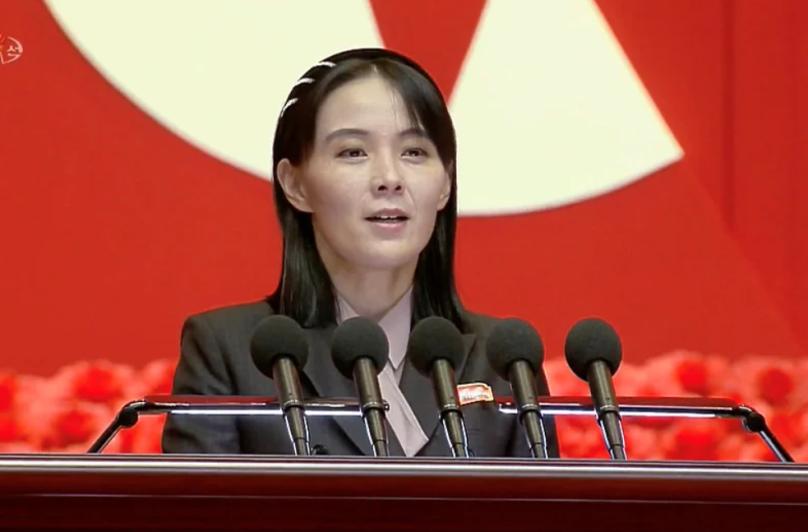
Kim Yo Jong Sends a Strong Message to the International Community
Kim Yo Jong’s latest statement represents one of North Korea’s clearest public positions on its nuclear future in recent months. She dismissed expectations that the country would eventually abandon its nuclear arsenal and described such hopes as disconnected from current geopolitical realities. According to North Korean state messaging, nuclear weapons are viewed as a necessary deterrent against perceived external threats.
Her comments also challenged suggestions that major world leaders could persuade Pyongyang to return to denuclearization talks. This demonstrates how deeply North Korea’s nuclear strategy has become embedded within its national security doctrine. Analysts increasingly believe that the leadership views nuclear weapons as a permanent feature of the country’s defense policy rather than a negotiating tool.
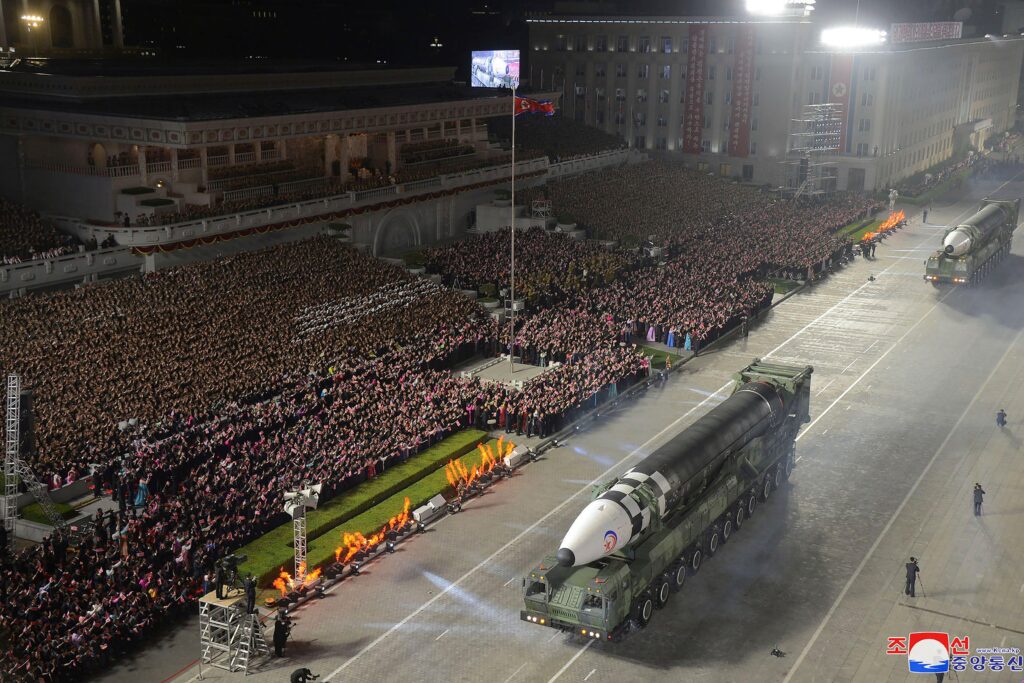
North Korea Continues Expanding Its Nuclear Capabilities
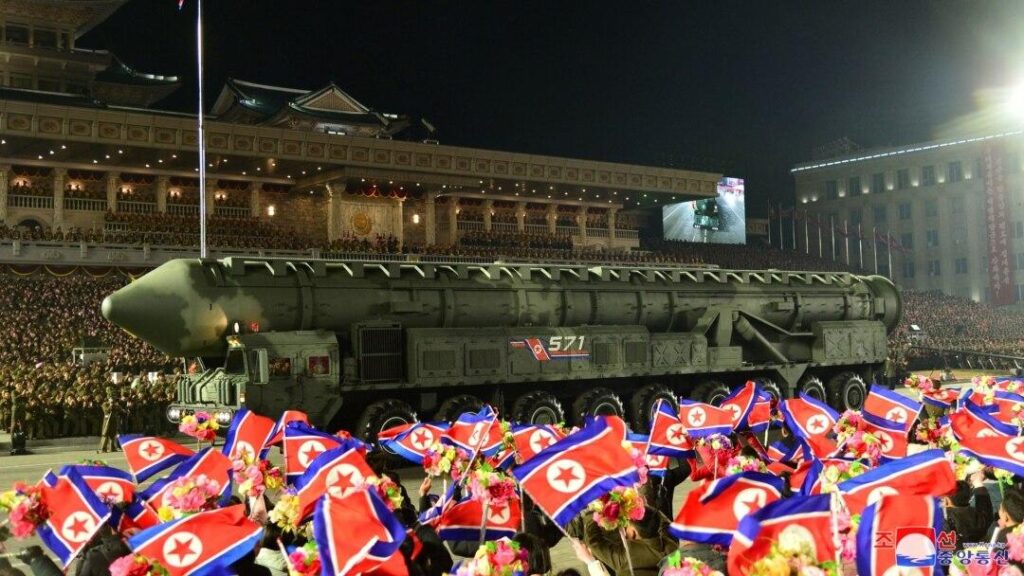
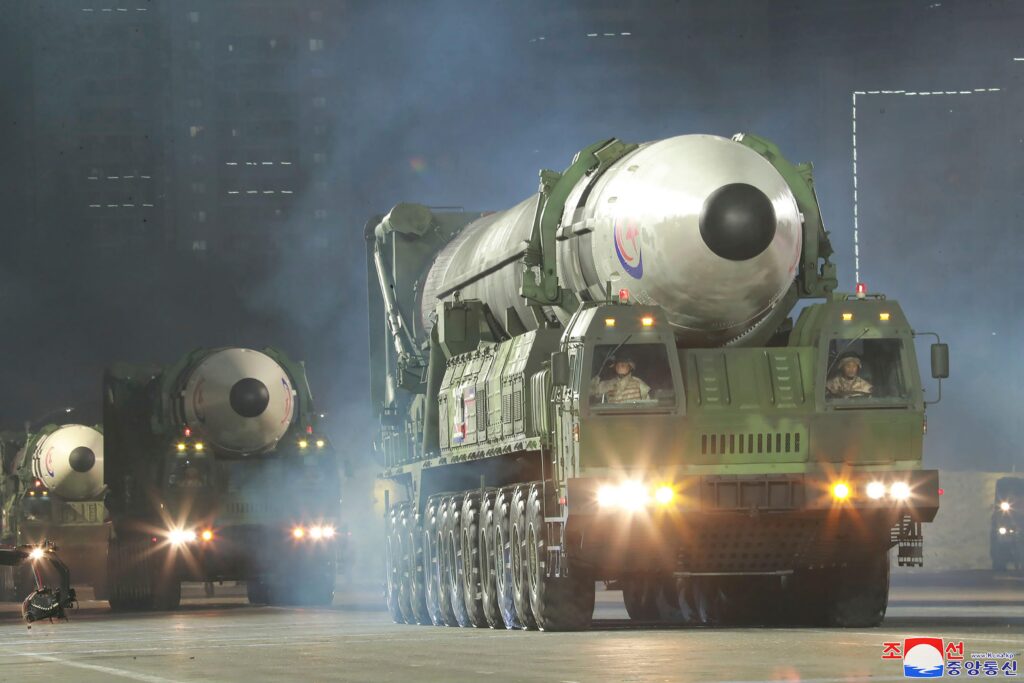
The statement comes shortly after North Korean authorities showcased expanded nuclear material production facilities and announced plans for significant growth in their nuclear arsenal. Reports indicate that Kim Jong Un recently instructed officials to dramatically increase the production of weapons-grade nuclear materials and strengthen long-term deterrence capabilities.
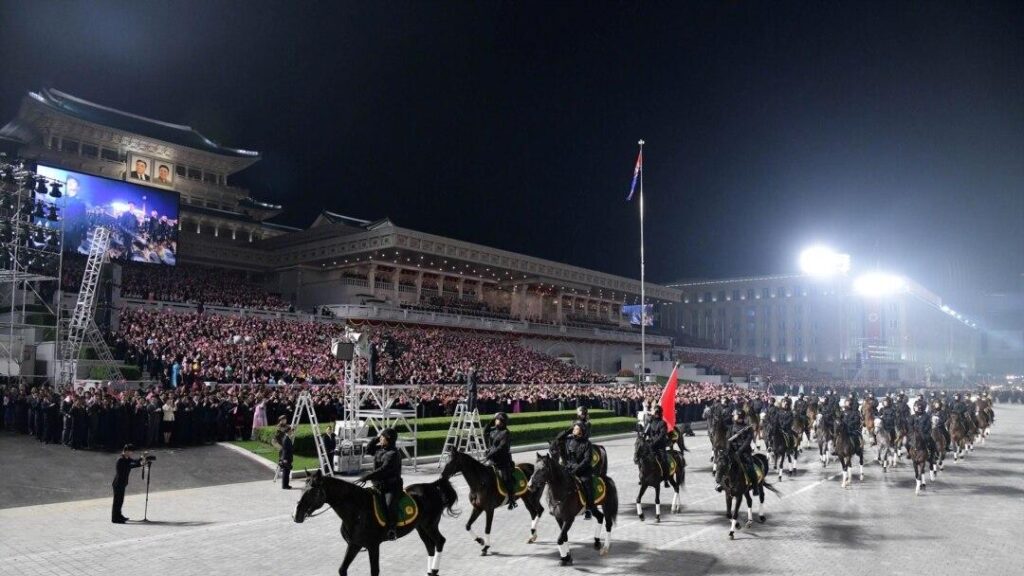
Military modernization has become a key priority for Pyongyang. Beyond nuclear development, North Korea has continued investing in missile technology, naval assets, and strategic weapons systems. Experts believe these efforts are designed not only to strengthen defense capabilities but also to improve North Korea’s position in any future diplomatic negotiations.
The Growing Role of China in Regional Diplomacy
The timing of these remarks is particularly significant because they coincide with high-level diplomatic engagement between North Korea and China. Beijing remains North Korea’s most important economic and political partner, and recent discussions have highlighted the importance of maintaining stability on the Korean Peninsula.
While China has historically supported denuclearization efforts, analysts suggest Beijing’s current priority may be preserving regional stability rather than aggressively pressuring Pyongyang. As global geopolitical competition intensifies, China and North Korea both have strategic reasons to maintain close ties, even when differences exist regarding nuclear policy.
Why Relations with the United States Remain Difficult
Efforts to negotiate North Korea’s nuclear program have faced repeated setbacks over the past decade. Several high-profile diplomatic meetings generated optimism but ultimately failed to produce a lasting agreement. Since then, mutual distrust between Washington and Pyongyang has continued to grow.
North Korean officials argue that security threats from the United States and its allies justify maintaining and expanding their nuclear deterrent. American officials, meanwhile, continue to view denuclearization as a central objective for long-term regional security. These opposing positions create a significant barrier to meaningful diplomatic progress.
Global Security Concerns Continue to Increase
The international community remains concerned about the potential consequences of North Korea’s expanding nuclear program. Security experts warn that continued weapons development could encourage regional arms competition and increase military tensions throughout East Asia. Nations including South Korea, Japan, and the United States continue to closely monitor developments.
The broader concern extends beyond the Korean Peninsula. Any escalation involving nuclear-armed states can have implications for global markets, international trade routes, and geopolitical stability. As a result, North Korea’s nuclear decisions remain closely watched by governments, investors, and security organizations worldwide.
What Happens Next for North Korea and Global Diplomacy
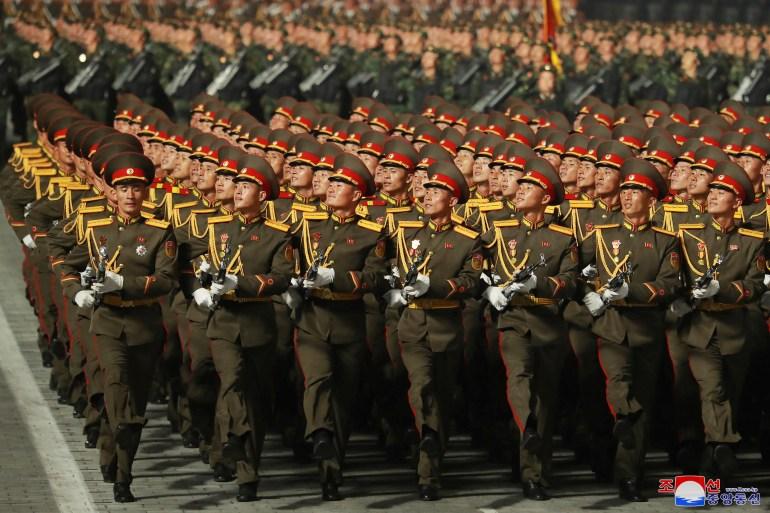
Looking ahead, experts expect North Korea to continue strengthening its military and nuclear capabilities while maintaining a firm negotiating position. The country’s leadership appears increasingly confident in its strategic leverage and less willing to make concessions regarding nuclear weapons.
Future diplomatic efforts will likely focus on reducing tensions, preventing military escalation, and maintaining communication channels between major powers. However, Kim Yo Jong’s latest remarks suggest that any future talks will begin with a fundamental challenge: North Korea now appears determined to be recognized as a permanent nuclear state rather than a country moving toward disarmament.
Key Takeaway
North Korea’s latest declaration reinforces a reality that many analysts have been observing for years. The country’s leadership views nuclear weapons as central to its security, sovereignty, and international influence. As diplomatic efforts continue, the challenge for world leaders will be finding ways to reduce tensions while navigating a geopolitical landscape that is becoming increasingly complex and unpredictable.
Subscribe to trusted news sites like USnewsSphere.com for continuous updates.