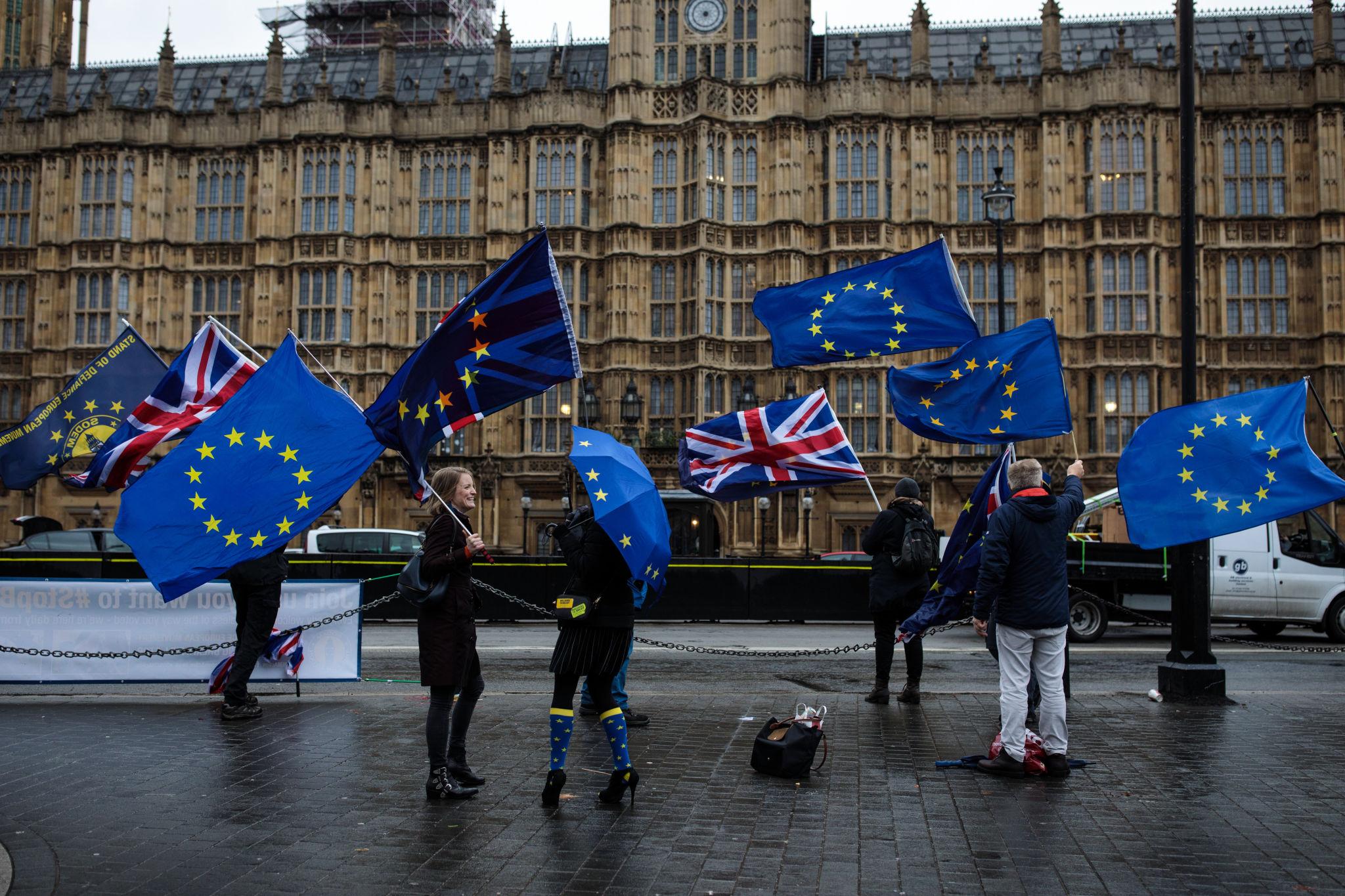
Brexit at 10 is forcing Britain to confront one of the most important questions in its modern history: how much did political messaging, public trust, and misinformation influence a decision that continues to affect the country today? Ten years after the historic 2016 referendum, politicians, economists, and voters are still debating the consequences of leaving the European Union.
Who is involved? British political leaders, economists, businesses, and millions of voters affected by Brexit. What is happening? A renewed national debate about Brexit’s economic and political legacy. Why does it matter? New discussions about Britain’s future relationship with Europe are emerging as concerns about economic growth, trade, and public trust continue. The impact reaches beyond Britain, influencing global trade, investment, and political discourse. Why this matters now: recent political developments and growing public debate have reignited questions about whether Brexit delivered on its promises and what comes next for the UK.
The Brexit Debate Returns to the Center of British Politics
Ten years after the referendum, Brexit remains one of the most influential political events in modern British history. While the vote itself is long over, the discussion surrounding its consequences has never fully disappeared. Recent comments from senior politicians and government officials have brought the issue back into national headlines.
Some political figures argue that Britain’s future remains closely connected to Europe, while others insist that leaving the European Union was the correct decision despite economic challenges. The debate has intensified as voters evaluate a decade of outcomes and compare the promises made during the referendum campaign with today’s reality.
How Misinformation Became Part of the Brexit Story
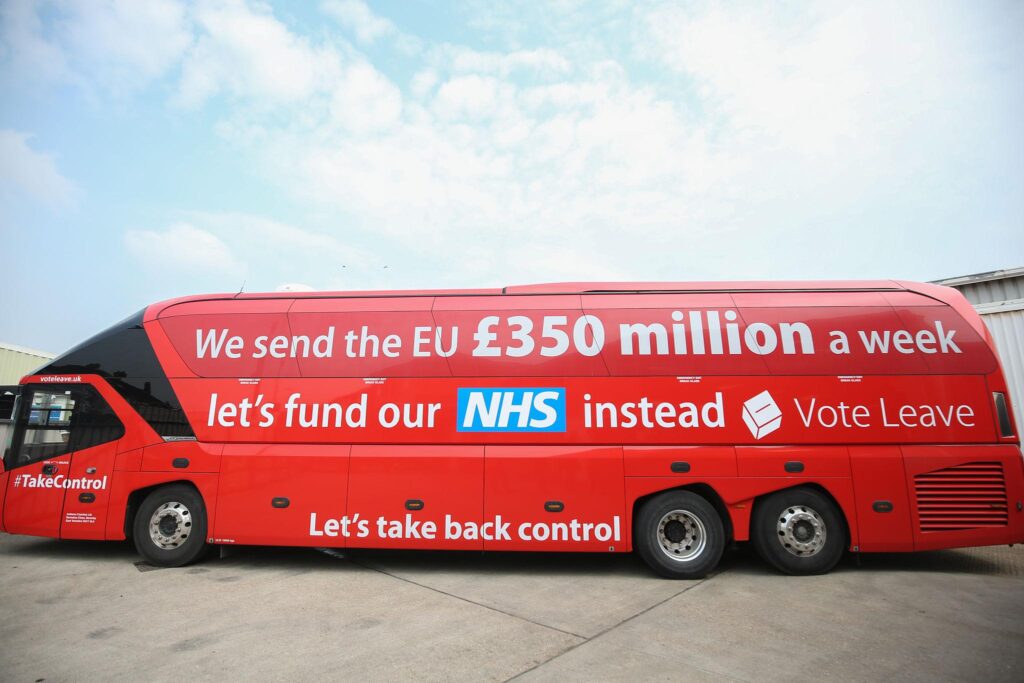
One reason Brexit continues to generate discussion is the role of political messaging during the referendum campaign. Critics frequently point to the famous red campaign bus that claimed Britain could redirect significant amounts of money to the National Health Service after leaving the EU. The slogan became one of the most recognizable political messages of the decade and remains a symbol in debates about political accountability.
Researchers, journalists, and political analysts have spent years examining how misinformation spreads during major political campaigns. Concerns have expanded beyond Brexit itself, with experts warning that social media algorithms, artificial intelligence tools, deepfakes, and online influence networks may make it even harder for voters to distinguish facts from misleading claims in future elections.
The Economic Impact Remains a Major Point of Disagreement
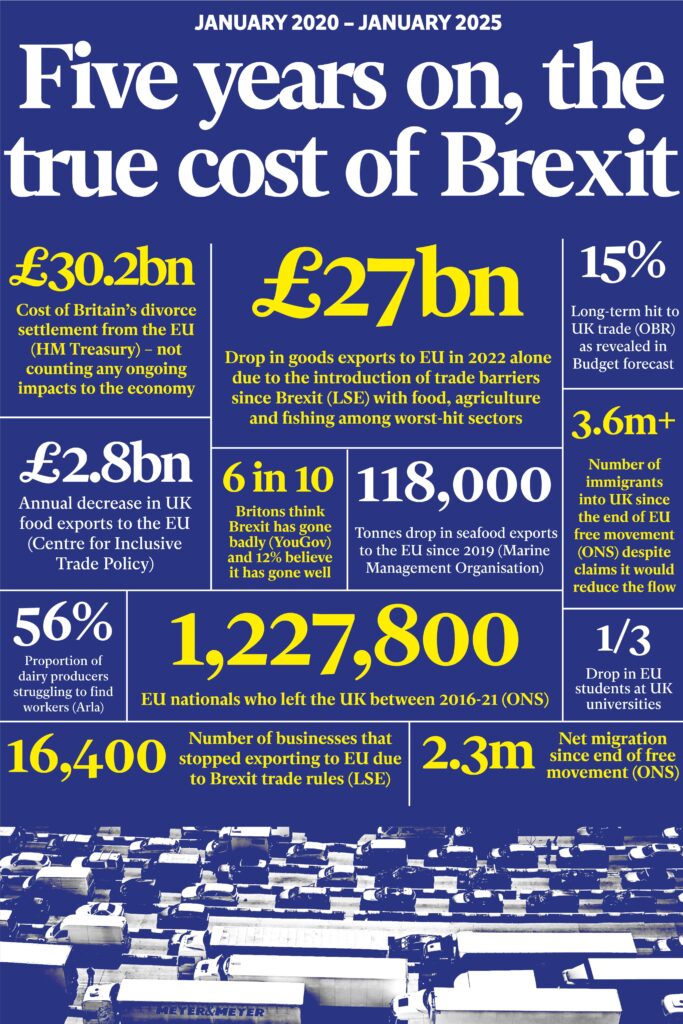
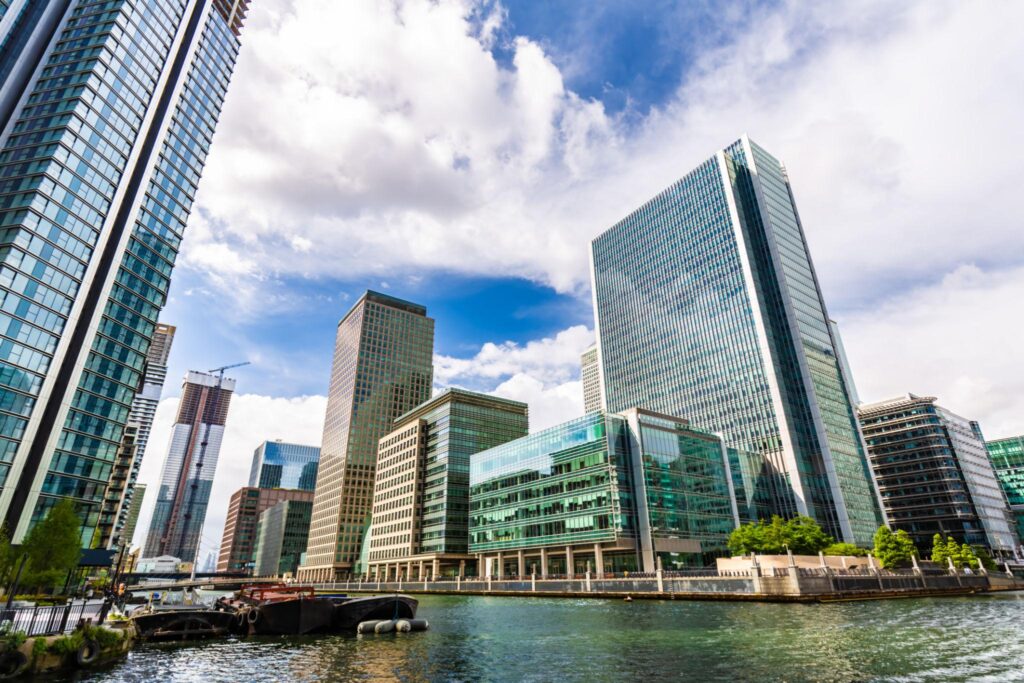
Economic performance remains one of the most contested parts of the Brexit debate. Critics argue that new trade barriers, reduced investment confidence, and increased business costs have slowed growth and weakened Britain’s economic position compared with what might have happened if the country had remained in the European Union. Several economists and policymakers have cited long-term GDP losses associated with Brexit.
However, some economists believe Brexit is only part of the story. They argue that domestic issues such as housing shortages, energy costs, productivity challenges, labor market pressures, and policy decisions have contributed even more to Britain’s economic difficulties. According to this view, solving internal structural problems may be just as important as any future relationship with Europe.
Public Trust and Political Culture Face New Challenges
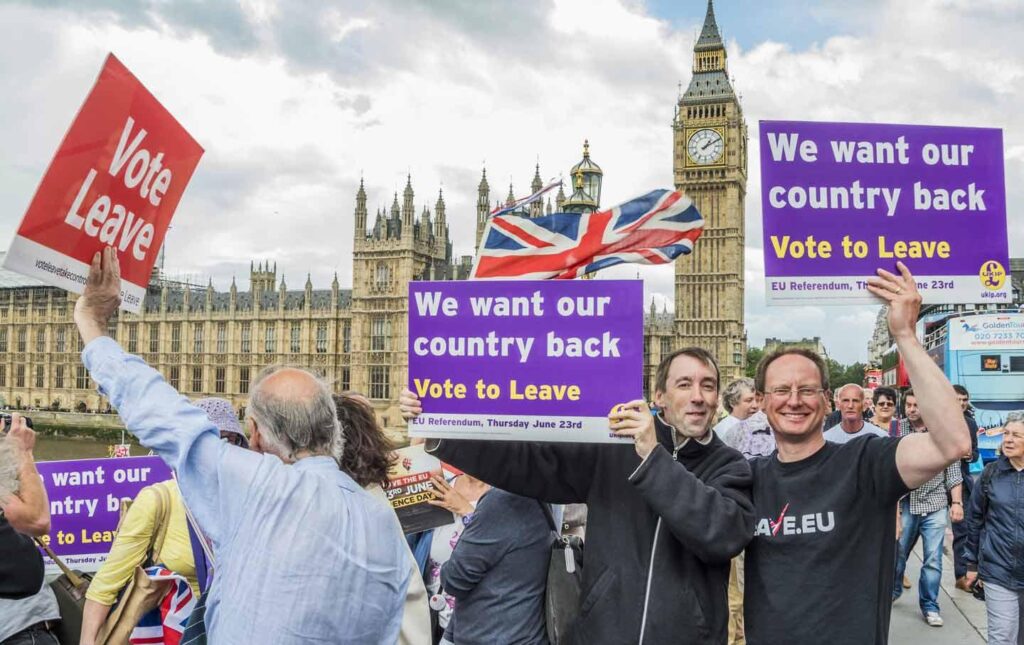
Beyond economics, many observers believe Brexit changed the tone of political discussion in Britain. The referendum campaign created deep divisions that continue to influence political conversations today. Questions about immigration, national identity, sovereignty, and globalization remain highly sensitive topics.
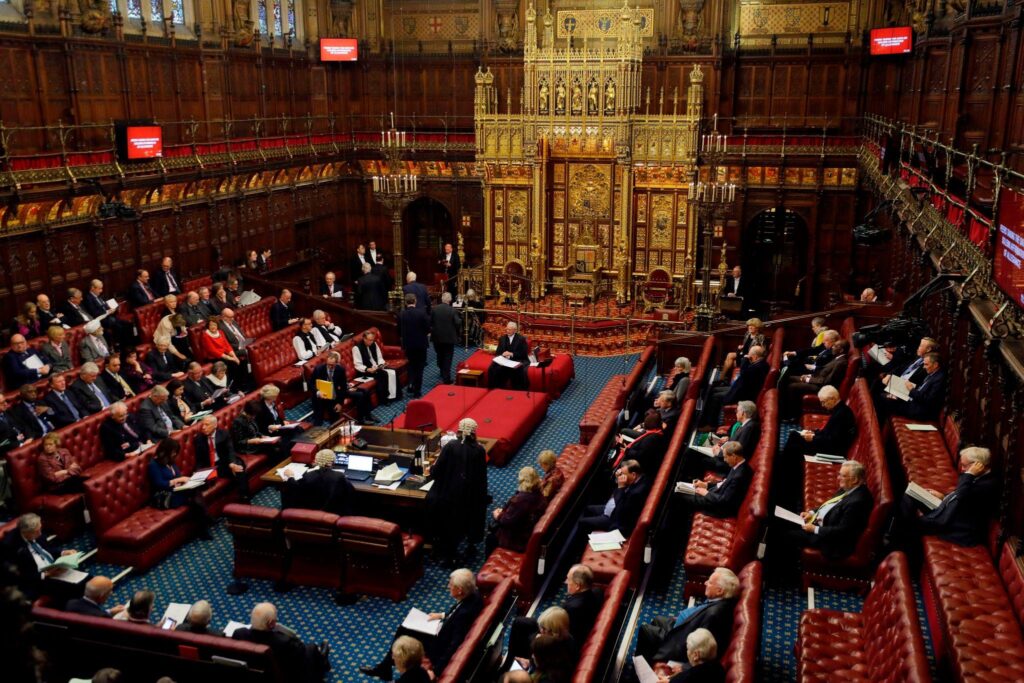
At the same time, concerns about online misinformation have become increasingly urgent. Political leaders from multiple parties are calling for stronger safeguards against false information, foreign influence, and algorithm-driven manipulation. Regulators are examining how digital platforms can better protect democratic processes while preserving free expression.
Could Britain Eventually Move Closer to Europe Again?
Although Britain’s current government has ruled out rejoining the European Union in the near future, discussion about future cooperation with Europe is becoming more common. Some politicians have openly suggested that closer integration may eventually return to the political agenda, while others remain firmly opposed.
Public opinion has also evolved since 2016. Surveys and political discussions indicate that many voters are reassessing the referendum and considering whether a different relationship with Europe could benefit the country. Even supporters of stronger EU ties acknowledge that any major change would involve years of negotiations and complex political decisions.
What the Next Decade Could Mean for Britain
The tenth anniversary of Brexit is more than a historical milestone. It provides an opportunity for Britain to evaluate lessons about political communication, economic planning, and democratic accountability. Regardless of individual views on Brexit, the referendum demonstrated how powerful narratives can shape national decisions and influence generations.
The coming years will likely focus less on reliving the arguments of 2016 and more on finding practical solutions to economic growth, public services, technological change, and international competitiveness. Whether Britain chooses closer cooperation with Europe or continues on its current path, rebuilding public trust and addressing long-term economic challenges will remain central priorities.
As the country reflects on a decade of Brexit, one message is increasingly clear: facts, transparency, and informed public debate may be more important than ever in shaping Britain’s future.
Subscribe to trusted news sites like USnewsSphere.com for continuous updates.