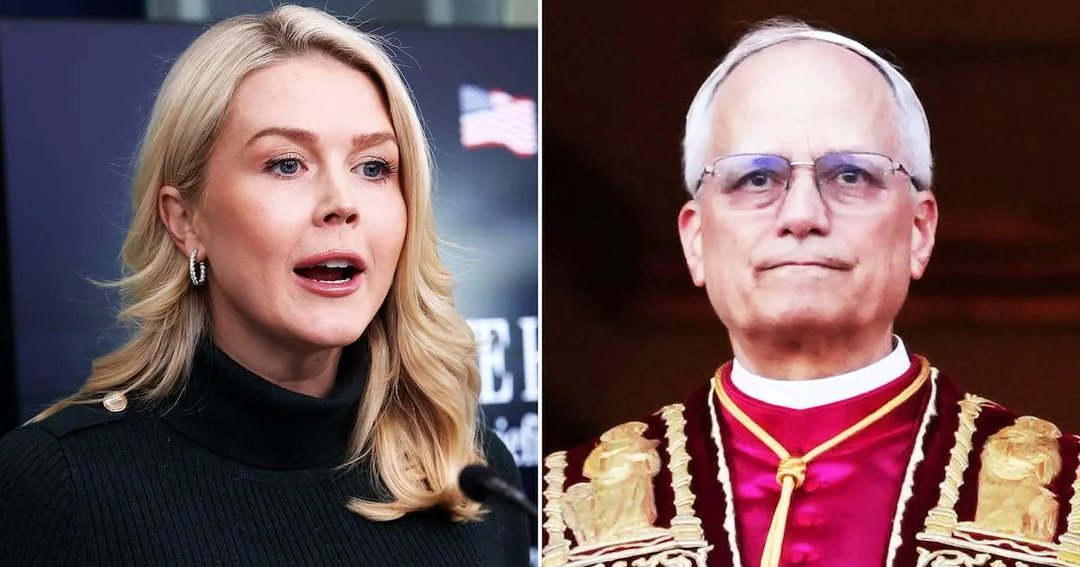
Vatican Rejects Trump’s ‘Board of Peace’ and Sparks White House Backlash — The Vatican announced it will not join the United States-led “Board of Peace,” prompting White House Press Secretary Karoline Leavitt to sharply criticize the Catholic Church’s decision amid global tensions over Gaza and international diplomacy. This unfolding diplomatic clash involves key world institutions and raises questions about global leadership and conflict resolution.
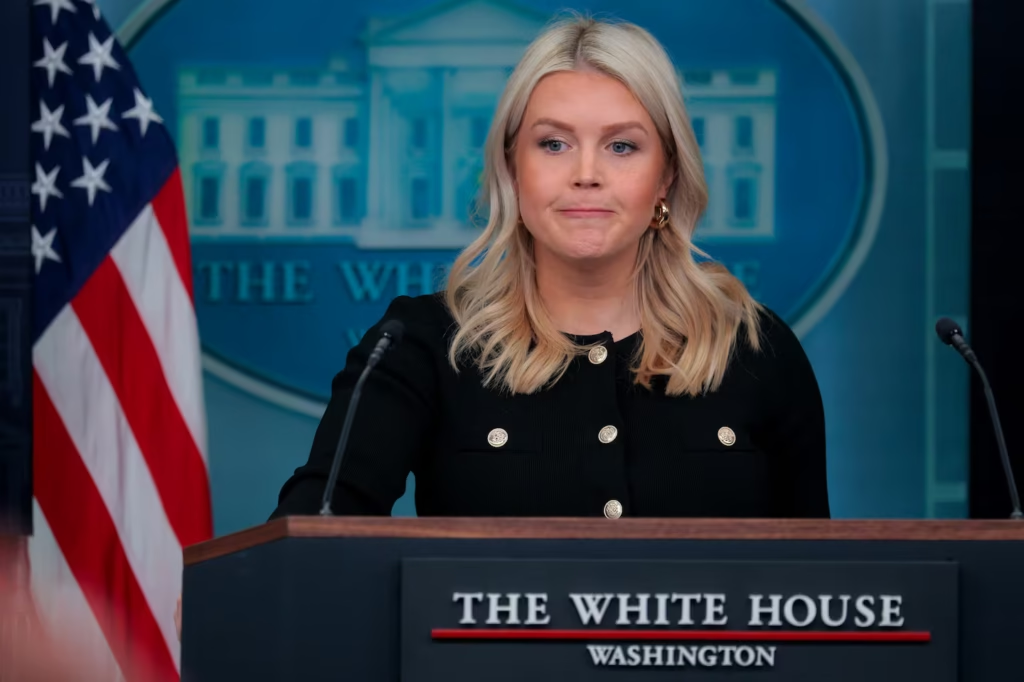
At a heated moment on Ash Wednesday, Leavitt condemned the Vatican’s refusal, calling it “deeply unfortunate” and insisting that peace efforts should not be “partisan or political.” The Vatican’s top diplomat made clear that such crisis management should remain under the United Nations, not a U.S.-centric body.
Who: Pope Leo XIV and Vatican Secretary of State Cardinal Pietro Parolin are at the core of this diplomatic disagreement with the U.S. administration. Leavitt, speaking for the White House, defended President Trump’s initiative in forceful terms.
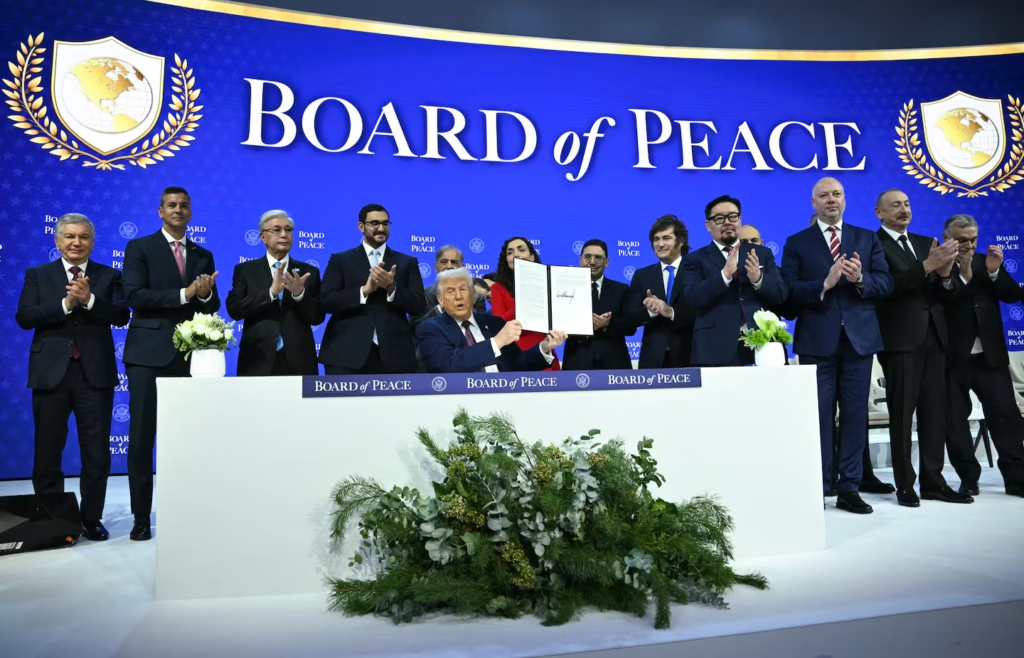
What: The Board of Peace is a new international body championed by President Trump to coordinate Gaza reconstruction, with the U.S. at its helm and promises of over $5 billion in support pledges. However, key global allies and the Vatican have raised serious reservations.
Why: The Vatican’s refusal underscores deep concerns that this new board could sideline traditional international frameworks like the United Nations and potentially politicize peacebuilding in the Middle East.
Impact: This disagreement highlights rising tensions not only between Washington and the Vatican but also among global powers debating how best to manage peace and reconstruction in conflict zones like Gaza. Leavitt’s public rebuke adds a political dimension to what was initially a diplomatic conversation.
Vatican Stands Firm: UN First, Trump’s Board Second
The Vatican made clear through Cardinal Pietro Parolin that it will not participate in Trump’s Board of Peace because it believes the United Nations should guide global crises and reconstruction. Catholic officials described aspects of the plan as perplexing and needing clearer explanations, especially given the board’s undefined long-term role beyond Gaza.
This stance reflects the Vatican’s longstanding tradition of supporting multilateral institutions and established international law, rather than ad hoc organizations led by a single country. The decision is in line with Pope Leo XIV’s broader vision, which emphasizes the moral imperative of unbiased humanitarian law over unilateral geopolitical strategies.
Why this matters now: In 2026, global opinion on how to handle conflict resolution is sharply divided. With Gaza’s humanitarian crisis still ongoing, and Western allies already skeptical of Trump’s initiative, the Vatican’s rejection gives weight to critics who argue that peace efforts should remain global, neutral, and inclusive.
Leavitt’s Ash Wednesday Rebuttal Adds a Political Edge
On Ash Wednesday — a significant day in the Christian liturgical calendar marking repentance and reflection — Karoline Leavitt took the unusual step of publicly rebuking the Vatican’s position. She stressed that Trump’s Board is aimed at rebuilding Gaza after years of bloodshed, and that it includes “tens of member countries from around the world.”
Leavitt’s comments also came amidst scrutiny of her own Catholic identity due in part to personal choices, which some commentators say adds an unusual layer of religious and political complexity to her response. However, the core of her message was clear: the administration views the Board as a legitimate, non-ideological effort toward peace and reconstruction.
The timing — coinciding with Ash Wednesday — gave Leavitt’s remarks an extra layer of symbolic resonance. It turned what might have been a private diplomatic disagreement into a public debate that will likely ripple through the remainder of Lent and beyond.
Global Reaction: Allies, Critics, and Unanswered Questions
Trump’s Board of Peace has struggled to gain traction with many traditional U.S. allies. France, Norway, and the United Kingdom have declined to participate, citing concerns about the board’s structure and the potential for undermining the role of the UN Security Council.
Some critics, including Catholic and secular voices, have labeled the initiative a potential “colonialist operation,” arguing that imposing external decision-making on Gaza doesn’t respect local agency or long-term justice. At the same time, supporters in parts of the Global South and smaller nations have shown varying degrees of interest.
With the first official meeting in Washington underway, how the Board of Peace proceeds — with or without key players — could define international peace efforts in Gaza and beyond for years.
What’s Next: Peace Prospects or New Conflicts?
As this diplomatic clash unfolds, observers are asking whether peace initiatives can succeed without a broad consensus. The Vatican’s position, grounded in long-term commitment to multilateralism, contrasts sharply with a U.S.-led board that skews toward unilateral leadership.
Meanwhile, Leavitt’s fiery public comments mean this story is not just about policy — it’s also about political narratives, influence, and how major institutions choose to engage in peace efforts at a time when global conflicts demand nuanced solutions.
With tensions in Gaza still high and diplomatic fault lines widening, this moment could reshape how world powers collaborate — or clash — over future historic peace efforts.
Subscribe to trusted news sites like USnewsSphere.com for continuous updates.