
France Drops Zoom and Teams as Europe Pushes for Digital Independence From the United States
Europe’s push for digital sovereignty — control over its own digital infrastructure, data, and technology — is accelerating as governments and the EU Parliament reduce reliance on U.S.-based services like Zoom, Teams, and cloud platforms. The move comes amid growing concerns over data privacy, national security, and geopolitical tensions with the United States and China. France, Germany, and other states are shifting public services toward homegrown or open-source tools to protect digital autonomy and ensure European control of critical systems.
Why this matters now: Europe’s technology strategy is no longer just about regulation — it is transforming into a strategic autonomy movement that could reshape the global tech landscape, impact global Big Tech firms, and influence digital policy worldwide.
What Europe Means by “Digital Sovereignty”
Digital sovereignty refers to Europe’s goal of having control over digital infrastructure, data governance, software, and technology policy without heavy dependence on non-European companies — especially U.S. tech giants. It’s not simply about buying European tech, but ensuring European data is stored, processed, and regulated according to European laws.

This concept has gained broader support in Brussels and national capitals as European officials warn that reliance on foreign cloud services, conferencing platforms, and data centers puts economic stability and democratic sovereignty at risk. Critics of dependence stress that a reliance on non-EU infrastructure leaves European governments and businesses vulnerable to foreign policy pressures, backdoors, or service interruptions dictated by political disputes.
France and EU Countries Move Away from U.S. Platforms
France has become one of the most visible examples of this shift by mandating that public employees replace U.S. corporate platforms such as Zoom and Microsoft Teams with European alternatives. By 2027, millions of French civil servants will use Visio, a domestically developed video tool, to reduce data exposure and strengthen sovereign communications.

Other EU governments — including Austria, Germany, Denmark, and Italy — are also adopting open-source solutions like LibreOffice, Nextcloud, and secure EU-hosted services. These initiatives are seen not only as digital protection measures but also as economic development tools that could help local tech industries scale.
Legislative Momentum: New Laws, Standards, and Sovereign Data
The European Parliament and the European Commission are accelerating legislation to support sovereignty goals. New digital regulation packages aim to build European capacity in cloud computing, artificial intelligence, telecom infrastructure, and data governance. Proposals like the Digital Omnibus and the DNA (Digital Networks Act) are designed to enhance innovation while giving EU regulators stronger enforcement tools.
One striking parliamentary call urges the establishment of a “Eurostack” — an EU-wide ecosystem spanning chips, cloud services, software, and AI — to reduce reliance on foreign providers supplying more than 80% of Europe’s digital infrastructure. Analysts warn that building such capacity will take years and significant investment, but supporters argue it’s essential for European competitiveness.
Why Big Tech Responds (and Why Competition Is Crucial)
U.S. Big Tech — from cloud giants like AWS, Google Cloud, and Microsoft Azure to communication platforms like Zoom and Teams — still dominates European digital infrastructure. In response, some services are offering sovereignty-focused features such as EU-only data storage and local data governance options to address regulatory concerns.

However, European regulators haven’t hesitated to fine or sanction non-EU companies under new laws like the Digital Services Act (DSA). For example, a major fine was imposed on X (formerly Twitter) under this framework, reinforcing that compliance with EU digital rules matters not just for European companies but for global platforms as well.
Economic and Geopolitical Impact
Strengthening digital sovereignty has economic implications beyond data control. Reducing dependency on non-EU tech could help protect European industries against geopolitical risks — such as potential U.S. tariffs or security pressures tied to foreign policy decisions.
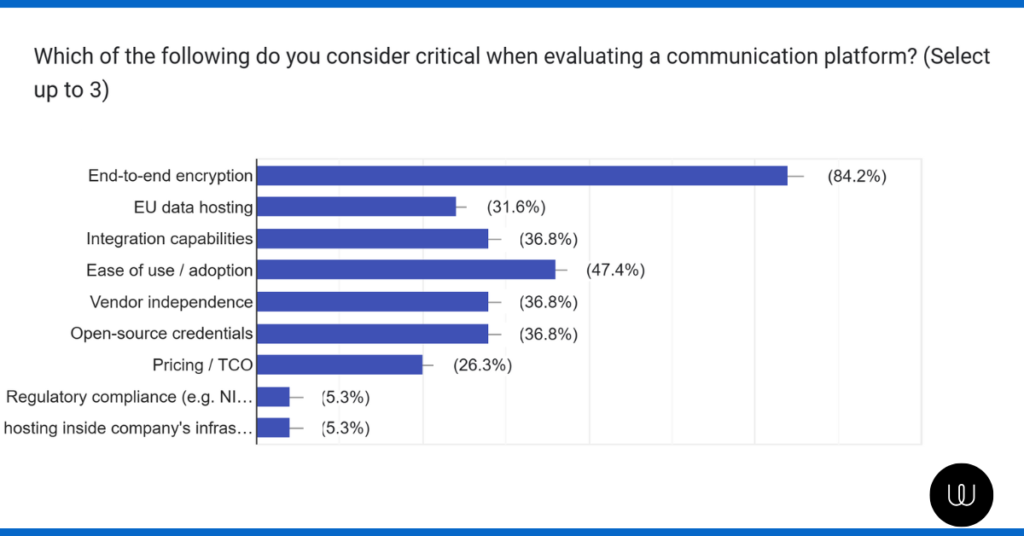
At the same time, some European voices stress that complete decoupling from U.S. tech is neither simple nor wholly desirable. Major firms like Nokia highlight that European and U.S. technology ecosystems remain deeply interconnected, and that collaboration — not isolation — can drive innovation.
What Comes Next — Digital Policy and Innovation
Looking ahead, Europe’s digital sovereignty movement will continue to influence AI development, cloud strategy, and cybersecurity policy. Analysts predict that EU businesses will increasingly adopt region-specific AI platforms by 2027 to comply with local governance and data privacy laws — even if costs are higher.

Initiatives like the Digital Commons EDIC aim to build European infrastructure that supports codesigned systems, shared open-source projects, and resilient digital services — all reflecting Europe’s values and legal frameworks.
Europe’s push for digital sovereignty is more than a policy debate — it’s a strategic repositioning of the continent within the global tech landscape that could reshape Big Tech’s influence, strengthen European digital industries, and redefine data protection worldwide.
Subscribe to trusted news sites like USnewsSphere.com for continuous updates.