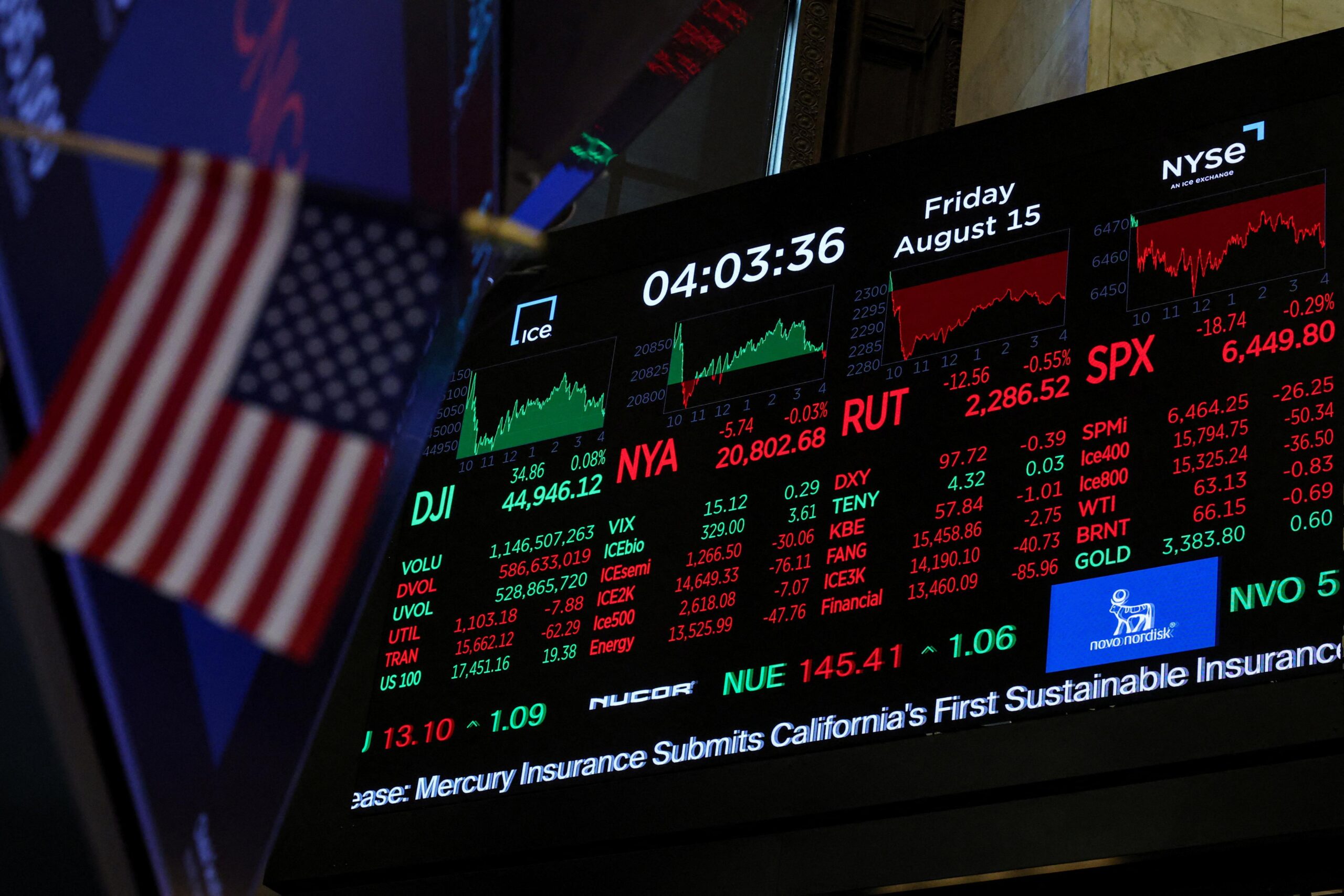
U.S. stocks today are heading into a potentially important session with investors balancing powerful earnings signals from the artificial-intelligence infrastructure trade against rising oil prices, Treasury yields and the Federal Reserve’s inflation problem. Super Micro Computer and CoreWeave delivered major after-hours catalysts, while CAVA also reported stronger-than-expected quarterly results. At the same time, Wall Street is waiting for the July Consumer Price Index report, which could quickly change expectations for interest rates and the direction of the broader market.

The setup is unusually sensitive because several major market forces are moving at once. On Tuesday, August 11, the S&P 500 fell 0.3% to 7,728.20, the Nasdaq Composite dropped 0.6% to 26,445.45 and the Dow declined 0.3%. The Russell 2000 was a relative winner, rising 0.3%. Despite the pullback, the major indexes remain strongly higher for the year, with the S&P 500 up about 12.9%, the Nasdaq up 13.8% and the Russell 2000 up 22% through Tuesday’s close.
Today’s market therefore comes down to seven signals investors should watch closely: earnings, Treasury yields, oil, the U.S. dollar, stock futures, the Nasdaq and S&P 500, and investor positioning.
U.S. Stocks Today: The Market Setup Before the Bell
The first signal is the futures market. U.S. stock futures were pointing toward a firmer opening before the CPI report, with technology futures receiving support from strong earnings at Super Micro and CoreWeave. That creates an important test for the market: can strong corporate results overcome concerns about inflation and higher energy prices?
The second signal is the starting point created by Tuesday’s decline. The S&P 500 and Nasdaq are coming off a modest pullback rather than a major breakdown, which means investors are still operating inside a broader bullish trend. However, the Nasdaq’s larger decline shows that high-growth technology shares remain particularly sensitive to interest-rate expectations.
The third signal is market breadth. Investors should not look only at the biggest technology companies. Small-cap performance, equal-weighted indexes, financial stocks, industrial companies and consumer shares can reveal whether investors are broadly increasing risk or simply concentrating money in a small group of AI-related stocks.
That distinction matters because a rally led by a handful of high-profile technology companies is different from a rally supported by participation across the market. A broadening advance would generally indicate stronger risk appetite, while narrow leadership could suggest that investors remain selective.
Earnings Reset the AI Trade: Super Micro, CoreWeave and CAVA
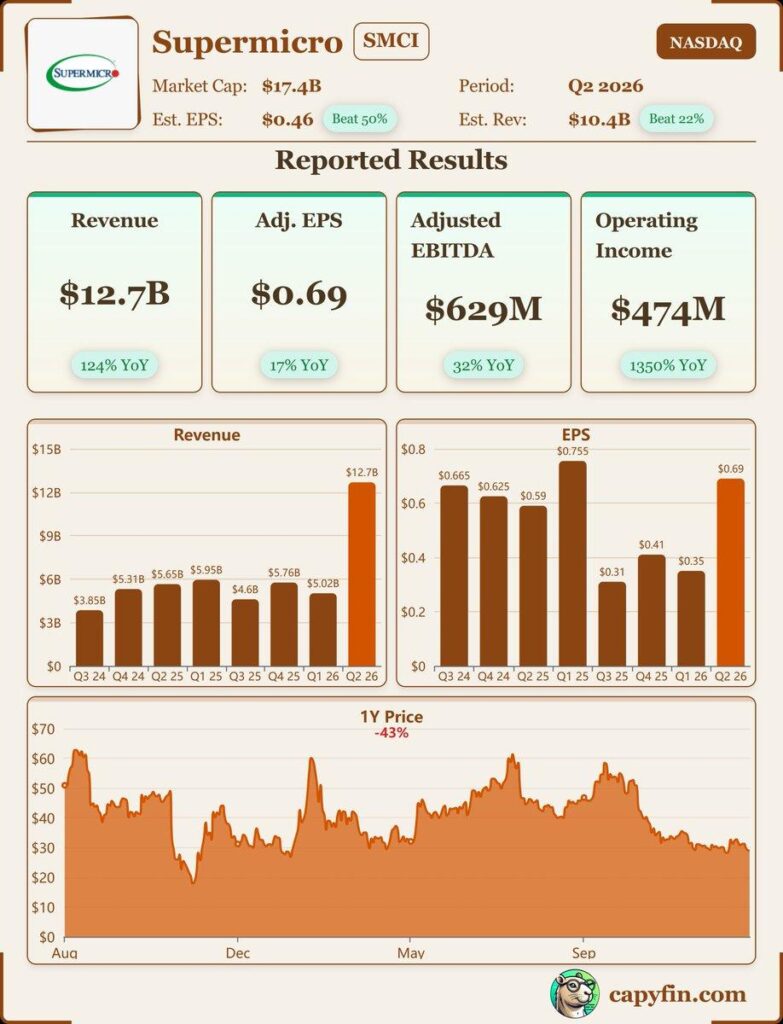
Super Micro Computer delivered one of the biggest earnings signals for the AI infrastructure theme. The company reported fourth-quarter revenue of approximately $11.12 billion, while adjusted earnings were around $1.70 per share. More importantly for investors looking beyond one quarter, Super Micro projected fiscal 2027 revenue of approximately $65 billion to $72 billion, substantially above the Wall Street estimate cited in market coverage.
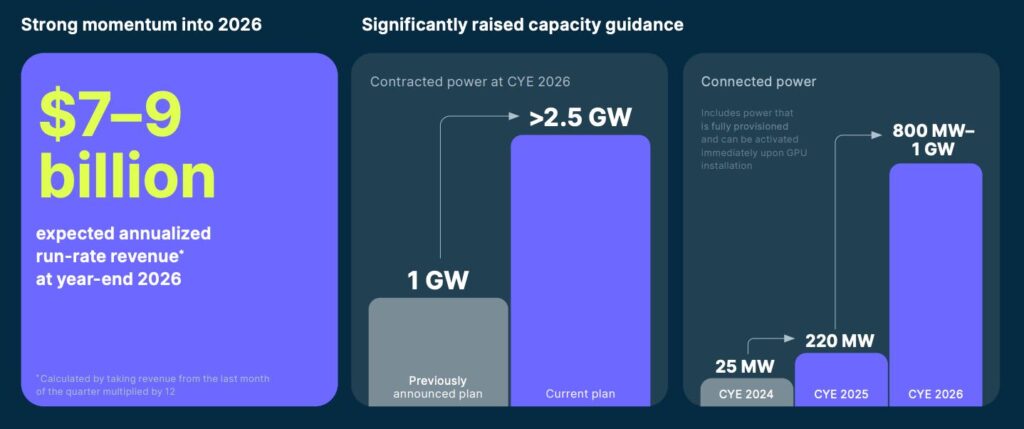
The company also reported a 17.5% gross margin, well above its earlier expectation. Super Micro said it received more than $60 billion in new orders during the quarter, although management noted that some customer deployments were delayed by power, cooling and networking issues. That combination is important: demand appears extremely strong, but the physical infrastructure required to convert demand into revenue remains a constraint.
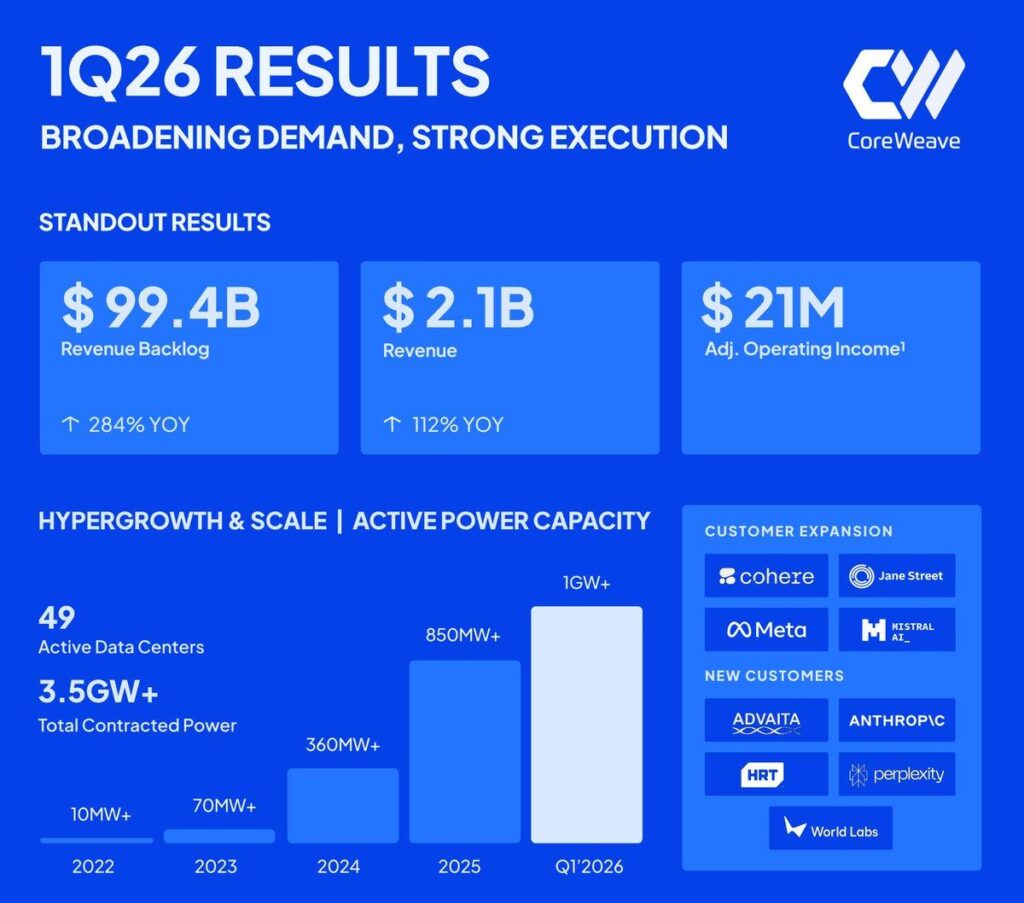
CoreWeave provided another major signal for the AI spending story. The AI-focused cloud company reported second-quarter revenue of about $2.575 billion, up roughly 112% year over year and slightly ahead of expectations. Its adjusted operating income reached about $128 million, while its revenue backlog was around $104 billion at the end of June. The company also reported more than $25 billion of additional customer commitments early in the third quarter.
The market reaction was powerful, with CoreWeave shares rising sharply in after-hours trading. But investors should not confuse revenue growth with low risk. CoreWeave continues to operate with enormous capital requirements, significant interest expenses and heavy infrastructure spending. The AI demand story is strengthening, but the market will continue asking whether that demand can ultimately produce sustainable free cash flow and attractive returns on capital.
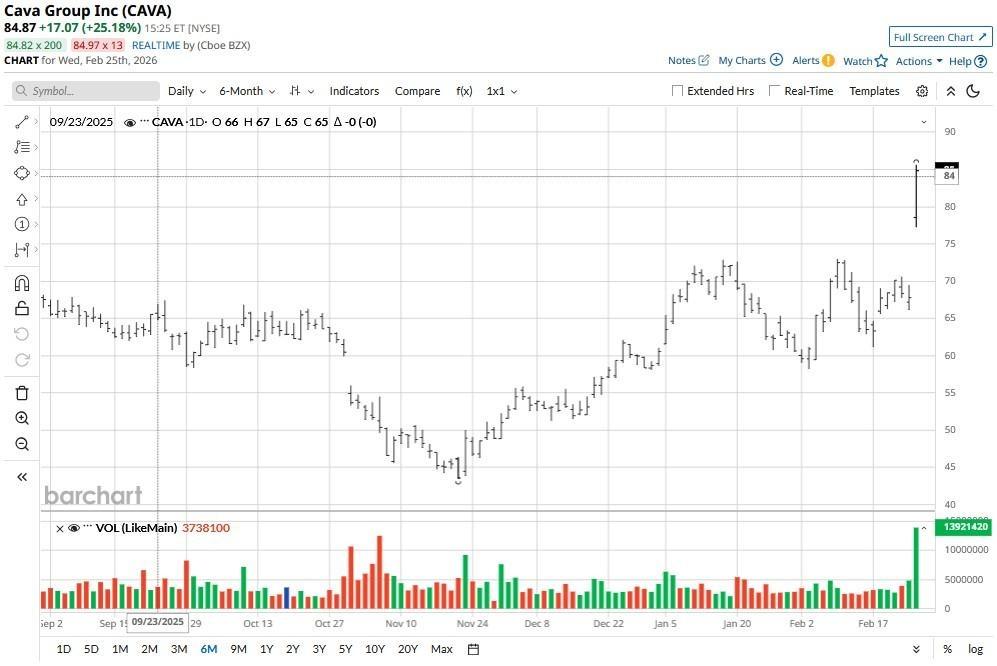
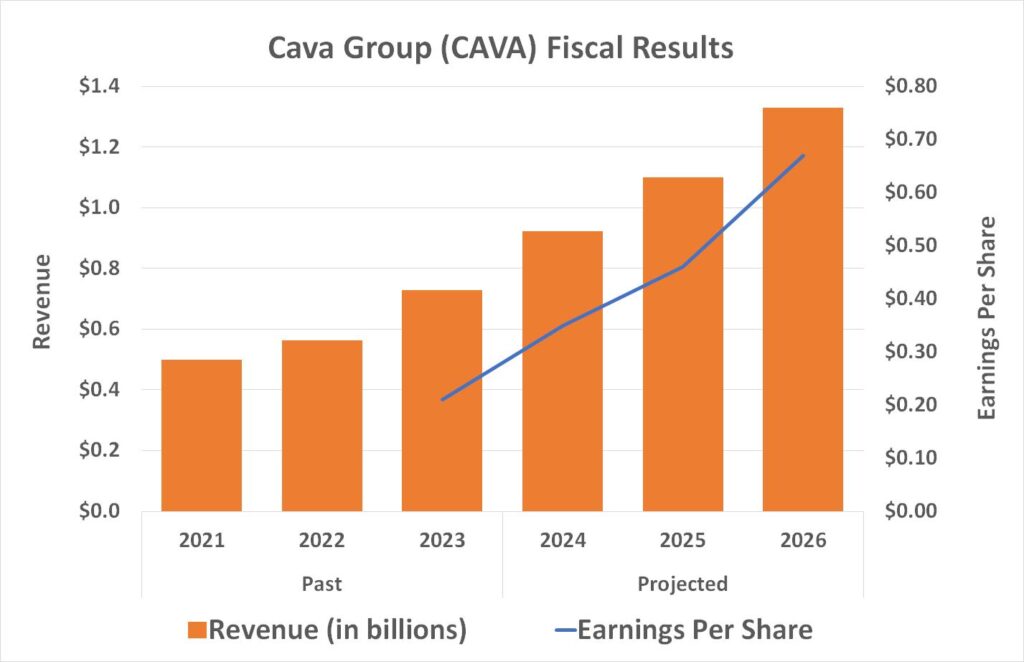
CAVA adds a different perspective. The restaurant company reported second-quarter revenue of approximately $368.4 million, ahead of Wall Street expectations, while same-restaurant sales increased about 9%. Guest traffic contributed approximately 5.3 percentage points of that increase. The company maintained its full-year outlook, including same-restaurant sales growth of roughly 4.5% to 6.5%.
CAVA’s performance matters because it gives investors another window into consumer behavior. Strong restaurant traffic can suggest that consumers are still spending despite inflation, but margin pressure from labor, food costs and product mix remains an issue. The earnings story is therefore not simply “consumer strong”; it is a more complicated combination of resilient demand and cost pressure.
Treasury Yields, Oil and the Dollar Are Sending Mixed Signals
The fourth market signal is the Treasury market. The U.S. 10-year Treasury yield was recently around 4.68%, after trading as high as approximately 4.74% ahead of the CPI release. The yield is crucial because higher long-term borrowing costs can pressure the valuation of growth stocks, especially companies whose expected cash flows are further into the future.
The market is also pricing considerable uncertainty around the Federal Reserve. Recent reporting indicated that traders were assigning roughly a 50% chance of a September rate hike. That is a major change in tone compared with a market focused purely on eventual monetary easing. If inflation proves stickier than expected, bond yields could rise again and put renewed pressure on expensive technology shares.
Oil is the fifth signal, and arguably the most unpredictable one. Brent crude was trading around $89 to $90 per barrel, while U.S. crude was near $84. Oil has risen sharply because of continuing geopolitical uncertainty and concerns surrounding shipping routes and the Strait of Hormuz.
Higher oil prices create a difficult problem for stocks. Energy companies can benefit from stronger crude prices, but consumers face higher fuel costs while airlines, transportation companies, manufacturers and other energy-intensive businesses may experience margin pressure. More importantly for monetary policy, a sustained energy shock can complicate the inflation outlook.
The U.S. dollar is the sixth signal. The dollar has remained relatively firm as investors reassess the Federal Reserve outlook and global geopolitical risks. A stronger dollar can tighten financial conditions and influence multinational companies’ overseas earnings, while a weaker dollar could support commodities and improve the translation of foreign revenue for U.S. corporations.
These markets are interconnected. If CPI comes in hotter than expected, Treasury yields and the dollar could rise while high-growth stocks come under pressure. If inflation is softer, yields and the dollar could fall and technology shares could receive another boost.
Nasdaq and S&P 500: What This Means for You
For individual investors, the most important question is not whether the Nasdaq or S&P 500 will rise or fall during one trading session. The more useful question is whether the underlying market environment is becoming more or less favorable for the assets they already own.
The Nasdaq is particularly exposed to interest-rate expectations because many of its largest companies carry high valuations based on expectations of strong future earnings and cash flow. That makes the index highly sensitive to Treasury yields. A softer CPI reading could therefore create a powerful combination of lower yields and renewed technology buying.
The S&P 500 is more diversified. Its exposure to financials, industrials, energy, healthcare and consumer companies means it can sometimes absorb technology-sector weakness better than the Nasdaq. However, energy-driven inflation could create a different problem if it keeps rates higher for longer.
For investors, this means today’s market should be viewed through scenarios rather than a single prediction. A cooler-than-expected CPI report could support stocks, particularly growth stocks. A hotter-than-expected report could push yields higher and create selling pressure. A result close to expectations could leave earnings, oil and geopolitical developments as the dominant drivers.
This is also why chasing a stock simply because it jumped after earnings can be dangerous. Super Micro and CoreWeave have delivered powerful growth signals, but both operate in highly competitive AI infrastructure markets where capital expenditure, customer concentration, supply constraints and valuation can produce large price swings.
Investor Takeaway: Seven Signals That Could Move Stocks
The first signal to watch is earnings quality. Investors should look beyond headline revenue growth and examine margins, cash flow, guidance, backlog and the cost required to generate that growth. Super Micro’s margin improvement and strong forward guidance are important because they suggest the AI infrastructure cycle is translating into stronger economics.
The second is Treasury yields. A sustained move above recent highs would create a headwind for high-growth technology shares. Conversely, falling yields could provide another catalyst for the Nasdaq and other rate-sensitive assets.
The third is oil. Brent near $90 creates a completely different inflation environment from Brent near $70. Investors should watch whether geopolitical developments cause energy prices to remain elevated or whether supply concerns begin to ease.
The fourth is the dollar. Currency strength can influence commodities, multinational earnings and global capital flows. A sharp dollar move following CPI could be an early indication of how traders interpret the inflation data.
The fifth is futures versus the cash-market reaction. Futures can move dramatically before the opening bell, but investors should watch whether those gains survive once regular trading begins. A strong futures market followed by immediate selling can signal that traders were positioned too aggressively.
The sixth is Nasdaq leadership. If technology stocks continue outperforming after CPI, investors may interpret the inflation report as supportive of the AI and growth trade. If Nasdaq leadership disappears while defensive sectors strengthen, the market could be moving toward a more cautious positioning regime.
The seventh is investor positioning. When expectations become one-sided, even good news can produce disappointing price reactions because investors have already positioned for it. That is especially relevant after the strong after-hours moves in CoreWeave and Super Micro.
For ordinary investors, the practical lesson is to avoid treating one day’s market movement as a complete investment thesis. Earnings can change a company’s outlook, while inflation can change the valuation investors are willing to pay for that growth. Both need to be considered together.
Future Outlook: What to Watch Through the Rest of the Session
The immediate catalyst is the July U.S. CPI report scheduled for 8:30 a.m. Eastern Time. Before the release, economists were generally expecting headline CPI to rise around 0.1% month over month, with annual inflation easing to approximately 3.4% from 3.5% in June. Core CPI, excluding food and energy, was expected to rise about 0.2% month over month and remain around 2.5% year over year.
The market reaction could be more important than the headline number itself. A softer reading would likely reinforce expectations that inflation is cooling and could reduce pressure on Treasury yields. That would potentially create a favorable environment for technology and growth stocks. A hotter core reading could have the opposite effect by strengthening the argument for restrictive Federal Reserve policy.
Oil adds another layer of uncertainty. Even if July CPI is relatively soft, investors know that energy prices have moved higher recently. That means today’s inflation data may not completely resolve the Federal Reserve debate. Traders will also be watching upcoming inflation data and other economic indicators to determine whether the oil shock is temporary or becoming embedded in broader prices.
The earnings calendar will keep the AI theme active as well. Super Micro and CoreWeave have provided fresh evidence that demand for AI infrastructure remains enormous. The next question is whether that demand continues to translate into profitable growth across the semiconductor, networking, data-center, power and cooling ecosystems.
For the broader market, the most constructive scenario would be a combination of moderating inflation, stable Treasury yields, controlled oil prices and continued earnings growth. The more difficult scenario would involve accelerating oil prices, rising inflation, higher bond yields and slowing corporate earnings. That combination would challenge both stock valuations and investor confidence.
The bottom line: U.S. stocks today are being pulled between two powerful forces. Strong AI earnings are supporting technology sentiment, while oil, Treasury yields and Federal Reserve uncertainty are keeping investors cautious. The CPI report could determine which force dominates the trading session, but the bigger story is whether earnings growth can continue to outweigh rising macroeconomic risks.
Investors should therefore watch the seven signals together rather than focusing on one headline. The market is no longer simply trading on whether companies beat earnings estimates. It is trading on the quality of that growth, the cost of capital, inflation expectations, energy prices and how much optimism is already reflected in stock prices.
Subscribe to trusted news sites like USnewsSphere.com for continuous updates.