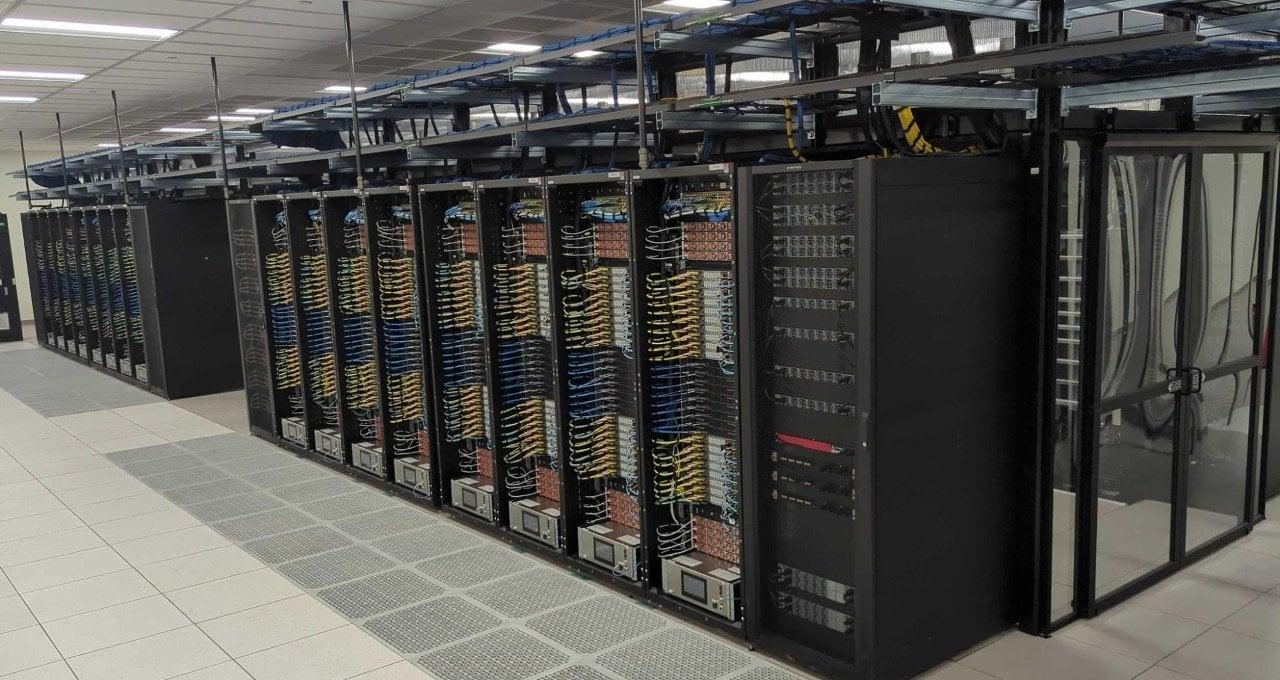
Wall Street’s AI rally is facing a fresh test as two companies positioned deep inside the artificial-intelligence infrastructure boom have delivered striking earnings updates. CoreWeave reported $2.575 billion in second-quarter 2026 revenue, more than double its revenue a year earlier, while Super Micro Computer reported $11.1 billion in fiscal fourth-quarter sales and gave investors an unexpectedly strong fiscal 2027 revenue outlook.
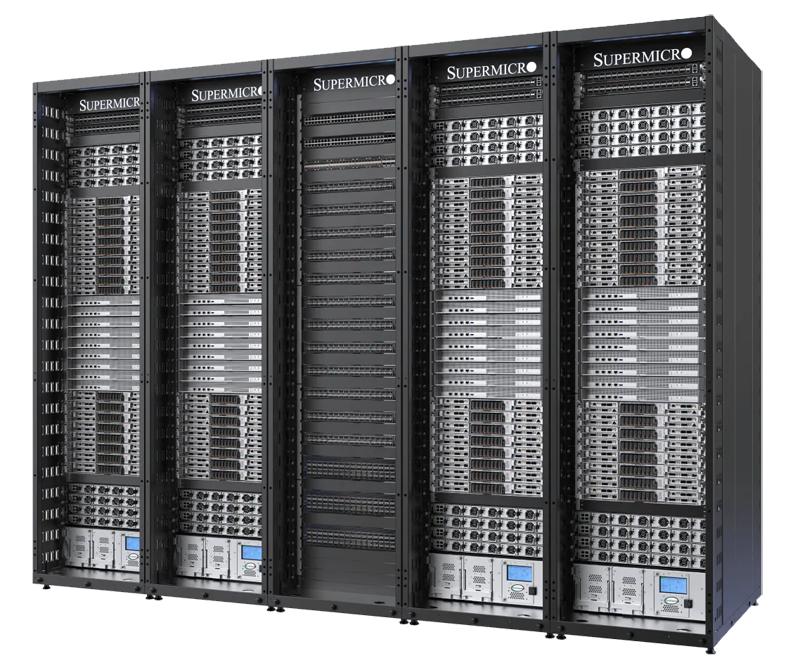
The importance of these results goes beyond two individual stocks. CoreWeave sits closer to the cloud-computing and GPU infrastructure layer of the AI economy, while Supermicro supplies servers and data-center systems used to deploy high-performance computing workloads. Their results therefore offer investors another look at whether the enormous capital spending surrounding artificial intelligence is translating into real demand, revenue and profits.

The timing is particularly important. U.S. stocks closed lower on August 11, with the S&P 500 falling 0.32% and the Nasdaq Composite declining 0.60%, as investors weighed geopolitical uncertainty, oil prices and upcoming inflation data. That means the market is entering this earnings period with less room for disappointment, particularly among expensive technology and AI-linked shares.
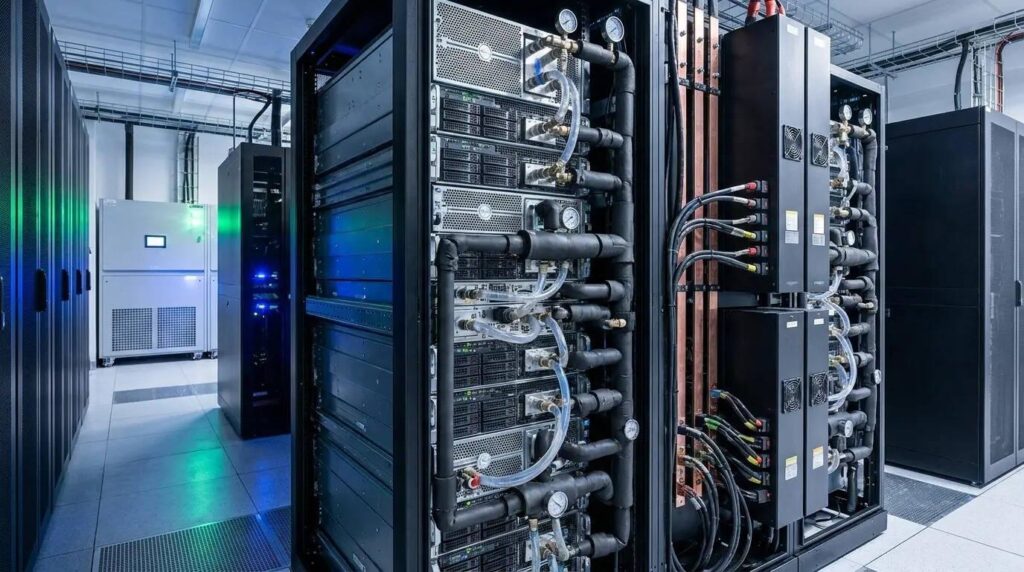
CoreWeave’s $2.575 Billion Quarter Shows AI Demand Has Not Disappeared
CoreWeave delivered one of the clearest signs yet that demand for AI computing capacity remains exceptionally strong. The company reported second-quarter revenue of $2.575 billion, compared with $1.212 billion in the same quarter of 2025. That represents growth of roughly 112% year over year.
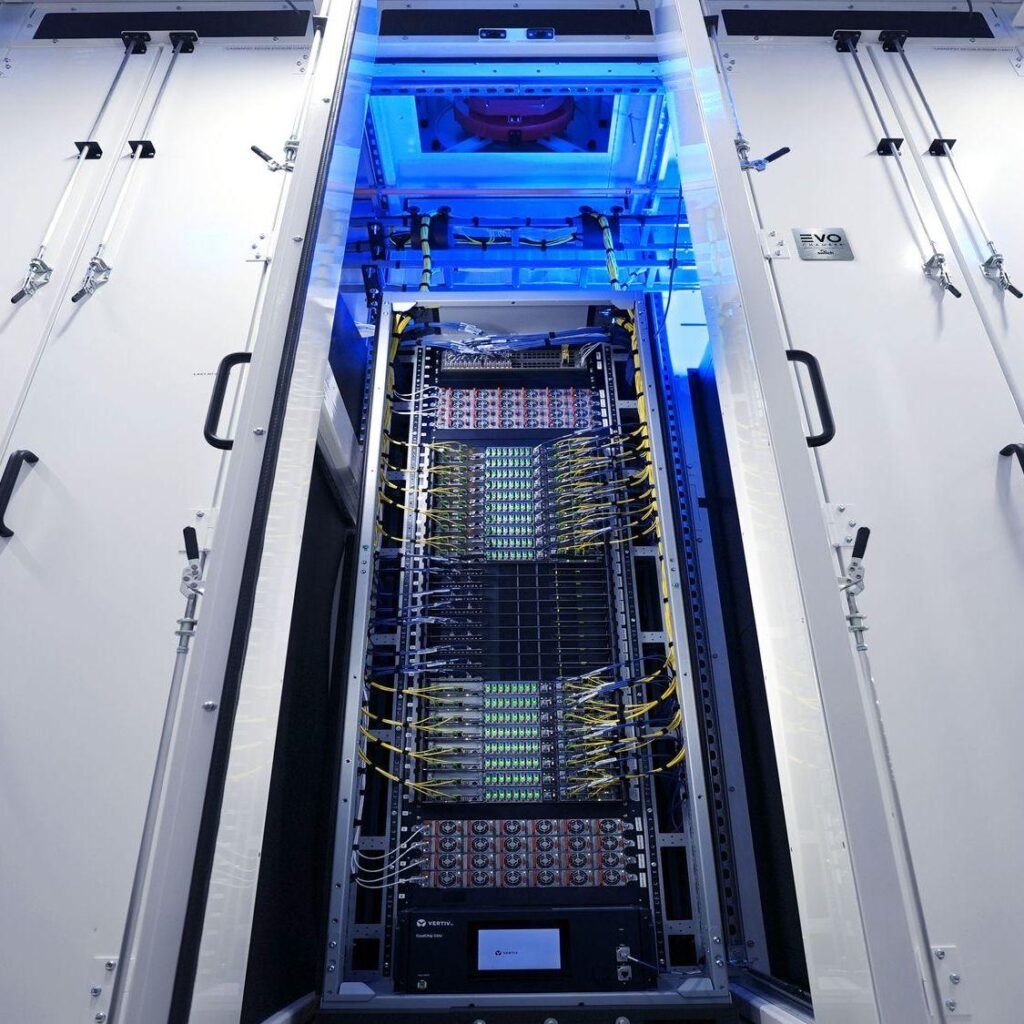
The company also reported an approximately $104 billion revenue backlog at the end of June. CoreWeave said that figure does not include more than $25 billion of net new customer commitments added during the early part of the third quarter. The distinction matters because backlog represents contracted future business, although it is still subject to delivery and service conditions rather than being equivalent to cash already received.
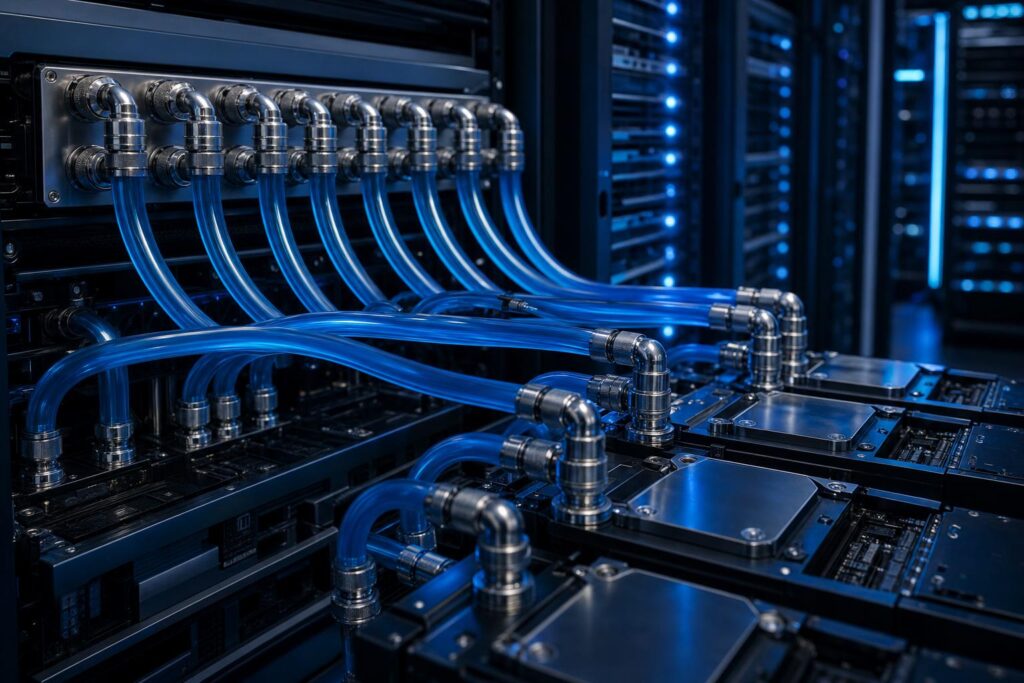
CoreWeave’s profitability picture is more complicated. Adjusted EBITDA reached $1.51 billion, producing a 59% adjusted EBITDA margin, while adjusted operating income was $128 million. At the GAAP level, however, the company reported an operating loss of $49 million and a $626 million net loss, including $640 million of net interest expense.
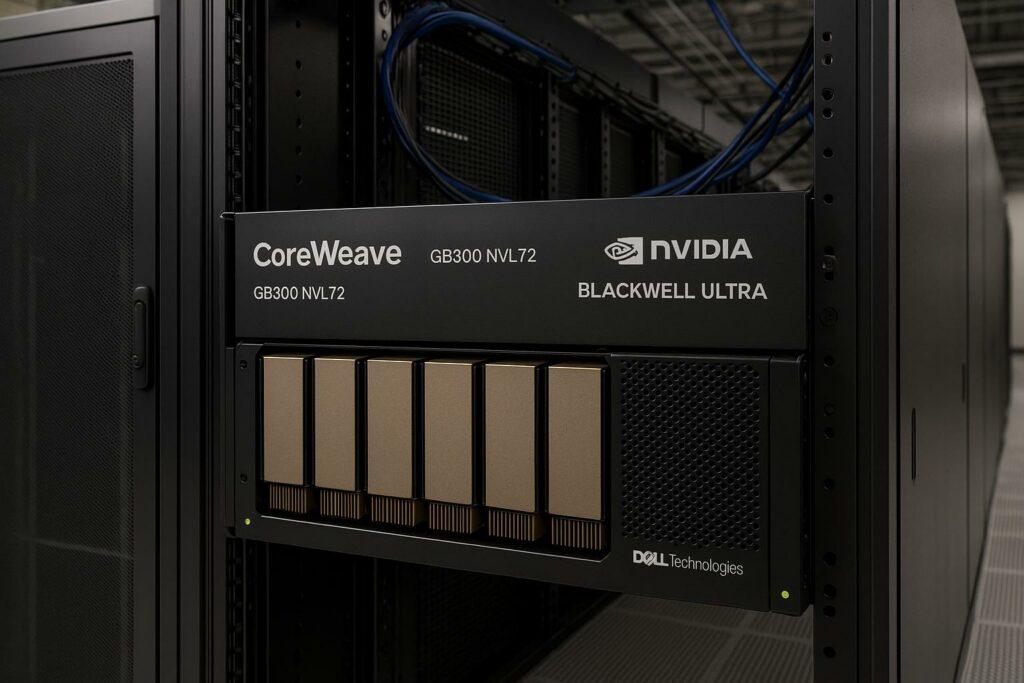
That contrast captures the central investment debate surrounding AI infrastructure. Demand can be enormous while the infrastructure provider still requires billions of dollars of capital to build data centers, purchase equipment and finance expansion. In other words, AI demand is clearly generating revenue, but investors still need to determine how much of that revenue ultimately becomes sustainable free cash flow.
Supermicro Adds Another Powerful Signal From the Data-Center Economy
Supermicro delivered a different but complementary message. The company reported $11.1 billion in fiscal fourth-quarter revenue, compared with $5.8 billion in the same quarter a year earlier. Net income climbed to $1.178 billion from $195 million, while diluted earnings per share increased to $1.62 from $0.31.
Perhaps more important for investors worried about profitability, Supermicro reported a 17.5% gross margin, compared with 9.9% in the previous quarter and 9.5% a year earlier. Its non-GAAP gross margin was 17.6%. That improvement suggests that the company is not merely shipping more AI hardware; its product and customer mix is also becoming more favorable.
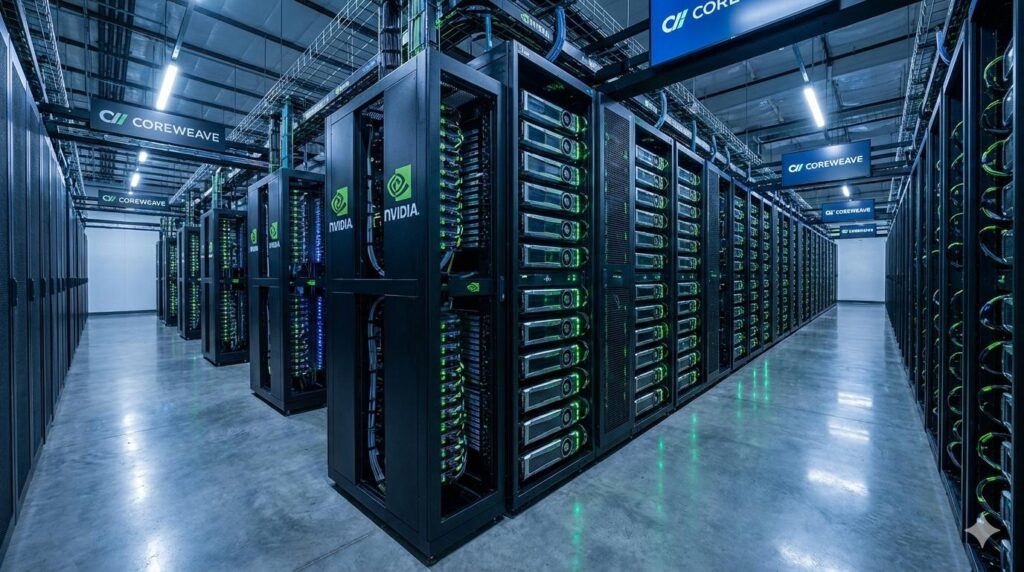
The forward outlook is even more striking. Supermicro expects fiscal 2027 revenue of approximately $65 billion to $72 billion, a forecast that has been reported as substantially above Wall Street expectations. The company also expects first-quarter fiscal 2027 revenue of roughly $14.5 billion to $15.5 billion.
Supermicro additionally said it generated more than $60 billion in new orders during fiscal 2026 and entered fiscal 2027 with record backlog. That provides another indication that AI infrastructure spending is spreading beyond GPU manufacturers into the companies responsible for assembling and deploying the physical computing systems.
AI Spending Is Moving Through a Much Bigger Chain Than Chips
The CoreWeave and Supermicro results are important because they help illustrate the full AI infrastructure chain.
At the beginning of that chain are semiconductor companies supplying GPUs, CPUs, networking silicon and memory. Those components move into servers and complete systems. Companies such as Supermicro then integrate those systems into data-center deployments. Cloud infrastructure providers such as CoreWeave provide customers with access to the resulting computing capacity.
The next layer consists of AI developers, enterprises and hyperscale technology companies that consume the computing power. They spend heavily because training and operating increasingly sophisticated AI models requires enormous amounts of compute, memory, networking and electricity.
This creates a powerful economic feedback loop: AI applications drive demand for computing; computing drives data-center construction; data centers drive server and chip demand; and strong infrastructure orders encourage companies to spend even more.
Nasdaq research has previously highlighted the concentration of U.S. equity-market performance around major AI beneficiaries and noted the extraordinary capital expenditure plans of the largest AI hyperscalers. Its analysis found that Microsoft, Meta, Alphabet and Amazon had collectively spent $133 billion on capital expenditures in the first quarter of 2026 and were forecasting combined annual capital expenditure of about $725 billion at that point.
That scale explains why investors are treating individual infrastructure earnings reports as indicators of the broader U.S. stock market. If AI spending continues accelerating, semiconductor, networking, server, power and data-center companies could continue benefiting. If spending eventually slows, the impact could travel in the opposite direction.
What This Means for You, Investors and the Nasdaq
For investors, the latest results provide evidence for both sides of the AI investment argument.
The bullish case is straightforward. CoreWeave’s revenue more than doubled, its backlog reached roughly $104 billion, Supermicro nearly doubled quarterly revenue year over year, and Supermicro’s management offered a fiscal 2027 revenue outlook dramatically higher than its previous scale. Those figures suggest that AI infrastructure demand is not merely a short-lived surge in experimental projects.
There is also broader evidence that corporate AI adoption is expanding. A 2026 academic study examining S&P 500 companies found that the share with deep AI integration had increased substantially from earlier years, although the researchers also found that the economic benefits can take time to emerge.
The risk case is equally important. CoreWeave’s $626 million quarterly net loss and $640 million of net interest expense show the financial burden that can accompany rapid infrastructure expansion. The company also needs to continue deploying enormous amounts of capital to convert contracted demand into actual operating capacity.
For the broader Nasdaq and S&P 500, this means earnings quality may become increasingly important. Investors may no longer be satisfied with companies simply announcing AI partnerships or higher capital expenditure. They may increasingly demand evidence that AI spending is producing revenue growth, improving margins and eventually generating attractive returns on invested capital.
Investor takeaway
The most important question is no longer simply “Is AI demand real?” The latest CoreWeave and Supermicro results provide strong evidence that demand is real.
The more difficult question is “How profitable will the AI infrastructure boom ultimately become?”
That distinction could determine the next stage of the AI trade.
Future Outlook: The AI Rally Still Has Fuel, but Valuation and Execution Matter
The immediate outlook for AI infrastructure remains constructive, but investors should expect greater differentiation between winners and losers.
CoreWeave’s enormous backlog gives the company significant visibility, while Supermicro’s record orders and fiscal 2027 forecast suggest customers are still committing substantial resources to AI infrastructure. At the same time, the capital intensity of the sector means execution will become increasingly important. Building data centers on time, obtaining power, deploying GPUs efficiently and converting contracts into revenue are all essential to the investment thesis.
The market environment also cannot be ignored. On August 11, the S&P 500 and Nasdaq both declined as geopolitical concerns and oil prices weighed on sentiment. Investors were also preparing for inflation data that could influence expectations for Federal Reserve policy. Higher interest rates can make long-duration growth stocks less attractive because future earnings are discounted at a higher rate.
That creates an unusual setup for AI stocks. Strong earnings can support valuations, but higher interest rates, expensive multiples, rising infrastructure costs or weaker-than-expected returns on AI spending can quickly change investor sentiment.
The next phase of the AI rally may therefore depend less on spectacular headlines and more on measurable economics: revenue growth, backlog conversion, gross margins, free cash flow, customer diversification, power availability and returns on capital.
For the S&P 500 and Nasdaq, that could mean AI remains an important source of earnings growth while investors become increasingly selective about which companies deserve premium valuations.
The CoreWeave and Supermicro results do not prove that the AI rally must continue indefinitely. They do, however, provide a powerful new piece of evidence that the underlying infrastructure spending cycle remains exceptionally strong.
Risks investors should watch
Several risks could challenge the bullish AI thesis:
- Valuation risk: Even strong earnings may not justify extremely high expectations if stock prices already discount years of future growth.
- Capital intensity: AI data centers require enormous spending on GPUs, networking, buildings, cooling and electricity.
- Financing risk: Higher borrowing costs can make rapid infrastructure expansion more expensive.
- Execution risk: Backlog only becomes revenue when infrastructure is delivered and customers receive the contracted services.
- Customer concentration: Heavy dependence on a relatively small number of major AI customers can create additional business risk.
- Technology risk: Faster AI model efficiency or new hardware architectures could change the economics of existing infrastructure.
- Demand normalization: AI spending could eventually move from explosive expansion to a more sustainable growth rate.
- Macroeconomic risk: Inflation, interest rates, oil prices and geopolitical events can affect technology valuations even when company earnings remain strong.
A better way to read the AI earnings cycle
The latest earnings suggest investors should stop looking at AI as a single-company story.
The more useful framework is to follow the entire ecosystem: chips → servers → networking → data centers → cloud computing → AI models → enterprise applications → revenue and productivity.
If spending continues moving through that chain, the AI investment cycle could support earnings growth across a much broader group of companies. If spending becomes disconnected from actual customer revenue and economic returns, however, valuation risk could rise sharply.
For now, CoreWeave and Supermicro are sending a broadly positive demand signal. CoreWeave’s $2.575 billion quarterly revenue and roughly $104 billion backlog demonstrate the scale of demand for AI cloud infrastructure, while Supermicro’s $11.1 billion quarterly sales, improved margins and $65 billion–$72 billion fiscal 2027 revenue forecast show that the hardware side of the ecosystem is also expanding rapidly.
The next test for Wall Street will be whether that extraordinary spending translates into durable profits throughout the AI ecosystem.
Video and primary-source resources: CoreWeave Q2 2026 earnings release · Supermicro FY2026 results · CoreWeave earnings analysis video
This article is for news and informational purposes and should not be considered personalized investment advice. Stock prices can rise or fall rapidly, and investors should conduct their own research before making investment decisions.
Subscribe to trusted news sites like USnewsSphere.com for continuous updates.