Fortune Crypto 100 Rankings Shake Up Digital Assets: Why Binance and Ethereum Are Dominating 2026 is one of the biggest stories in the digital asset industry this year. The latest rankings highlight a major shift in how investors, institutions, and technology leaders view the future of cryptocurrency. Binance remains one of the most influential companies in the global crypto ecosystem, while Ethereum continues to strengthen its position as the leading blockchain platform for decentralized applications, tokenized assets, and financial innovation.
Who is involved? Binance, Ethereum developers, institutional investors, crypto users, and regulators worldwide. What happened? The latest rankings recognized the growing influence of crypto platforms and blockchain networks that continue expanding beyond simple trading. Why does it matter? The rankings provide insight into which projects and companies are shaping the next phase of digital finance. What is the impact? Investors, businesses, and policymakers are paying closer attention to crypto infrastructure as adoption accelerates across multiple industries.
The Fortune Crypto 100 Reflects a Changing Digital Asset Industry
The cryptocurrency market has evolved significantly from its early years. Digital assets are no longer viewed solely as speculative investments. Today, blockchain technology supports payment systems, decentralized finance, tokenized assets, gaming platforms, enterprise applications, and cross-border transactions. The latest Fortune Crypto 100 rankings reflect this broader transformation.
Many of the highest-ranked organizations are building infrastructure rather than simply offering trading services. Investors increasingly recognize that the long-term value of the industry may come from networks, applications, and services that support real-world economic activity. This shift has encouraged both institutional investors and traditional financial firms to expand their involvement in the sector.
The rankings also highlight a growing separation between projects with sustainable ecosystems and those that rely primarily on short-term market enthusiasm. As capital becomes more selective, investors are focusing on utility, adoption, and long-term growth potential rather than hype alone.

Why Binance Continues to Hold a Leadership Position
Binance remains one of the most influential names in cryptocurrency because of its massive global user base and expanding range of services. While many people know Binance primarily as a digital asset exchange, the company has continued diversifying into custody solutions, blockchain infrastructure, educational initiatives, payment systems, and Web3 development.
The company’s ability to operate across multiple segments of the crypto economy has helped it maintain relevance despite regulatory challenges in various jurisdictions. Binance continues investing heavily in compliance, security, and institutional-grade services as regulators increase scrutiny of the industry.
Another factor supporting Binance’s influence is liquidity. Investors and traders generally prefer platforms with deep liquidity, competitive pricing, and broad asset availability. This network effect helps reinforce Binance’s position as a major gateway into the digital asset ecosystem.
Ethereum’s Expanding Role Beyond Cryptocurrency
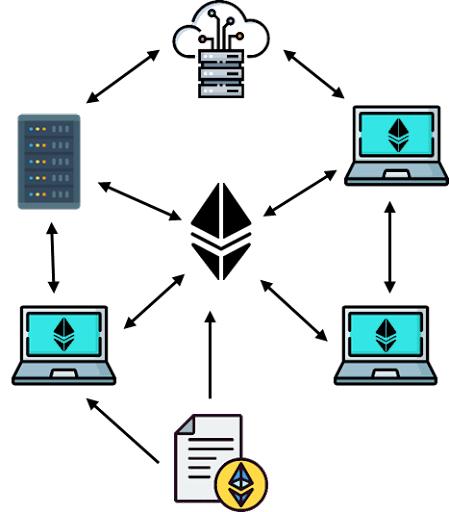
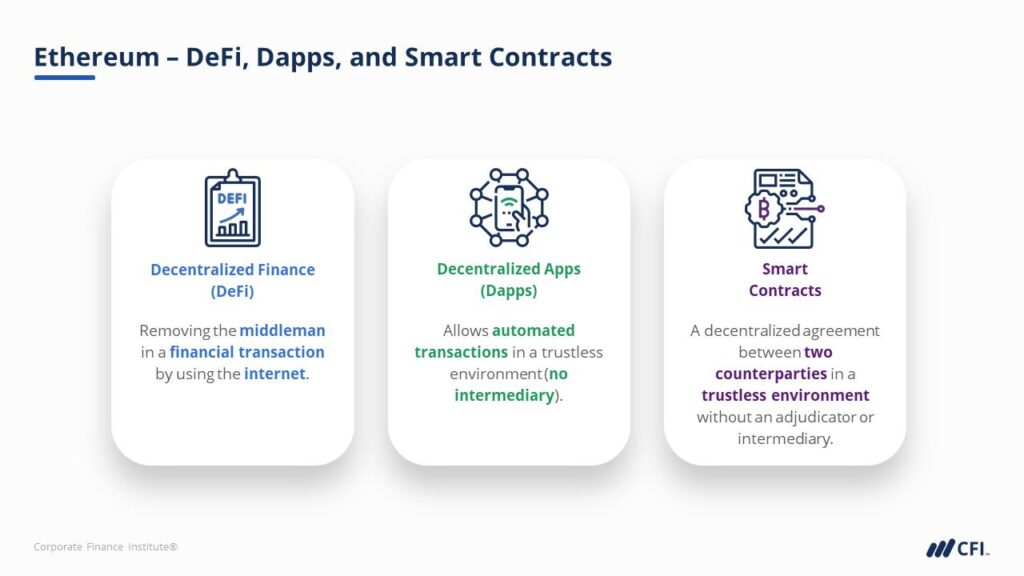
Ethereum’s dominance extends far beyond the price of its native token. The blockchain has become a foundational layer for decentralized finance, stablecoins, non-fungible tokens, enterprise blockchain applications, and tokenized real-world assets. Many industry analysts view Ethereum as one of the most important infrastructure networks in digital finance.
One reason for Ethereum’s continued growth is developer activity. Thousands of applications have been built on the network, creating a large ecosystem that attracts users, businesses, and investors. This ecosystem effect has strengthened Ethereum’s competitive position despite increasing competition from alternative blockchain platforms.
Institutional adoption has also become a major growth driver. Financial institutions continue exploring tokenization, blockchain settlement systems, and digital asset products that rely on Ethereum-based infrastructure. As more traditional organizations enter the market, Ethereum’s role in the financial system could continue expanding.
Institutional Investors Are Driving the Next Growth Phase
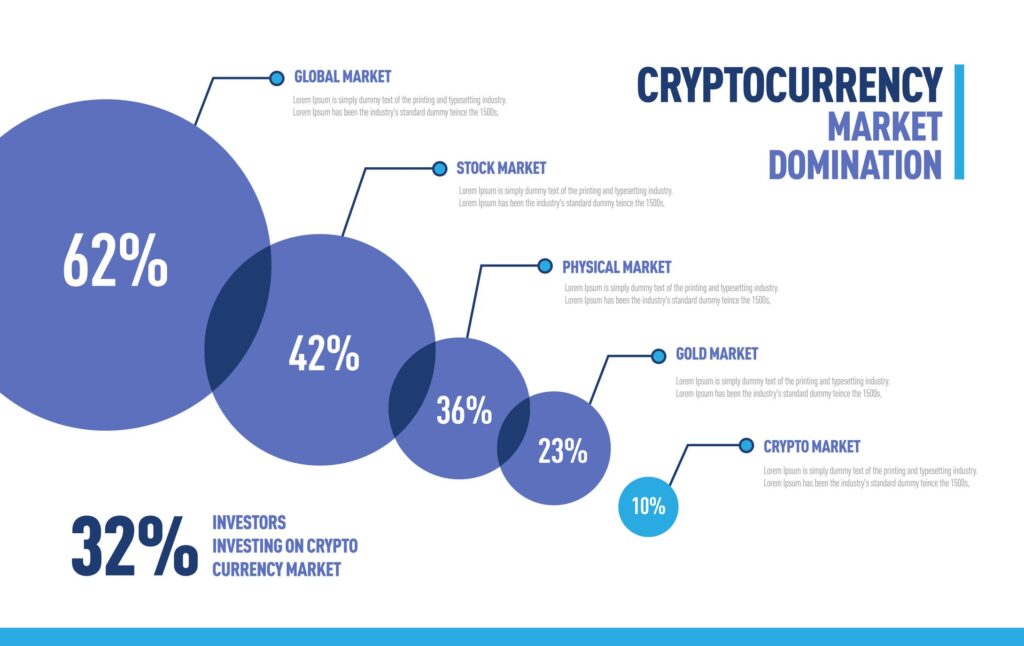
One of the most important trends in 2026 is the increasing participation of institutional investors. Asset managers, hedge funds, pension funds, and corporate treasuries are becoming more active participants in the digital asset market. This shift is changing how cryptocurrencies are evaluated and integrated into investment portfolios.
Institutional investors often focus on long-term fundamentals rather than short-term price fluctuations. As a result, networks with strong adoption, clear utility, and sustainable ecosystems may benefit the most from growing institutional demand. Ethereum’s infrastructure advantages and Binance’s market position have made both prominent beneficiaries of this trend.
The emergence of regulated investment products has also improved accessibility. Investors who previously avoided direct crypto ownership now have additional options for gaining exposure to digital assets through regulated financial products and investment vehicles.
Risks Investors Should Continue Monitoring
Despite the positive momentum, the crypto industry still faces meaningful risks. Regulatory developments remain one of the largest sources of uncertainty. Governments worldwide continue refining rules related to exchanges, stablecoins, taxation, investor protection, and anti-money laundering requirements.
Market volatility also remains a defining characteristic of digital assets. Cryptocurrency prices can experience significant fluctuations in relatively short periods, creating both opportunities and risks for investors. This volatility often increases during periods of economic uncertainty or changing monetary policy expectations.
Competition represents another important factor. New blockchain platforms continue entering the market with claims of higher scalability, lower transaction costs, and improved efficiency. Ethereum’s long-term leadership will depend on its ability to maintain innovation while supporting growing user demand.
What This Means for You
For everyday investors, the Fortune Crypto 100 rankings provide valuable insight into where industry leaders believe long-term value is being created. Rather than focusing exclusively on price movements, investors can evaluate broader trends such as adoption, infrastructure growth, and institutional participation.
The rankings also highlight the importance of understanding how blockchain technology is evolving. Digital assets are increasingly connected to broader financial, technological, and economic developments. Investors who understand these trends may be better positioned to evaluate future opportunities.
Diversification remains important. While some investors may choose direct cryptocurrency exposure, others may gain exposure through technology companies, blockchain infrastructure providers, or financial firms participating in the digital asset economy.
Investor Takeaway
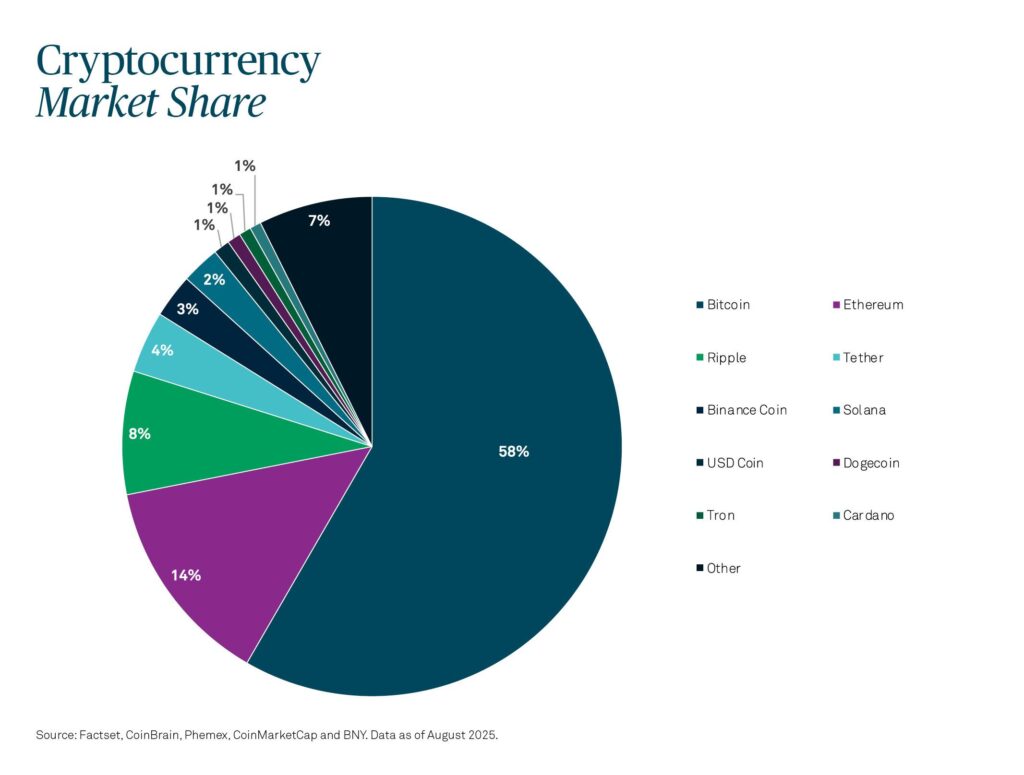
The latest rankings reinforce the growing importance of digital asset infrastructure. Binance continues to dominate through scale, liquidity, and ecosystem expansion, while Ethereum remains a critical foundation for decentralized finance and blockchain innovation.
Investors should pay close attention to adoption trends, institutional participation, regulatory developments, and technological progress. These factors are likely to have a greater impact on long-term success than short-term market movements.
For those evaluating opportunities in the digital asset sector, understanding the broader ecosystem may be just as important as tracking cryptocurrency prices themselves.

Future Outlook
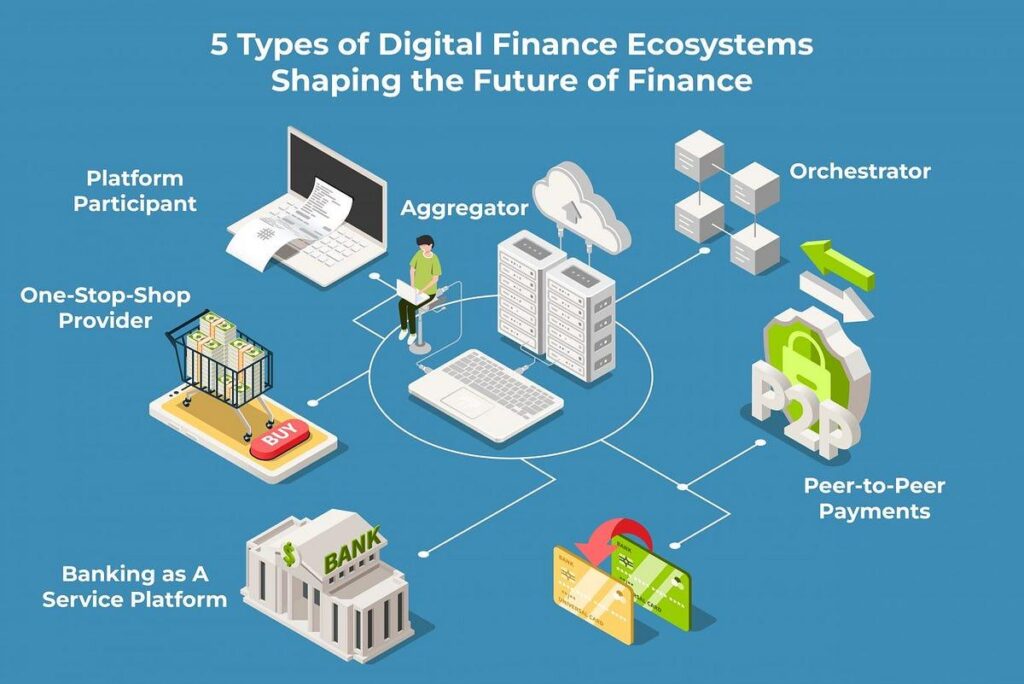
The future of the crypto industry appears increasingly tied to real-world applications rather than speculation alone. Tokenized assets, blockchain-based payments, decentralized finance, digital identity systems, and enterprise blockchain solutions are expected to remain major growth themes throughout the coming years.
Ethereum is positioned to benefit from expanding infrastructure demand, while Binance continues to leverage its scale and ecosystem reach. However, competition, regulation, and technological innovation will continue shaping the market.
The Fortune Crypto 100 rankings suggest that the industry’s next chapter may be defined less by hype and more by utility, adoption, and integration into the global financial system. For investors, businesses, and policymakers, 2026 could be remembered as a year when digital assets moved further into the mainstream economy.
Subscribe to trusted news sites like USnewsSphere.com for continuous updates.