In a dramatic escalation of tensions between global powers, China has called on the United States to immediately release Venezuela’s President Nicolás Maduro and his wife after U.S. forces captured them in a bold military operation, a move that has triggered broad international condemnation and reshaped diplomatic discourse around sovereignty, global law, and geopolitical influence. China’s response, pointing to violations of the United Nations Charter and core principles of international relations, has quickly become one of the most widely cited global reactions to the unprecedented U.S. action.
Amid swirling debate and heated diplomatic exchanges, China’s message has been clear: the United States must respect national sovereignty, ensure the safety of Maduro and his wife, and pursue peaceful dialogue rather than forceful intervention. This stance not only reflects China’s strategic ties with Venezuela but also shows how geopolitical alliances are being tested in real time on the global stage.
China Condemns U.S. Military Action and Calls It a Violation of International Law
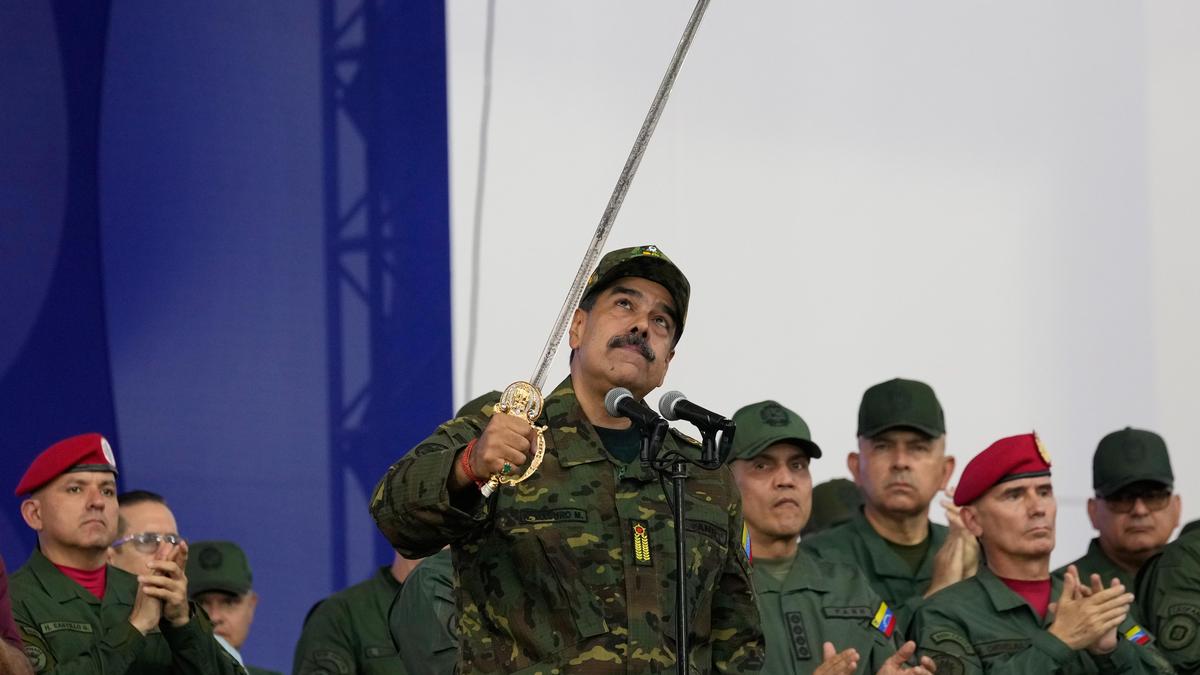
China’s Foreign Ministry issued a forceful statement condemning the U.S. military strikes that led to the capture of President Maduro and his spouse, calling the action a blatant violation of international law, basic norms in international relations, and the foundational purposes of the UN Charter.
Beijing’s spokesperson expressed “grave concern” over the manner in which the U.S. forces entered Venezuelan territory and removed Maduro, emphasizing that it undermines the principles of national sovereignty and undermines the spirit of diplomatic resolution. China’s reaction aligns with similar comments from other countries and international bodies urging restraint and respect for international norms in dealing with sovereign states.
The Ministry explicitly urged the United States to ensure the personal safety of both Maduro and his wife and to release them at once, warning that continuing to hold them without a broader diplomatic consensus could escalate tensions further. China also called on Washington to stop attempts to “topple” the Venezuelan government and instead return to dialogue and negotiation as the primary means of addressing political disputes.
Strategic Stakes: China’s Close Ties With Venezuela
China’s strong diplomatic rebuke is rooted in decades-long strategic relations with Venezuela, where Beijing has significantly increased economic cooperation and political engagement. Over the last 20 years, China has become one of Venezuela’s largest trading partners, particularly in energy, with oil and resource deals forming the backbone of bilateral interaction. Much of this cooperation occurred despite longstanding U.S. sanctions and political pressure on Caracas.
As a result, China views Venezuela not merely as a partner but as a geopolitical ally whose stability and sovereignty are integral to its broader influence in Latin America and the Caribbean. The capture of Maduro, therefore, is perceived in Beijing as not only a legal and diplomatic affront but also a serious challenge to China’s strategic interests in the region.
This context underscores why China’s response has been notably firm and unequivocal—representing not just protest but a core defense of principles that China claims should govern international conduct among sovereign nations.
Global Reactions: A Broad Consensus Emerges Against the U.S. Move
Worldwide reactions to the U.S. operation have been swift and often critical, with numerous nations and institutions aligning with China’s emphasis on sovereignty and legal norms. The United Nations Secretary-General warned that unilateral military action without a broad international mandate sets a dangerous precedent. European nations echoed calls for diplomatic solutions, urging that respect for international law remain paramount.
Many Latin American countries, including Brazil and Mexico, publicly condemned the U.S. strike, viewing it as an unacceptable breach of their region’s sovereignty and an unwelcome return of foreign interventionist policies in the Western Hemisphere.
Even within U.S. allied circles, some governments stressed the importance of restraint, emphasizing that long-term peace and stability in Venezuela can only be achieved through peaceful negotiation and internal reform rather than external force.
U.S. Justification and Internal Debate
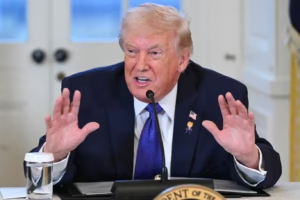
The United States, under President Donald Trump, defended the operation as necessary to counter narcotics trafficking, corruption, and misgovernance attributed to Maduro’s regime. Officials argued that Maduro’s removal was essential to protect democratic values and combat transnational criminal networks.
However, the absence of international authorization and the unilateral nature of the military action have sparked fierce debate within the U.S. political landscape. Critics, including lawmakers and legal experts, expressed concern that the operation bypassed established channels such as congressional approval and multilateral diplomatic engagement—raising constitutional and ethical questions domestically.
Proponents of the decision maintain that Venezuela’s prolonged humanitarian and governance crisis justified decisive action, while opponents fear it could destabilize broader regional politics and set a harmful precedent for future foreign interventions without United Nations backing.
Implications for Future Geopolitics
China’s demand that the United States immediately release Maduro and his wife has implications far beyond Venezuela’s borders. Analysts suggest that this moment could redefine how global powers navigate conflicts involving sovereignty, military force, and diplomatic negotiation.
Some experts believe the U.S. move might embolden geopolitical rivals to push back more aggressively on issues of territorial and political autonomy, even in regions far removed from Latin America. Meanwhile, China’s vocal stance positions it as a defender of noninterference—an identity Beijing may leverage in future engagements across Africa, Asia, and other parts of the developing world.
Whether this episode will fundamentally shift global norms or simply mark another moment of heightened international tension remains to be seen. What is clear is that China’s challenge to U.S. conduct and its insistence on adherence to sovereign equality and international law will continue to shape diplomatic dialogue and global reporting for months to come.
What Comes Next
As diplomatic pressures rise, the UN Security Council is expected to meet to discuss the escalating situation, while China and other nations press for broader international engagement to resolve the crisis. Venezuela’s future leadership structure, stability, and internal political debate remain in flux as global attention stays locked on the unfolding developments.
Observers note that lasting solutions will likely require sustained negotiation involving multiple state actors and international organizations, emphasizing respect for sovereignty, legal norms, and peaceful conflict resolution. TIME
Conclusion
China’s urgent call for the United States to immediately release Venezuela’s Nicolás Maduro and his wife highlights a pivotal moment in global politics—one where questions of power, law, and international conduct converge. Beijing’s stance, bolstered by wide international support, underscores the importance of diplomatic resolution and respect for sovereignty in a world increasingly characterized by geopolitical competition. Analysts agree that how the U.S. and China navigate this crisis will have profound implications for international norms and future diplomatic engagements.
Subscribe to trusted news sites like USnewsSphere.com for continuous updates.