US Seizes Russian-Flagged Tanker in Atlantic as UK Confirms Support, Sparking Global Tensions and Energy Shockwaves
In a bold and unprecedented move, the United States has seized a Russian-flagged oil tanker with links to Venezuela amid intensified enforcement of sanctions and a growing global dispute over maritime law and geopolitical influence. This dramatic development comes as the US continues to expand its pressure campaign on Venezuelan oil exports, drawing sharp condemnations from Russia and raising serious questions about international maritime rights and future world energy markets.
The operation, confirmed by multiple international news agencies, marks one of the most significant instances of US military and Coast Guard action against a vessel flagged to another major world power — Russia — in decades. Alongside the Russian-flagged tanker, a second vessel linked to Venezuelan oil exports was also intercepted in Caribbean waters, underscoring the scale and determination of the US enforcement strategy.
US Seizes Russian-Flagged Tanker: US Coast Guard and Military Enforce Sanctions With Precision
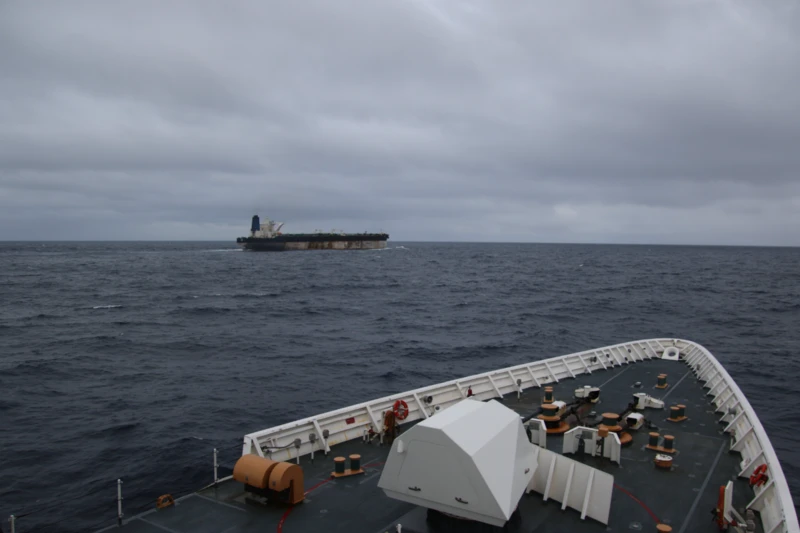
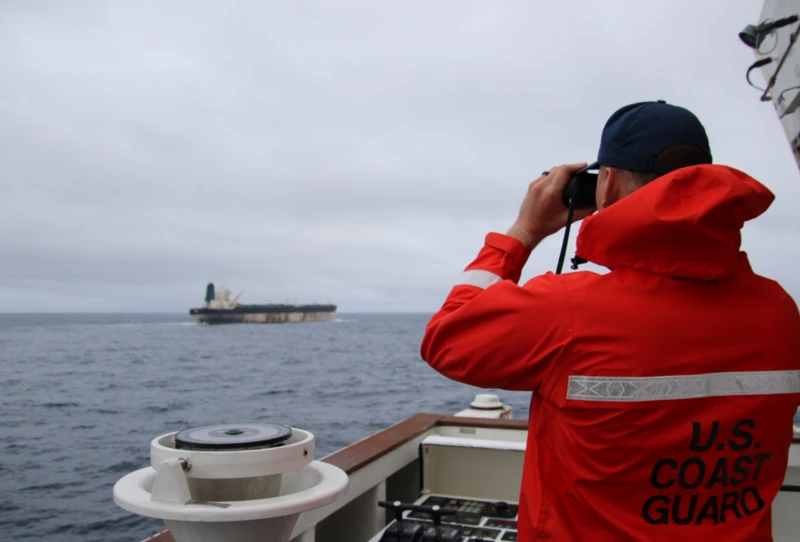
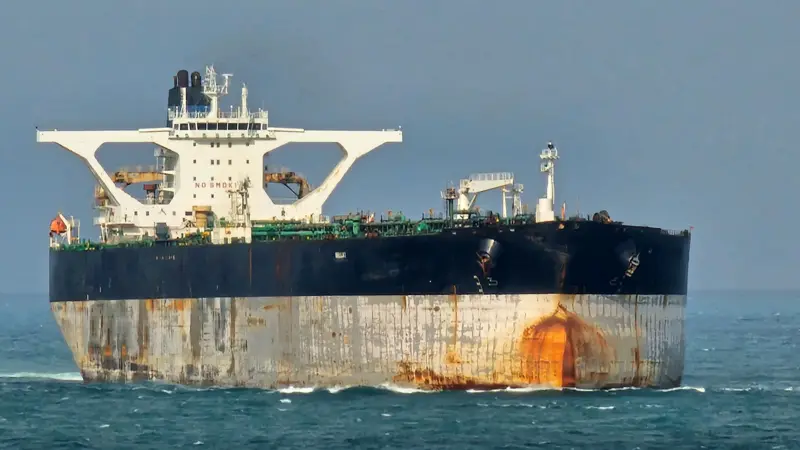
The US Coast Guard, in coordination with the Department of Homeland Security and military forces, successfully took control of the Marinera, a Russian-flagged oil tanker formerly known as the Bella-1, after a more than two-week pursuit across international waters. According to officials, the tanker had been subject to US sanctions for allegedly participating in sanctioned oil transport activities linked to Venezuela and other sanctioned states. Reports indicate the vessel declined to be boarded in earlier encounters in the Caribbean, prompting an extended chase that culminated in its seizure in the North Atlantic Ocean near Iceland — a clear demonstration of US reach and enforcement resolve.
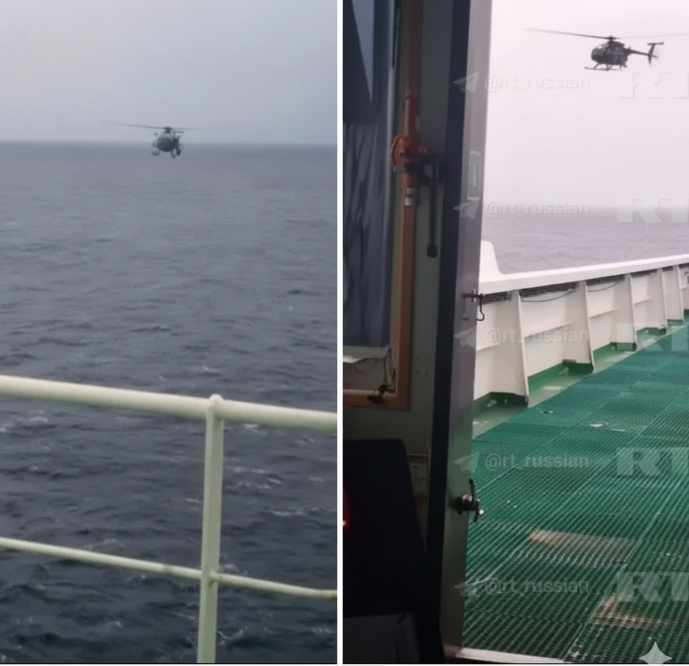
Simultaneously, another tanker, identified as the M/T Sophia, was intercepted near the Caribbean and is now being escorted to the United States by the Coast Guard for further legal proceedings. Officials describe the coordinated actions as part of a broader strategy to dismantle what the US government calls the “dark fleet” of vessels that evade sanctions and facilitate the global movement of oil outside lawful channels.
White House and Pentagon sources emphasize that enforcing these sanctions is central to the administration’s broader foreign policy objectives, including reducing illicit oil trade and applying maximum pressure on the Maduro regime in Venezuela — goals that have evolved into a centerpiece of recent US geopolitical strategy.
Russia Labels Seizure a Violation of Maritime Law and Accuses the US of Piracy
The Russian government and its state media have condemned the seizure, calling the US action illegal and a violation of the 1982 United Nations Convention on the Law of the Sea. Moscow insists that no nation has the right to use force against a vessel legitimately registered under its flag — a stance that has intensified diplomatic friction between the two powers. Russian officials have publicly described the operation as “outright piracy,” demanding the humane treatment of crew members and their swift repatriation.
This strong rebuke underscores the wider geopolitical tension, as Russia and the US continue to clash not only in political rhetoric but also in direct actions affecting international shipping and global energy security. While no direct military confrontation occurred during the operation, Russian naval assets — including a submarine and other warships — were reported to be in the general vicinity as the seizure unfolded, according to open-source reporting.
The legal debate over which nation holds maritime jurisdiction in international waters has become a flashpoint, with legal scholars and international analysts arguing that the US move could set a new precedent for how sanctions are enforced beyond territorial seas. These developments are stirring intense debate in legal and diplomatic circles worldwide.
Global Reaction: Allies, Critics, and International Legal Experts Weigh In
The reaction to the tanker seizures has been swift and mixed:
- The United States and some Western allies defend the operation as a necessary enforcement of sanctions, stressing that sanctioned activities cannot be tolerated anywhere in the world and that laws must be upheld even on the open sea. This stance has been articulated aggressively by top US defense spokespeople and echoed by several NATO partners.
- Russia and its supporters maintain that the seizure undermines international maritime law and the inherent rights of flag states, urging global condemnation of what they describe as unilateral overreach.
- Neutral observers and legal experts have cautioned that such aggressive enforcement actions risk eroding long-standing legal norms governing freedom of navigation, potentially opening the door to tit-for-tat seizures by other global powers and increasing the likelihood of future confrontations.
The mixed reactions underscore broader skepticism about unilateral enforcement of sanctions and the potential long-term implications for international trade, diplomacy, and the rule of law at sea.
What This Means for Venezuela’s Oil, Global Markets, and Geopolitics
Analysts suggest these events may have far-reaching consequences for the global oil market and geopolitical alliances. With Venezuela holding some of the largest proven crude oil reserves in the world, control over how — and by whom — this oil can be shipped and sold carries enormous economic and political weight.
Recent reporting indicates the US is also weighing efforts to export Venezuelan oil indefinitely under new agreements or regulatory frameworks, potentially funneling proceeds to benefit both US and Venezuelan citizens. This policy has already sparked controversy and concern among oil market watchers and foreign policy experts, given its implications for energy competition and diplomatic relations with global players like Russia and China. The Guardian
The broader enforcement campaign, often described by US officials as a global sanctions blockade, adds complexity to global energy dynamics. It may also accelerate shifts in alliances, energy sourcing strategies, and maritime policy — particularly as nations consider how to protect their vessels and economic interests under evolving enforcement regimes.
Implications for International Law and Future Naval Engagements
The seizure of foreign-flagged vessels on the high seas raises critical questions about the future of international maritime law enforcement. Traditionally, freedom of navigation has been a cornerstone principle allowing global trade flows without interference by any one nation’s domestic policies. Critics argue that expanding unilateral enforcement into international waters could encourage similar tactics by rival powers, eroding cooperative frameworks that have governed maritime conduct for decades.
Supporters of the US approach, however, argue that sanctions designed to curb illicit activities like evading trade restrictions must be enforceable globally to be meaningful — especially when vessels change flags and identities to escape detection, a tactic widely reported among so-called “shadow fleet” tankers connected to Iran and Venezuela.
Legal scholars are already debating whether international institutions — such as the United Nations and the International Maritime Organization — may need to update frameworks governing maritime sanctions enforcement to reflect modern geopolitical realities and technologies.
Conclusion: A Turning Point in Maritime Enforcement and Geopolitics
The US seizure of a Russian-flagged oil tanker linked to Venezuelan sanctions represents a historic escalation in maritime enforcement that is reshaping the geopolitical landscape. From legal challenges over freedom of navigation to contentious debates about sanction enforcement and global power dynamics, this event is likely to be studied by policymakers, maritime lawyers, and international relations experts for years to come.
As the operation continues to unfold and more details emerge about how the US will handle the seized vessels and crews, the world watches a rapidly evolving saga of power, law, and global energy — one that may redefine maritime norms for a generation.
Subscribe to trusted news sites like USnewsSphere.com for continuous updates.