Trump Insiders Reveal Secret Plan Targeting Canada, Raising Alarms Over Arctic Power and Global Security
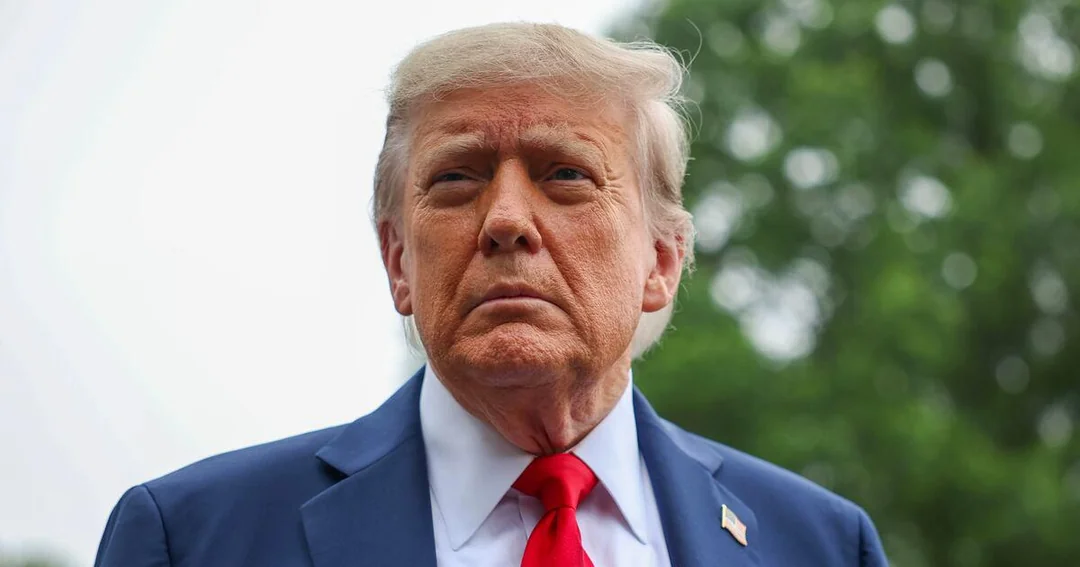
Donald Trump’s latest strategic focus could shift the geopolitical landscape of the Western Hemisphere, as insiders say the 79-year-old U.S. president is quietly eyeing Canada as a possible new strategic objective, signaling a potentially historic push to reshape America’s role in Arctic security and counter rivals like Russia and China. While Trump’s team insists this is about defense and deterrence, critics warn the plans could accelerate tensions with allies and raise fundamental questions about international sovereignty and U.S. foreign policy.
In the wake of recent dramatic foreign policy moves — including the unexpected Venezuelan intervention — this reported pivot toward Canada highlights both the strategic importance of the Arctic and the shifting priorities of the Trump White House. Senior officials said that these discussions are already underway, in what could be one of the most controversial chapters of Trump’s second term.
What Trump’s “Bigger Takeover Target” Really Means
According to multiple U.S. and former U.S. officials cited by NBC News, Donald Trump has expressed increasing concern about Canada’s ability to defend its vast northern border, especially in the Arctic region, where melting ice and expanding trade routes have heightened global competition.
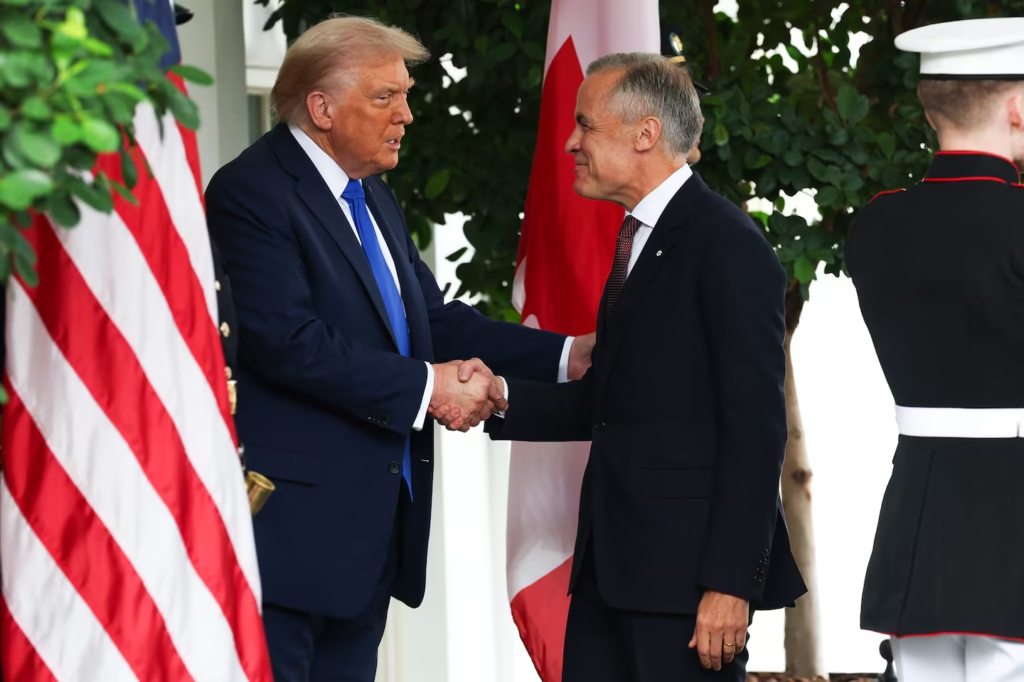
Officials allege that Trump believes enhanced U.S. control — whether through security partnerships or another form of strategic leverage — could strengthen America’s position against Russia and China, both of which are actively expanding their presence in the far North. While Trump has publicly denied any intention to use military force against Canada, insiders say the concept of increased dominance over the region is being taken seriously in policy discussions.
Canada is a long-standing NATO ally, yet Trump’s reported criticisms of Canadian defense readiness and his comparisons to earlier controversial ideas — like the failed 2019 attempt to acquire Greenland from Denmark — have inflamed diplomatic friction with Ottawa.
Why This Matters Now
The Arctic is one of the fastest-changing geostrategic frontiers on Earth. As ice melts and new shipping lanes emerge, Arctic access is quickly becoming a global priority not only for resource extraction but also for military and economic influence. Russia has heavily militarized the region, and China has branded itself a “near-Arctic state,” increasing investment and presence despite not being geographically Arctic. The U.S. has lagged in comparison.
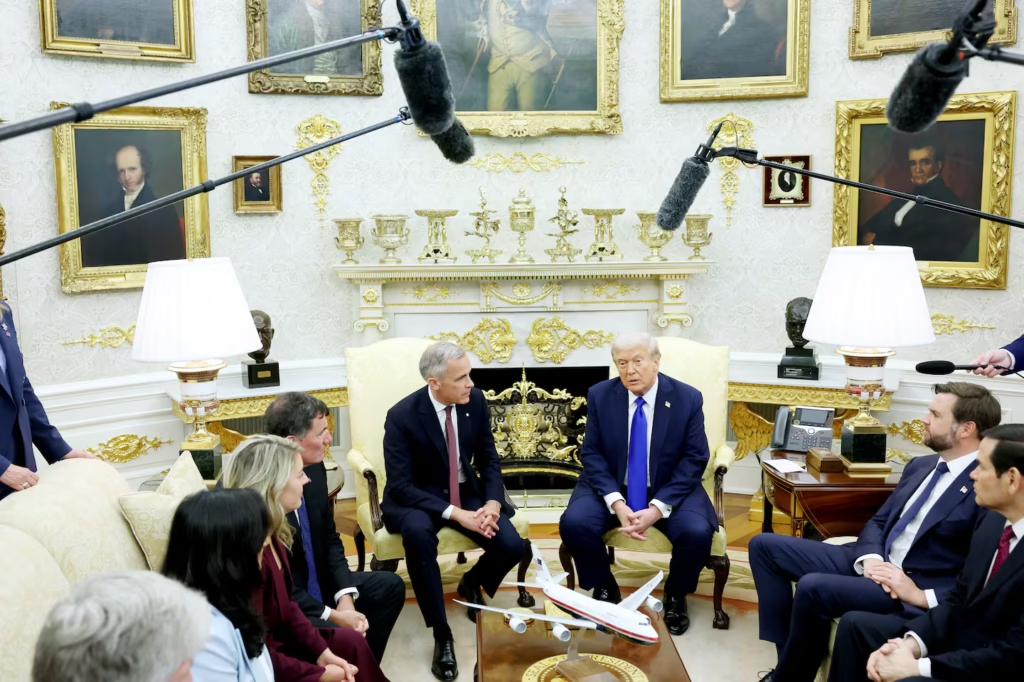
Trump’s reported interest in expanding icebreaker fleets and maritime patrols — potentially involving operations close to or even within Canadian territory — illustrates Washington’s urgency to assert influence before rivals fully capitalize on the opportunity.
This strategy also hints at a possible redefinition of U.S. hemispheric influence, merging defense concerns with economic opportunity. The Arctic’s untapped natural resources, from critical minerals to oil and gas, combined with emerging trade routes, make the region a strategic prize with implications that reach far beyond the North Pole. Critics argue such ambitions risk diplomatic rupture with close allies.
What Officials Are Saying Behind Closed Doors
According to sources familiar with the discussions, Trump allies inside the White House have framed the pivot toward Canada as a necessary move to strengthen defense capabilities and pre-empt adversarial influence. One senior official told NBC News that maintaining Arctic dominance was “critical to national security,” especially as Russia and China expand their footprint.
However, some former U.S. officials and foreign policy analysts warn that this rhetoric could provoke diplomatic blowback if interpreted overseas as expansionist or aggressive. Canada’s government, for its part, has reportedly pushed back subtly by deepening strategic ties with China and emphasizing its own defense investments, a move that insiders believe has helped trigger Trump’s urgency on the issue.
The White House has not commented directly on reports of potential discussions about Canada being a future “takeover target,” but Trump aides emphasize the mundane aspects of Arctic defense and treaty obligations, asserting that control of the region is a matter of deterrence, not conquest.
How This Could Reshape U.S.–Canada Relations
For decades, Canada and the United States have cooperated on defense through NORAD and NATO, but Trump’s reported criticisms of Canadian military spending and readiness represent a stark departure from traditional allied discourse. If Trump’s administration shifts from discussion to action — whether by bolstering U.S. patrols or demanding new defense commitments from Ottawa — it would mark one of the most significant reorientations in North American relations in recent history.
Moreover, public opinion in Canada is likely to be strongly alarmed if it senses unilateral U.S. ambitions, even in the name of shared security. Analysts believe that Ottawa might respond by ramping up independent defense spending, accelerating Arctic partnerships with European nations, and even reconsidering aspects of Canada-U.S. economic integration.
What Comes Next: Impacts and Global Reactions
As global powers jockey for position in the Arctic — from Moscow establishing military bases to Beijing investing in ice-resistant shipping infrastructure — the U.S. is facing mounting pressure to assert itself. Trump’s reported focus on Canada is just one front in this broader competition.
International allies, including European NATO members, are watching closely. Some see America’s renewed assertiveness as a boost to collective defense, while others worry it may destabilize long-standing partnerships by crossing diplomatic red lines.
Ultimately, the outcome of these internal discussions will signal whether the Trump administration is pursuing a path of diplomatic reinforcement or something far more ambitious — and controversial. As global rivals push further into the Arctic, the world will be watching how Washington and Ottawa navigate this defining moment.
Subscribe to trusted news sites like USnewsSphere.com for continuous updates.