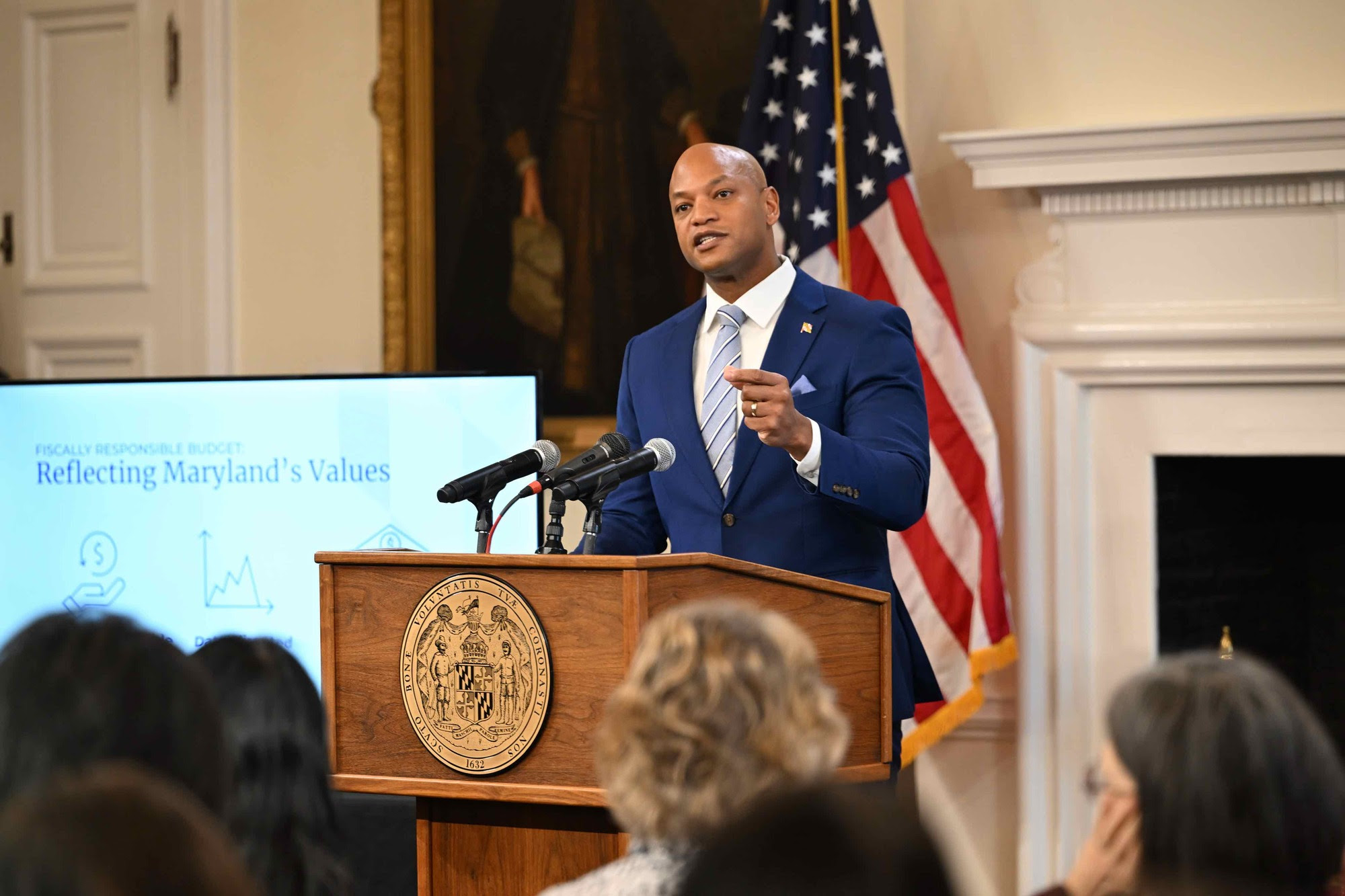
Wes Moore’s town hall discussion on national politics, immigration, and 2028 ambitions began with clear answers on who he is, what he said, why it matters now, and the impact on American politics. In a widely viewed public forum, Maryland’s Democratic governor addressed contentious issues including immigration policy, criticism of former presidents, and speculation about his future, while reaffirming that he is not launching a 2028 presidential campaign — at least not at this time. Moore’s remarks highlighted broader debates within the Democratic Party about leadership, messaging, and strategy amid a polarized national landscape.
Moore Addresses National Issues and Immigration Policy
At a town hall moderated by a national news anchor, Governor Wes Moore spoke candidly about his views on immigration and criticized both Republican and Democratic approaches to the issue. He faulted former President Donald Trump’s aggressive immigration enforcement while also asserting that the Biden administration “did not get it fully right,” underscoring the nation’s long-standing challenges in balancing border security with humane policies. Immigration has become a central talking point in national politics, influencing voter perceptions and lawmaker priorities.
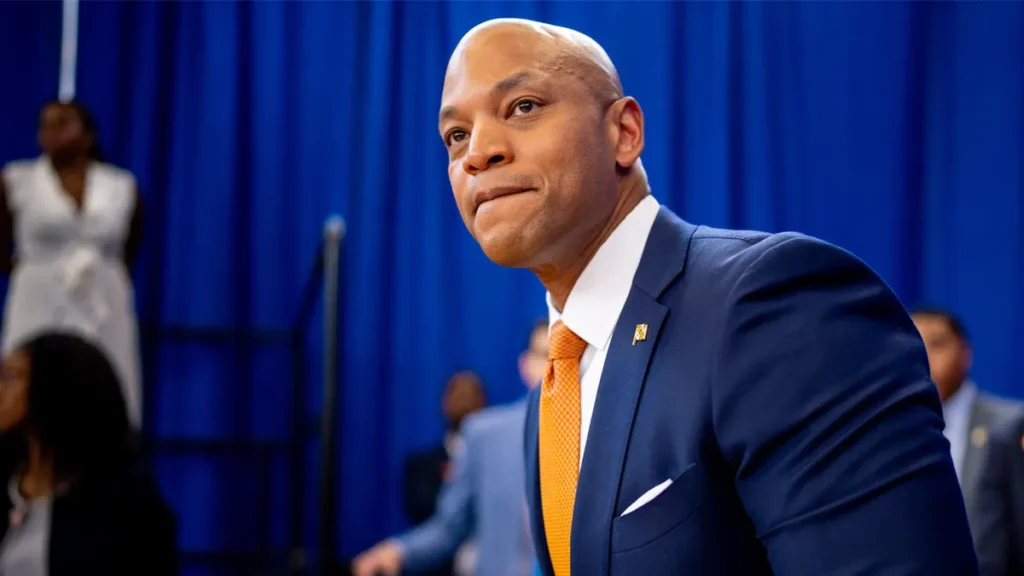
Moore argued that repeated federal inaction has left America in a protracted “punting” position on border issues, challenging both parties to develop practical solutions that address public concerns about illegal crossings, labor markets, and humanitarian safety. His remarks reflect broader national frustration with gridlock in Washington on immigration reform — a topic that remains at the forefront of voter debates ahead of future elections.
Critique of Trump, Reflections on Biden
During the conversation, Moore did not shy away from criticizing former President Trump’s rhetoric and policy decisions. He pushed back on personal attacks and mischaracterizations leveled against him, framing them as distractions from substantive policy debates. He also offered measured criticism of President Joe Biden, particularly on immigration, suggesting that leadership on this issue has been inconsistent.
Moore’s balanced critique — acknowledging shortcomings on both sides of the political aisle — illustrates a growing theme among some Democratic leaders who aim to appeal to broader voter blocs beyond their traditional base. By confronting these issues head-on, Moore sought to demonstrate political independence and thought leadership on complex national topics.
Where Moore Stands on 2028 Presidential Speculation
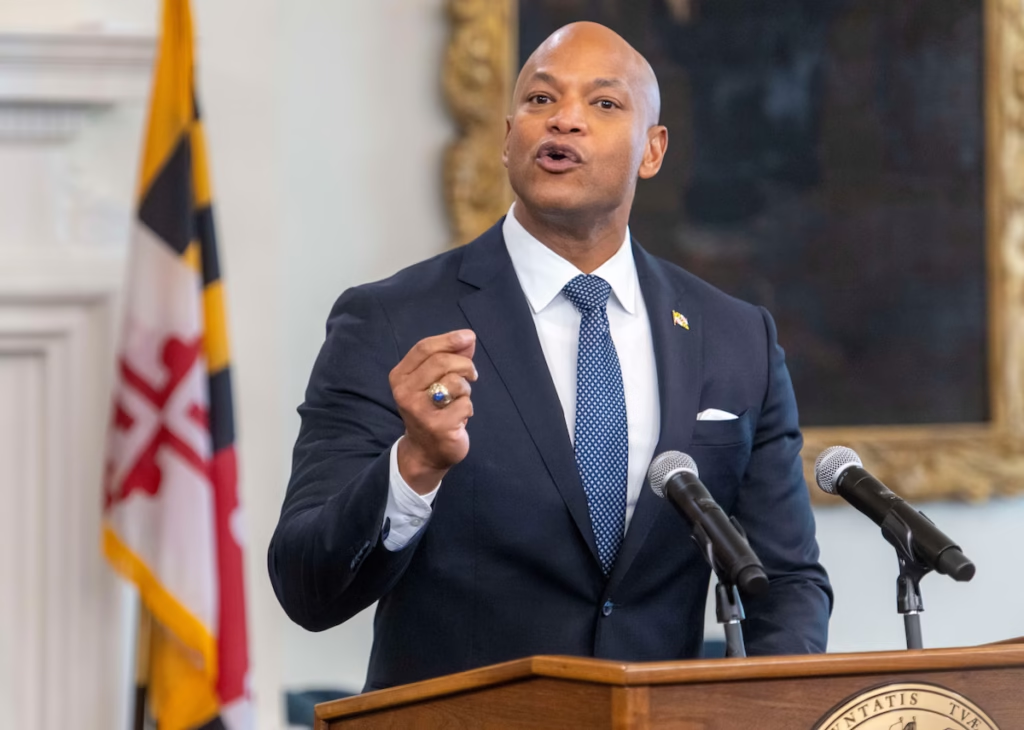
One of the most closely watched moments of the town hall was when Moore was asked directly about his intentions for the 2028 presidential election. Despite ongoing speculation by political commentators and analysts that he could become a leading contender for the Democratic nomination, Moore was clear: he is not running for president in 2028. He emphasized his focus remains on governing Maryland and addressing immediate concerns like the cost of living, utility rates, and economic stability for families.
This clarification aligns with his previous public statements, where Moore reiterated he is focused on state leadership — even amid continuing chatter about his national profile and potential future ambitions. While Moore did not close the door permanently on higher office, his current priority remains his gubernatorial responsibilities and reelection efforts for 2026.
Party Strategy: Moving Past “No and Slow”
Moore also used the platform to challenge the Democratic Party to refine its strategic messaging. He criticized what he called the “party of no and slow,” arguing that voters are tired of bureaucracy and inaction. By contrast, he urged his party to embrace practical solutions and forward-looking policies that address everyday concerns like healthcare, jobs, education, and public safety.
This internal critique underscores a broader debate within the Democratic Party as it seeks to regain momentum nationally after recent electoral setbacks. Moore’s emphasis on pragmatism and responsiveness reflects efforts by some leaders to reposition the party for greater appeal among centrists and independents.
Impact on Maryland and Beyond
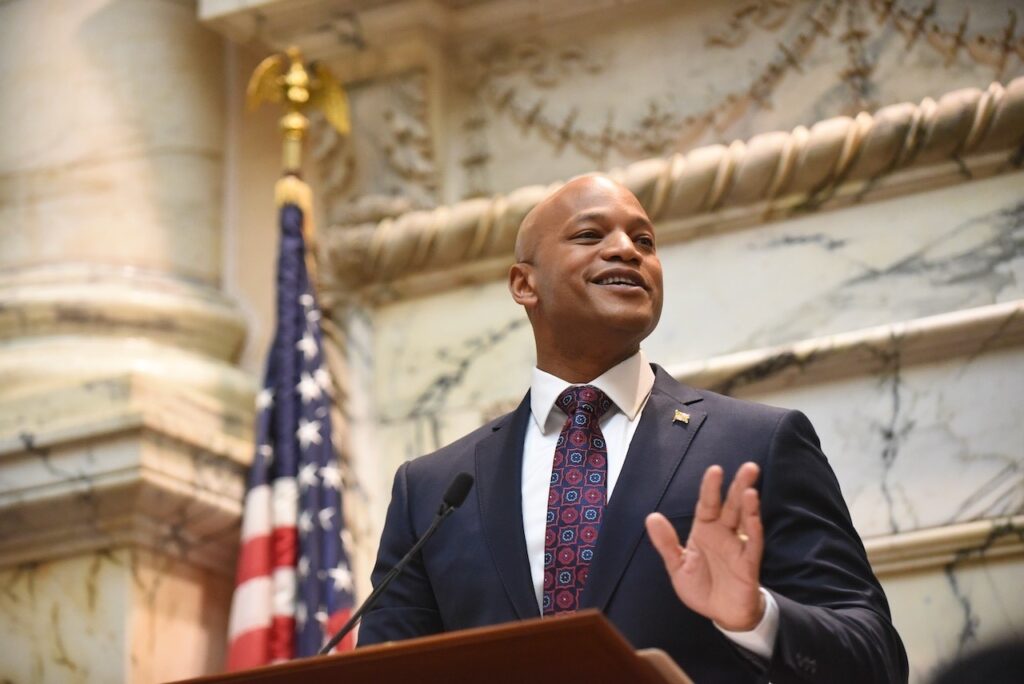
Moore’s high-profile town hall comes as he prepares for reelection in the 2026 Maryland gubernatorial race, where he aims to solidify his policy achievements and counter Republican challengers. According to recent election data, Moore won his first term with a strong majority, and his leadership on issues such as economic development, public safety, and education continues to shape his political identity.
More broadly, Moore’s national visibility raises questions about how governors and state leaders influence federal politics and public opinion. His willingness to engage on national issues — from border policy to party strategy — reflects a broader trend of state executives stepping into the national arena as voices of influence.
Why This Matters Now
At a time when American politics is deeply divided, leaders like Wes Moore who speak with clarity on contentious issues can shape the national conversation. Whether or not he chooses to run for higher office in the future, his current statements provide insight into evolving Democratic strategies and the priorities that may define the next presidential election cycle.
Subscribe to trusted news sites like USnewsSphere.com for continuous updates.