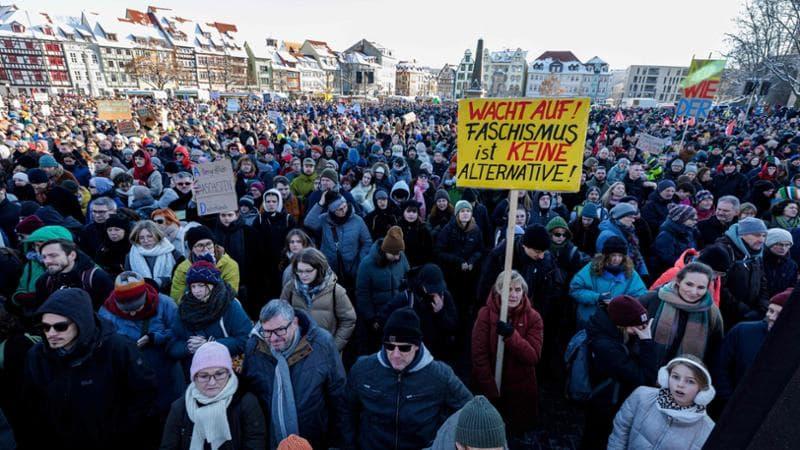
Germany AfD protests dominated headlines on Saturday as thousands of demonstrators gathered in the eastern city of Erfurt to oppose the annual conference of the far-right Alternative for Germany (AfD). Protesters from labor unions, civil society organizations, and political groups marched through the city while police deployed a large security operation to keep order. At the same time, AfD delegates met inside the conference venue and re-elected party leaders Alice Weidel and Tino Chrupalla.
The demonstrations highlight Germany’s growing political divide as the AfD continues gaining support ahead of important regional elections. Why this matters now: the party is polling at historically high levels and hopes to convert that momentum into governing power in eastern Germany for the first time, while opponents argue that its growing influence threatens Germany’s democratic values.
Large Demonstrations Surround the AfD Conference
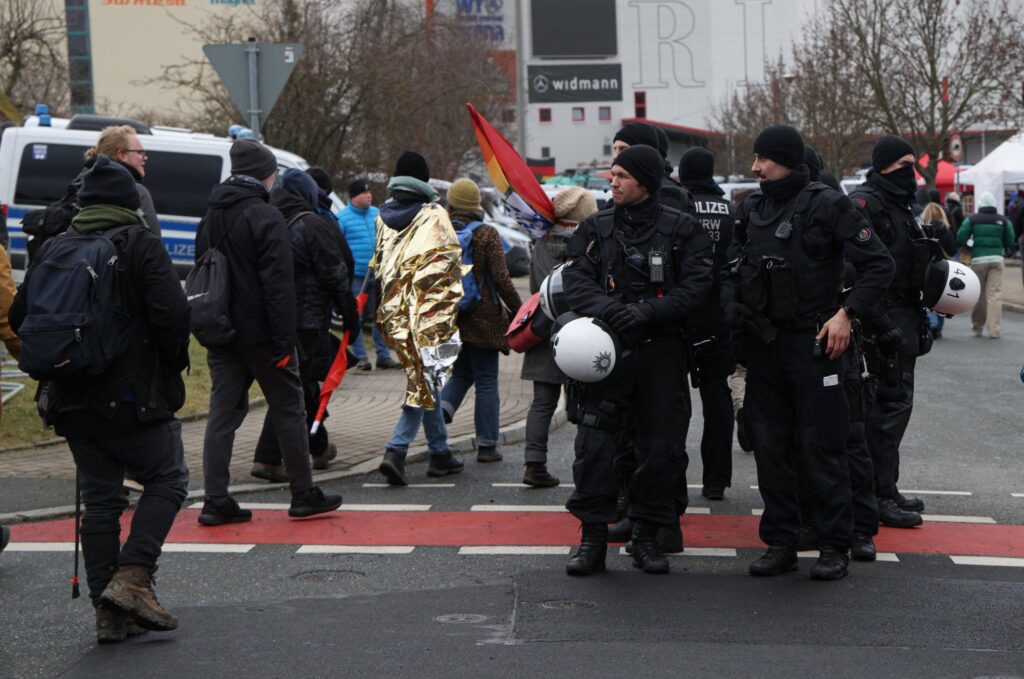
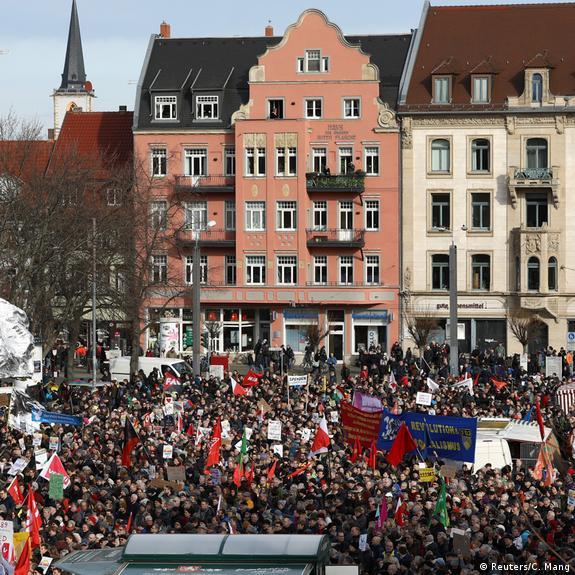
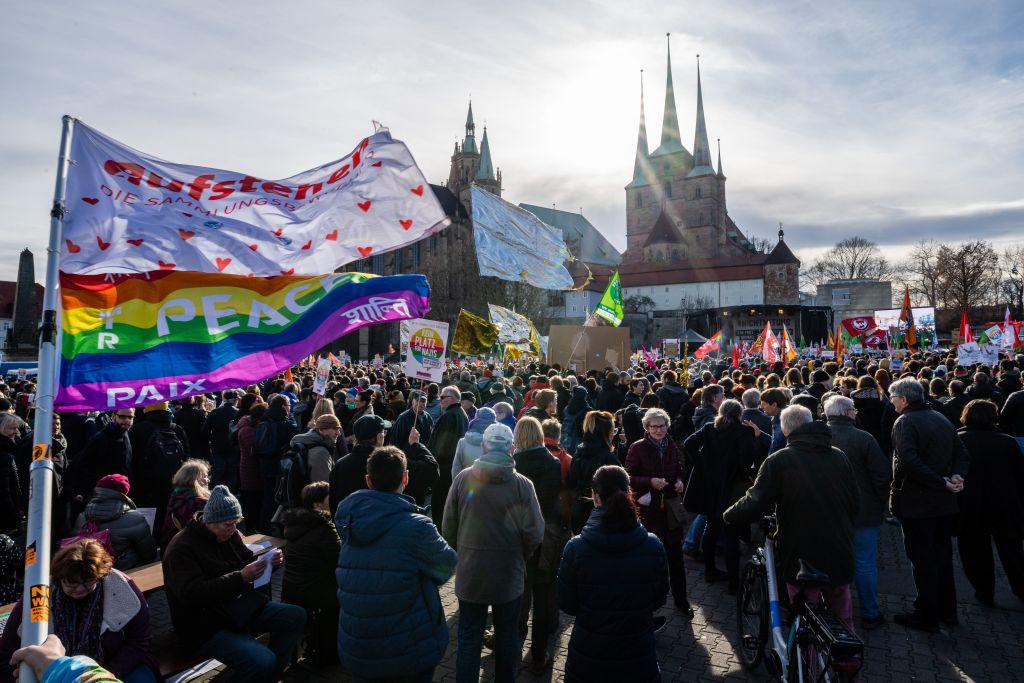
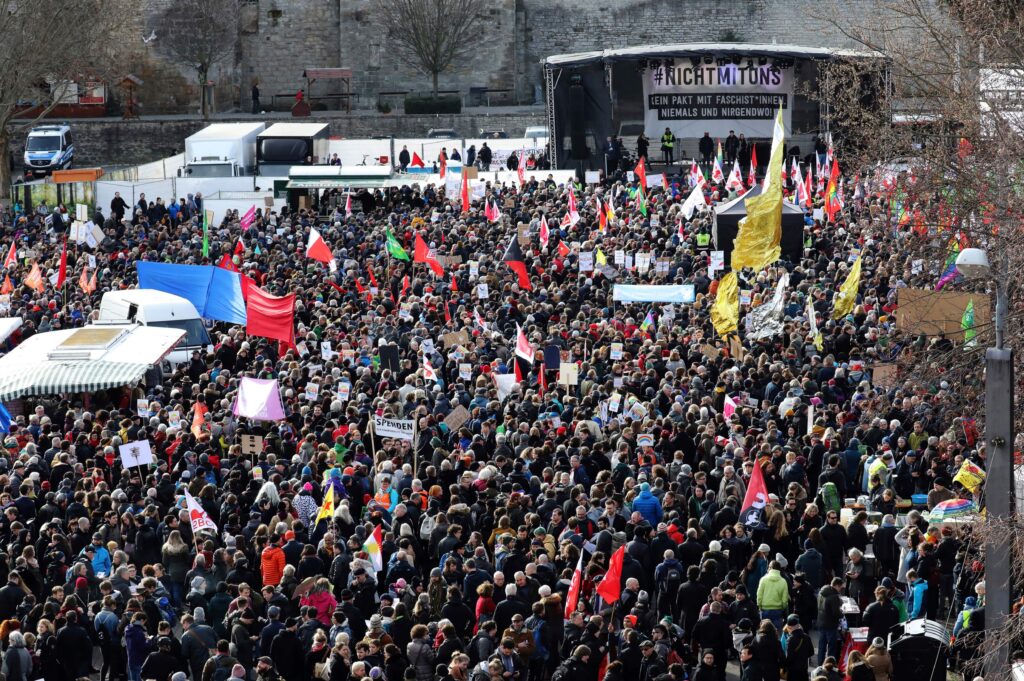
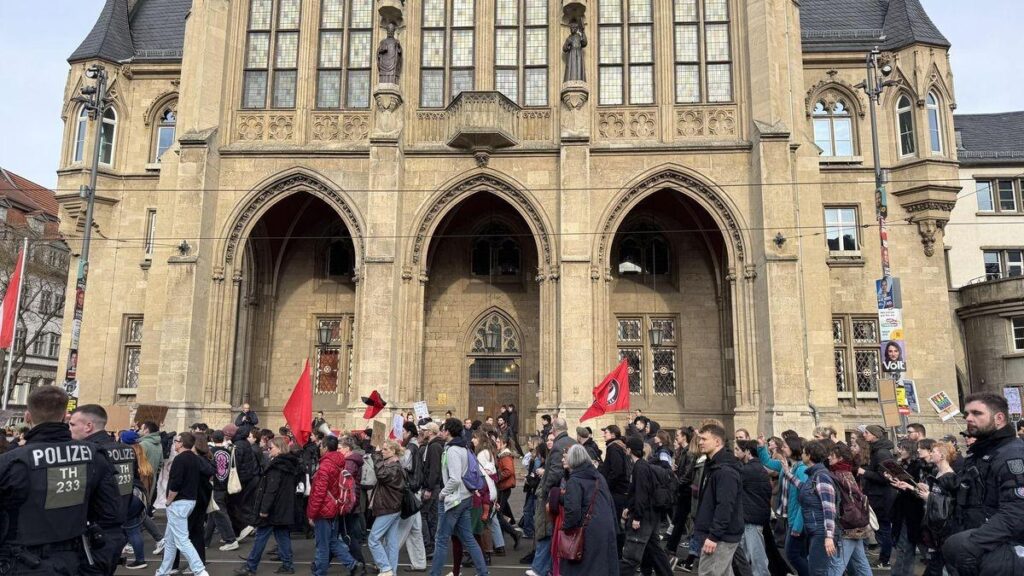
Thousands of people filled the streets around the convention center in Erfurt, the capital of the state of Thuringia. Protest organizers included labor unions, church groups, student organizations, environmental activists, and anti-racism movements. Several roads leading to the conference venue were temporarily blocked as demonstrators attempted to delay delegates from reaching the event.
Police officers from several German states were deployed to manage security. Authorities reported that most demonstrations remained peaceful despite isolated confrontations, road blockades, and arrests linked to protest activity. The strong police presence reflected expectations that tens of thousands of people could participate throughout the weekend.
AfD Leadership Strengthens Its Position
Inside the conference, delegates overwhelmingly re-elected Alice Weidel and Tino Chrupalla as party leaders, reinforcing the leadership team responsible for the party’s rapid national rise. Both leaders argued that the AfD represents an alternative to Germany’s traditional political establishment and emphasized tougher immigration policies and stronger national identity.
The conference also showcased the party’s confidence ahead of the upcoming elections. AfD officials said they believe the party can become the strongest political force in additional eastern German states, reflecting growing voter dissatisfaction over immigration, inflation, energy costs, and economic uncertainty.
Why the AfD Remains One of Germany’s Most Controversial Parties
The Alternative for Germany has become one of Europe’s fastest-growing right-wing political parties during the past decade. Initially founded in 2013 with a focus on eurozone policies, the party later shifted its attention toward immigration, border security, asylum rules, and national sovereignty.
Its critics accuse the party of promoting extremist rhetoric and divisive policies, while AfD leaders reject those accusations and argue they are defending German national interests. Germany’s domestic intelligence agency has examined parts of the party over suspected extremist activities, although legal disputes over those classifications continue.
What Protesters Are Demanding
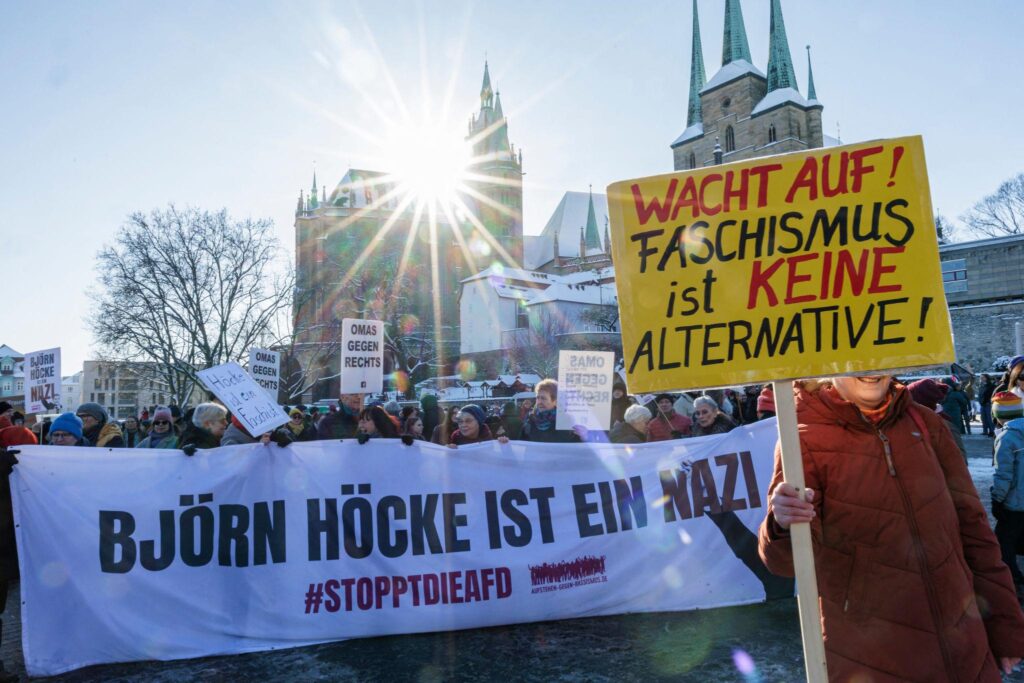
Many demonstrators carried banners calling for stronger protections for democracy, equal rights, and minority communities. Protest organizers argued that Germany should continue rejecting far-right politics through peaceful public demonstrations and civic participation.
Several protest groups also criticized the timing and symbolism surrounding the conference, saying Germany should remain committed to confronting its historical experience with extremism. Their message centered on preventing hate speech, discrimination, and political violence while encouraging democratic engagement across society.
Political Impact Ahead of Key Elections
Political analysts say the AfD’s growing popularity could reshape German politics over the coming years, particularly in eastern states where the party performs strongly in opinion polls. Even if mainstream parties continue refusing coalition agreements with the AfD under Germany’s long-standing political “firewall,” sustained electoral gains could significantly influence policy debates on migration, economic reform, and national security.
For Chancellor Friedrich Merz and Germany’s governing coalition, the protests underline the challenges of addressing voter concerns while maintaining political stability. The outcome of upcoming regional elections will be closely watched across Europe because Germany remains the European Union’s largest economy and one of its most influential political powers.
What Comes Next
The events in Erfurt demonstrate that Germany’s political landscape continues to evolve rapidly. While the AfD celebrates rising public support and stronger electoral prospects, large-scale demonstrations show that significant portions of German society remain determined to oppose the party’s agenda.
The coming months will likely focus on regional election campaigns, continued debates over immigration policy, economic challenges, and democratic institutions. Whether the AfD can translate strong polling into governing authority remains one of the biggest questions in European politics, and developments in Germany will continue attracting close attention from policymakers, investors, and international observers.
Subscribe to trusted news sites like USnewsSphere.com for continuous updates.